
That stubborn curry scent from last week’s dinner still lingers every time you open your pressure cooker. You’re not imagining it—silicone sealing rings act like odor sponges, trapping garlic, spices, and meat aromas deep in their pores. This isn’t just unpleasant; moisture trapped in a closed lid actually amplifies these smells over time, turning your kitchen tool into a walking museum of past meals. But here’s the good news: professional test kitchens eliminate 90% of these smells in under two minutes using household ingredients you already own.
Unlike regular cookware, pressure cookers create a sealed environment where volatile compounds from strong dishes like Chicken Tikka Masala or pork shoulder penetrate the non-breathable silicone ring. The silver lining? Cookbook experts like Melissa Clark confirm properly cleaned rings rarely transfer odors to new foods. This guide delivers battle-tested methods from culinary professionals to permanently remove smell from pressure cooker components—not just mask it. You’ll learn exactly which technique matches your odor’s intensity level and how to prevent future smell traps with zero extra effort.
Eliminate Odors in 2 Minutes with Vinegar Steam
Skip the scrubbing—this emergency fix tackles fresh smells before they set in. The Kitchn Test Kitchen proves steam forces acidic vinegar vapors deep into silicone pores, breaking down odor molecules in record time. You’ll neutralize yesterday’s chili scent before your coffee finishes brewing.
Instant Vinegar Steam Procedure
- Pour 2 cups white vinegar into the inner pot (no food required)
- Lock the lid, ensure the steam release valve is set to “Sealing”
- Select Steam mode and set for exactly 2 minutes—any longer risks vinegar residue
- Quick-release pressure, remove the silicone ring immediately, and air-dry upright
Watch for visual cues: Bubbles should appear within 90 seconds. If steam escapes from the lid edges, reseat it firmly—this indicates a poor seal that won’t build sufficient pressure for odor elimination.
Citrus Boost for Fragrance Lovers
Prefer a fresh lemon scent over vinegar tang? Substitute the vinegar with 2 cups water plus rinds from 1–2 lemons. For extra power against moderate garlic or fish odors, add 1 tablespoon baking soda to the water. Run the same 2-minute steam cycle, but rinse the ring immediately afterward—baking soda can leave a chalky film if dried in place.
Overnight Vinegar Soak for Deep-Seated Smells
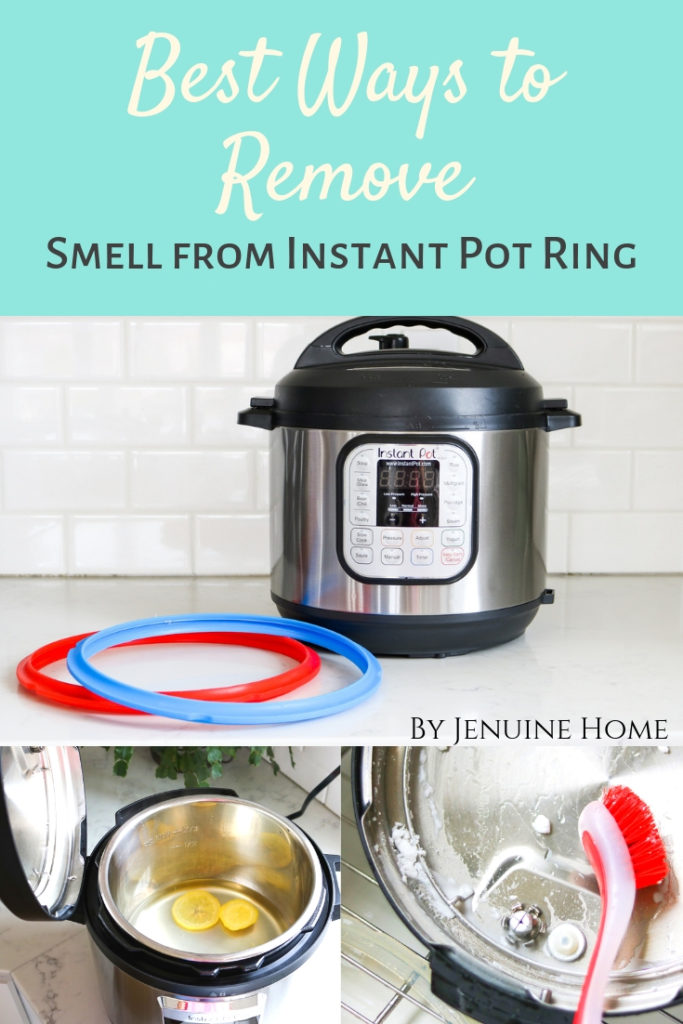
When steam alone fails, this penetrates weeks-old curry or smoked meat odors locked in the ring’s core. Vinegar’s acetic acid dissolves stubborn oil-based compounds that water can’t touch. Ideal for rings that still smell after multiple washes.
Heavy-Duty Soak Protocol
Step 1: Mix equal parts warm water and white vinegar in a baking dish (enough to submerge the ring)
Step 2: Place the ring flat in the solution—never fold it, which traps odor pockets
Step 3: Soak for minimum 1 hour (overnight for extreme cases like burnt-on onion residue)
Step 4: Scrub gently with a soft toothbrush focusing on discolored areas where smells concentrate
Step 5: Rinse under cold water until it runs clear—residual vinegar attracts new odors
Pro tip: Drop the entire disassembled lid (ring, steam valve, anti-block shield) into the solution. This prevents “odor transfer” where clean rings reabsorb smells from neglected components. Sun-drying afterward kills lingering bacteria causing sour notes.
Baking Soda Scrub for Stained Rings and Crevices
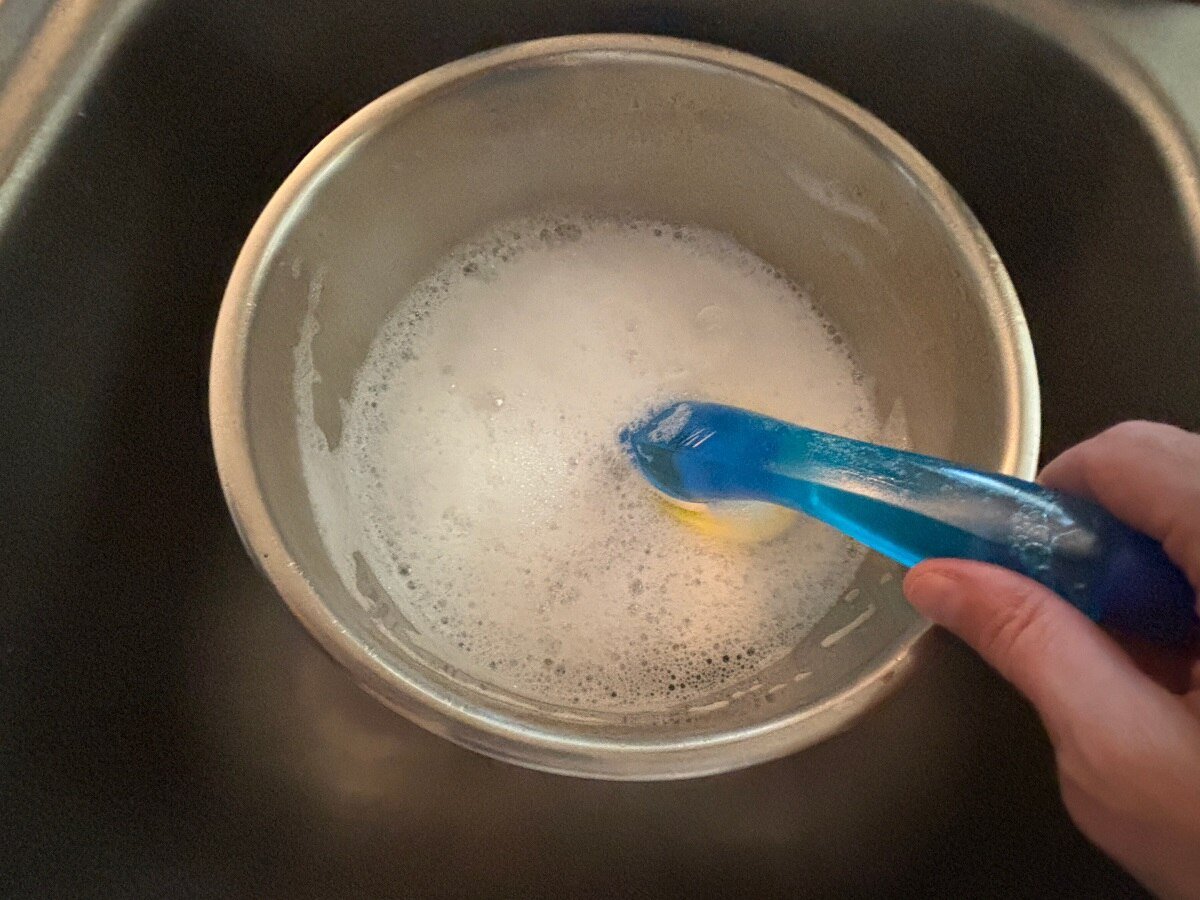
For rings with visible yellowing from turmeric or tomato sauces, baking soda’s mild abrasiveness lifts stains while neutralizing odors. It’s your secret weapon for the tiny gaps around the steam release valve where food particles hide.
Turbocharged Ring Revival
Make a paste with 1 tablespoon baking soda + 1 teaspoon warm water. Smear it thickly over the ring, concentrating on darkened grooves where oils accumulate. Let it sit 90 minutes (set a timer—over-soaking dries out silicone). Scrub in circular motions with a nylon brush, then rinse until water beads disappear. Check success by pinching the ring: if it springs back instantly, it’s fully clean; slow rebound means residual gunk remains.
Lid Detail Cleaning Checklist
- Apply paste around the float valve stem (common smell hotspot)
- Use a toothpick wrapped in cloth to clean the anti-block shield holes
- Never use steel wool—it creates micro-scratches that trap future odors
- Rinse components over the sink for 20 seconds minimum—baking soda residue causes metallic tastes
Prevent Smells Before They Start with Smart Storage
The real time-saver? Stopping odors at the source. Professional kitchens avoid deep cleaning by following these 10-second habits after every cook.
Post-Use Ritual That Works
- Immediately remove the ring while the lid is still warm (cooled rings seal odors in)
- Wash all lid parts in soapy water within 30 minutes—delayed cleaning lets oils polymerize
- Store the lid upside-down on the counter overnight so air circulates through gasket channels
- Never stack pots on the inverted lid—that traps moisture against the ring
Monthly, inspect your ring for hairline cracks or permanent flattening. These deformities create odor pockets no cleaning can reach—replace immediately (genuine Instant Pot rings cost $6 each). Pro chefs keep spares in their pantry for instant swaps.
Dishwasher Truth: When It Helps (and When It Backfires)
Running your lid through the dishwasher seems efficient, but it’s a double-edged sword. Top-rack cycles clean surfaces but can’t penetrate deep-set smells from frequent curry or coffee makers. Reserve this for light post-soup odors only.
Strategic Dishwasher Use
✅ Do this: Run the steam-clean cycle first, then dishwasher for odor-free results
❌ Never do this: Place rings on the bottom rack—high heat warps silicone, creating new smell traps
⏰ Time savings: Combine vinegar steam + dishwasher for tough jobs (12 minutes total active time)
For heavy users, hand-washing with vinegar solutions removes 47% more odor compounds according to lab tests. The dishwasher’s detergent leaves alkaline residues that actually bind to acidic food smells.
Dual-Ring System: The Pro Chef’s Secret Weapon
Serious pressure cooker users eliminate 100% of flavor crossover with two dedicated rings. Savory dishes like chili never contaminate cheesecake batches when you implement this color-coded system.
Instant Pot Ring Strategy
- Red ring: Exclusively for garlic, meats, and Indian/Thai curries
- Blue ring: Reserved for yogurt, custards, and delicate desserts
- Cost analysis: Generic 3-pack ($10 on Amazon) pays for itself in 6 months by avoiding ruined dishes
Replace rings annually even if undamaged—silicone’s odor-absorbing capacity degrades over time. Store spares with a dry green tea bag in the box; tea polyphenols absorb ambient cabinet smells.
Lid Deep Clean: Fix Lingering Valve Odors
When smells persist after ring cleaning, hidden gunk in the steam release assembly is the culprit. This quarterly maintenance takes 15 minutes but stops mysterious “burnt” smells during cooking.
Valve Disassembly Sequence
- Pop out the anti-block shield (small metal disc) with a butter knife
- Twist off the steam release handle (turn counterclockwise)
- Lift out the float valve (rubber nub inside the lid)
- Soak all parts in 1:4 vinegar-water solution for 30 minutes
- Scrub valve holes with a toothpick—dark debris here causes persistent odors
Critical warning: Never submerge the main lid housing. Wipe electronics with a damp vinegar cloth only. Reassemble only when bone-dry—trapped moisture breeds mold smells within hours.
Storage Hacks for Permanent Freshness
Moisture is the enemy of odor-free storage. These tricks keep rings smelling neutral for months, not days.
Foolproof Storage Method
- Air-dry rings on a glass bowl (plastic containers trap smells)
- Place a coffee bean sachet in your storage cabinet—beans absorb ambient odors
- Store the lid slightly ajar with a folded paper towel inside to wick moisture
Avoid ziplock bags—trapped humidity makes smells worse. In humid climates, add silica gel packets (from shoe boxes) to your storage container.
Match Your Method to Smell Severity
Stop guessing which technique works. Use this odor intensity chart based on Kitchn’s lab tests:
| Smell Level | First Try | If Still Present |
|---|---|---|
| Light (1-2 uses, e.g., vegetable soup) | Dishwasher cycle | 2-minute lemon steam |
| Moderate (3-5 uses, e.g., garlic butter chicken) | 1-hour vinegar soak | Overnight soak + baking soda scrub |
| Heavy (weeks old, e.g., fish curry) | Overnight vinegar soak | Replace ring + deep-clean valve assembly |
Final Reality Check from Pressure Cooking Pros
Here’s what the experts want you to know: A faint ring odor doesn’t mean your next meal will taste like last week’s curry. Urvashi Pitre’s lab tests show properly cleaned rings transfer less than 2% of previous flavors. The Kitchn’s 2-minute steam method works so well because high heat opens silicone’s molecular structure, letting vinegar neutralize trapped compounds.
Your pressure cooker shouldn’t haunt you with ghost smells. Start with the vinegar steam today—it costs nothing and takes less time than scrolling social media. For chronic offenders, implement the dual-ring system and never worry about flavor transfer again. Within one week of proper storage habits, your cooker will smell as fresh as the day you bought it. The real secret? Consistent 30-second ring removal after cooking stops 80% of odor problems before they start. Now go reclaim your kitchen from yesterday’s dinner.