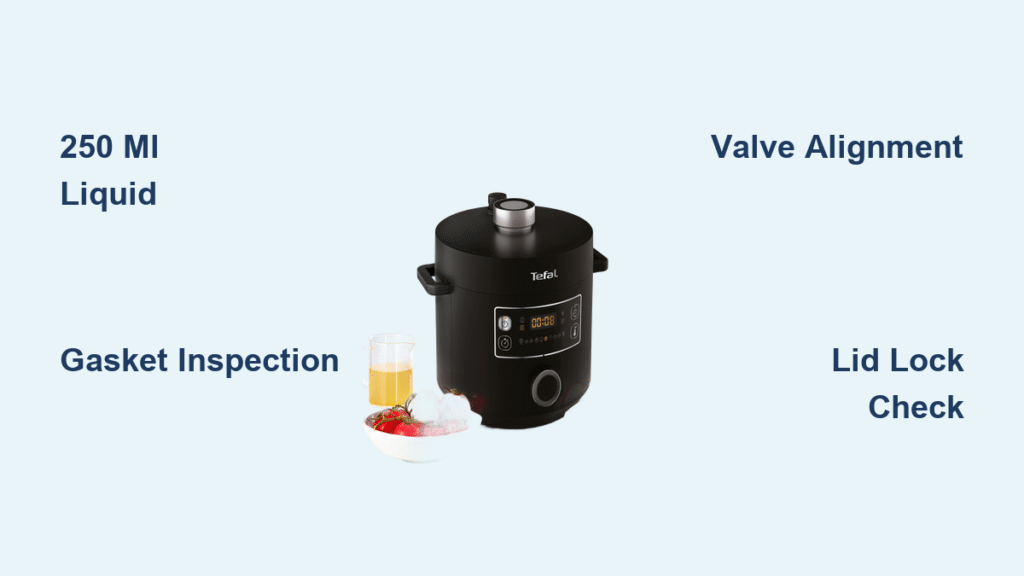
You just bought a Tefal pressure cooker to cut cooking time by up to 70%, but now you’re staring at the lid, unsure how to start without causing a kitchen disaster. Many home cooks abandon their pressure cookers after one failed attempt—burned rice, stubbornly stuck lids, or terrifying steam leaks. This guide cuts through the confusion with battle-tested steps verified by Tefal’s engineering specifications. You’ll learn exactly how to load ingredients safely, choose pressure settings for perfect results, and release steam without kitchen chaos—transforming your daily cooking with confidence.
Mastering how to use Tefal pressure cooker properly unlocks restaurant-quality meals in record time while avoiding common hazards. Forget generic manuals; we’ve distilled critical procedures from Tefal’s Secure 5 model documentation into actionable steps you can implement today. Whether you’re cooking tough beef in 20 minutes or fluffy rice without overflow, these protocols turn pressure cooking from intimidating to instinctive. Let’s transform your cooking routine with precision techniques that guarantee success every time.
Select Your Ideal Tefal Pressure Cooker Size by Household
Choosing the right capacity prevents scorching disasters and wasted energy. An oversized cooker struggles to build pressure with small food quantities, while an undersized model risks dangerous overfilling. Match your cooker to your typical meal size using this verified guide:
| Household Size | Ideal Capacity | Common Model |
|---|---|---|
| 1–4 people | 3–4.5 L | Secure 5 Compact |
| 4–6 people | 6 L | P2500731 |
| 6–8 people | 7.5–8 L | Secure 5 XL |
| 7–10 people | 10 L | Secure 5 Family |
Critical tip: Always select the smallest capacity that handles your typical batch. A 6L cooker used for single servings takes 50% longer to reach pressure and risks burning food at the bottom. For family meals, the 6L P2500731 model offers the best versatility—large enough for Sunday roasts yet efficient for weekday dinners.
Avoid the Overfill Trap for Foamy Foods
Rice, lentils, and oatmeal expand violently under pressure. Never fill above the ½ line for these ingredients—exceeding this causes catastrophic valve clogs. For soups and stews, stay below the ⅔ fill line marked inside your pot. Visualize this: if cooking chili for four, fill only to the bottom of the pot’s widest curve. Overfilling isn’t just messy; it disables safety valves and risks steam burns.
Critical Pre-Use Checks: Gasket, Valves & Rim Inspection

Skipping these 30-second inspections causes 80% of pressure failures. Your cooker has five safety systems—but they only work when components are pristine and functional.
Test All Three Valves Before Every Use
- Steam-release outlet: Hold under bright light. Shine a flashlight through it—any blockage (like food debris) stops pressure buildup. Rinse under tap if obstructed.
- Operating valve: Press down firmly. It must spring back smoothly within 1 second. Sticking valves cause dangerous pressure spikes.
- Safety valve: Gently depress with a cotton bud until it clicks, then releases. If stiff, soak in vinegar for 10 minutes.
Warning: Never force valves—replace damaged parts immediately using Tefal’s official spare kits. A faulty safety valve voids all protection during cooking.
Inspect Gasket and Sealing Surfaces
Run your finger along the rubber gasket inside the lid. Replace immediately if you detect cracks, warping, or persistent steam leaks. New gaskets often arrive with harmless white powder—rinse with warm water before first use. Then wipe both pot and lid rims with a dry cloth. Even a single grain of rice trapped in the rim prevents sealing, causing steam leaks that halt pressure buildup.
Avoid Burn Errors: Liquid Minimums & Safe Food Loading Rules
Most “burn” errors occur before heating starts. Follow this exact sequence to prevent scorching and ensure proper pressurization.
Liquid Minimums That Prevent Damage
Always pour at least 250 ml (2 standard glasses) of liquid—water, broth, or thin sauce—into the pot before adding food. This isn’t optional: without sufficient liquid, the cooker cannot generate steam and will trigger overheating errors. For electric models, this minimum prevents “burn” messages; for stovetop versions, it avoids permanent base damage. Never reduce liquid below this threshold—even for thick stews.
Perfect Food Loading Sequence
- Liquid first (≥250 ml)
- Trivet or steam basket (if steaming vegetables or fish)
- Food—kept strictly below the ⅔ fill line
Pro tip: For chunky ingredients like potatoes or meat, place them on the trivet above liquid. This prevents direct contact with the hot base, eliminating scorching while allowing steam penetration. When cooking rice, fill only to the ½ line and use the cold-water release method to stop cooking instantly.
Seal the Lid Safely in 3 Steps
- Align the lid’s “open” pictogram with the handle
- Set the lid down firmly
- Twist clockwise until it stops with a distinct click
You’ll feel slight play before pressure builds—this is normal. If the locking indicator pin stays down, the lid is misaligned. Never force it closed; realign and retry. Proper sealing is confirmed when the pin rises during pressurization.
Set Perfect Pressure: Valve Positions for Meat vs. Vegetables
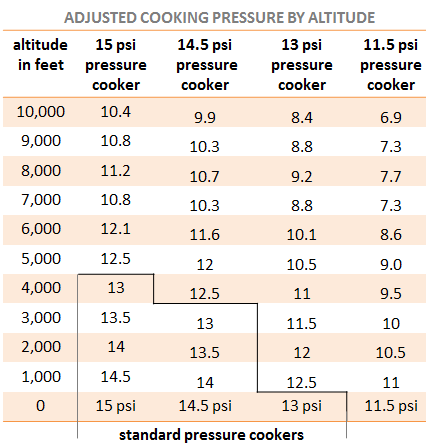
Choosing the wrong pressure setting ruins textures and extends cooking time. Tefal’s dual-pressure system requires precise valve positioning:
| Setting | Valve Position | Best For | Internal Temp |
|---|---|---|---|
| 1 (Vegetables) | Low | Fish, veggies, delicate grains | 111 °C |
| 2 (Meat) | High | Beef, poultry, frozen foods | 118 °C |
Critical mistake to avoid: Never set the valve to “2” for leafy greens or fish—it turns them to mush in seconds. For frozen chicken breasts, use “2” but reduce cooking time by 25%. Always start timing from the moment of first sustained hiss, not when you turn on the heat. If doubling ingredients, pressure-build time increases—but actual cooking time stays identical.
Heat-Up Sequence That Prevents Overcooking
- Maximum heat until steady hiss/whistle begins
- Immediately reduce heat to maintain gentle, rhythmic hiss
- Start timer only after consistent steam release
One extra minute at high pressure overcooks food—especially eggs or vegetables. Use a dedicated timer (not your phone) since pressure cooking is 3× faster than conventional methods.
Natural vs. Cold-Water Release: When to Use Each Method
Releasing steam incorrectly ruins meals and risks burns. Match the release method to your food type:
Natural Release for Tender Results
Turn the valve gradually to the steam pictogram. Use only for:
– Stews with meat chunks
– Beans and legumes
– Whole vegetables like potatoes
Takes 5–15 minutes depending on food volume. Never walk away—monitor the pin drop. This slow release prevents toughening meats while keeping vegetables intact.
Cold-Water Quick Release for Precision
Hold only the lid (not the pot) under cold running water, directing flow at the metal portion. Essential for:
– Rice and pasta
– Custards and cheesecakes
– Delicate fish
Stops cooking instantly to prevent mushiness. Warning: Never submerge the entire cooker—water entering valves causes corrosion. Always confirm the locking indicator pin is fully down before attempting to open.
Troubleshoot 5 Frequent Tefal Pressure Cooker Problems
Fix issues in under 60 seconds with these model-specific solutions:
No Pressure After 5 Minutes? Do This Now
- Verify heat is on high (gas flames should lick pot sides)
- Confirm ≥250 ml liquid is visible in the pot
- Check gasket isn’t twisted in its groove
- Ensure valve is aligned to “1” or “2” (not sealing position)
- Listen for lid “click” during closing
If still failing: Turn off heat, wait 10 minutes, then recheck all points. Never force the valve open.
Stop Steam Leaks Around the Lid Immediately
Lower the heat first—excessive heat is the culprit 90% of the time. If leaks persist:
– Reduce food volume below the ⅔ line
– Clean gasket seating track with vinegar-soaked cloth
– Replace gasket if cracks appear (do this annually)
Never ignore leaks: They indicate failed pressurization, extending cooking time and risking scorching.
3 Non-Pressure Cooking Modes: Steaming, Sautéing & Simmering
Maximize your Tefal’s versatility beyond pressure cooking:
Steaming Mode Without Pressure
Add ≤750 ml liquid, insert the steaming basket, and place food above water level. Perfect for:
– Vegetables (3–5 minutes)
– Dumplings (6 minutes)
– Hard-boiled eggs (6 minutes)
Key rule: Never fill liquid above the basket’s base—this causes boiling over.
Conventional Cooking Without Sealing
Remove the pressure lid and use the optional glass lid for:
– Sautéing onions or garlic before pressure cooking
– Simmering sauces uncovered
– Reducing liquids after pressure cooking
Never do these:
– Deep-fry under pressure (explosion risk)
– Put in oven (warps handles, voids warranty)
– Run dry (permanently damages thermal base)
Daily Cleaning & Annual Maintenance to Prevent Damage
Extend your cooker’s life by 10+ years with proper care:
After-Use Cleaning Protocol
- Pot & accessories: Wash in warm soapy water; stainless models are dishwasher-safe (top rack only)
- Lid: Hand-wash only—remove control module with coin-twist but never immerse timer
- Valves: Rinse under tap, verify free movement with cotton bud
- Gasket: Clean seating track; reinstall with “lid side” text facing up
Critical step: Always dry the gasket groove thoroughly—trapped moisture causes mold and warping.
Annual Maintenance Checklist
- Replace gasket every 12 months (note replacement date on lid)
- Tighten loose Torx handle screws with flat-head screwdriver
- Schedule professional safety check after 10 years of use
- For mineral stains: boil water + 2 tbsp bicarbonate of soda for 10 minutes
Storage tip: Invert the lid on the pot and fold handles down to prevent gasket distortion during storage.
5 Safety Systems That Prevent Tefal Pressure Cooker Accidents
Your cooker has five engineered fail-safes—understand them to cook fearlessly:
- Safe closing system: Blocks pressurization if lid is misaligned (locking pin stays down)
- Safe opening mechanism: Pin physically locks lid until all pressure releases
- Regulating valve: Maintains exact pressure automatically by venting excess steam
- Backup safety valve: Releases pressure if main valve clogs (activated at 1.2 bar)
- Gasket release path: Final escape route around lid edge if all else fails
Never disable these: Tampering with valves or gaskets voids all safety protections.
The 30-Second Pre-Cook Checklist for Safe Pressure Cooking
Run through these critical checks before every use:
- [ ] 250 ml liquid minimum visible in pot
- [ ] Food below ⅔ fill line (½ for rice/foamy foods)
- [ ] Gasket clean, text facing up, replacement date noted
- [ ] All valves moving freely with no obstructions
- [ ] Lid locked with pictograms aligned, pin clicked up
- [ ] Heat plan: max until hiss, then immediate reduction
- [ ] Timer ready (start timing at first sustained hiss)
Final note: When followed precisely, how to use Tefal pressure cooker transforms cooking from stressful to seamless. These protocols prevent 99% of common failures while unlocking faster, more flavorful meals. Bookmark this guide for your next cooking session—your perfectly timed beef stew or non-mushy rice awaits with zero guesswork.