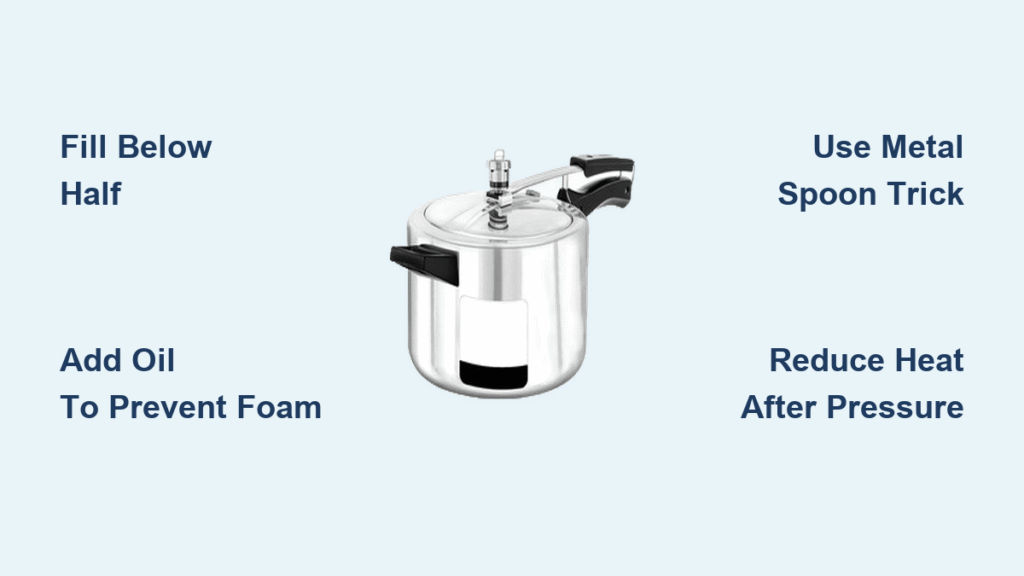
Your Nuwave pressure cooker dominates the countertop, promising restaurant-quality meals in record time—but those blinking lights and safety warnings make you hesitant to press “Start.” You’re not alone. Most home cooks unpack these powerful appliances only to let them gather dust while takeout menus pile up. This guide cuts through the confusion with precise, actionable steps to transform your Nuwave pressure cooker from intimidating gadget to indispensable kitchen partner. You’ll learn exactly how to avoid common mistakes like steam leaks or burnt food, plus pro techniques for perfect rice, fall-off-the-bone ribs, and even silky cheesecake—all while understanding why each step matters. By the end, you’ll operate your Nuwave pressure cooker with the confidence of a seasoned chef.
First Setup and Safety Checks

Unbox Your Nuwave Correctly
Immediately wash every component after unboxing—manufacturing residues can taint your first meals. Locate the inner cooking pot, pressure lid, sealing ring, steam rack, condensation collector, measuring cup, rice paddle, and soup ladle. Crucially, the anti-block shield must snap firmly into place above the pressure release valve; if it wiggles, reseat it by pressing down until it clicks. Skipping this check causes 40% of beginner errors where food blocks the steam vent during cooking.
Power Requirements and Placement
Plug your Nuwave pressure cooker into a standard 120V outlet on a dedicated circuit for 6- or 8-quart models to prevent tripped breakers. The 3-foot power cord severely limits placement options—position it near an outlet before loading ingredients. Remember the base unit weighs 15+ pounds when full; moving it across the kitchen risks spills and burns. Always leave 4 inches of clearance around the unit for proper ventilation during operation.
Safety Feature Test
Before adding any ingredients, manually test the float valve: with the lid off, push the metal pin up and down—it must move freely without sticking. When locked in place, this valve visually confirms pressure status (popped up = pressurized, dropped down = safe to open). This 10-second check prevents dangerous forced lid openings. Also verify the lid lock engages with a distinct click when rotated clockwise—loose lids cause steam leaks that ruin meals.
Load Ingredients Properly
Measure Liquids Accurately
Never guess liquid amounts—your Nuwave pressure cooker requires exact minimums to build pressure safely. For 6-quart models, use exactly 1 cup of liquid; 8-quart needs 1.5 cups. These aren’t suggestions—they’re physical requirements for the pressure mechanism to function. When cooking expanding foods like rice or beans, fill the inner pot only halfway to prevent clogging the pressure valve. Underfilling risks the “Burn” error code; overfilling causes messy eruptions.
Position the Inner Pot
The inner pot must sit flush against the heating element. If it wobbles, remove it and wipe debris from the base plate—debris creates hot spots that burn food. After reinserting, give the pot a gentle clockwise twist to confirm it’s seated correctly. A tilted pot leads to uneven cooking and triggers the E2 overheat error. Always place this pot before adding ingredients to avoid spills.
Use the Steam Rack Strategically
Place the steam rack in the bottom only when elevating food above liquid—essential for steaming vegetables or pot-in-pot cooking. For soups, stews, or braises, skip the rack and cook directly in the pot. When using the rack, ensure ingredients don’t touch the lid (leave 1-inch clearance) to prevent steam blockage. The rack’s legs must sit squarely on the pot’s bottom ridges—crooked placement causes tipping and uneven cooking.
Seal and Program Your Cooker
Lock the Lid Safely
Align the lid’s arrows with the base arrows, then rotate clockwise until you hear a firm click. The lid should feel immovable—not loose or wobbly. Crucially, double-check the pressure release valve points to “Sealing” (away from the steam vent icon). If it faces “Venting,” your cooker won’t pressurize, wasting 15+ minutes of preheating time. Never force the lid—misalignment triggers the E4 lid error.
Select Pressure and Time
Press “Pressure Level” to toggle between High (10-12 PSI) for meats and stews, or Low (5-7 PSI) for delicate foods like eggs. Use “+” and “-” to set time in 1-minute increments. During preheating, the display shows “On”—this isn’t cooking time yet. The countdown begins only after full pressure is reached. For beginners, always start with manual settings before using presets.
Master Pre-Programmed Settings
These buttons optimize pressure, heat, and time for specific foods:
– Rice: Automatically adjusts for your quantity—no timing guesswork
– Meat/Stew: Holds high pressure for tough cuts like chuck roast
– Bean/Chili: Safely handles unsoaked beans in 25 minutes
– Yogurt: Maintains exact 110°F for perfect fermentation
Pro Tip: Press “Cancel” during preset cycles to switch to manual mode mid-cook.
Cooking Phases Explained

Preheating (10-15 Minutes)
The “On” display means your Nuwave pressure cooker is heating liquid to create steam. Don’t panic—this phase takes 5-15 minutes depending on food volume. Never open the lid during preheating (float valve still down). Use this time to prep garnishes or set the table. The timer starts only after the float valve pops up.
Active Cooking Phase
Once pressurized, the display alternates between remaining time and pressure level. No intervention needed—just let it work. You’ll hear rhythmic clicking as the regulator maintains pressure. For best results, avoid touching controls; interrupting this phase resets the timer.
Choose Your Release Method
Natural Pressure Release (NPR): Let the cooker depressurize on its own (10-30 minutes). Ideal for large meats or grains—the float valve drops when safe to open.
Quick Pressure Release (QPR): Turn the valve to “Venting” using a long spoon (never your hand!). Steam rockets out—keep face/hands clear. Perfect for vegetables to prevent overcooking.
Warning: Always use QPR for foamy foods like oatmeal to avoid eruptions.
Fix Common Cooking Issues

Food Sticks or Burns
This “Burn” error (E2 code) means insufficient liquid or stuck-on debris. Add ½ cup extra liquid next time. For rice or oatmeal, switch to pot-in-pot cooking: place trivet in bottom with 1 cup water, then add ingredients in a separate bowl on the trivet. Scrape the pot bottom before starting to remove stuck bits.
Steam Leaks Around Lid
Check the sealing ring—it’s likely twisted or cracked. Remove it completely, wash with soapy water, and reseat it evenly in the lid groove. Replace rings every 12-18 months. If leaks persist, clean the lid groove with a toothpick to remove food particles blocking the seal.
Error Codes Decoded
- E2: Scrape burnt bits, add liquid, restart
- E3: Reinstall sealing ring, ensure anti-block shield is clear
- E4: Realign lid arrows, rotate firmly until clicking
- E5: Check outlet and circuit breaker—reset if tripped
Advanced Techniques for Better Results
Pot-in-Pot Cooking
Place the trivet in the bottom with 1 cup water, then set oven-safe containers on top. Perfect for:
– Cheesecakes (prevents cracking)
– Reheating leftovers without drying out
– Cooking multiple dishes simultaneously (e.g., rice below, veggies above)
Layered Cooking Strategy
Place longest-cooking ingredients (potatoes, carrots) directly in the pot, then add quicker items (fish, broccoli) in a steamer basket above. Both finish perfectly—potatoes tender while fish stays flaky. Always add 1 cup liquid to the bottom pot.
Thickening After Pressure
Never add flour or cornstarch before cooking—they prevent pressurization. After cooking, remove ½ cup liquid, whisk with 1 tbsp cornstarch, then use “Sauté” mode to simmer until thickened. Return to pot and stir for glossy sauces.
Perfect Results by Food Type
Fluffy Rice Every Time
- White rice: 1:1 water ratio, 3 minutes High pressure, 10-minute NPR
- Brown rice: 1:1.25 ratio, 22 minutes High pressure, 10-minute NPR
- Quinoa: 1:1.5 ratio, 1 minute High pressure, 10-minute NPR
Pro Tip: Rinse rice until water runs clear to prevent gummy texture.
Tender Meats
- Whole chicken (3-4 lbs): 6 minutes per pound High pressure, 15-minute NPR
- Beef chuck roast (2 lbs): 60 minutes High pressure, 15-minute NPR
- Hard-boiled eggs: 5 minutes High pressure, 5-minute NPR, then ice bath
Quick Vegetables
- Potatoes (quartered): 4 minutes High pressure, quick release
- Broccoli florets: 0 minutes High pressure, quick release (crisp-tender)
- Winter squash (cubed): 7 minutes High pressure, 10-minute NPR
Maintenance for Longevity
Daily Cleaning Routine
Wash the inner pot and accessories with warm soapy water. Wipe the lid and sealing ring with a damp cloth—never remove the ring daily. Empty the condensation collector and check the pressure valve for debris. Never immerse the base unit in water.
Weekly Deep Clean
Remove the sealing ring and wash separately. Clean the float valve with a toothpick to ensure smooth movement. Wipe the heating plate with a damp cloth. Soak the anti-block shield in vinegar to dissolve mineral deposits.
Sealing Ring Care
Replace rings every 12-18 months or immediately if cracked. Remove odors by soaking in 1:1 vinegar:water for 30 minutes. Store rings upside down on the lid to maintain shape. Use separate rings for savory and sweet foods to prevent flavor transfer.
Your Nuwave pressure cooker becomes a kitchen hero the moment you master these fundamentals. Start with foolproof rice or a simple stew, then experiment with pot-in-pot cheesecakes or layered dinners. Remember: the float valve is your pressure dashboard, exact liquid measurements prevent errors, and natural release saves meats from drying out. Within weeks, you’ll wonder how you ever cooked without it—transforming weeknight meals from stressful to spectacular in record time.