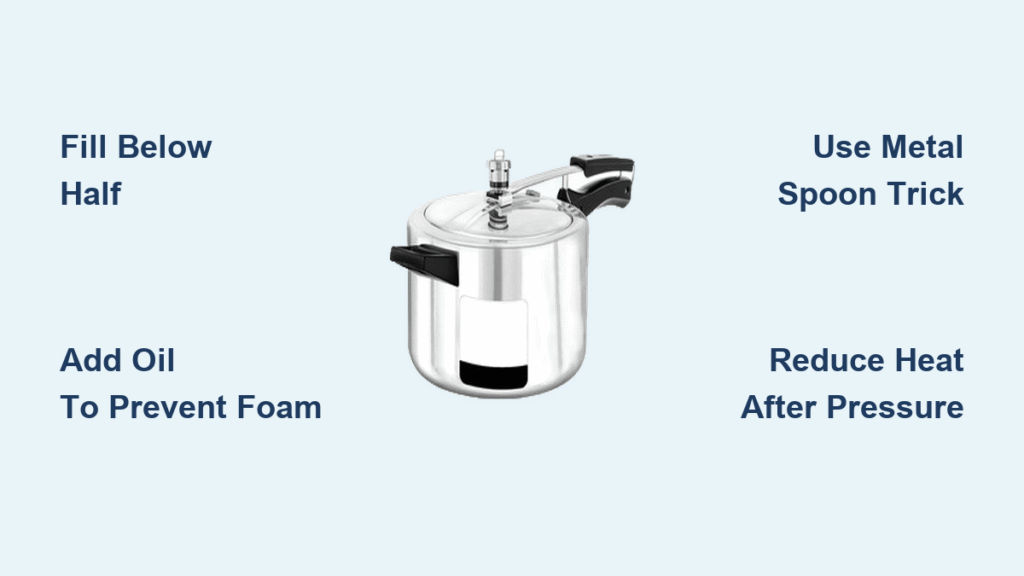
Your Midea MY-CH502A electric pressure cooker transforms tough cuts into tender meals in minutes, but knowing exactly how to use it safely makes the difference between culinary success and kitchen frustration. Whether you’re cooking fluffy rice or hearty stews, this guide walks you through every step—from your very first use to mastering advanced techniques. By the time you finish reading, you’ll confidently know how to use Midea pressure cooker features to create restaurant-quality meals with minimal effort.
Initial Setup and Safety Check
Unpack Essential Components
Remove the spoon, measuring cup, manual, and power cord from the box. Place the cooker on a stable, heat-resistant surface—not on newspaper, foam, or anything that could block the bottom vent. Your kitchen counter works perfectly, but keep it away from direct sunlight and water sources. Before you learn how to use Midea pressure cooker functions, ensure you have all accessories: inner pot, lid with gasket, measuring cup, spoon, and power cord.
Pre-Use Safety Inspection
Before each cooking session, examine three critical parts:
- Anti-block shield – Remove debris or food particles
- Float valve – Ensure it moves freely up and down
- Exhaust valve – Check it sits in the sealing position
Wipe the inner pot and heating plate with a damp cloth to remove dust or packaging residue. Never use the cooker if any components appear damaged or if the power cord shows wear. This simple inspection prevents 90% of common pressure cooking issues before they start.
Electrical Requirements
Plug your Midea pressure cooker into a 220-240V socket with a dedicated 13A fuse. Avoid extension cords or power strips—the cooker needs its own outlet to prevent overheating and ensure consistent performance. The unit draws 900W power for its 5.0L capacity, so sharing outlets could cause electrical issues that compromise safety.
Basic Cooking Process

Prepare Ingredients Correctly
Fill the inner pot between the MIN and MAX markings. For rice, use the provided measuring cup—never substitute with household cups. Always soak dry foods like beans or lentils for at least 30 minutes before cooking to prevent foaming that could clog valves.
Maximum capacity guidelines:
– Rice: 10 cups uncooked maximum
– Soups/stews: Fill to 4/5 capacity maximum
– Dry beans: Fill to 1/2 capacity maximum
Exceeding these limits risks safety hazards and poor cooking results. When preparing ingredients, remember that cooking time equals heating time plus your selected pressure-holding time—more food means longer heating time.
Set Function and Timer
Turn the power on—the “Power” indicator illuminates immediately. Rotate the timer knob to match your food type:
- White rice: 3-5 minutes pressure time
- Tough meats: 15-20 minutes pressure time
- Vegetables: 1-3 minutes pressure time
The cooker will automatically enter “Keep Warm” mode after cooking completes, maintaining food at 60°C-80°C. If you don’t need warming, unplug the unit to conserve energy.
Lock the Lid Securely
Align the lid arrows with the body markings, then rotate clockwise until you hear a click. The cooker won’t pressurize if the lid isn’t properly sealed. You’ll hear a soft “cluck” sound during operation—this is normal, not a malfunction. Never force the lid open while pressure builds; wait until the float valve drops completely.
Cooking Examples and Settings

Perfect White Rice Every Time
Use the provided cup for both rice and water measurements:
| Rice Amount | Water Needed | Cooked Yield |
|---|---|---|
| 1 cup | 1.5 cups | 2 cups |
| 4 cups | 5 cups | 8 cups |
| 10 cups | 13.5 cups | 20 cups |
Pro tip: After cooking completes, wait 10 minutes before opening. This resting period allows rice to absorb excess moisture for fluffy results. For even better texture, place a circle of non-stick baking paper at the bottom of the inner pot before adding rice.
Master the STIR FRY Function
The STIR FRY setting serves dual purposes—browning ingredients before pressure cooking and reducing excess liquid afterward. Always remove the lid when using this function to prevent pressure buildup.
For browning meats:
1. Pat meat dry with paper towels
2. Add 1 tablespoon oil to the inner pot
3. Select STIR FRY for 5-7 minutes
4. Stir occasionally until golden brown
For sauce reduction:
After pressure cooking, remove the lid and select STIR FRY for 10-15 minutes. Add a cornstarch slurry (1 tablespoon cornstarch mixed with 2 tablespoons cold water) to thicken sauces naturally.
Safe Pressure Release Methods
Natural Release Technique
Let the cooker depressurize naturally—this takes 10-15 minutes. The float valve drops automatically when pressure subsides. This method works best for rice, beans, and large cuts of meat that benefit from continued cooking. During natural release, the “cluck” sound you hear is normal operation, not a malfunction.
Quick Release for Vegetables
For delicate foods that overcook easily:
1. Turn the exhaust valve to “Release” using a wooden spoon (never your hand)
2. Steam shoots out forcefully—keep face and hands away
3. Wait for the float valve to drop before opening
Safety warning: Never force the lid open. The safety eye (pressure-visual valve) rises when pressure builds and drops when safe to open. If it doesn’t drop, pressure remains inside. Forcing the lid could cause serious burns from escaping steam.
Cleaning and Maintenance Routine
Daily Cleaning Steps
After every use and once completely cool:
1. Unplug the cooker
2. Remove the inner pot and wash with mild detergent
3. Clean the lid, gasket, and valves with warm water
4. Wipe the cooker body with a damp cloth—never immerse
Pay special attention to the gasket groove where food particles hide. A clean gasket ensures proper sealing for your next cooking session. Never use abrasive cleaners that could damage the non-stick coating.
Weekly Deep Clean
Once weekly, disassemble these components:
– Anti-block shield – Pop out and rinse under running water
– Float valve – Remove and clean with a soft brush
– Exhaust valve – Take apart and clear any food debris
Check the gasket for cracks or wear—replace if it appears damaged or fails to seal properly. Proper maintenance extends your cooker’s life and prevents 80% of common issues users face when learning how to use Midea pressure cooker features.
Troubleshooting Common Issues
Lid Problems
Won’t close: Check gasket positioning—it should sit flat in the groove. Realign if twisted.
Won’t open: Ensure pressure has fully released. Press the float valve gently with chopsticks if stuck. If the push rod is jammed by the float valve, lightly push it with your hand.
Cooking Issues
Rice too hard: Add 1/4 cup more water next time. Ensure you’re using the provided measuring cup.
Rice too soft: Reduce water by 1/4 cup. Avoid lifting the lid during cooking.
Steam leaks: Clean the gasket thoroughly—food residue prevents proper sealing. If leaks persist, replace the gasket.
When to Seek Service
Stop using your cooker and contact Midea service if you notice:
– Power cord damage or overheating
– Burnt smells during operation
– Electrical shocks or unusual sounds
– Pressure control failure
Never attempt to repair internal components yourself—this voids your warranty and creates serious safety risks.
Advanced Tips for Better Results
Your Midea pressure cooker becomes more intuitive with each use. Start with simple rice and gradually progress to complex recipes as you master the timing and techniques. Remember—always prioritize safety over speed, and your cooker will deliver consistent, delicious results for years to come.
Final reminder: Register your warranty immediately and keep your purchase receipt. The one-year warranty covers manufacturing defects but excludes damage from improper use or maintenance. When you properly learn how to use Midea pressure cooker features, you’ll transform weeknight meals from stressful to spectacular with minimal effort.