
Your Instant Pot isn’t just a pressure cooker—it’s a slow cooker that can replace your bulky crockpot while delivering deeper flavors and saving counter space. Many home cooks waste this powerful function because they treat it like a traditional slow cooker without adjusting for its unique sealed environment. This guide reveals exactly how to use Instant Pot as slow cooker to create fall-apart meats, creamy stews, and perfectly cooked beans—without soggy disasters or undercooked beans. You’ll learn the critical sauté-first technique, precise liquid adjustments, and temperature hacks that make your Instant Pot outperform any standalone slow cooker.
Configure Your Instant Pot for Slow Cooking in 4 Critical Steps
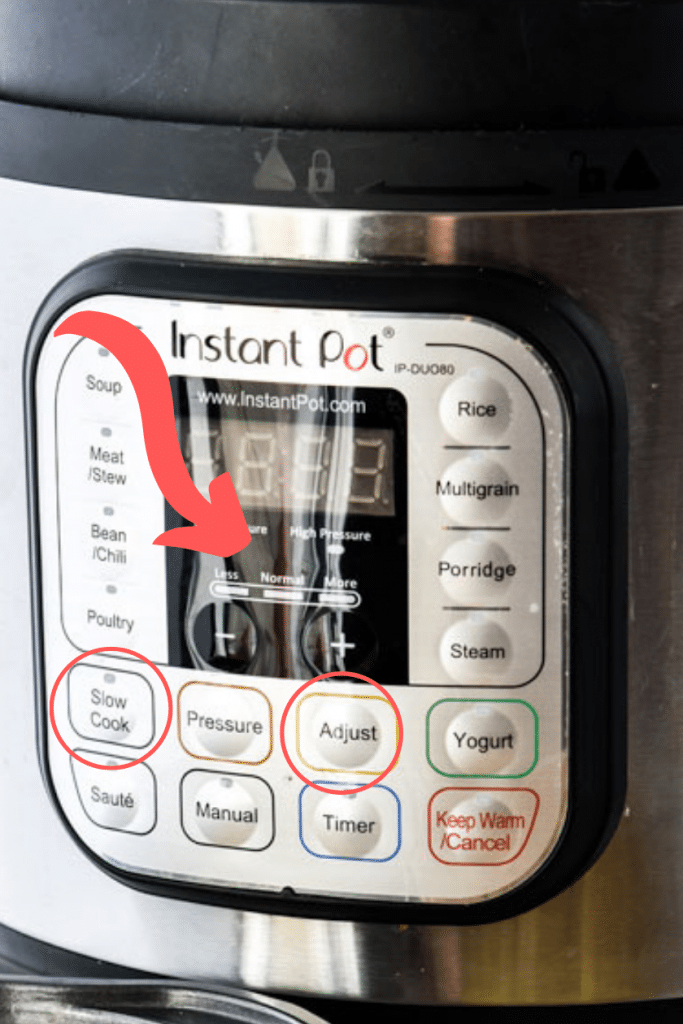
Skip this setup and you’ll battle inconsistent results or accidental pressure cooking. Start by placing ingredients directly into the stainless steel insert, never exceeding the ⅔ fill line for foods that expand like beans or grains. Press the “Slow Cook” button, then use “Adjust” to select your temperature: Less (Low), Normal (Medium), or More (High). Set time with “+” and “-“ buttons—most recipes need 4-8 hours. Crucially, position the steam release valve in “Venting” (not Sealing) to prevent pressure buildup while retaining moisture.
Why Valve Position Determines Your Dish’s Success
Leaving the valve in “Sealing” mode accidentally triggers pressure cooking—ruining delicate slow-cooked textures. The venting position allows gentle steam escape while maintaining the moist environment slow cooking requires. If monitoring progress is essential, test your existing glass pot lids before buying accessories; many standard lids fit perfectly over the Instant Pot base for visual checks without heat loss.
Never Skip the Sauté-First Method for Restaurant-Quality Depth
This single technique transforms bland slow cooker meals into complex masterpieces by addressing the Instant Pot’s slower temperature ramp-up. Traditional slow cookers start hot immediately, but Instant Pots take 15-20 minutes to reach target temps—letting ingredients sit in unsafe zones. The sauté-first method solves this while building flavors impossible in crockpots:
- Heat 2 tbsp oil on “Sauté” mode for 2 minutes
- Cook onions, garlic, and carrots for 5-6 minutes until softened
- Bloom spices (like cumin or paprika) in the oil for 30 seconds
- Brown tomato paste or meat for 2-3 minutes until caramelized
- Add remaining ingredients and bring to a simmer
- Cancel sauté mode and secure lid with valve in “Venting”
This preheating ensures food enters the safe temperature zone immediately while creating Maillard reaction compounds that traditional slow cookers miss. The result? Stews with layered umami instead of flat, boiled flavors.
Choose Between Less, Normal, and More Settings Like a Pro
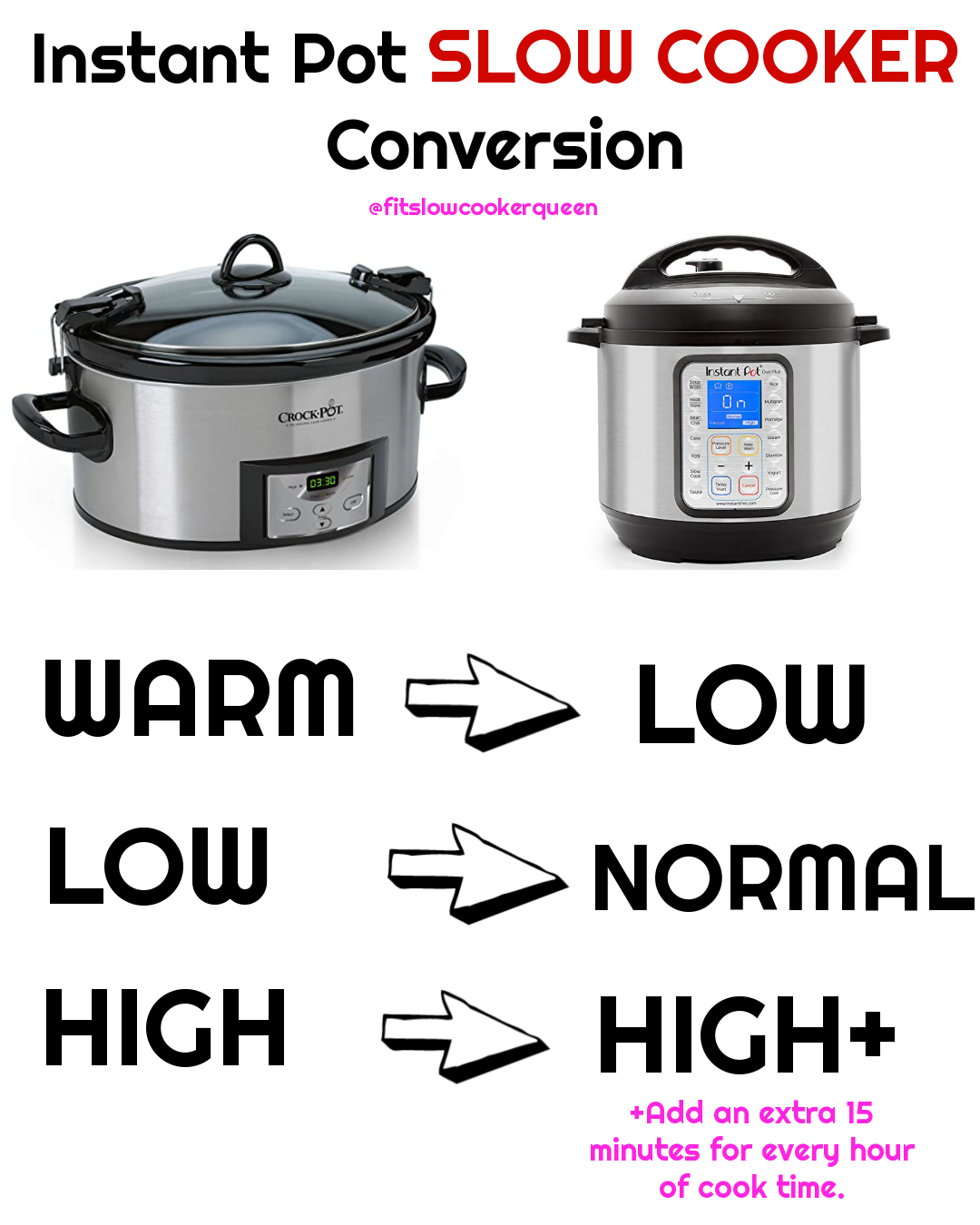
Your Instant Pot’s three temperature settings don’t map directly to traditional slow cookers due to its bottom-focused heating element. Understanding these differences prevents tough meats or mushy vegetables:
- Less/Low (185°F): Ideal for overnight steel-cut oats or delicate poached pears. Cooks 25% faster than crockpots—check 1-2 hours early.
- Normal/Medium (200°F): The sweet spot for most soups, chilis, and chicken dishes. Use for butter chicken or mushroom congee.
- More/High (215°F): Essential for tough cuts like chuck roast or unsoaked pinto beans (4 hours). Avoid for fish or dairy-based sauces.
How to Adjust Timing for Foolproof Results
Expect 25% faster cooking than traditional slow cookers due to the sealed environment. Start checking tenderness at 75% of the original recipe time. For dried beans: unsoaked black-eyed peas need 8+ hours on Normal, while pre-soaked beans cook in 3 hours on More. Always factor in the 15-20 minute preheat time when calculating meal readiness.
Fix Watery or Dry Dishes With Liquid Adjustments
The Instant Pot’s near-zero evaporation rate is its superpower—and its biggest pitfall. Traditional slow cooker recipes drown when transferred directly into this sealed system. Here’s how to adapt:
The Liquid Goldilocks Rule
- First adaptation: Use original recipe liquid amounts but expect richer, less watery results
- Second adaptation: Reduce liquids by ¼ cup per serving (e.g., 1 cup less for 4-serving recipes)
- Emergency fix: If dishes are too watery after cooking, press “Sauté” for 5-10 minutes uncovered to reduce
Never fill beyond the ½ line for liquid-heavy dishes like soups. For bean recipes, maintain at least 1 cup liquid per pound of beans to prevent burn errors. Grated carrots (instead of sliced) add natural sweetness without excess water release.
Top 3 Instant Pot Slow Cooker Recipes That Actually Work
Forget failed experiments—these dishes leverage the Instant Pot’s unique strengths. Start with these foolproof winners before branching out:
- Beef and Chickpea Stew: Brown chuck roast chunks first, then cook 7 hours on More with 2 cups broth (not 3). The sealed environment concentrates tomato and spice flavors while keeping chickpeas intact. Finish with fresh cilantro and lemon juice.
- Butter Chicken: Sauté onions until golden, then slow cook 6 hours on Normal. The gentle heat melds spices without curdling the yogurt sauce—a common crockpot failure.
- Mushroom Congee: Combine arborio rice and broth for 5 hours on Less. The controlled steam creates creamier texture than traditional methods without constant stirring.
What to Avoid: 3 Instant Pot Slow Cooker Disasters
- Baking recipes (like cakes or cobblers): The small heating surface causes uneven rising
- Unsoaked dried beans: Timing inconsistencies lead to hard centers—substitute cooked beans and reduce liquid by 1 cup
- Rice or pasta dishes: Starch release creates gluey textures; use pressure cooking mode instead
Troubleshoot Dry Meat and Undercooked Beans in 2 Minutes
When your pot roast turns out tough or beans stay hard, these fixes take seconds:
Dry Meat Emergency Kit
- Check liquid levels: Less than 1 cup liquid for meat dishes causes dryness
- Add ½ cup broth through the steam vent
- Press “Sauté” for 5 minutes to redistribute moisture
- Switch to More setting for 30-60 minutes
Undercooked Bean Rescue
- Add boiling water to cover beans by 1 inch
- Set to More for 1 hour
- Check every 15 minutes (beans cook rapidly once rehydrated)
Critical warning: Never add cold liquid to hot pots—it can crack the inner steel. Always use warm or boiling additions.
Prep Tonight’s Dinner While You’re at Work: Safe Slow Cooking
The “set it and forget it” promise works perfectly with Instant Pot’s slow cook function—but only with these safety protocols. Unlike traditional slow cookers that keep food at unsafe temperatures for hours, the sauté-first method brings food to 140°F within 20 minutes. Place prepped ingredients in the refrigerator overnight in the stainless insert, then:
- Snap the cold insert into the base before leaving home
- Press “Slow Cook” > “More” > “+” to set 6-8 hours
- Confirm valve is in “Venting” position
- Walk out the door—your meal cooks safely while you work or run errands
Pro tip: For yogurt or delicate dishes, skip the sauté step but never leave unattended for more than 4 hours on Low.
Maintain Your Instant Pot After Slow Cooking
Prevent lingering odors and ensure longevity with this 3-minute routine:
– Immediately after cooking: Remove the sealing ring and wash with soapy water (never dishwasher)
– Store two rings: One for savory dishes, one for sweet (like oatmeal)
– Clean steam valve: Use a toothpick to clear food particles from the anti-block shield
– Wipe condensation cup: Empty after every use to avoid mold
Your Instant Pot will deliver flawless slow cooking for years when you maintain separate rings and clean the valve after each use. The glass lid (if purchased) doubles as a serving dish—store it inside the pot to save space.
Stop treating your Instant Pot like a pressure cooker only. By mastering the sauté-first method, precise liquid adjustments, and temperature settings, you’ll create slow-cooked meals with deeper flavors than any crockpot can produce. Start tonight with beef and chickpea stew—brown the meat, set to More for 7 hours, and discover why your old slow cooker belongs in the donation pile. The secret isn’t just convenience; it’s the unmatched flavor complexity that comes from building layers of taste in one seamless process. Your countertop (and your taste buds) will thank you.