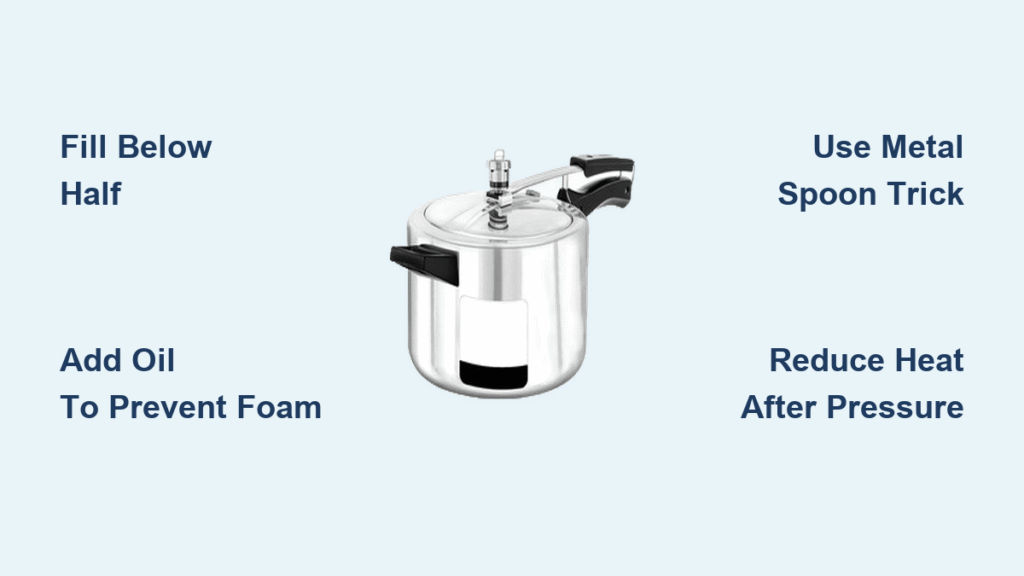

Your new Black + Decker 6-quart pressure cooker can transform tough cuts of meat into tender perfection in under an hour—something that would take all day in your oven. This versatile countertop appliance combines seven cooking functions into one compact unit, but mastering how to use Black and Decker pressure cooker requires understanding its unique operation. From preventing dangerous steam burns to decoding those confusing error codes, this guide gives you everything you need to cook safely and effectively with your PR100 model. Whether you’re preparing weeknight dinners or weekend feasts, these step-by-step instructions will help you avoid common pitfalls and get restaurant-quality results every time.
First-Time Setup Essentials for Your Black + Decker Pressure Cooker
Unboxing and Initial Inspection
Remove all packaging materials, including the thin protective film covering the control panel. Carefully inspect the power cord for any kinks, frays, or exposed wires—if you spot damage, contact Black + Decker immediately rather than risking electrical hazards. Place your pressure cooker on a stable, heat-resistant surface at least 6 inches from walls or cabinets to ensure proper ventilation. Position the unit so the steam release valve faces away from you during operation, creating a safe path for escaping steam.
Component Assembly Checklist
Before using your Black and Decker pressure cooker for the first time, verify all components are correctly assembled:
- Inner pot: Non-stick aluminum with a clearly marked MAX fill line—never exceed this level
- Sealing ring: The removable silicone gasket that creates the pressure seal (check for proper seating)
- Steam release valve: This directional vent switches between “Sealing” and “Venting” positions
- Float valve: The small metal pin that rises when pressurized and drops when safe to open
- Carry handles: Side-mounted handles for transport—use only when the unit is completely cool
Wash all removable parts in warm, soapy water before first use. Dry the inner pot thoroughly—water droplets can trigger false “burn” warnings during cooking. Proper assembly prevents dangerous steam leaks and ensures your pressure cooker functions correctly.
Safety Rules That Prevent Kitchen Disasters
Critical Pre-Cooking Checks
Never operate your Black and Decker pressure cooker with less than 1 cup of liquid in the pot. The PR100’s fixed high pressure requires sufficient steam to function—insufficient liquid can damage your cooker and ruin your meal. Always check that the sealing ring sits flat in its groove without twists or kinks; a misaligned ring causes steam leaks and prevents proper pressure buildup. Never fill beyond the MAX line—overfilling creates dangerous pressure conditions that could lead to serious burns.
Pressure Release Protocols You Must Know
Natural Release: Wait 10-15 minutes after cooking for pressure to drop naturally. Use this method for meats, beans, and starchy foods to prevent toughening and texture problems. The float valve will drop when pressure is fully released.
Quick Release: Carefully turn the steam valve to “Venting” using oven mitts. Expect vigorous steam—keep your face and hands clear. This method is ideal for vegetables and delicate foods that continue cooking from residual heat.
Emergency Protocol: If the float valve refuses to drop after 20 minutes, unplug the unit and wait. Never force the lid open while pressurized—this creates an immediate burn hazard.
Master the Control Panel in Under 5 Minutes
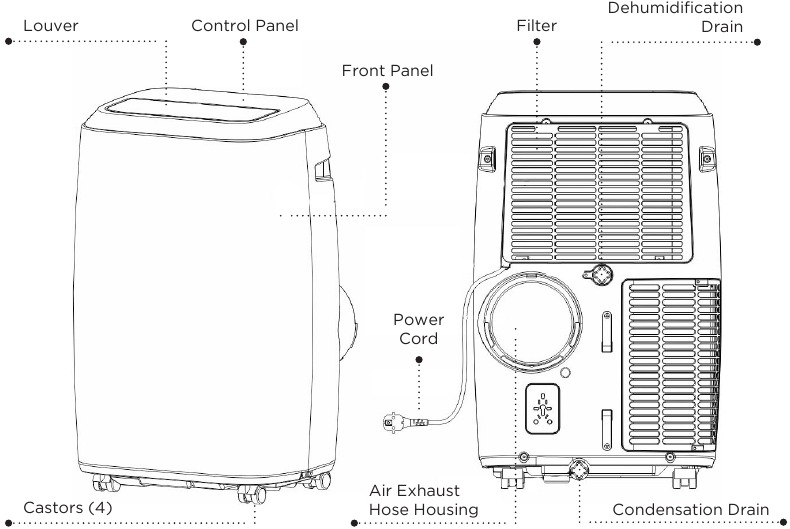
Button Functions Explained
Your Black and Decker pressure cooker offers nine preset functions:
- Rice: 22-minute automatic cycle for perfect white or brown rice
- Soup/Stew: Extended cycles for liquid-based dishes
- Meat/Poultry: Optimized for tough cuts requiring tenderization
- Bean/Chili: Perfect for dried legumes and hearty chili
- Steam: Pressure-free steaming for vegetables and fish
- Sauté/Browning: Single-temperature searing function
- Slow Cook: High/Low settings for traditional slow cooking
- Keep Warm: Maintains temperature after cooking completes
- Delay Start: Programs cooking to begin at a set time
Programming Your First Meal Successfully
- Add ingredients plus minimum 1 cup liquid to the inner pot
- Secure the lid by aligning arrows and turning clockwise until you hear a click
- Verify the steam valve is in “Sealing” position
- Select your cooking function (e.g., “Meat/Poultry”)
- Adjust time using “+” and “-” buttons as needed
- Press “Start”—the display shows rotating dashes during pressurization
- Cooking countdown begins once pressure is reached (typically 10-15 minutes)
Fix Common Cooking Mistakes Before They Ruin Your Meal

Food Sticking and Burning Solutions
Problem: Burnt layer forming on the pot bottom
Solution: After sautéing, deglaze with ¼ cup liquid while scraping browned bits. Ensure total liquid meets the minimum 1-cup requirement before starting pressure cooking. Always stir ingredients well before sealing the lid.
Undercooked Tough Cuts Troubleshooting
Problem: Brisket still chewy after the recommended cooking time
Solution: The PR100 often needs 2-3 cycles for large cuts. Add 10-minute increments until fork-tender, allowing natural release between cycles. For a 3-lb brisket, plan for at least 75 minutes of active pressure time.
Mushy Rice or Overcooked Vegetables Prevention
Problem: Texture breakdown from excessive cooking
Solution: Reduce programmed time by 20-30% for delicate foods. Use quick release immediately after the cycle completes to prevent carryover cooking. For vegetables, steam function often works better than pressure cooking.
Clean Like a Pro: Maintenance That Extends Your Cooker’s Life
Daily Cleaning Routine
Unplug and allow your Black and Decker pressure cooker to cool completely before cleaning. Remove the inner pot, sealing ring, and steam release valve—wash these in warm, soapy water with a non-abrasive sponge. Never use steel wool or harsh cleaners on the non-stick surfaces. Clean the base unit exterior with a damp cloth only; never immerse electrical components in water.
Deep Cleaning Schedule
- Sealing ring: Remove and clean after every use to prevent odor retention
- Steam release valve: Disassemble monthly, soak in warm soapy water
- Float valve: Check weekly for food particles
- Control panel: Wipe with a barely damp cloth, avoiding moisture seepage
Store your pressure cooker with the lid inverted on the base to prevent sealing ring compression, which extends ring life and prevents pressure leaks.
Decode Error Messages Fast
E1 Code Solutions
Meaning: Temperature sensor malfunction
Fix: Unplug for 30 seconds, then restart. If the error persists across multiple uses, contact Black + Decker warranty service with your proof of purchase.
Display Flickering Troubleshooting
Cause: Poor electrical connection or outlet grounding
Solution: Try a different grounded outlet, ensuring the 3-prong plug is fully inserted. Electrical interference from other appliances can also cause this issue.
No Display at All Checks
Verify the power cord connection at both ends, test the outlet with another appliance, and check your circuit breaker. If these basic checks don’t resolve the issue, contact customer service.
Pro Tips for Better Results Every Time
Batch Cooking Guidelines
Fill no more than 2/3 full for grains and legumes—rice expands dramatically under pressure. Never exceed the 6-quart total capacity including both food and liquid. For foods that foam (pasta, beans), fill only 1/2 full to prevent clogging the steam release valve.
Dual-Stage Cooking Method
Use the sauté function first for browning meats and aromatics. Deglaze the pot with liquid, then switch directly to pressure cooking without removing food. This builds deeper flavors while saving cleanup time and preventing burn notices.
Timing Adjustments for Special Conditions
- Frozen meat: Add 50% more cooking time
- High altitude: Add 5% time per 1,000 feet elevation
- Dense vegetables: Cut into uniform pieces for even cooking
Final Safety Reminders for Stress-Free Cooking
Never leave your Black and Decker pressure cooker unattended during pressure release—the process takes 10-15 minutes and requires monitoring. Keep children and pets away from the steam release valve at all times. Always verify the float valve has dropped before attempting to open the lid—forcing a pressurized lid open risks serious burns. Use natural release for meats to prevent toughening, and quick release for vegetables to maintain texture.
Your Black + Decker pressure cooker transforms meal prep from hours to minutes once you master these fundamentals. Start with simple recipes like white rice or chicken breast to build confidence, then experiment with complex dishes. The PR100’s fixed high pressure and limited presets actually simplify cooking—once you understand its rhythm, you’ll wonder how you managed without it. With proper care and these practical techniques, your pressure cooker will deliver restaurant-quality meals safely for years to come.