You’re standing in your kitchen, timer just beeped, and now you’re staring at your pressure cooker wondering exactly how to turn it off without creating a disaster. Whether you’re using a vintage stovetop model or a modern electric Instant Pot, knowing how to properly shut down your pressure cooker is crucial safety knowledge that separates a perfect meal from a kitchen catastrophe. This isn’t just about flipping a switch—it’s about understanding the science of pressure release to protect yourself and your dinner.
If you’ve ever hesitated before turning that pressure release valve or wondered why your lid won’t open even after cooking time ends, you’re not alone. Millions of home cooks struggle with pressure cooker shutdown procedures, often making critical mistakes that compromise safety. In this guide, you’ll learn exactly how to turn off pressure cooker models correctly, recognize when it’s safe to open, and avoid common errors that could lead to burns or damaged food.
Stop Heat Source First
Your absolute first action when turning off a pressure cooker is always to remove the heat source. For stovetop models, rotate the burner knob to “off” immediately after the cooking time completes—don’t wait, don’t check the clock again. Electric pressure cookers like the Instant Pot automatically stop heating when the timer ends, switching to “Keep Warm” mode instead. But don’t assume it’s safe just because the heat stopped; pressure remains trapped inside until properly released.
Never skip this critical step. The heat source maintains internal pressure, so removing it begins the depressurization process regardless of which release method you’ll use next. Trying to release pressure while the cooker is still heating creates dangerous steam buildup that could force your release valve to malfunction. Whether you’re cooking beef stew or hard-boiled eggs, heat removal comes before any other shutdown action.
Natural Pressure Release Method
Natural pressure release (NPR) lets your cooker depressurize gradually as the contents cool, using residual heat to finish cooking while pressure drops safely. This hands-off approach typically takes 10-30 minutes depending on your recipe’s volume and ingredients, making it perfect when you can step away while dinner finishes.
When Natural Release Works Best
Choose natural release for these specific cooking scenarios:
– Soups and stews – prevents ingredient splattering and allows flavors to meld
– Tough cuts of meat – continues tenderizing through residual heat without overcooking
– Beans and legumes – prevents split skins and foam overflow that plagues quick release
– Large volumes – handles full pots more efficiently than manual release
Three-Step NPR Process
Step 1: After turning off heat, leave the cooker completely undisturbed. Don’t move it, don’t touch the valve, and definitely don’t try to peek inside—any disturbance risks interrupting the natural pressure drop.
Step 2: Watch the pressure indicator – this floating pin or valve will gradually descend as pressure decreases. Timing varies significantly:
– 10-15 minutes for small volumes (1-2 cups liquid)
– 20-25 minutes for standard soups and stews
– 30+ minutes for large cuts of meat in substantial liquid
Step 3: Open safely once the indicator has fully dropped. Always tilt the lid away from your face as residual steam may escape even after complete depressurization.
NPR Success Indicator
You’ll know natural release is complete when:
– The pressure indicator sits flush with the lid surface
– No hissing sounds emerge from the valve for at least 30 seconds
– The lid turns easily without resistance when you attempt to unlock it
Quick Pressure Release Technique
Quick pressure release (QPR) rapidly vents steam through the release valve, dropping pressure in just 1-3 minutes. This method stops cooking immediately, making it ideal when timing is critical—but it requires careful execution to avoid steam burns.
Quick Release Best Uses
Reserve QPR for these specific situations:
– Vegetables – prevents mushy texture by halting cooking instantly
– Seafood – stops overcooking delicate proteins like salmon or shrimp
– Rice and grains – maintains separate, fluffy grains without becoming gummy
– When speed matters – fastest path to serving when you’re short on time
Safe Quick Release Steps
Position yourself correctly: Stand to the side of the pressure valve, never directly above it—steam travels upward at scalding temperatures.
Activate release: Move the valve to “venting” using the handle of a wooden spoon or oven mitt to keep hands safely distant from steam.
Manage the steam burst: Expect forceful steam for 30-60 seconds that gradually tapers off. Keep face and arms clear throughout the process.
Wait for complete decompression: Even after steam stops, wait for the pressure indicator to drop fully before attempting to open the lid.
Electric Cooker Auto-Shutdown Features

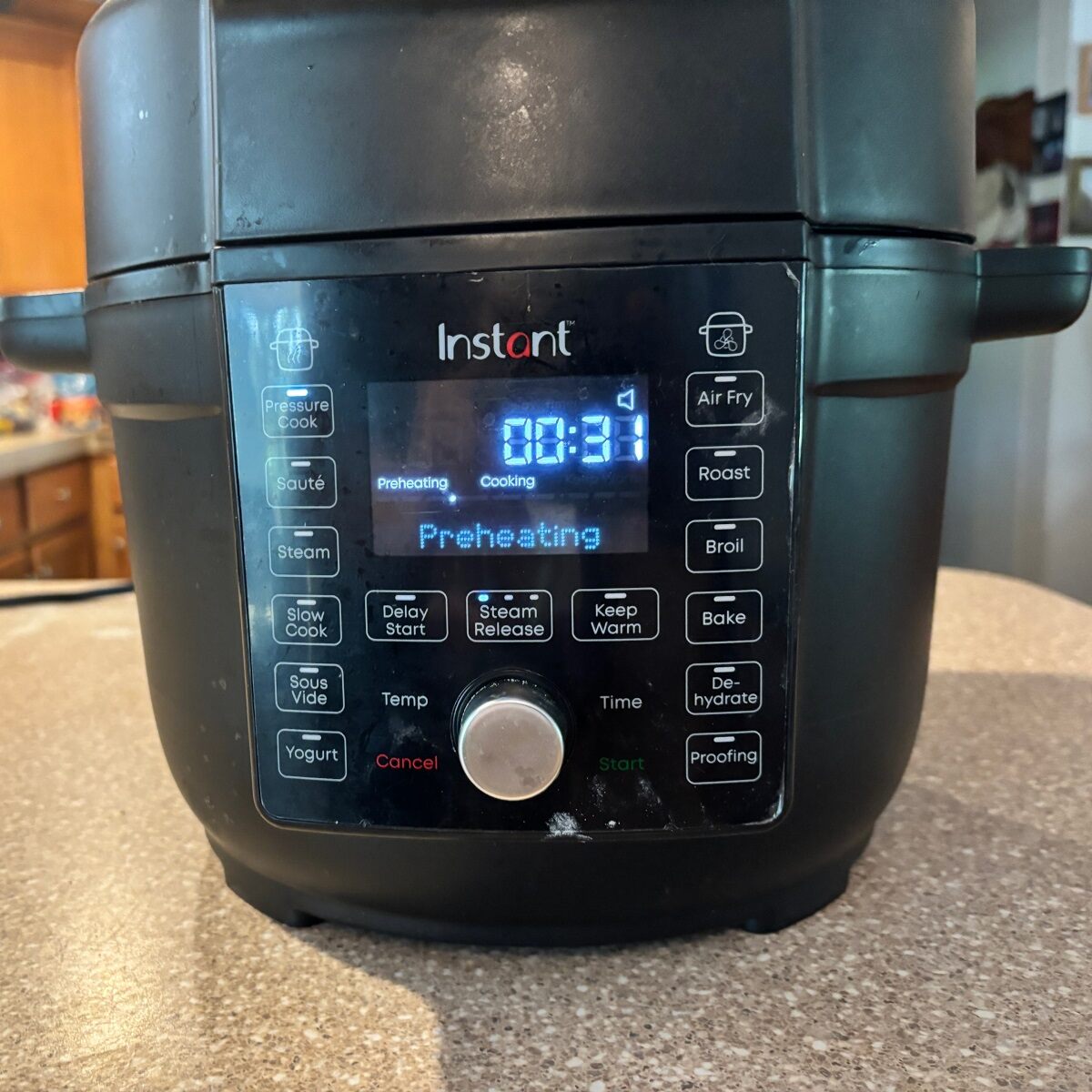
Instant Pot and similar electric models revolutionize shutdown safety with built-in automation. When cooking time ends, these devices automatically stop heating and transition to “Keep Warm” mode—no manual intervention required. This eliminates the risk of forgetting to turn off your heat source, a common mistake with stovetop models.
Safety Systems That Prevent Accidents
- Overheat protection – automatically cuts power if temperature exceeds safe limits
- Pressure sensors – continuously monitor internal pressure to prevent unsafe operation
- Lid detection – won’t heat unless the lid is properly secured and locked
- Thermal fuse – ultimate safety backup that completely disconnects power if other systems fail
Critical Safety Mistakes to Avoid
Never Force the Lid
Forcing a pressure cooker open before complete depressurization creates explosive hazard conditions. Always verify the pressure indicator has fully dropped before attempting to open—your safety depends on this simple check.
Maintain Clear Workspace
Keep children and pets at least 3 feet away during pressure release. Quick release steam can cause severe burns, and the loud hissing may startle pets into knocking over your cooker.
Clean Vent Valves Regularly
A clogged pressure release valve compromises your entire safety system. After each use, remove and rinse the valve under warm water, checking for food debris that could block steam release. Use a toothpick to clear any stubborn obstructions in the valve holes.
Equipment-Specific Shutdown Differences
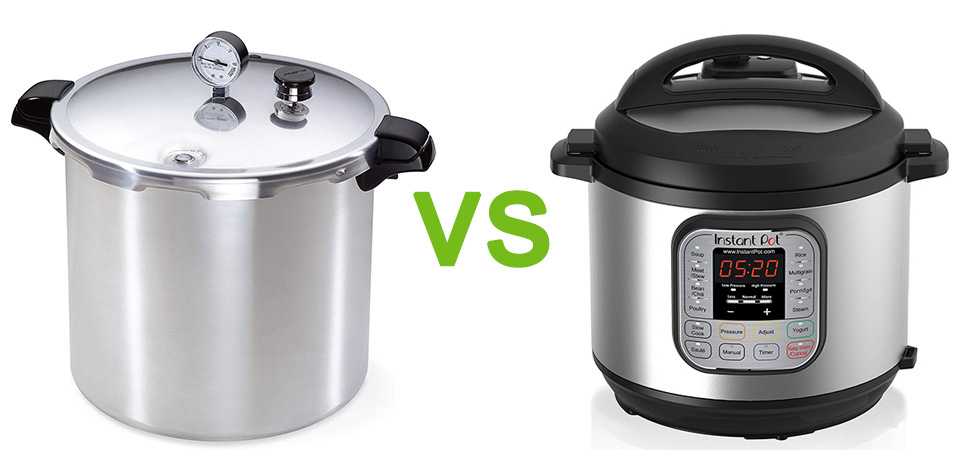
Stovetop Models Require Manual Intervention
- Heat removal is manual – you must turn off the burner or move the cooker
- Physical valve operation – requires manual turning or lifting for quick release
- Cooling options – some models allow placing in sink with cold water for faster release (check manufacturer guidelines)
Electric Pressure Cookers Simplify Shutdown
- Automatic heat cessation – no manual shutoff needed when timer ends
- Digital indicators – screen clearly shows pressure level and release status
- Keep Warm transition – maintains food temperature without continuing to cook
- Manual release still required – unless using natural release setting
Post-Shutdown Best Practices
Immediate Next Steps After Opening
- Verify complete release – double-check indicator position before opening
- Open safely – tilt lid away from face and body
- Check food temperature – ensure safe serving temperature (165°F for meats)
- Allow cooling time – let the cooker rest 15-20 minutes before cleaning
Essential Maintenance After Every Use
Clean the pressure valve immediately while food residue is still soft. Remove the valve and rinse under warm water, using a toothpick to clear any blocked holes.
Inspect the sealing ring for cracks, warping, or food buildup. A damaged ring prevents proper sealing and creates serious safety hazards.
Store with lid inverted on the pot rim to prevent odor retention and allow complete drying of the sealing ring.
Check vent pipe by running a pipe cleaner through the opening to ensure no obstructions remain.
Master these shutdown techniques and you’ll handle any pressure cooker with confidence. Remember: remove heat first, choose your release method based on what you’re cooking, and always verify complete pressure release before opening. Your perfectly cooked meals—and your kitchen ceiling—will thank you.