Your curry needs 45 minutes on the stove, but dinner guests arrive in 20. A pressure cooker slashes cooking time by ⅓ while locking in nutrients—yet choosing the wrong model means wasted money or safety risks. With stovetop vs electric options, confusing capacity charts, and safety features that vary wildly, how to select a pressure cooker becomes overwhelming fast. This guide cuts through the noise with actionable steps to match your cooking habits, kitchen setup, and budget—so you never second-guess your purchase again.
Pressure cookers work by trapping steam to raise water’s boiling point to 250°F (121°C) at 15 psi, accelerating heat transfer dramatically. They’re indispensable for high-altitude cooking, energy efficiency, and versatile one-pot meals—from legumes to pressure canning. But before you buy, let’s pinpoint your exact needs using proven criteria from safety engineers and culinary experts.
Match Your Cooking Style: Stovetop vs Electric vs Multi-Cooker
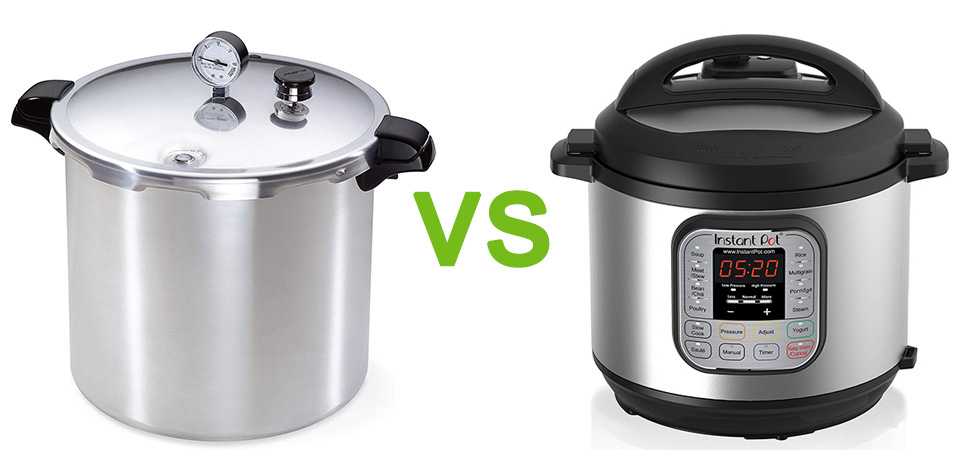
Stovetop pressure cookers put you in full command with manual heat control. Their all-metal construction lasts decades and doubles as a stockpot when depressurized. Ideal for traditional recipes requiring precise timing (like Indian curries or French pot roasts), they must withstand ≥15 psi and work on any stove type. Skip this if you hate monitoring pots—stovetop models demand active supervision.
Electric programmable models shine for busy schedules. Digital timers, rice presets, and automatic keep-warm functions let you dump ingredients and walk away. They don’t hog stovetop space and regulate pressure internally via thermostats—perfect for weekday meals when you’re juggling work and family. Avoid if you prioritize speed; electric units heat slower than stovetop.
Multi-cookers (like Instant Pot) maximize versatility in small kitchens. One device pressure-cooks, slow-cooks, steams, sautés, and even makes yogurt. Check for 10+ presets and ≥1,000 watts for reliable performance. But beware: multi-cookers often sacrifice pressure intensity (max 12 psi vs 15 psi) and durability—stick with stainless steel inserts to avoid coating degradation.
Your Quick Decision Flowchart
- Choose stovetop if you cook traditional recipes daily and own gas/electric coil stoves
- Pick electric for set-and-forget meals on induction/glass tops
- Opt for multi-cooker when counter space is limited but verify pressure specs (15 psi = faster cooking)
Size Selection: Never Guess Capacity Again
Usable volume is only ½–⅔ of total capacity—and overfilling causes dangerous steam blockages. Grains and legumes foam up, requiring you to fill just ½ full. Always size up: an 8-quart cooker handles small batches safely, but a 4-quart model fails for guests.
- 1–2 people: 1.5–3 liters (4 quarts max)
- 4–6 people: 5–6.5 liters (6–7 quarts)—the most popular family size
- 8+ people or canning: 10+ liters (12 quarts minimum)
Pro tip: Weigh the empty cooker. When full, 1 liter of water = 1 kg—a 6-quart pot with food may exceed 8 kg. If lifting heavy pots strains your back, choose electric with a removable inner pot.
Material Showdown: Stainless Steel vs Hard-Anodised vs Aluminum
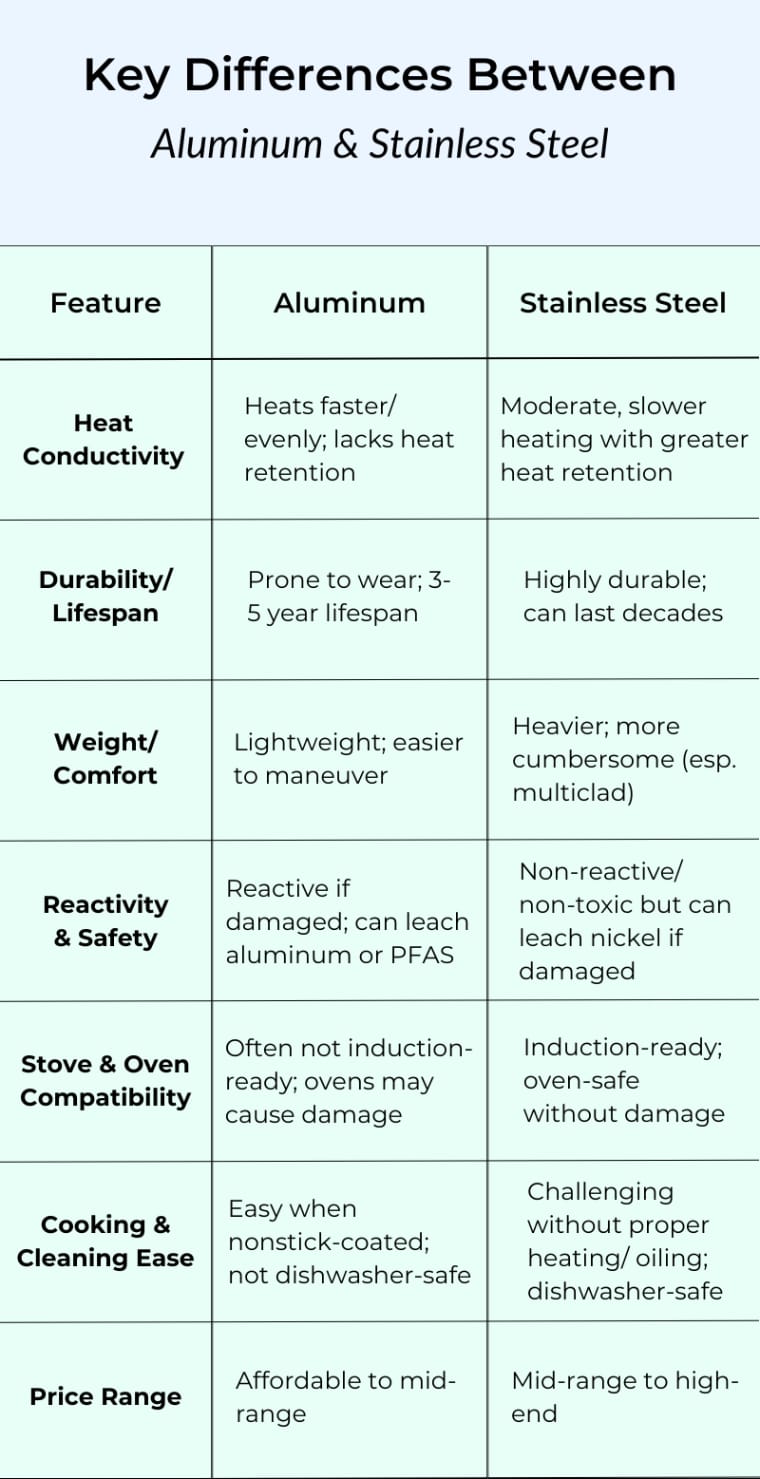
Tri-ply stainless steel is the gold standard. An aluminum core sandwiched between steel layers ensures even heating without hot spots. It’s induction-ready, dishwasher-safe, and resists rust for decades—ideal for daily family use. The trade-off? Heaviest weight and premium pricing (₹7,000+).
Hard-anodised aluminum balances cost and performance. The electrochemical hardening creates a scratch-resistant, non-reactive surface that heats faster than stainless steel. Perfect for induction tops (if specified) and frequent use, but avoid metal utensils to preserve the finish.
Plain aluminum is budget-friendly (₹1,000–2,500) but risky. It dents easily and reacts with acidic foods like tomatoes, altering taste and leaching metals. Reserve for camping or occasional use—never for daily cooking.
Critical Weight Comparison
- Tri-ply: Heaviest (5+ kg empty), lasts 10+ years
- Hard-anodised: Medium weight (3–4 kg), 5-year lifespan
- Aluminum: Lightest (2–3 kg), warps within 2 years
Safety Non-Negotiables: 5 Features You Must Verify
Never compromise on safety. Modern pressure cookers require at least 3 independent mechanisms to prevent explosions. Before buying, confirm these:
- Pressure indicator – Visual pop-up pin showing pressurization status
- Gasket release system – Vents excess pressure through a side slit if clogged
- Weight valve – Automatically releases steam at 15 psi (1 kg/cm²)
- Metallic safety plug – Melts at extreme pressure as a last resort
- Cover-locking system – Physically prevents lid rotation while pressurized
Quick test: Try opening the lid mid-pressurization. A quality cooker locks completely until pressure drops to zero. Skip any model without a visible pressure gauge—digital displays alone aren’t reliable.
Stove Compatibility: Avoid Costly Mistakes
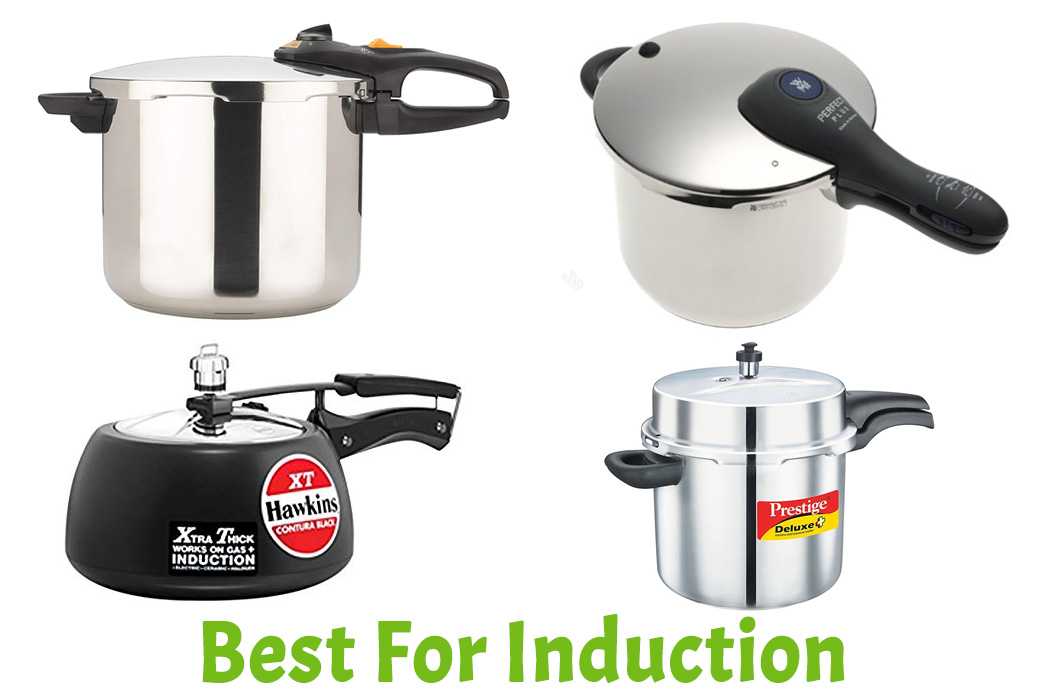
Your cooker must match your stove type—or you’ll risk damage or uneven heating. Gas and electric coil stoves work with any material. Induction tops require a magnetic base—look for the induction symbol (🌀) on the bottom. Glass/ceramic stoves need a flat, smooth base to prevent scratching; avoid aluminum unless specified as “glass-top safe.”
Kitchen Compatibility Checklist
- Induction stove? → Demand triple-ply stainless steel or induction-grade base
- Glass/ceramic top? → Confirm flat-bottom specification in product details
- Gas-only kitchen? → Any material works, but stainless steel heats most evenly
Budget Planning: Where to Splurge and Save
Budget tier (₹1,000–2,500): Basic aluminum models with single safety valves. Suitable only for learning pressure cooking basics—avoid for daily use due to reactivity risks.
Mid-range (₹3,000–6,000): Hard-anodised or stainless steel with dual safety valves and induction compatibility. The sweet spot for families—durable, safe, and versatile enough for 90% of users.
Premium (₹7,000+): Tri-ply stainless steel with multi-safety suites, ergonomic handles, and 10-year warranties. Worth it if you cook daily or need canning capability.
Money-saving hack: Buy during festival sales (Diwali, Christmas) for combo deals—extra gaskets, steamer baskets, and recipe books often included free.
Match Your Lifestyle: Real-World Use Cases
Single professionals: Prioritize 1.5–3L capacity, clip-on lids for one-handed operation, and induction bases. Hard-anodised models offer the best value.
Meal-prepping couples: Choose 4–5L tri-ply stainless steel with deep spill-control lids (like Prestige Svachh) that trap starchy liquids. A steamer basket enables two-tier cooking.
Families of 5–6: Go for 6–7.5L stainless steel with dual safety valves and heat-proof handles. Verify weight—when full, it should be liftable without straining.
Elderly or mobility-limited users: Electric programmable 6L models with audible alerts and non-stick inserts prevent burns and guesswork.
Lid Design: The Secret to Efficient Cooking
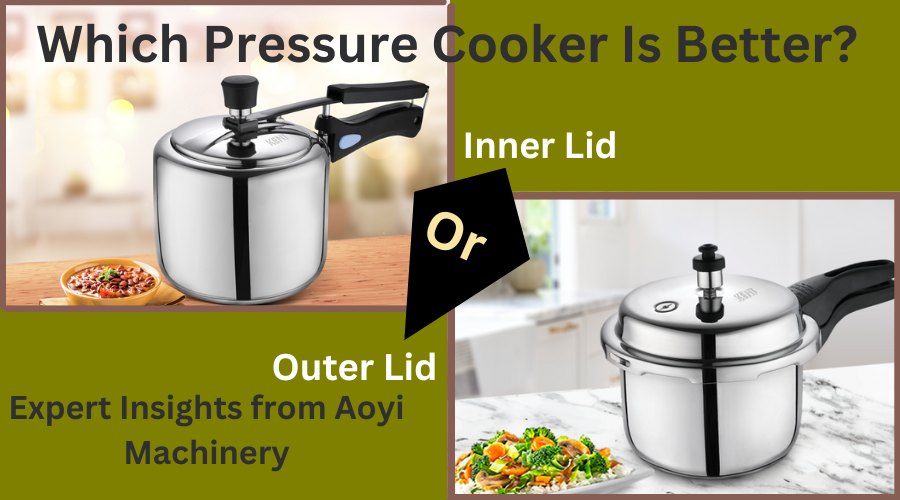
Stovetop lids come in three types—your choice affects cooking flexibility.
Inner lids fit inside the pot’s rim, creating a compact footprint ideal for small kitchens. But they limit separator use for multi-level steaming.
Outer lids cover the rim completely, enabling two-tier cooking with separator baskets—perfect for steaming idlis while cooking dal below.
Clip-on/flip-on lids use side hinges for one-handed opening. Non-negotiable for arthritis sufferers or anyone needing quick access.
Warranty Red Flags: Avoid Costly Repairs
A pressure cooker is a decade-long investment—verify these support factors:
- Body warranty: Minimum 5 years (10 years preferred for stainless steel)
- Parts warranty: 1–2 years on gaskets/valves (aluminum models often exclude these)
- Service network: Local repair centers—brands like Prestige offer WhatsApp support in India
- Certifications: Mandatory ISI (India), UL, or ETL marks for safety compliance
Walk away if warranty terms are vague or service centers are over 50 km away. No manual? Skip it—recipes and safety instructions are critical.
Pre-Purchase Verification: 8-Point Checklist
Before paying, run this final test:
- [ ] Capacity covers household + 2 guests (e.g., 6L for 4 people)
- [ ] Material matches usage (stainless for daily, aluminum for occasional)
- [ ] ≥3 safety mechanisms confirmed (gauge + valve + locking system)
- [ ] Induction symbol verified (if applicable)
- [ ] Body warranty ≥5 years
- [ ] User manual and recipe booklet included
- [ ] Empty weight ≤4 kg for manageable lifting when full
- [ ] Return policy allows 7+ days for safety testing
Daily Maintenance for 10+ Year Lifespan
After every use: Remove the gasket and wash separately—food residue causes leaks. Check the weight valve for clogs with a toothpick.
Monthly: Test safety valves by running a water-only pressure cycle. If steam doesn’t release at 15 psi, replace the valve immediately.
Storage hack: Place the lid upside-down on the pot to prevent gasket compression. Store valves in the lid’s lid holder to avoid loss.
Final decision shortcut: For most households, a 6-liter tri-ply stainless steel stovetop cooker with dual safety valves and induction compatibility hits the sweet spot. It handles daily meals, weekend batch cooking, and guests safely—without breaking the bank. If your kitchen has induction or limited space, choose a mid-range electric multi-cooker with 15 psi capability and stainless steel inserts. Never settle for fewer than three safety features—your peace of mind is worth every rupee.