
That moment when you open the fridge to find yesterday’s perfect rice transformed into a dry, crumbly mess? It’s enough to make you toss leftovers and cook fresh—wasting time and food. But what if you could revive cold rice to its original fluffy glory in just minutes? The secret weapon hiding in your kitchen isn’t your microwave or stovetop—it’s your pressure cooker. Unlike other methods that leave rice parched or soggy, reheating cooked rice in pressure cooker creates a steam-powered revival that restores each grain’s tender texture without constant babysitting. This technique works because the sealed environment traps moisture precisely, eliminating the guesswork of liquid additions while preventing burnt bottoms. Best of all, you’ll master this foolproof method in under 10 minutes, making meal prep leftovers feel like a fresh-cooked luxury.
Why Pressure Cooker Reheating Beats Microwave and Stovetop Every Time
Microwaves zap moisture from rice, leaving you with rubbery, unevenly heated leftovers that taste stale. Stovetop reheating demands constant attention—add too little water and you’ll scrape burnt grains from the pan; add too much and your rice turns into congealed mush. The pressure cooker solves both problems with its controlled steam environment. As Chrysti Benner discovered when her microwave failed, this method delivers consistently superior results because the moist heat gently rehydrates rice without disrupting its structure. You get restaurant-quality texture—separate, springy grains that taste freshly made—without the risk of overcooking or dry spots. It’s the only reheating technique that actually improves leftovers by reversing the hardening effect of refrigeration.
The Pot-in-Pot Method: Your Foolproof Setup
Forget dumping rice directly into the pressure cooker insert—that invites sticking disasters and uneven heating. Instead, use the pot-in-pot technique that keeps rice elevated above simmering water. This setup creates a perfect steam bath that penetrates every grain evenly while protecting against scorching.
Required Tools for Flawless Results
- Heatproof dish: A 6-cup glass bowl (or ceramic/stainless container) that fits inside your cooker with ½-inch clearance
- Trivet or steamer basket: To suspend your rice dish above the water line
- Fork or rice paddle: For gentle fluffing before reheating
- Measuring cup: For precise water amounts
Choose containers that nestle securely on the trivet without wobbling. For larger batches (6+ cups), a bundt pan works wonders—the center hole ensures steam circulates through dense portions. Crucially, store leftovers in your heatproof dish to skip messy transfers later.
Step-by-Step Reheating Process
- Prep the rice: Gently break up clumps with a fork—this allows steam to penetrate evenly
- Add water: Pour 1 cup cold water into the pressure cooker base (never add liquid directly to rice)
- Position trivet: Place the trivet centered in the insert
- Load rice dish: Set your fluffed rice (uncovered!) onto the trivet
- Seal and steam: Lock the lid, ensure the vent is sealed, then select the Steam function
- Set timer: Start with 5 minutes for refrigerated rice
Perfect Timing Adjustments for Any Batch Size
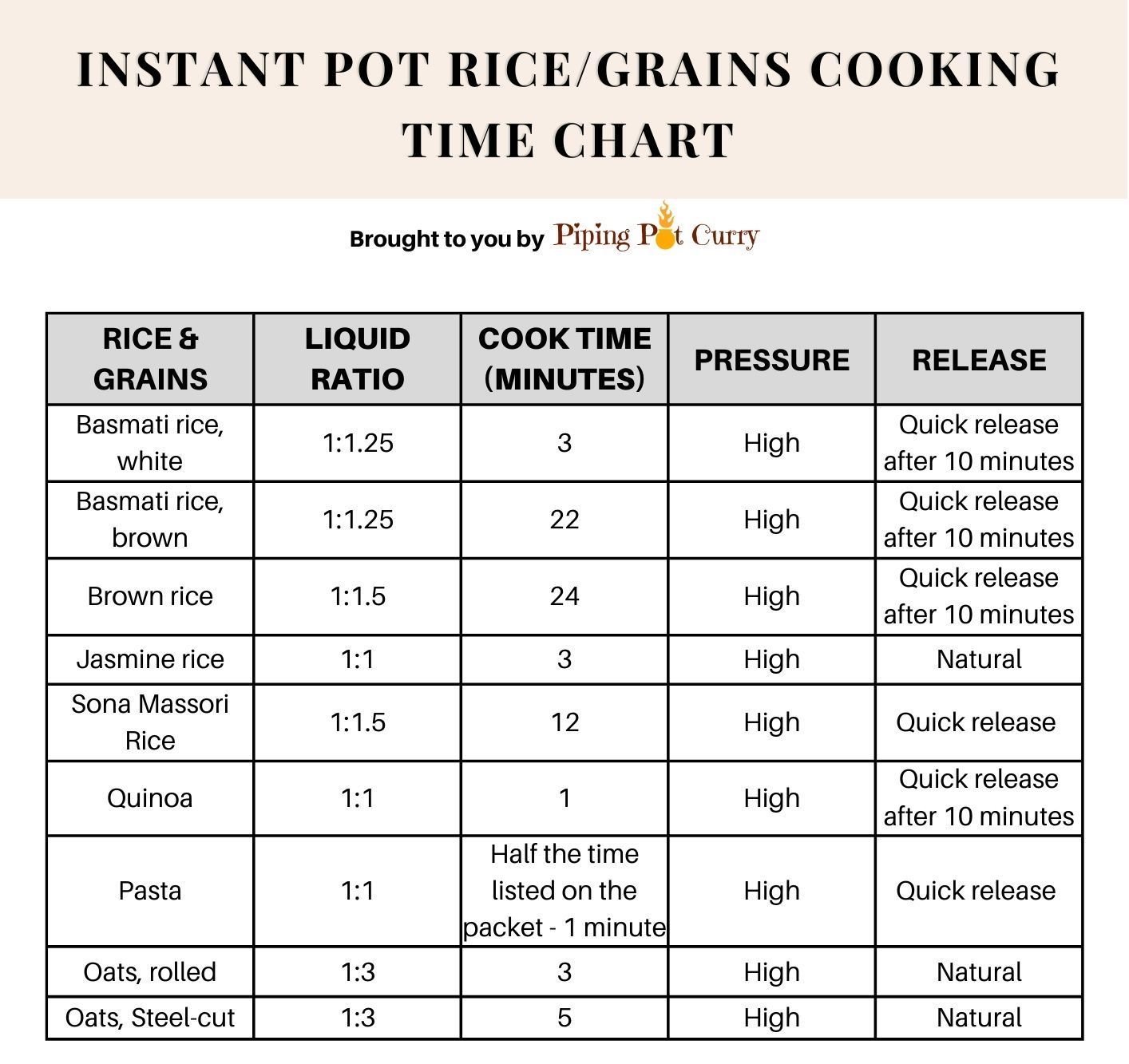
Five minutes is your magic baseline, but skipping these adjustments guarantees subpar results. Cold rice straight from the fridge (40°F) needs the full duration, while room-temperature leftovers heat through in 3–4 minutes. Quantity matters too:
- 1–2 cups refrigerated rice: 4–5 minutes
- 3–4 cups refrigerated rice: 5–6 minutes
- 5+ cups refrigerated rice: 6–7 minutes
Critical pro tip: Always start with the minimum time. Underheated rice can be rescued with an extra 1–2 minutes, but over-steamed rice turns permanently mushy. After cooking, wait 2 minutes before quick-releasing steam—this lets residual heat finish the job without overcooking. For single servings, reduce time by 1 minute; for meal-prep batches in a bundt pan, add 1 minute to ensure the center heats through.
Avoiding Costly Reheating Mistakes That Ruin Texture

The #1 error? Reheating rice directly in the pressure cooker insert. This forces you to add oil and water to prevent sticking, creating a soupy mess that requires constant stirring. Another critical misstep: covering your rice dish. The resource explicitly states keeping it uncovered allows steam to naturally rehydrate grains—covering traps condensation, yielding wet, gummy rice. Never skip fluffing cold rice before reheating; compacted clumps create icy centers while outer grains overcook.
Storage Container Red Flags
If rice sticks to the dish sides after reheating, you didn’t fluff it enough before steaming. If water splashes into your rice (creating soggy patches), you overfilled the pressure cooker base—stick to 1 cup water max. And if steam hisses from the lid seam, your sealing ring needs replacing. These aren’t minor issues—they directly cause the dry/mushy texture extremes that make people abandon reheating rice altogether.
Troubleshooting Underheated or Overcooked Rice
Crunchy centers mean your rice didn’t absorb enough steam. Immediately add 1–2 minutes to your next batch and ensure you fluffed the rice thoroughly beforehand. If rice emerges soggy, you either:
– Covered the dish (trapping excess moisture)
– Oversteamed by 1+ minutes
– Stored rice in a deep container (preventing steam penetration)
Quick fixes:
– Too dry? Stir in 1 tsp water per cup before reheating next time
– Too wet? Remove rice immediately after pressure release and let it rest uncovered for 3 minutes
– Uneven heating? Divide large batches into multiple shallow containers
Never reheat rice more than once—repeated steaming degrades texture irreversibly. For best results, reheat only what you’ll eat immediately using the pot-in-pot method.
Pro Tips for Consistently Perfect Reheated Rice
Store leftovers in your heatproof reheating dish from day one—this eliminates transfer messes and maintains optimal moisture. While the resource confirms adding water directly to rice isn’t necessary (the steam provides ample moisture), a light drizzle (½ tsp per cup) can revive extremely dry leftovers. Never add oil or butter during reheating; these interfere with steam penetration and create greasy texture. After pressure release, fluff rice immediately with a fork to release trapped steam—this prevents overcooking from residual heat. For sticky rice varieties like sushi rice, reduce water to ¾ cup in the pressure cooker base to avoid excess humidity.
Scaling Up for Family-Sized Batches

For 6+ cups of rice, the bundt pan method is non-negotiable. Its tapered shape creates a steam chimney that heats dense portions evenly—something flat dishes can’t achieve. Place the bundt pan directly on the trivet (no extra dish needed), fluff rice inside, and add 1 minute to your standard time. Never stack containers; steam needs unobstructed circulation. If reheating multiple rice types (like jasmine and brown), use separate small bowls placed side-by-side—never mix varieties in one container.
Reheating cooked rice in pressure cooker transforms leftovers from a compromise into a culinary win. By harnessing steam’s gentle power through the pot-in-pot method, you’ll consistently achieve restaurant-quality texture—fluffy, separate grains that taste freshly made. This technique eliminates the microwave’s dryness and stovetop’s guesswork while requiring zero liquid additions or constant monitoring. Remember the golden rules: always fluff cold rice first, keep the dish uncovered, and start with 5 minutes as your baseline. Master these steps, and you’ll never dread leftover rice again. Whether reviving yesterday’s takeout or reheating a week’s meal prep, your pressure cooker delivers perfect results in minutes—proving that sometimes, the best kitchen innovation is simply using what you already own.