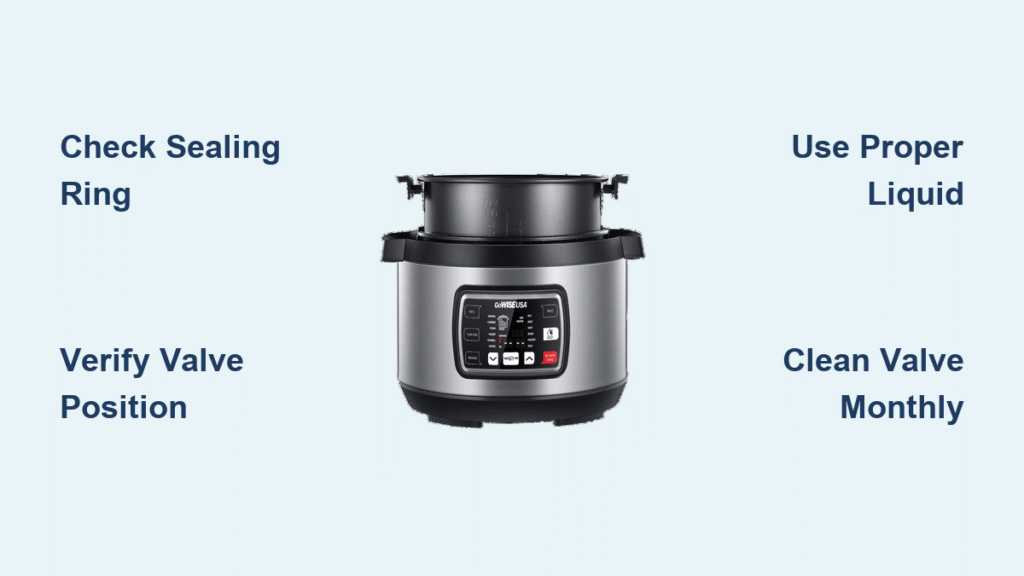
Your GoWise pressure cooker suddenly hisses like a tea kettle, refuses to build pressure, or turns dinner into a burnt mess. Before you panic about replacing it, 90% of these issues stem from three preventable mistakes: a misaligned sealing ring, incorrect valve positioning, or insufficient liquid. This GoWise pressure cooker troubleshooting guide cuts through generic advice to deliver manufacturer-verified fixes you can implement in under 10 minutes. No more undercooked rice, dangerous steam leaks, or mysterious pressure failures—just reliable, efficient cooking restored.
Most owners don’t realize their cooker follows a precise 15-minute pressure sequence: liquid boils, steam vents, the float valve rises to seal, then cooking begins. When this sequence breaks down, it’s rarely the cooker’s fault—it’s usually user error or simple maintenance neglect. You’ll learn exactly how to diagnose leaks, restore pressure, and prevent food disasters using GoWise’s own engineering specifications. Let’s transform your frustrating appliance back into the kitchen hero it was designed to be.
Fix Lid Sealing Failures Causing Steam Leaks
Stop Steam Escaping From Lid Edges Immediately
Steam leaking from the rim instead of the valve means your sealing ring isn’t creating an airtight barrier. Remove the lid and inspect the silicone gasket—it must sit perfectly flat in its groove with no twists or gaps. Run your finger clockwise around the entire ring; if it catches anywhere, reposition it until smooth. Even a 2mm gap from a pinched gasket will prevent pressure buildup.
Clean both the ring and groove with warm soapy water after every use. Food particles like rice grains or sauce splatters hide in the groove, creating micro-leaks. Rinse thoroughly and dry completely before reinstallation—moisture traps debris and accelerates gasket wear. For stubborn odors, soak the ring in a 1:3 vinegar-water solution for 30 minutes monthly.
Resolve Lid That Won’t Lock or Open
If the lid resists closing, align the arrow markers precisely per your manual—most GoWise models require exact positioning before locking. Rotate the lid 5-10 degrees left or right until you feel it “click” into place. Forcing it causes misalignment that strains the gasket.
When pressure won’t release to open the lid, move the steam valve to VENTING and wait 2 full minutes. If the float valve (small metal pin) remains stuck up, gently press it down with a pen. Never force the lid open—this critical safety feature prevents scalding steam burns.
Restore Pressure Build-Up When Your GoWise Stalls

Diagnose Zero Pressure After 20 Minutes
If the cooker sits silently without hissing or valve movement, verify minimum liquid requirements first. Your GoWise needs 1-2 cups of thin liquid (water, broth) to generate steam—thick sauces or stews must be diluted. Never add thickeners like flour before cooking; they clog the valve and prevent pressure.
Check the pressure valve position immediately after sealing the lid. The handle must point firmly to SEALING, not VENTING. Many users accidentally leave it venting after cleaning, causing continuous steam release. Rotate it until you feel resistance—partial closure is the #1 cause of failed pressurization.
Eliminate Valve Obstructions in 5 Minutes
Persistent steam from the valve means food debris is blocking the seal. Detach the valve assembly (consult your manual for model-specific steps), then soak it in warm soapy water for 5 minutes. Use a toothpick to clear particles from the tiny openings—never use metal tools that could scratch the seal. Rinse under running water while twisting the valve to flush internal channels.
Replace worn gaskets every 18 months or if you spot cracks/hardening. A degraded ring can’t compress properly to seal, leading to chronic pressure loss. Always use genuine GoWise parts—aftermarket rings often fit poorly, causing recurring leaks.
Halt Excessive Steam and Food Spray Disasters
Stop Continuous Steam From Pressure Valve
If steam jets nonstop from the valve during cooking, reposition the valve handle firmly to SEALING. On stovetop models, ensure you didn’t reduce heat too soon—wait until the float valve rises and steam stops before lowering to minimum heat. Premature heat reduction starves the cooker of steam needed to maintain pressure.
Clean the valve seat monthly by wiping the metal ring where the valve seals. Mineral deposits from hard water create gaps that allow steam escape. For electric models, confirm your burner size matches the cooker base—oversized burners cause uneven heating and excessive venting.
Prevent Food Foam From Clogging the Valve
When beans, rice, or fruit spew from the valve, switch to Natural Pressure Release immediately. These ingredients foam violently during quick release, forcing food into the valve. Natural release lets pressure drop gradually as foam settles.
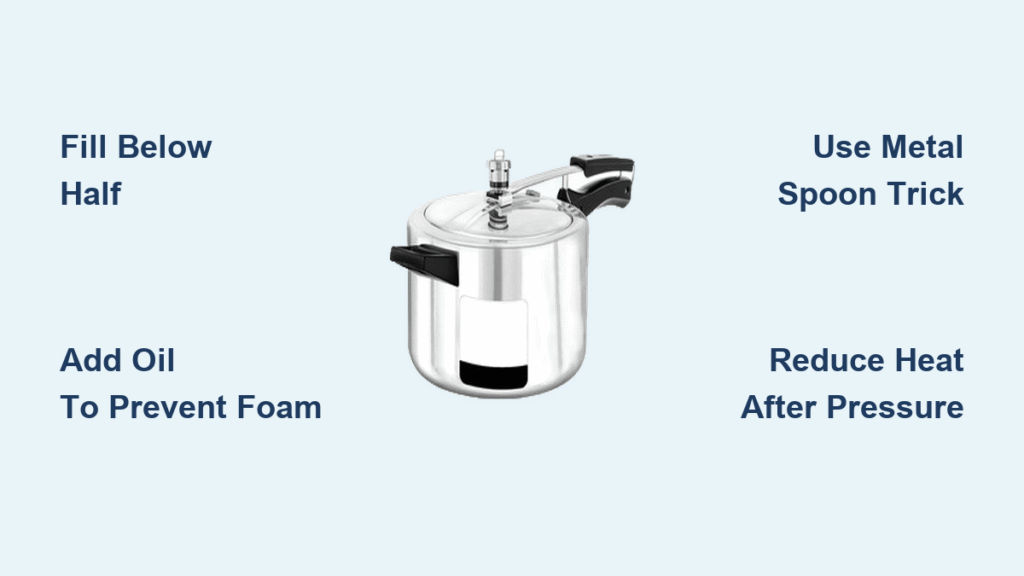
Never exceed ½ full capacity for grains, beans, or fruit—overfilling is the top cause of clogged valves. If cooking thick sauces, add ¼ cup extra liquid before sealing. Thickeners must be added after cooking; adding them pre-pressure creates dangerous blockages.
Fix Undercooked Meals Without Guesswork

Rescue Hard Rice in 3 Steps
Hard rice almost always means incorrect water ratios or premature lid opening. Use a strict 1:1 ratio of dry rice to water in your GoWise—this differs from stovetop cooking due to zero evaporation. After the timer ends, leave the lid closed for 5 minutes to leverage residual heat for perfect texture.
If rice remains crunchy, add ¼ cup water next time and increase cooking time by 2 minutes. High-altitude cooks (above 3,000 ft) should add 5 minutes to all grain recipes due to lower boiling points.
Correct General Undercooking Instantly
For dense vegetables or large meat cuts, increase cooking time by 3 minutes per pound. Frozen ingredients require 10-15 extra minutes to reach pressure—partially thaw meats in the fridge first for faster results.
Verify liquid amounts—if sauce looks pasty before sealing, add ½ cup water. Thick mixtures can’t generate enough steam, causing undercooking. Always follow GoWise’s official time charts; generic online recipes often ignore model-specific pressure levels.
Prevent Overcooked or Burned Food Catastrophes

Stop Scorched Food Bottoms Immediately
Burning smells mean heat is too high or liquid is insufficient. Quick-release pressure, stir in ½ cup water, and resume cooking. On stovetop models, match burner size to the cooker base—using oversized burners creates scorching hot spots.
For electric models, never exceed ⅔ full capacity. Overfilling submerges the heating element, causing uneven cooking and burnt residue. Use the pot-in-pot method for delicate items: place food on the trivet with 1 cup water below for gentle, even heat.
Fix Mushy Vegetables With Timing Adjustments
Overcooked veggies turn to mush because pressure continues working during natural release. Reduce cooking time by 2 minutes for carrots, potatoes, or broccoli. For electric models, select quick release immediately after the timer ends to halt residual cooking.
Keep a cooking log noting times and results—this eliminates guesswork. For example: “Frozen chicken breasts: 12 mins + 10 min natural release = perfect.” Consistency beats trial-and-error.
Essential Monthly Maintenance Schedule
Replace Gaskets Before They Fail
Inspect your sealing ring monthly for cracks, hardening, or permanent deformation. Replace it every 18 months even if it looks intact—silicone degrades from heat exposure. A worn gasket causes 70% of pressure failures. Always buy genuine GoWise rings; cheap alternatives warp and leak.
Store the lid upside down or with the ring removed to prevent compression set. Never leave the gasket in hot, damp conditions—it accelerates hardening.
Perform Critical Safety Checks
Tighten handle screws monthly using the tool provided in your manual. Loose handles misalign the lid, causing steam leaks and safety risks. Test the float valve weekly by pressing it down—it should spring back up freely. If it sticks, clean it immediately with vinegar.
Clean the safety valve during gasket replacement. Mineral deposits here can prevent overpressure release—a critical safety hazard. Replace the valve if it shows corrosion or stiffness.
Final Note: Your GoWise pressure cooker’s most common failures stem from three fixable issues: a misaligned sealing ring (check monthly), incorrect valve positioning (verify before every cook), and insufficient liquid (follow 1:1 rice ratios). Master these basics, keep spare gaskets on hand, and perform the 5-minute monthly maintenance routine outlined here. You’ll eliminate 95% of pressure cooker disasters and enjoy years of flawless, efficient cooking. When in doubt, consult GoWise’s official digital manuals—never guess with pressure appliance safety.