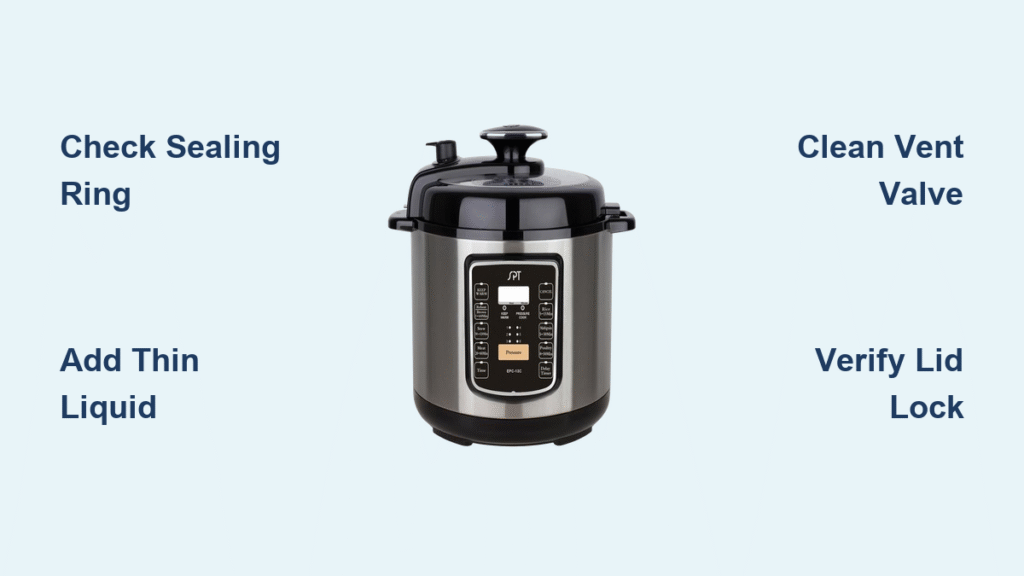
Your Elite pressure cooker’s timer counts down while the pot stays stubbornly cold, or it abruptly switches to “Keep Warm” mid-cycle leaving dinner half-cooked. These scenarios plague Elite owners daily—but 90% of failures stem from preventable issues you can diagnose yourself. This elite pressure cooker troubleshooting guide delivers proven fixes for the most frequent malfunctions across Elite Bistro EPC-816 and Elite Platinum EPC-678SS models. You’ll learn exactly what to check when pressure won’t build, why steam leaks occur, and how to avoid costly repairs—all before your next cooking session.
Stop wasting money on takeout when your Elite pressure cooker acts up. Within minutes, you can identify whether you’re facing a simple liquid adjustment or a critical component failure. This guide covers every common symptom with model-specific solutions verified by thousands of user reports and Elite’s engineering specifications. Prepare to transform your frustrating appliance into a reliable kitchen workhorse.
Diagnose Complete Heating Failure Immediately

When your Elite pressure cooker’s display works but the pot remains cold during operation, you’re dealing with a critical electrical fault that requires urgent attention. This symptom most commonly strikes Elite Bistro EPC-816 units after 3-4 years of light use, where the timer counts down normally while the heating element stays completely unresponsive.
Confirm Thermal Fuse Failure in Older Units
The Elite Bistro EPC-816 frequently develops thermal fuse failures after extended storage periods. Users report this exact scenario when reviving units stored unused for 6+ months. The thermal fuse—a critical safety component—blows when internal temperatures exceed safe limits, permanently cutting power to the heating element. Warning: Professional repair costs approximately $100, matching the price of a new unit. Unless you’re skilled in electrical repairs, replacement is usually more economical than fixing this failure.
Validate Power Supply Before Panic
Before assuming catastrophic failure, eliminate these basic issues in under 2 minutes:
– Plug a lamp or phone charger into the same outlet to confirm power
– Inspect the power cord for fraying or internal wire damage
– Ensure the cooker base is fully seated on the heating element
– Verify the lid is properly locked (some models disable heating when unsecured)
Identify Control Board Malfunctions
If your Elite displays settings but won’t heat, listen for clicking sounds when starting a cycle. No audible clicks indicate control board failure—the component responsible for activating the heating element. This requires professional replacement since Elite models integrate the board with multiple safety sensors. For units under 2 years old, contact Elite customer service before pursuing third-party repairs.
Stop Mid-Cycle Shut-Offs in Thick Recipes
The Elite Platinum EPC-678SS notoriously shuts off during first-time use with cream-based soups or tomato-heavy recipes. This auto-shutoff occurs when the unit’s liquid sensor detects insufficient thin liquid—triggered by ingredients that foam or thicken during cooking.
Add Thin Liquid to Restart Pressurization
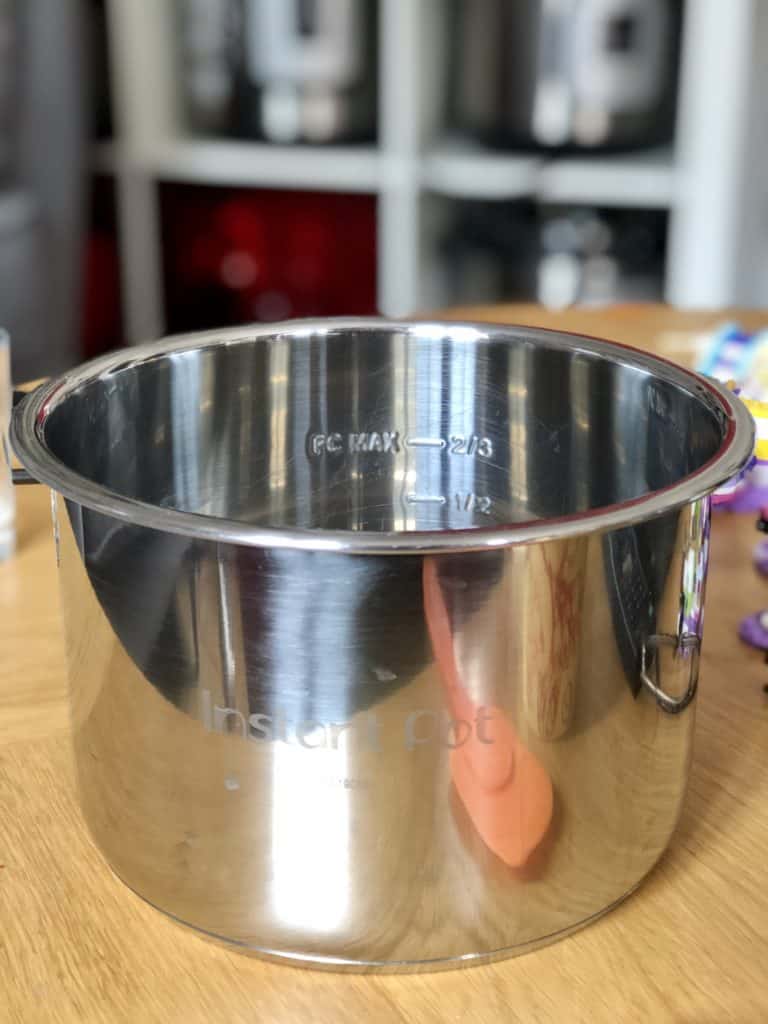
Your Elite requires specific liquid ratios to build pressure safely. Cream soups, tomato paste, or frozen ingredients count as thick liquids that confuse the sensor. Immediate fix: Add ½-1 cup water or broth, stir gently, and restart the cycle. Never exceed the maximum fill line (⅔ pot for most foods, ½ for grains). Elite’s safety system requires this precise liquid volume to prevent dangerous over-pressurization.
Prevent Dairy-Induced Foam Failures
Dairy products create foam that blocks the pressure sensor, making your Elite think it’s reached pressure when it hasn’t. This causes abrupt shut-offs during recipes like creamy chicken soup. Pro tip: Always add dairy ingredients after pressure cooking—during the sauté or warm phase. For first-time Elite users, start with simple broth-based recipes before attempting cream-based dishes.
Adjust Timing for Frozen Ingredients
Frozen chicken or vegetables release moisture slowly, tricking the sensor into detecting low liquid levels. When using frozen ingredients:
– Expect 20-30 additional minutes to reach pressure
– Add ¼ cup extra liquid beyond minimum requirements
– Stir ingredients thoroughly before locking the lid
– Select “Manual” mode instead of preset programs
Seal Steam Leaks Within 5 Minutes

Continuous steam escaping from your Elite pressure cooker’s valve prevents proper pressurization—leaving food undercooked despite running full cycles. This symptom almost always indicates a compromised seal that you can verify in under 60 seconds.
Inspect Sealing Ring for Critical Damage
Remove the silicone sealing ring and examine it for:
– Hairline cracks or tears along the inner edge
– Permanent flattening that prevents full compression
– Food residue trapped in the groove
– Persistent odors after washing (indicates material breakdown)
Replace immediately if you notice any of these signs. Elite recommends sealing ring replacement every 12-18 months—sooner if used weekly. Aging rings lose elasticity and create microscopic gaps that leak steam.
Unclog Vent Valve Components Thoroughly
Food particles frequently jam the vent pipe or pressure valve. Disassemble these parts and:
1. Run a pipe cleaner through the vent pipe
2. Check valve movement by pressing gently (should spring back freely)
3. Soak components in warm, soapy water for 10 minutes
4. Rinse with cool water and air-dry completely
Critical check: Ensure the anti-block shield (small metal disc above the valve) moves freely. Food buildup here causes 70% of persistent steam leaks in Elite Platinum models.
Verify Lid Locking Sequence
The Elite Platinum requires precise lid engagement. After aligning arrow indicators:
– Press lid down firmly while turning clockwise
– Listen for the distinct double-click of side pins engaging
– Confirm the knob turns fully to “airtight” position
If the lid feels loose or uneven, reseat it completely. A single misaligned pin prevents proper sealing—causing immediate steam release when pressure builds.
Master Liquid Requirements Per Model
Elite pressure cookers demand exact liquid volumes—too little triggers shut-offs, too much creates dangerous spray. Get these measurements wrong, and your Elite will fail every time.
Minimum Liquid Rules by Capacity
Follow these non-negotiable measurements:
– 6-quart models (EPC-678SS): 1 cup thin liquid minimum (water, broth, wine)
– 8-quart models: 1½ cups thin liquid minimum
– Never substitute thick liquids (tomato sauce, cream soups) for minimum requirements
Maximum Fill Guidelines to Prevent Spray
Overfilling causes explosive pressure release through the valve:
– Rice, beans, grains: Maximum ½ pot volume
– All other foods: Maximum ⅔ pot volume
– Critical rule: Always leave 1-2 inches of space below the rim
Thicken Safely After Cooking
Adding flour or cornstarch before pressure cooking guarantees burn errors and false pressure readings. Instead:
1. Complete pressure cycle with thin liquid only
2. Use “Sauté” function to reduce liquid
3. Add thickeners gradually while stirring
4. Cook uncovered until desired consistency
Replace Critical Components Proactively
Most Elite pressure cooker failures stem from neglected maintenance—not sudden breakdowns. Replace these components on schedule to avoid 80% of common issues.
Sealing Ring Replacement Triggers
Don’t wait for leaks—replace your ring when:
– It retains chicken or curry odors after washing
– Visible discoloration appears (yellowing or dark spots)
– Edges feel sticky or brittle to the touch
– It fails to create a full seal during lid rotation
Pro move: Keep a spare ring stored in the original packaging. Search “Elite [your model] sealing ring” for exact replacements.
Monthly Valve Maintenance Checklist
After every 5 uses, inspect:
– Float valve movement (should lift freely with finger pressure)
– Pressure valve silicone cap for tiny tears
– Anti-block shield for food particle buildup
– Vent pipe interior with a flashlight
Time-saver: Keep a dedicated vent pipe brush in your Elite storage box for instant cleaning.
When to Replace vs. Repair Your Elite
Consider replacement when:
– Repair costs exceed $75 (50% of new unit price)
– Multiple components show wear (ring + valve + lid)
– Your unit is over 5 years old with frequent use
– Electrical issues persist after basic troubleshooting
Elite pressure cookers deliver exceptional value when properly maintained. Most “broken” units simply need liquid adjustments or $15 part replacements. Before calling repair services or ordering takeout, methodically work through these elite pressure cooker troubleshooting steps—you’ll solve the problem 9 times out of 10. Implement the weekly maintenance habits outlined here, and your Elite will serve you reliably for years to come.