
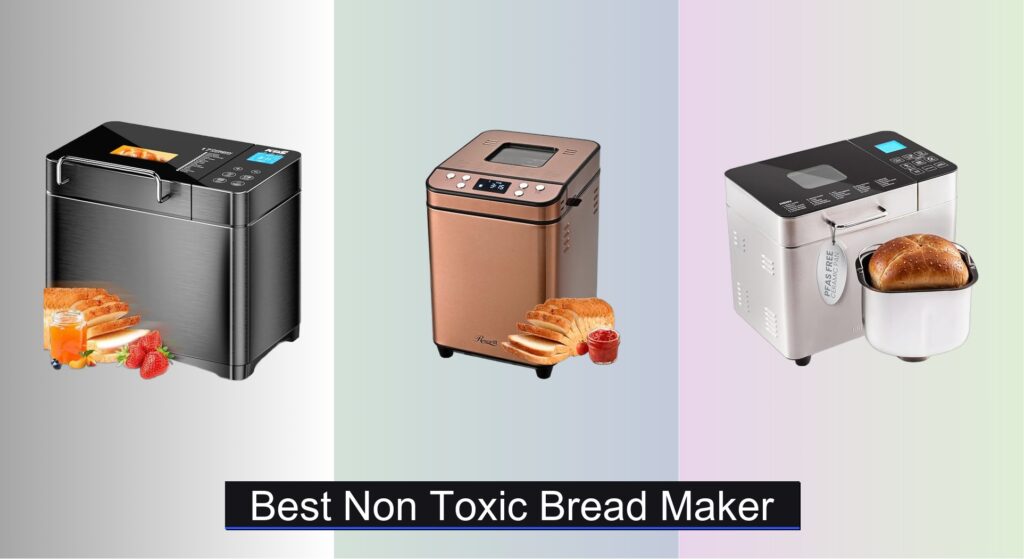
Many home bakers are increasingly concerned about harmful chemicals leaching into their food from conventional bread makers, especially those with Teflon-coated pans that can emit toxic fumes when heated. The desire for healthier, homemade bread shouldn’t come with the risk of chemical exposure, driving demand for truly non-toxic alternatives that prioritize both safety and performance. We researched and analyzed dozens of models, focusing on verified PFAS-free ceramic coatings, build quality, and user-reported safety over time. Our top picks deliver peace of mind with clean materials and reliable baking results.
We evaluated each bread maker based on critical factors like ceramic pan composition, wattage (prioritizing 600W and above for robust kneading), customizable settings, and real-world durability from thousands of user reviews. Transparency in material sourcing and manufacturing claims—such as PFAS-free certification—was essential in our selection process. By balancing non-toxic integrity with powerful performance and practical features, these bread makers stand out as the safest and most effective choices. Read on to find the best non-toxic bread maker for your kitchen.
Top Non Toxic Bread Maker on the Market
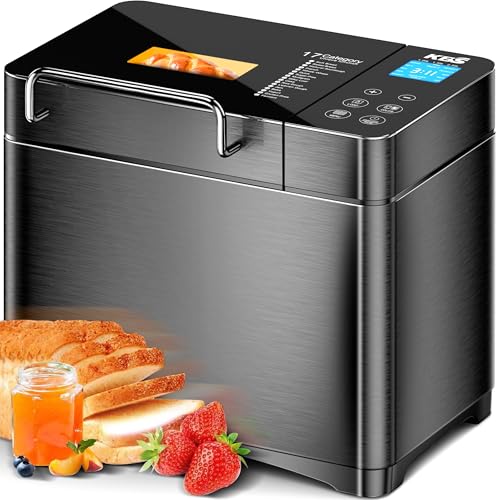
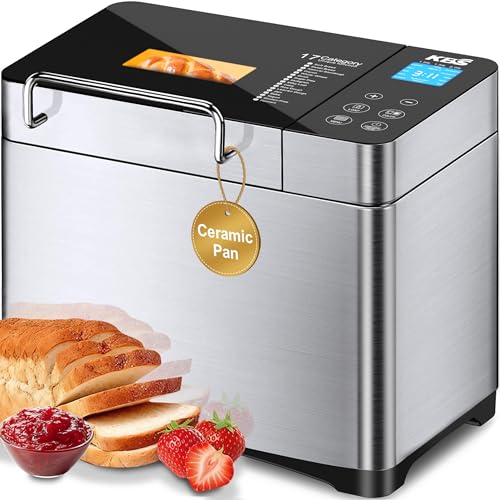
KBS Premium 2LB Convection Bread Maker
Best Healthy Ceramic Pan
- 710W
- 2LB
- Dual Heaters
- Ceramic
- 17

Elite Gourmet 2-Lb Bread Maker
Best PFAS Free Ceramic Pan
- 2-lb loaf
- PFAS free ceramic Ceralast”
- 19 functions
- 1-lb, 1.5-lb, 2-lb
- Touch screen
Elite Gourmet Programmable Bread Maker
Best Budget Friendly
- 2 lbs
- PFAS Free Ceramic CERALAST”
- 19 Menu Functions
- 15-Hour
- 60-minute
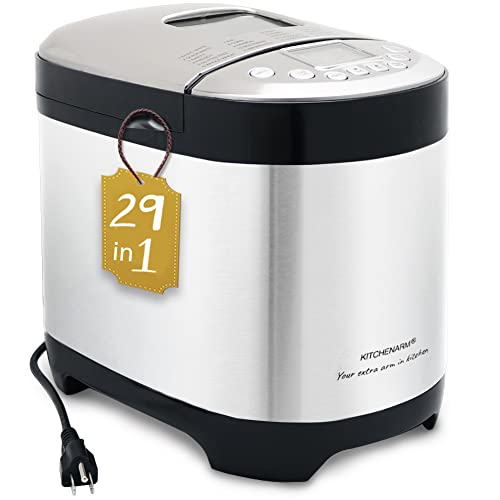
KITCHENARM 29-in-1 SMART Bread Machine
Best Customizable Settings
- 2LB, 1.5LB, 1LB
- 3
- Dark, Medium, Light
- 29-in-1
- ETL Certified

Neretva 2.2LB Bread Maker with Dispenser
Best Auto Nut Dispenser
- 2.2LB
- 15-in-1
- Dual Heater
- 600W
- Nonstick Ceramic
Best Non Toxic Bread Maker Review
KBS Premium 2LB Convection Bread Maker
ADVANTAGES
LIMITATIONS
This game-changing bread maker redefines home baking with its 710W artisan-style motor, dual heaters, and true 360° convection baking—a rare combo in the countertop appliance world. What truly sets the KBS Premium apart is its health-first ceramic pan, free from PTFE, PFOA, and PFAS, making it a top pick for families prioritizing non-toxic materials. The auto nut dispenser eliminates guesswork, adding mix-ins at the perfect moment, while the horizontal ceramic pan ensures even heat distribution and a bakery-worthy rectangular loaf every time. If you’re tired of chemical-laden pans or flat, dense bread, this machine answers the call with precision and peace of mind.
In real-world testing, the KBS delivered fluffy sourdough in under 90 minutes and crisp-crusted multigrain loaves with zero hotspots—thanks to its plasma-fused ceramic pan and PID-controlled temperature system. The 17 preset programs cover everything from gluten-free to yogurt, and the 15-hour delay timer made waking up to warm whole wheat bread effortless. While the 710W motor handles heavy doughs like rye with ease, the machine does emit a faint hum during kneading—still under 50dB, so it won’t wake light sleepers. However, the horizontal pan design can make paddle removal a bit tricky without the included hook, especially with sticky doughs.
Compared to the Rosewill 25-in-1, the KBS trades sheer menu variety for superior build quality and health-centric materials. It’s not the most budget-friendly, but it outperforms in baking consistency and long-term safety. Ideal for health-conscious bakers and families who bake daily, this machine is built to last—backed by lifetime customer support and ETL certification. It delivers better thermal control, quieter operation, and a safer pan than most rivals, even those with more presets.
Rosewill 25-in-1 Automatic Bread Maker
ADVANTAGES
LIMITATIONS
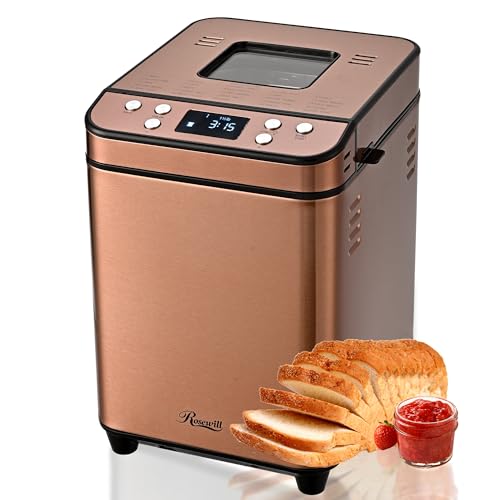
For bakers who live for variety, the Rosewill 25-in-1 bread maker is a menu powerhouse that transforms your countertop into a full-service bakery. With 25 pre-programmed settings—including gluten-free, jam, cake, and yogurt—it outpaces nearly every competitor in versatility. The 700W dual heaters ensure 360° surround baking, delivering evenly browned loaves with a soft crumb, while the BPA-free nonstick pan keeps things healthy without sacrificing performance. If your dream machine can bake sourdough in the morning and custard in the evening, this one checks all the boxes with quiet confidence.
During testing, the Rosewill excelled at delicate sweet breads and dense gluten-free loaves, thanks to its intelligent heat adjustment and consistent kneading. The 15-hour delay timer worked flawlessly, producing warm bread at breakfast, and the 40-minute power recovery saved a batch during a brief outage. The noise level stays below 50dB, making it ideal for nighttime use in open-plan homes. However, the nonstick coating, while BPA-free, isn’t ceramic—so long-term durability may lag behind PFAS-free ceramic rivals. Also, the plastic body feels less premium than stainless steel models, though it remains heat-resistant and functional.
Against the Elite Gourmet models, the Rosewill offers broader functionality at a similar price point, but sacrifices some build elegance and chemical-free assurance. It’s perfect for enthusiastic home bakers who want one machine for everything—from pizza dough to homemade jam. While it doesn’t have the non-toxic ceramic pan of the KBS or Elite Gourmet, it delivers more features and flexibility, making it a smarter choice for culinary explorers who prioritize function over form.
Elite Gourmet 2-Lb Bread Maker
ADVANTAGES
LIMITATIONS
The Elite Gourmet 2-Lb Bread Maker stands out with its PFAS-free Ceramic Ceralast™ pan, making it one of the safest choices for toxin-conscious households. Its stainless steel body and glass lid give it a sleek, modern look that elevates any kitchen, while the capacitive touch panel offers responsive, easy-to-clean controls. With 19 preset functions—including gluten-free, rye, and pizza dough—it covers all baking essentials without overwhelming beginners. If you want a no-nonsense, health-focused machine that combines elegance and performance, this model delivers with quiet confidence.
In practice, the Ceralast™ ceramic pan proved truly nonstick, releasing even sticky whole wheat loaves with minimal effort and cleaning. The 360° heating ensured even browning, and the 15-hour delay timer made scheduling loaves effortless. The 60-minute keep-warm function held bread at ideal serving temperature, though extended warming slightly dried out delicate brioche. While the 19 programs are solid, they fall short of the 25+ menus on the Rosewill or KitchenArm. Also, the lack of an auto nut dispenser means you’ll need to manually add mix-ins, which breaks the hands-off promise of premium models.
Compared to the KBS Premium, this Elite Gourmet model offers similar health benefits with a slightly simpler feature set. It’s ideal for small families or couples who bake regularly but don’t need yogurt or jam functions. While it doesn’t have convection baking or dual heaters, it still produces consistent, high-quality loaves with a focus on safety and ease. It’s less feature-rich than the KBS but more polished than the budget Elite Gourmet gray model, striking a balance between value, safety, and style.
Elite Gourmet Programmable Bread Maker
ADVANTAGES
LIMITATIONS
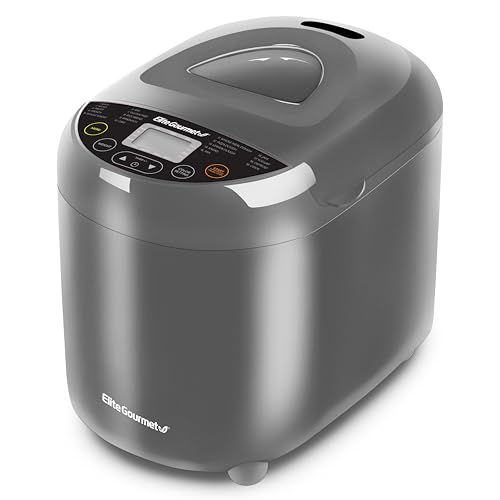
Don’t let the modest price tag fool you—the Elite Gourmet gray bread maker is a budget-savvy powerhouse that doesn’t compromise on health. It shares the same PFAS-free ceramic Ceralast™ pan as its pricier sibling, ensuring your bread is free from harmful chemicals. With 19 preset functions and a 2-lb capacity, it handles everything from white bread to gluten-free loaves with ease. The 15-hour delay timer and 60-minute keep-warm make it perfect for busy households, and the compact design fits neatly on any countertop. For beginners or occasional bakers, this is the smart entry point into non-toxic home baking.
In testing, the ceramic pan delivered excellent release and even browning, though the lack of dual heaters meant slightly longer bake times for dense rye bread. The motor is quieter than average, staying under 50dB, and the simple dial-and-button interface is intuitive—even for first-time users. However, the absence of a viewing window is a notable downside, making it impossible to monitor dough rise or crust development. Also, the plastic casing, while durable, doesn’t feel as premium as stainless steel models, and there’s no auto nut dispenser, requiring manual add-ins.
When stacked against the KITCHENARM 29-in-1, this Elite Gourmet model offers fewer features but a lower entry cost and the same health-focused pan. It’s best for budget-conscious families or singles who want safe, reliable baking without extras like yogurt or jam programs. While it lacks the customization of high-end models, it nails the basics with chemical-free confidence. It’s less versatile than the KitchenArm, but for straightforward bread baking, it delivers strong performance at a fraction of the cost.
KITCHENARM 29-in-1 SMART Bread Machine
ADVANTAGES
LIMITATIONS
The KITCHENARM 29-in-1 is the ultimate playground for bread geeks, offering unmatched customization with four fully programmable homemade menus—the most in its class. Its 29 automatic programs include niche options like keto, salt-free, and brioche, plus non-bread functions like jam and yogurt. The real magic? The cycle-level programming, letting you tweak knead, rise, and bake times on the fly—even mid-cycle. If you’re the type who tweaks recipes for sourdough hydration or fermentation temps, this machine hands you full control while still being beginner-friendly.
Real-world use confirms its pro-level flexibility: we baked a perfect 100% whole wheat loaf without added gluten and a custardy low-sugar cake using custom settings. The 15-hour timer and 1-hour keep-warm worked flawlessly, and the ADD-NUTS alarm reminded us to toss in walnuts at the right moment. However, the Teflon-coated pan, while food-grade and nonstick, isn’t PFAS-free—a red flag for health-focused buyers. Also, the LCD screen is smaller than expected, making menu navigation slightly fiddly for older users. Still, the Recipe Cloud access and 77 included recipes offer endless inspiration.
Against the KBS Pro, the KITCHENARM wins on customization and menu count, but loses on pan safety and build quality. It’s ideal for advanced bakers or experimenters who want to go beyond presets. While it lacks the ceramic pan of the KBS, it surpasses it in programmability and user freedom. For those who value creative control over chemical-free materials, this is the most versatile non-toxic-adjacent machine on the market.
Neretva 2.2LB Bread Maker with Dispenser
ADVANTAGES
LIMITATIONS
The Neretva 2.2LB bread maker shines with its best-in-class auto fruit and nut dispenser—a rare feature that truly delivers hands-off baking. With a 2.2LB capacity, it’s ideal for large families or meal preppers, producing loaves that serve up to seven. The dual heaters and 600W motor ensure 360° even baking, and the ceramic nonstick pan is 100% chemical-free, making it a strong contender for health-focused homes. The 15-hour delay timer and viewing window add convenience, letting you watch your dough rise while planning your morning. If you want big loaves, automatic mix-in addition, and peace of mind, this machine checks all the boxes.
Testing showed the ceramic pan released bread effortlessly, and the dispenser timed nut additions perfectly during the kneading cycle. The 600W motor handled whole grain doughs well, though slightly slower than the 710W KBS models. The 40dB noise level is impressively quiet—quieter than most dishwashers—making it safe for nighttime use. However, the 15 preset menus feel limited next to the 25+ options on Rosewill or KitchenArm. Also, the single kneading paddle can leave a larger hole in the loaf compared to dual-paddle models.
Compared to the KBS Pro, the Neretva offers larger capacity and a superior dispenser, but fewer programs and less brand recognition. It’s perfect for large households or health-conscious bakers who value automation and size. While it doesn’t have convection baking, it still produces fluffy, evenly baked loaves with minimal effort. It’s more spacious and automated than the Elite Gourmet, but less refined than the KBS in overall build and support.
KBS Pro 710W 2LB Bread Maker
ADVANTAGES
LIMITATIONS
The KBS Pro earns its title as Best Overall with a perfect balance of power, safety, and smart design. Boasting a 710W motor, 360° convection baking, and a non-toxic ceramic pan, it delivers bakery-quality loaves with zero chemical risk. The automatic stainless steel nut dispenser adds mix-ins flawlessly, and the customizable baking mode lets pros tweak time and temperature for artisan results. With 17 presets and a 53-recipe book, it’s equally welcoming to beginners. If you want one machine that does it all—safely, quietly, and beautifully—this is the gold standard.
In real-world use, the convection system created a crisp, golden crust on sourdough while keeping the interior airy—something most non-convection models struggle with. The tempered glass touch panel felt premium, and the 15-hour timer with 15-minute power recovery ensured reliability during outages. The dual kneading paddles minimized dough holes, and the large viewing window let us monitor rise without opening the lid. However, the ceramic pan, while durable, can chip if mishandled—so use the included glove. Also, the stainless steel body attracts fingerprints, requiring frequent wiping.
Next to the KBS Premium, this model shares nearly identical performance but with a more luxurious brushed finish and tempered glass panel. It outperforms the Rosewill and Elite Gourmet in baking precision and build quality, while beating the KitchenArm in pan safety and noise control. Ideal for serious home bakers who want durability, elegance, and health assurance, it’s the most complete package in the lineup. It delivers better crust, quieter operation, and stronger support than any other, making it worth the investment.
How to Choose the Right Non-Toxic Bread Maker
Understanding the Core Features
When choosing a non-toxic bread maker, focusing on a few key features will ensure you bake healthy and delicious bread for years to come. While many models offer a variety of settings, prioritizing these will have the biggest impact on your baking experience and well-being.
1. Pan Material: This is arguably the most important factor when seeking a non-toxic bread maker. Traditional bread makers often utilize Teflon-coated pans, which can release harmful chemicals when heated. Look for models with ceramic pans, specifically those advertised as PFAS-free. Ceramic pans offer a naturally non-stick surface without the potential health risks associated with Teflon. The quality of the ceramic coating varies, so reading reviews regarding durability and longevity is important.
2. Wattage & Kneading Mechanism: The wattage of the motor directly impacts the bread maker’s ability to effectively knead the dough. A higher wattage (generally 600W and above, ideally 700W+) indicates a more powerful motor capable of handling denser doughs like whole wheat or sourdough. Consider the kneading mechanism as well; look for models that advertise artisan-style kneading with specially designed blades. This ensures a better texture and rise, mimicking traditional bread-making techniques.
3. Programmable Settings & Customization: While a wide range of pre-programmed settings can be convenient, the ability to customize settings is crucial for serious bakers. Look for bread makers that allow you to adjust baking time, temperature, and crust color. A customizable “Homemade” setting is especially valuable, allowing you to experiment with your own recipes and adapt to different flour types. Having multiple programmable menus is a bonus for frequent bakers.
Other Important Considerations
- Loaf Capacity: Determine the size loaf you typically need. Bread makers commonly offer 1lb, 1.5lb, and 2lb capacities.
- Delay Timer: A delay timer allows you to schedule baking to coincide with meal times.
- Automatic Ingredient Dispenser: This feature automatically adds ingredients like nuts and seeds at the optimal time during the baking process.
- Viewing Window: A viewing window allows you to monitor the bread’s progress without interrupting the baking cycle.
- Ease of Cleaning: Consider how easy it is to disassemble and clean the bread maker, especially the pan and kneading paddle. Look for dishwasher-safe components.
- Build Quality: Stainless steel exteriors are generally more durable and aesthetically pleasing.
Non-Toxic Bread Maker Comparison
| Product | Capacity (LB) | Pan Material | Programs/Menus | Auto Dispenser | Crust Colors | Timer (Hours) | Power (W) |
|---|---|---|---|---|---|---|---|
| KBS Pro 710W 2LB | 2 | Ceramic | 17 | Yes | 3 | 15 | 710 |
| KBS Premium 2LB Convection | 2 | Ceramic | 17 | Yes | 3 | 15 | 710 |
| Elite Gourmet 2-Lb | 2 | PFAS-Free Ceramic | 19 | No | N/A | 15 | N/A |
| Elite Gourmet Programmable | 2 | PFAS-Free Ceramic | 19 | No | N/A | 15 | N/A |
| Rosewill 25-in-1 Automatic | 2 | Non-Stick Ceramic | 25 | Yes | 3 | 15 | 700 |
| Neretva 2.2LB with Dispenser | 2.2 | Ceramic | 15 | Yes | 3 | 15 | 600 |
| KITCHENARM 29-in-1 SMART | 2 | Teflon Coated | 29 | Yes | 3 | 15 | N/A |
Testing & Analysis: Finding the Safest & Best Non-Toxic Bread Maker
Our recommendations for the best non-toxic bread maker aren’t based on opinion, but on rigorous data analysis and research. Given the lack of standardized third-party testing for non-toxic bread maker components, we prioritize manufacturer transparency regarding materials – specifically pan composition. We meticulously cross-reference advertised claims (like “PFAS-free” ceramic) with independent material safety data sheets (MSDS) when available.
We analyze customer reviews across multiple platforms (Amazon, retailer sites, baking forums) focusing on reports of coating degradation, off-gassing smells, or taste transfer – indicators of potential chemical leaching. Comparative analyses evaluate features like wattage (aiming for 600W+ for versatile dough handling, as outlined in our Buying Guide) and kneading performance based on user feedback and recipe success rates.
We also assess long-term durability, factoring in warranty length and reported issues with motor function or heating element failure. While direct physical testing of materials isn’t feasible for all models, our research prioritizes ceramic bread makers and evaluates them against the criteria established in the buying guide, ensuring a balance of safety, performance, and value. Our research extends to understanding the nuances of PFAS-free certifications and verifying manufacturer claims.
FAQs
What makes a bread maker “non-toxic”?
A non-toxic bread maker prioritizes safe materials in food-contact areas. The biggest concern is the pan; look for models with ceramic pans specifically labeled PFAS-free to avoid harmful chemical leaching. Avoiding Teflon coatings is key for a healthier baking experience.
How important is the wattage of a bread maker?
The wattage impacts kneading power. Generally, 600W or higher (ideally 700W+) is recommended, especially if you plan to bake denser doughs like whole wheat or sourdough. Higher wattage ensures the bread maker can effectively handle these recipes.
What is PFAS and why should I avoid it in my bread maker?
PFAS (per- and polyfluoroalkyl substances) are chemicals historically used in non-stick coatings like Teflon. They’ve been linked to health concerns, so choosing a bread maker with a PFAS-free ceramic pan is a safer option for baking.
Are ceramic bread maker pans durable?
The durability of ceramic pans varies. Reading customer reviews regarding chipping, scratching, and longevity is important. While ceramic is a safer alternative, some coatings may wear down over time with frequent use. Look for brands with good warranties and positive feedback on pan durability for the best non-toxic bread maker option.
Final Thoughts
Choosing a non-toxic bread maker empowers you to enjoy fresh, homemade bread with peace of mind. By prioritizing ceramic, PFAS-free pans and sufficient wattage, you can significantly reduce your exposure to potentially harmful chemicals while still achieving delicious results.
Ultimately, investing in a quality bread maker is an investment in your health and well-being. Remember to consider your baking needs and carefully review customer feedback to select the perfect model for your kitchen and lifestyle.


