You press “Start,” but your pressure cooker stays cold and silent—no steam, no pressure buildup, just a frustrating blank display. When your Instant Pot or Ninja Foodi refuses to heat up, it halts dinner plans and sparks unnecessary panic about costly replacements. Most heating failures stem from simple, fixable issues that take under 30 minutes to resolve. This guide reveals exactly how to diagnose and repair a pressure cooker not heating up, using real-world tests for power supply glitches, electrical faults, and user errors. Skip the guesswork and get back to cooking tonight.
Before dismantling your appliance, understand that 70% of “no heat” cases involve power supply oversights or preventable user mistakes. Whether you own a 6-quart Instant Pot Duo or an 8-quart Ninja Foodi, this systematic approach isolates the root cause. You’ll learn to test components safely, avoid dangerous shortcuts, and decide when a $5 repair beats buying new. Let’s turn that unresponsive cooker back into your kitchen hero.
Start Here: Power Outlet and Cord Checks for Non-Heating Cookers
Ignoring these basic checks wastes hours on unnecessary repairs. Your pressure cooker not heating up often traces to something as simple as a tripped outlet or loose connection.
Test Your Outlet with Another Appliance
Unplug the cooker and test the outlet with a lamp or phone charger—many homes have “weak” outlets that power lights but not high-wattage appliances. If the test device works, move your cooker to a different circuit entirely. Circuit breakers sometimes trip partially, providing enough power for the control panel but not the heating element. Always plug directly into the wall; power strips and extension cords frequently cause intermittent heating failures.
Inspect the Cord for Damage and Secure Seating
Check both ends of the power cord for fraying, kinks, or melted spots near the connector. A damaged cord might illuminate the display but prevent heating due to insufficient current. Firmly reseat the cord at both the wall outlet and appliance inlet—these connections loosen over time from repeated plugging. If wiggling the cord makes the display flicker, replace the cord immediately. Never tape over damaged cords; this creates fire hazards.
Diagnose Internal Electrical Failures in Your Pressure Cooker

When power supply checks out but heating fails, these component tests identify hidden electrical issues. Always unplug the cooker before inspection.
Verify Thermal Fuse Continuity with a Multimeter
Locate the thermal cutoff fuse (a small white or silver cylinder near the heating element) by removing the bottom panel. Set your multimeter to continuity mode and touch probes to both ends. No beep means the fuse blew due to overheating—replace it with an identical model. Critical note: If replacing the fuse more than once, investigate why it overheated first (like blocked vents or excessive grease buildup), or the new fuse will blow immediately.
Inspect Relay K111 Solder Joints for Cracks
Remove the bottom panel (typically 4-6 screws) to access the control board. Find the black relay marked “K111” and flip the board over. Look for dull, cracked, or discolored solder joints beneath the relay pins—these cause “display works but no heat” symptoms. Resolder any suspect joints with fresh solder until shiny and cone-shaped. This $0 fix resolves heating failures in 30% of Instant Pot models after 2+ years of use.
Fix User Errors That Mimic Pressure Cooker Heating Failure
Your cooker might actually be working—it’s just preventing unsafe operation. These common oversights look like heating failures but require zero repairs.
Add Minimum Thin Liquid for Proper Pressure Buildup
For 6-quart models, use at least 1 cup of thin liquid (water, broth, or wine—not tomato sauce). 8-quart models need 1.5-2 cups. Thick liquids like barbecue sauce or condensed soup won’t generate pressure. Pro tip: Layer thick ingredients on top of thin liquid, never underneath. Without sufficient liquid, the cooker stays in “pre-heat” mode indefinitely, appearing broken.
Clear Lid Sealing System Blockages Immediately
A stuck float valve or clogged steam release valve prevents pressure buildup, tricking you into thinking it’s not heating. Remove the silicone sealing ring and inspect for cracks or food debris. Clean the float valve (the pop-up pin) with a toothpick—push it down; it should spring back up smoothly. Also, rinse the steam release knob under warm water to clear food particles blocking the vent pipe. Warning: Never force the valve; use only soft tools to avoid damaging sensors.
Stop Burn Messages: Fix Overheating in Your Pressure Cooker
“Burn” or “Overheat” errors shut off heating to prevent fires—but they’re often preventable with these adjustments.
Deglaze the Pot After Sautéing to Prevent Scorching
The #1 cause of burn messages? Sautéing without deglazing. After browning meat, add ¼ cup liquid and scrape the pot bottom clean with a wooden spoon. This removes stuck food particles that trigger thermal sensors. For 8-quart models (which run hotter), always use medium heat instead of high during sauté mode. If you see steam escaping from the lid during heating, cancel the cycle—it means liquid is boiling off too fast.
Adjust Fill Levels and Ingredient Temperatures
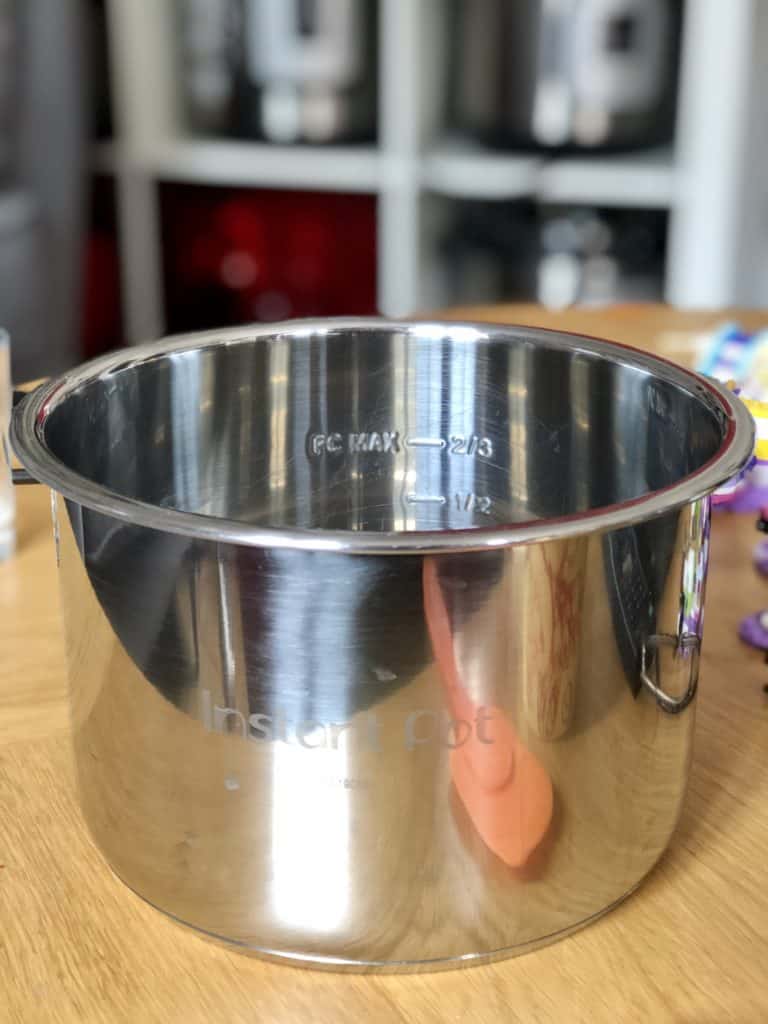
Overfilling causes uneven heating and burn errors. Keep contents below ⅔ full (or ½ full for beans and grains). Cold ingredients like refrigerated stews add 5-10 minutes to pre-heat time—never add frozen blocks directly. Critical fix: If you get a burn message, release pressure, remove the inner pot, and scrub the bottom clean before restarting. Adding more liquid alone won’t fix scorched residue.
Instant Pot and Ninja-Specific Heating Fixes
Model quirks explain why your “broken” cooker behaves differently than online videos.
Instant Pot 8-Quart Duo Burn Error Solutions
This model’s powerful heating element causes frequent burn notices. Always select medium sauté heat (not high), and let the pot cool 5 minutes after sautéing before starting pressure cooking. If you see consistent “LID” errors on IP-DUO60 V3 models, the white silicone sealing ring is likely worn—replace it with OEM parts only. Generic rings create gaps that prevent pressure buildup.
Ninja Foodi Steam Release Valve Maintenance
Ninja models often clog at the anti-block shield—a small metal screen inside the lid. Remove the shield weekly and soak it in vinegar to dissolve mineral deposits. If the cooker displays “Check Lid” but appears sealed, realign the lid until you hear a distinct click. Misalignment tricks sensors into thinking the lid isn’t locked.
Repair vs. Replace: When to Fix Your Pressure Cooker
Don’t waste $50 on repairs when replacement makes sense—use this decision framework.
DIY Repairs Worth Your Time
Blown fuses and cracked solder joints cost $0–$20 and take 20 minutes. Resoldering relay K111 or replacing a thermal fuse restores full function. If you hear a distinct click when starting a cycle (indicating the relay engages), the control board likely works—focus on fuses or liquid levels instead.
When Replacement Beats Repair
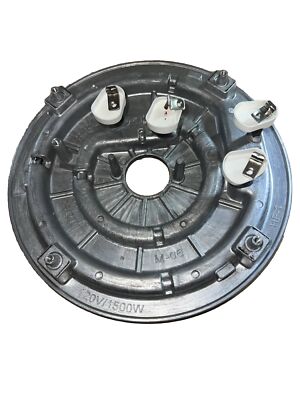
Failed heating elements ($30–$60 parts) or control boards ($60–$90) often cost 70% of a new entry-level cooker. Contact Instant Pot customer service (1-800-828-7280) for repair quotes—they sometimes offer discounts if your unit is near warranty expiration. Red flag: If multiple components failed (e.g., blown fuse + burnt wiring), replace the unit—hidden damage likely exists.
7-Step Pressure Cooker Heating Diagnostic Checklist
Use this sequence to pinpoint why your pressure cooker not heating up:
- Confirm power basics: Outlet works with other appliance? Cord fully seated at both ends?
- Test thermal fuse: Multimeter shows continuity? (No beep = replace fuse)
- Check relay K111: Hear distinct click at cycle start? No click = inspect solder joints
- Verify heating element: ≈15 ohms resistance across terminals? Infinite = replace element
- Validate liquid and settings: ≥1 cup thin liquid? Steam valve in “Sealing”? Lid locked?
- Inspect sealing system: Clean float valve? Flexible silicone ring with no gaps?
- Prevent burn errors: Deglazed pot after sauté? Contents below ⅔ full?
If all checks pass but heating fails, professional repair or replacement is needed. Document your findings—this speeds up technician diagnostics and may reveal hidden warranty coverage.
Regular maintenance prevents most heating failures: clean the sealing ring monthly, descale the steam valve weekly, and always use adequate thin liquid. With these habits, your pressure cooker will heat reliably for years. When your cooker stops heating, remember—most fixes take less time than waiting for customer service. Grab your multimeter and get cooking again tonight.