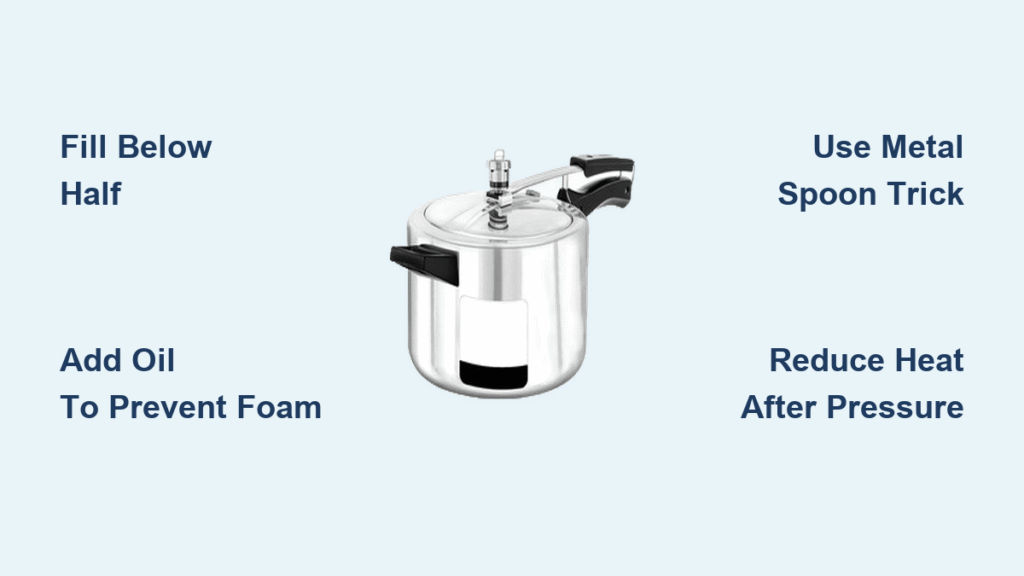
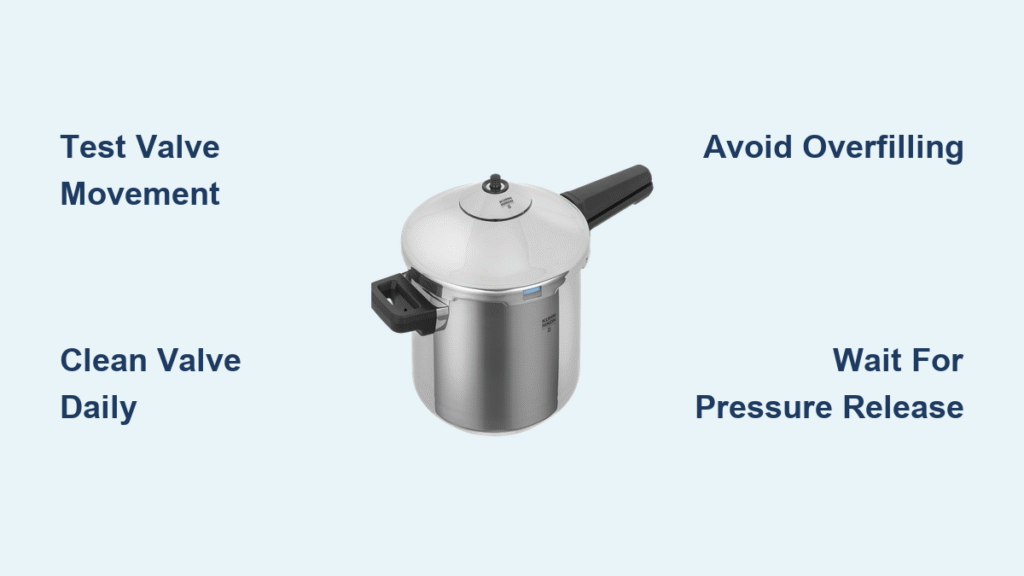
Your Kuhn Rikon pressure cooker isn’t building pressure, the valve won’t pop up, or you’re worried about safety. These issues often stem from simple problems you can fix at home. This guide walks through the most common Kuhn Rikon pressure cooker troubleshooting steps, with clear instructions to diagnose and resolve valve malfunctions safely. Proper maintenance prevents 90% of pressure-related failures, saving you time and potential hazards during meal preparation.
When your pressure cooker fails to reach proper cooking pressure, food burns on the bottom while remaining undercooked. This frustrating scenario typically points to valve system issues rather than electrical or thermal problems. Understanding how to quickly identify and address these common malfunctions keeps your Kuhn Rikon performing reliably for years. You’ll learn precise inspection techniques and cleaning methods that restore proper function without professional help in most cases.
Why Your Kuhn Rikon Pressure Valve Won’t Pop Up
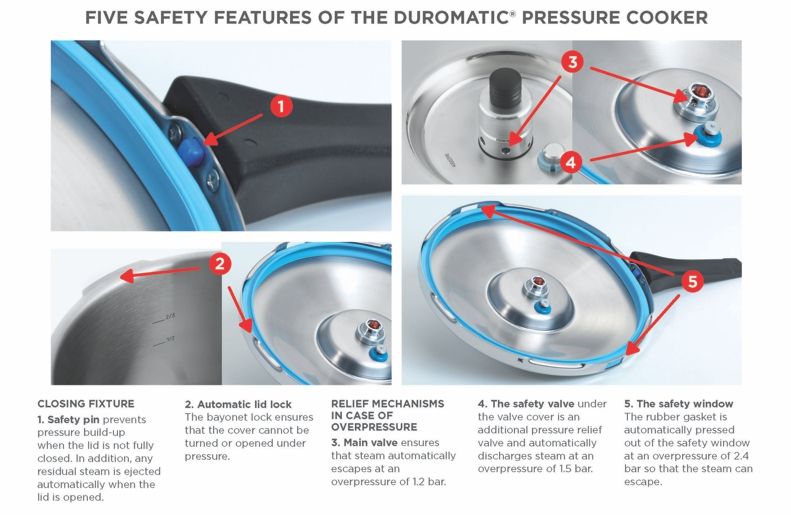
The pressure valve failing to rise during cooking is the most critical issue you’ll encounter. When this happens, your food burns on the bottom while pressure never builds properly. This malfunction creates dangerous situations where the cooker appears inactive but continues heating with no pressure release mechanism functioning.
Test Valve Movement Before Every Use
Before cooking, always test your pressure indicator by gently pulling upward on the valve. This five-second check prevents dangerous situations before they start. The valve should move smoothly without resistance or sticking points. If you feel any obstruction or need to apply force, stop immediately—your safety system is compromised.
Essential Valve Test Steps:
– Locate the pressure indicator on the lid
– Gently pull upward on the valve stem
– Feel for smooth, unrestricted movement
– Any resistance means the cooker needs service
Common Causes of Stuck Valves
Food debris, dried starch, or mineral deposits from hard water commonly block valve movement. Rice, pasta, and porridge are frequent culprits that foam and clog the valve system during cooking. Acidic foods like cranberries leave sticky residues that harden when cooled, restricting valve movement. Improper cleaning after previous uses allows these residues to accumulate over time.
Critical Warning: Never use the cooker if the valve test fails. Contact Kuhn Rikon technical support instead of forcing operation. The pressure indicator serves as your primary safety device—when it fails, the entire safety system is compromised.
Essential Pre-Cooking Valve Inspections
Every cooking session requires three critical valve inspections that take under a minute total. These checks prevent most pressure-related problems before you even add ingredients to the cooker. Skipping these simple steps accounts for the majority of preventable pressure cooker malfunctions reported to customer service.
Daily Valve Inspection Protocol
Quick Checks (30 seconds):
– Verify pressure indicator moves freely with gentle pull
– Look for visible debris in valve opening channels
– Ensure valve cap sits properly on stem without gaps
– Confirm no food particles block the pressure release ports
Deep Cleaning (Weekly):
– Remove valve cap carefully using manufacturer instructions
– Rinse all components under warm running water
– Use soft-bristled brush for stubborn residue in crevices
– Dry completely before reassembly to prevent moisture buildup
Safety Implications of Skipping Checks
The manufacturer explicitly states that restricted valve movement creates explosion risks. If your valve feels stuck after cleaning, the cooker requires professional service. Don’t attempt DIY repairs on safety-critical components—these valves require factory calibration to function properly under pressure conditions. Your safety depends on these components working exactly as designed.
Fill Level Mistakes That Block Your Valve System
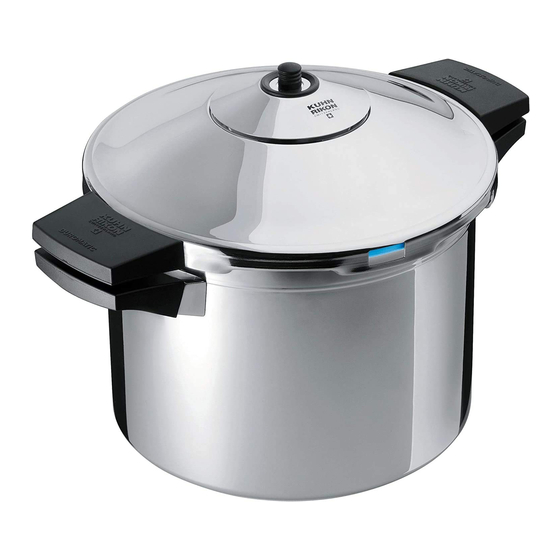
Overfilling is the primary cause of valve malfunctions you’ll encounter. When food expands during cooking, it physically blocks the pressure release system, preventing proper operation. Kuhn Rikon specifies maximum fill levels that many users ignore, leading to unnecessary troubleshooting scenarios.
Maximum Safe Fill Levels by Food Type
Critical Capacity Guidelines:
– General cooking: Never exceed two-thirds capacity
– Rice and grains: Maximum one-half full
– Fresh vegetables: Maximum one-half full
– Soups and stews: Two-thirds maximum
– Beans and legumes: One-half maximum
High-Risk Foods That Clog Valves
Kuhn Rikon explicitly prohibits these items due to foaming and expansion risks:
– Apple pie filling
– Cranberries and cranberry sauce
– Porridge or cottage cheese
– Barley and most grains not listed in manual
– Pasta of any type
– Rhubarb
Pro Tip: If you must cook these items, use a regular pot instead. The valve blockage risk outweighs any time savings from pressure cooking. These foods expand dramatically under pressure, creating foam that blocks safety valves.
When Your Pressure Cooker Won’t Open Safely
Handles that won’t separate indicate the cooker remains pressurized. This is normal safety behavior, not a malfunction—your Kuhn Rikon is doing exactly what it’s designed to do by preventing opening while under pressure.
Safe Pressure Release Methods
Natural Release (Recommended):
– Turn off heat completely
– Wait 10-15 minutes for natural cooling
– Test handles gently – they should separate easily
– Never force separation before pressure fully releases
Quick Release (If Recipe Allows):
– Move cooker to cool burner
– Use oven mitts and extreme caution
– Release pressure gradually according to manual
– Wait for all steam to escape before handling
Critical Safety Reminder
If handles require force to separate, pressure remains inside. Forcing the cooker open can cause explosive decompression and serious burns. Always wait for complete pressure release—your safety depends on respecting this fundamental pressure cooking principle.
Cleaning Valve Components for Reliable Performance

Proper cleaning prevents 80% of valve-related issues. The valve assembly requires specific attention after each use, not just general washing with the main pot.
Post-Cooking Cleanup Routine
Immediate Steps (2 minutes):
– Remove lid when safe to handle
– Rinse valve under warm water immediately
– Check for visible food particles in valve channels
– Wipe valve cap and stem dry before storage
Deep Cleaning Stubborn Residues:
– Mix equal parts white vinegar and water
– Soak valve components for 30 minutes
– Use soft brush for thorough cleaning of crevices
– Rinse thoroughly and dry completely before reassembly
Gas Hob Specific Valve Issues
Gas flames create additional challenges for pressure valve operation. The direct heat can cause faster residue buildup and valve sticking compared to electric heat sources.
Gas Flame Adjustment Guidelines
Critical Settings:
– Flame should not extend beyond cooker base
– Use medium heat to prevent valve overheating
– Monitor valve performance more closely than on electric
– Reduce heat once pressure builds to maintain steady operation
Extra Monitoring Required on Gas
On gas hobs, check valve movement twice during cooking:
– When pressure first builds (5-7 minutes)
– Halfway through cooking time
– Any time you notice pressure fluctuations or unusual sounds
When to Seek Professional Service
Some issues require Kuhn Rikon’s technical support rather than DIY fixes. Contact professionals immediately if you encounter these warning signs.
Red Flags Requiring Professional Attention
- Valve remains stuck after thorough cleaning
- Pressure indicator shows visible damage or warping
- Valve cap doesn’t seat properly despite cleaning
- Any safety valve component appears worn or cracked
Support Resources Available
- Kuhn Rikon website troubleshooting section
- Mobile app with guided diagnostics
- Direct technical support for valve issues
- Authorized service centers for safety valve replacement
Important: Never attempt DIY repairs on safety valves. These components require factory calibration and testing to ensure proper function under pressure.
Emergency Response Protocol for Malfunctions
If your cooker malfunctions during use:
- Turn off heat immediately – don’t move the unit
- Do not attempt to open the cooker – pressure remains
- Wait for complete cooling (30+ minutes minimum)
- Do not force the lid open under any circumstances
- Contact Kuhn Rikon support before next use
Preventative Maintenance Schedule
Following a simple schedule prevents most troubleshooting scenarios before they occur.
Daily (30 seconds):
- Valve movement test before cooking
- Visual debris check in valve openings
Weekly (10 minutes):
- Complete valve cleaning and inspection
- Check all seals for wear or damage
Monthly (30 minutes):
- Full valve assembly inspection
- Verify all components fit properly
- Check for unusual wear patterns
Key Takeaways for Safe Operation
Remember these critical points:
– Test the valve every single time – no exceptions
– Never overfill – follow capacity rules strictly
– Clean thoroughly after each use
– Wait for complete pressure release before opening
– Contact support for any persistent issues
Your Kuhn Rikon pressure cooker provides years of reliable service when properly maintained. Most troubleshooting needs resolve through these simple valve inspection and cleaning steps. When in doubt, prioritize safety and contact Kuhn Rikon’s technical support team for guidance—they’re trained to diagnose issues specific to your model. Proper care ensures your pressure cooker remains a safe, efficient kitchen tool rather than a potential hazard.