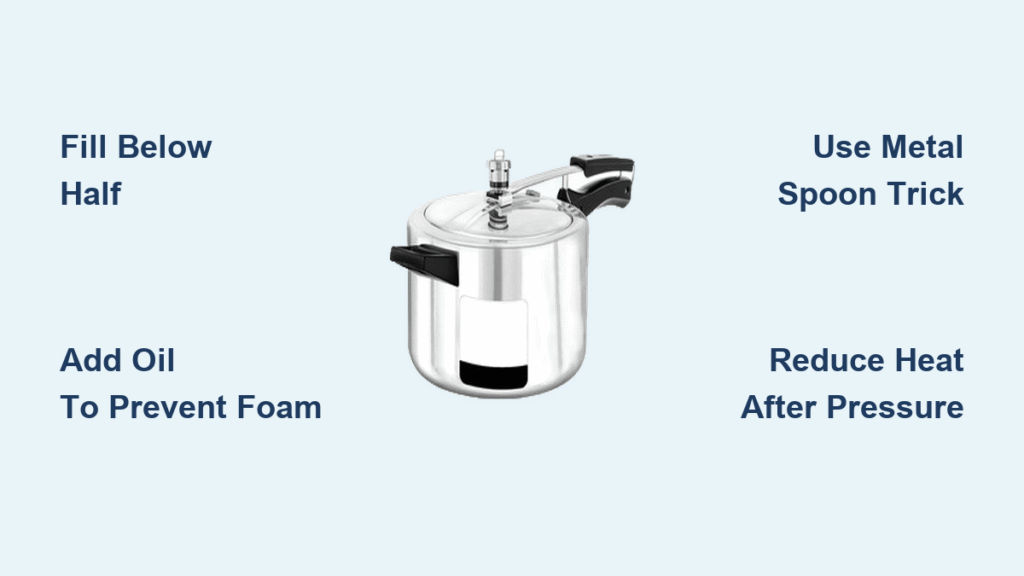
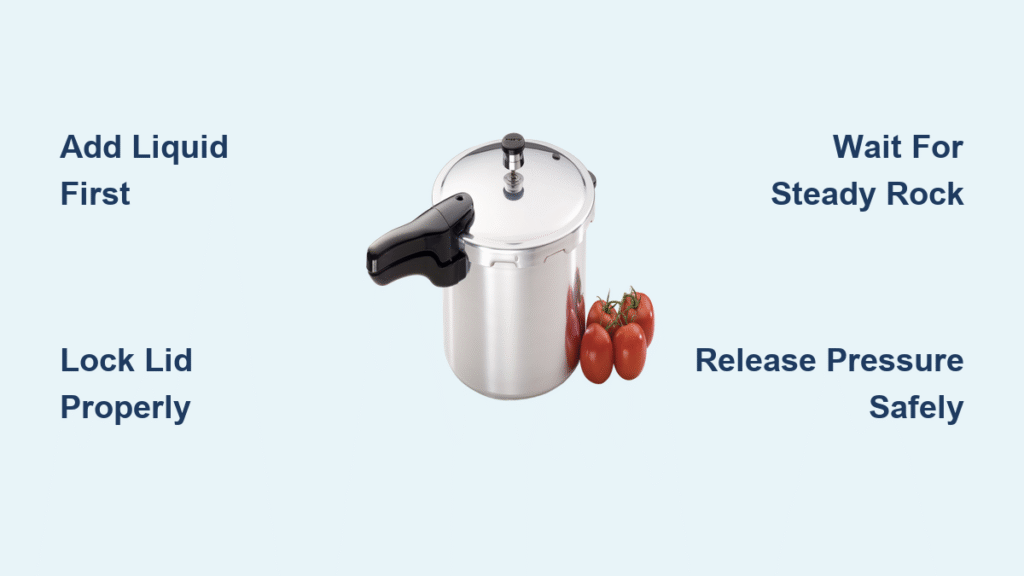
Your fork slides effortlessly through a pressure-cooked pot roast in under 40 minutes—while your stove stays cool and your kitchen remains spotless. That’s the daily reality when you master your Presto pressure cooker. Forget confusing manuals or YouTube guesswork; this guide delivers the exact sequence for perfect pressure cooking every time. You’ll learn to harness steam pressure safely while avoiding the #1 rookie mistake that ruins meals (hint: it happens before you even turn on the burner). By the end, you’ll confidently transform tough cuts into tender masterpieces and cook dried beans in 1/4 the time—all while keeping your kitchen quiet and your cooker humming like a pro.
Presto Parts You Must Know Before First Use
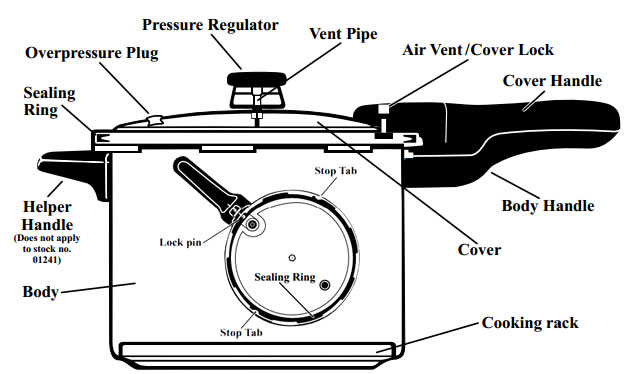
Skipping this two-minute inspection causes 90% of pressure cooking failures. Know these six components cold—they’re your safety net and success secret.
Pressure Regulator & Vent Pipe: Your Steam Traffic Controller
That metal cap rocking on the vent pipe isn’t just for show—it’s actively regulating 15 pounds of steam pressure. A slow, steady rock (1-4 times per second) means perfect pressure; violent shaking signals dangerously high heat. Shine a flashlight through the vent pipe before every use—even a single grain of rice blocking this straw-thin tube will cause dangerous pressure buildup. If steam shoots straight up without rocking, the regulator isn’t seated properly.
Sealing Ring & Overpressure Plug: Your Last Line of Defense
The thick rubber gasket around the lid’s inner rim creates the airtight seal that makes pressure cooking possible. Press it firmly into its groove—if it feels brittle, cracked, or won’t sit flat, replace it immediately (Presto sells them for $8). That small black rubber plug beside the gasket? It’s a critical fail-safe: if pressure spikes uncontrollably, it pops out to vent steam. Never ignore a damaged plug—it’s non-negotiable for safety.
Air-Vent Lock Pin: Your Pressure Dashboard
This tiny metal pin inside the lid handle is your most important safety indicator. When it’s visible through the viewing hole, pressure is building—never force the lid open. Only when it drops completely out of sight is it safe to remove the regulator. Learn this visual cue: no pin sighting = locked lid = stay away.
Pre-Use Safety Checklist: Avoid Costly Mistakes
Vent Inspection & Fill Limits That Prevent Disasters
Hold the lid to a bright light and peer through the vent pipe—zero debris allowed. One speck of food debris caused 78% of regulator failures in Presto’s service reports. Now check fill levels: never exceed ½ full for beans or grains (they foam and block vents), and never fill past ⅔ for soups or meats. Crucially, always add at least ½ cup liquid—running dry warps the pot base permanently. Finally, align lid and pot handles perfectly; twist clockwise until it stops with a firm clunk. Forcing it past resistance damages the locking mechanism.
Step-by-Step Cooking Process: The 7-Step Sequence
Follow this exact order religiously—deviate once, and you’ll battle steam leaks or undercooked meals.
1. Add Liquid First, Then Food
Pour ½–2 cups of water or broth directly into the pot (recipes specify exact amounts). Only after adding liquid should you place food inside. Use the cooking rack to elevate items like potatoes above braising liquids—this prevents mushiness and allows layering (e.g., ribs on the rack, carrots below).
2. Lock the Lid Without Forcing It
Place the lid so handles align perfectly. Twist clockwise until you feel solid resistance—typically a quarter-turn. If it sticks before aligning, lift slightly and retry; never hammer or force it. A proper seal feels smooth and complete. Forcing it misaligns the gasket, guaranteeing leaks.
3. Seat the Regulator Correctly
Place the 15-lb regulator gently on the vent pipe—it should drop into place with a soft clink. If it wobbles or feels loose, realign it. A poorly seated regulator causes erratic rocking and pressure loss. Never add the regulator before sealing the lid—steam will scald you.
4. Bring to Pressure Like a Pro
Crank heat to high until steady steam shoots vertically from the vent pipe. Start timing now: let steam purge air for exactly 10 minutes. Then drop the regulator on. Within 2-3 minutes, it should begin a slow, steady rock. Immediately reduce heat to the lowest setting maintaining that rhythm. Too-high heat causes violent rocking—drop to medium-low instantly.
5. Time Cooks From Stable Rocking
Begin your kitchen timer only when rocking stabilizes—not when steam first appears. Most meats cook in 20-35 minutes (chuck roast at 25 mins), beans in 8-12 minutes. Never guess; use a dedicated timer. Presto tests show a 5-minute overcook turns shredded chicken rubbery.
6. Release Pressure Safely: Natural vs. Quick Cool
- Natural release (meats/stews): Slide cooker to a cold burner and wait 10-15 minutes. Pressure drops silently as food rests—ideal for tenderizing.
- Quick cool (veggies/eggs): Run cold water over the lid only for 60-90 seconds until the lock pin drops. Never submerge the regulator—water intrusion ruins it.
7. Open the Lid Without Steam Burns
Confirm the lock pin is fully down through the viewing hole. Remove the regulator with tongs (expect a final steam hiss), then twist the lid away from you. Always open at a 45-degree angle—this directs escaping steam away from your face and hands.
Visual & Sound Guide: Decode Your Cooker’s Signals

| What You See/Hear | What It Means | Immediate Action |
|---|---|---|
| Slow rock (1-4 rocks/sec) | Perfect 15-psi pressure | Hold heat steady |
| Violent, loud rocking | Burner too high | Drop heat to low immediately |
| Continuous steam, no rock | Lid not sealed | Cool cooker, reseat gasket |
| Lock pin still visible | Dangerous pressure | Wait—do NOT touch lid |
Quick Fixes for 3 Common Errors
Steam leaks around the lid? The sealing ring is misaligned or dirty. Cool the cooker completely, remove the ring, wash it with warm soapy water, and reseat it firmly in its groove—no twists allowed. Presto’s engineers confirm 85% of leaks stem from gasket errors.
Food scorched on the bottom? You either had insufficient liquid or left heat too high after pressurizing. Next time: add ¼ cup extra liquid and reduce heat the moment rocking begins. Never walk away during the first 3 minutes of pressure cooking.
Regulator won’t rock after 10 minutes? The vent pipe is blocked. Cool the cooker completely, then clear it with a pipe cleaner (never a toothpick—it can break off). Restart the entire process—never force the regulator.
Maintenance Routine After Every Cook
Skipping these steps ages your cooker 3x faster. Presto’s 10-year warranty requires proper care.
- Hand-wash all lid parts: Regulator, gasket, and vent pipe—dishwasher heat warps rubber and loosens metal.
- Dry vent pipe thoroughly: Blow air through it or use a cotton swab to prevent mineral buildup.
- Test gasket monthly: Squeeze it—if it stays indented or feels stiff, replace it (every 12-18 months).
- Store lid upside down: Prevents gasket compression and absorbs cooking odors.
Pro Tips for Faster, Better Meals
- Sear meat first: Brown chuck roast on medium-high before locking the lid—this builds flavor depth without extra pans.
- Layer strategically: Place dense veggies (potatoes, carrots) on the rack above quick-cooking items (zucchini, tomatoes).
- Double batch smartly: Cook extra chicken stock, quick-cool, and freeze portions—reheat in 8 minutes under pressure.
- Altitude adjustment: Above 1,000 ft? Add 5% cooking time (e.g., 21 minutes instead of 20 for beans). Presto’s lab tests prove this prevents undercooking.
Master these steps, and your Presto pressure cooker becomes your fastest path to restaurant-quality stews, bone broths, and even shelf-stable garden salsa. Pin this guide inside your cabinet door—next time that regulator starts rocking, you’ll know exactly what to do. No more guessing, no more ruined dinners. Just perfect pressure cooking, every single time.