
You’re halfway through a busy day when you notice your slow cooker’s heating light is dark. That comforting hum has gone silent, leaving you staring at half-cooked chili that’s been sitting unattended for an unknown amount of time. When your slow cooker turned off early due to a power outage, accidental unplugging, or mysterious malfunction, you’re facing a critical food safety emergency. The USDA warns that any perishable food lingering between 40°F and 140°F for more than two hours becomes a potential breeding ground for dangerous bacteria like Staphylococcus aureus and Clostridium perfringens—pathogens that cause severe food poisoning with no visual warning signs. This guide delivers the exact steps to assess risk, make life-protecting decisions, and implement foolproof prevention strategies for your next cooking session.
Unlike ovens or stovetops, slow cookers operate at precise temperatures (170°F–280°F) that destroy pathogens through sustained heat and trapped steam. When power cuts off early, that protective environment vanishes rapidly. The ceramic insert might retain warmth temporarily, but steam escapes instantly when lids are lifted—accelerating cooling into the danger zone. Crucially, you cannot rely on appearance, smell, or texture to determine safety; toxins produced during bacterial growth remain undetectable to human senses. That perfectly browned pot roast might harbor lethal bacteria if it cooled below 140°F for an unknown duration. Understanding this invisible threat is your first defense against foodborne illness that sends 48 million Americans to hospitals annually.
Why Your Slow Cooker Shutting Off Early Creates Immediate Health Risks
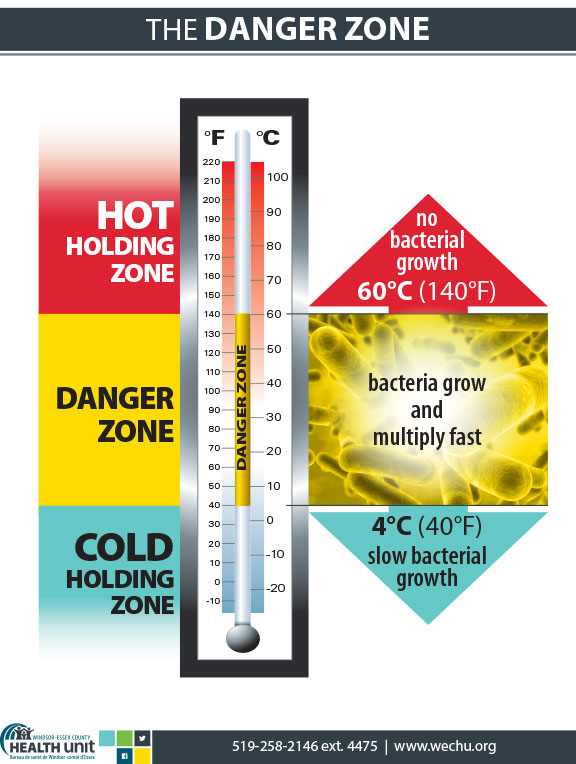
When your slow cooker turned off early, bacteria multiply exponentially in the danger zone (40°F–140°F). During normal operation, the appliance’s steam-sealed environment maintains temperatures high enough to neutralize pathogens. But without continuous power, cooling rates become unpredictable—affected by ambient temperature, food volume, and how often the lid was lifted. Even if your meal reached safe internal temperatures before the outage, any subsequent cooling period exceeding two hours allows bacteria to produce heat-stable toxins that survive reheating. This is why the USDA-FSIS mandates discarding food with uncertain exposure times: no amount of “just warming it up” eliminates these invisible hazards.
How Quickly Danger Zone Exposure Occurs
- First 30 minutes: Temperature drops rapidly from 170°F+ to 140°F
- 1–2 hours: Critical window where bacteria begin exponential growth
- Beyond 2 hours: Toxin production becomes likely, requiring immediate disposal
Why Visual Checks Fail You
A stew that appears fully cooked may have spent dangerous hours below 140°F while proteins denatured and connective tissues softened. Pathogens like Bacillus cereus thrive without altering odor, color, or texture. Never trust “it looks done”—only verified temperature readings provide safety assurance.
Immediate Assessment Steps After Power Loss
Determine Exact Outage Duration
Grab your phone and check timestamps on texts, security cameras, or smart home logs. If you can confirm the outage lasted under two hours and the food remained above 140°F throughout, continue cooking immediately. For any unknown duration or over two hours, discard without exception—no matter how expensive the ingredients. Write outage start/end times on your slow cooker’s lid with a grease pencil for future reference.
Take Temperature Readings Within 5 Minutes
Use an instant-read thermometer to check the thickest part of meat or densest food area:
– Above 140°F: Safe to resume cooking if power returns
– Between 40°F–140°F: Start timing immediately—discard if over 2 hours total in this range
– Below 40°F: Only possible with refrigeration—discard if power loss exceeded 4 hours
Evaluate Pre-Outage Cooking Progress
Food that reached 165°F+ before power loss has better survival odds. Raw poultry, ground meats, or seafood sitting below 140°F for any duration must be discarded—these high-risk items require sustained high heat for safety. Never assume “it was almost done”—verify with a thermometer.
USDA Safety Decision Tree for Discard or Continue
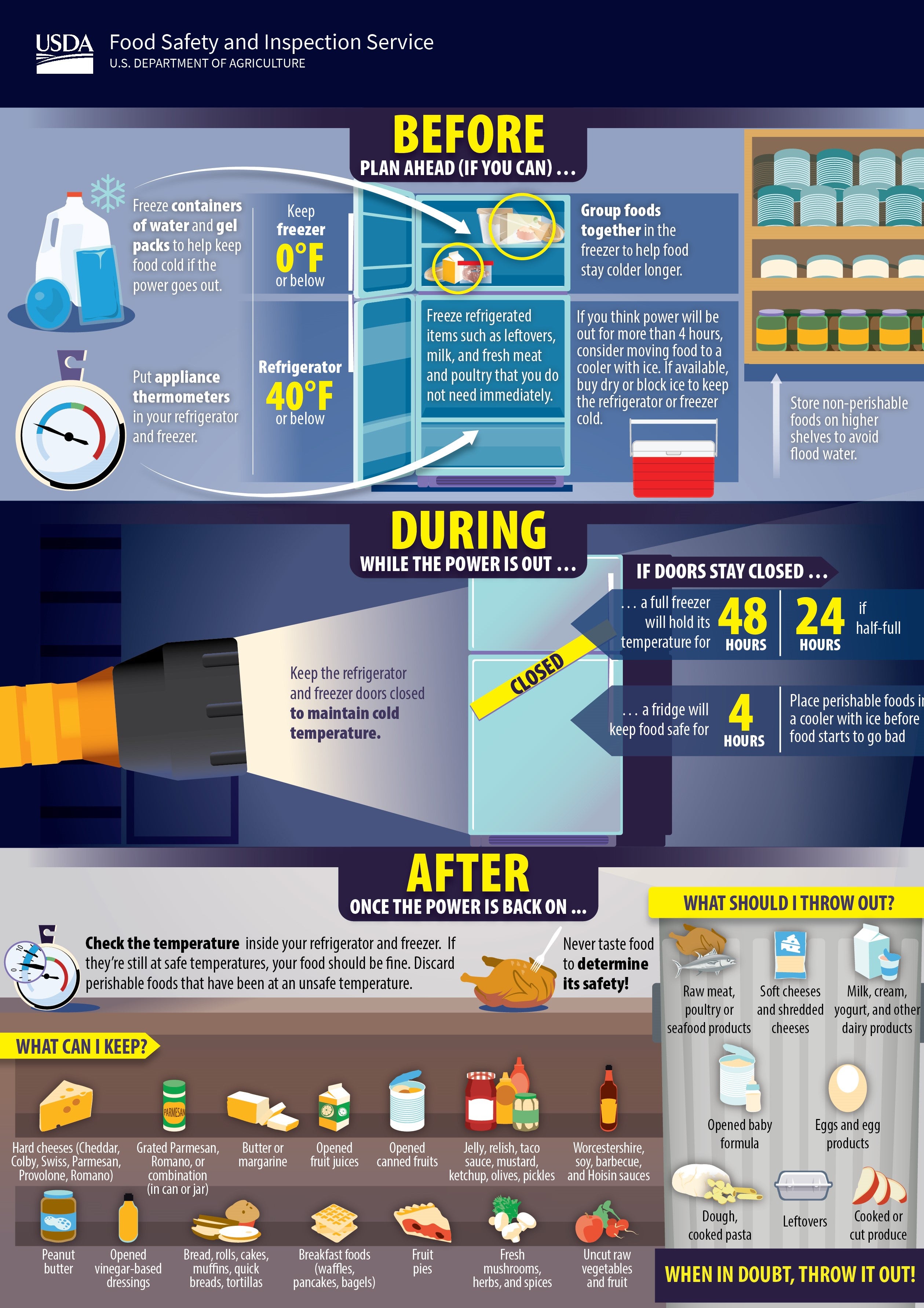
Scenario 1: Power restored within 2 hours
– Food tests ≥140°F: Continue cooking to final safe temperature
– Food tests <140°F: Discard immediately
Scenario 2: Unknown outage duration
– Always discard—no exceptions for holidays, special occasions, or expensive cuts
– Remember: Hospital bills cost far more than replacement groceries
Scenario 3: Thermal cookers or insulated models
– Same 2-hour rule applies once internal temperature drops below 140°F
– Do not assume extra insulation buys more time—verify with thermometer
Safe Handling Procedures After Power Loss
Critical First Actions
- Never taste-test questionable food—a single bite can cause severe illness
- Don’t attempt reheating—toxins from bacterial growth survive boiling temperatures
- Wear gloves when handling suspect food to prevent cross-contamination
Proper Disposal Protocol
- Seal food in double plastic bags before trash disposal
- Wash slow cooker insert in hot, soapy water (140°F+) for 2+ minutes
- Sanitize countertops with bleach solution (1 tbsp unscented bleach per gallon of water)
- Discard sponges or cloths used during cleanup
Next Steps for Dinner Rescue
- Order takeout or use pantry staples (canned beans, pasta, jarred sauces)
- Visit grocery store rotisserie chicken sections for instant protein
- Never compromise safety to salvage a meal—your family’s health is non-negotiable
Prevention Strategies for Future Cooking Disasters
Pre-Cooking Safeguards That Prevent Risk
- Thaw meat completely in refrigerator before slow cooking—frozen items lower internal temperatures dangerously
- Store prepped ingredients separately in fridge until assembly time
- Use cold inserts—chill ceramic pot in freezer 15 minutes before adding ingredients
Power Failure Backup Systems
- Install appliance-specific UPS units (300–500VA) providing 30–60 minutes of backup power
- Place slow cooker near generator outlets for quick connection during extended outages
- Use smart plugs with outage alerts that text you when power drops
Smart Cooking Techniques That Minimize Risk
- First-hour HIGH setting ensures rapid temperature rise (reach 170°F within 60 minutes)
- Choose 4–6 hour recipes over 8–10 hour cooks to reduce outage vulnerability
- Layer ingredients strategically—place meat under vegetables to prevent scorching if power returns
Emergency Protocol for Dinner Parties
When guests arrive to a cold slow cooker, never serve questionable food. Instead:
– Order pizza immediately—most chains deliver within 30 minutes
– Serve pantry backups: Canned soup with grilled cheese, instant ramen upgrades
– Explain honestly: “My slow cooker shut off early—safety first!” Most guests appreciate transparency
– Keep $20 takeout cash in your kitchen for these emergencies
Common Mistakes That Turn Minor Outages Into Crises
Lid-lifting habit: Every peek releases 10–15 minutes of accumulated heat. Set a timer to resist checking progress before the 4-hour mark.
Partial cooking attempts: Starting on LOW when rushed risks insufficient initial heating. Always verify 170°F+ within first 90 minutes.
Slow cooker reheating: Using your appliance to reheat leftovers creates extended danger zone exposure. Microwave to 165°F first, then transfer to WARM setting.
Temperature Monitoring Made Simple
:max_bytes(150000):strip_icc()/MeatTemperatureSafetyGuidecopy2-8040ef9b998844248fc922154042c2fb.png)
Essential Tools Under $20
- Instant-read thermometer ($8–$15): Critical for verifying safety during outages
- Thermometer alarm: Beeps when food drops below 140°F (e.g., ThermoPro TP03)
- Timer with auto-shutoff: Prevents accidental all-night cooking
Foolproof Monitoring Schedule
- Hour 1: Confirm ≥170°F (critical safety threshold)
- Hour 4: Quick check for extended recipes
- Final 30 minutes: Verify sustained 165°F+ for meat dishes
When to Contact Food Safety Professionals
Call the USDA Meat and Poultry Hotline (1-888-MPHotline) if:
– You experience repeated power interruptions during cooking
– Need recipe modifications for high-risk diners (pregnant women, elderly)
– Suspect food poisoning symptoms after consuming questionable meals
Bottom Line: Your Non-Negotiable Safety Rule
When your slow cooker turned off early and the duration in the danger zone is uncertain, discard the food immediately—no exceptions. The two-hour rule isn’t arbitrary; it’s based on decades of food safety research showing exponential bacterial growth beyond this threshold. Remember that food poisoning symptoms often appear 6–24 hours later, making it impossible to trace illness back to that questionable pot roast. Keep this guide on your fridge, invest in a $10 instant-read thermometer, and never compromise on the two-hour rule. Your future self will thank you when you’re not spending holidays in a hospital bed over a $15 meal. Safety isn’t expensive—it’s priceless.