Your slow cooker shouldn’t be a mystery box where meat goes to either dry out into shoe leather or stay stubbornly undercooked. When you toss a 3-pound pork shoulder in without knowing the exact slow cooker time per pound, you’re gambling with dinner—and food safety. This isn’t just about convenience; USDA data shows undercooked meat causes 20% of foodborne illness outbreaks annually. Whether you’re meal-prepping for the week or hosting Sunday dinner, mastering pound-based timing transforms your results from hit-or-miss to consistently fork-tender perfection. You’ll discover why weight matters more than you think, how to adjust for your specific cut, and the critical temperature thresholds that guarantee safety without sacrificing texture.
Beef Timing Rules by Cut Size
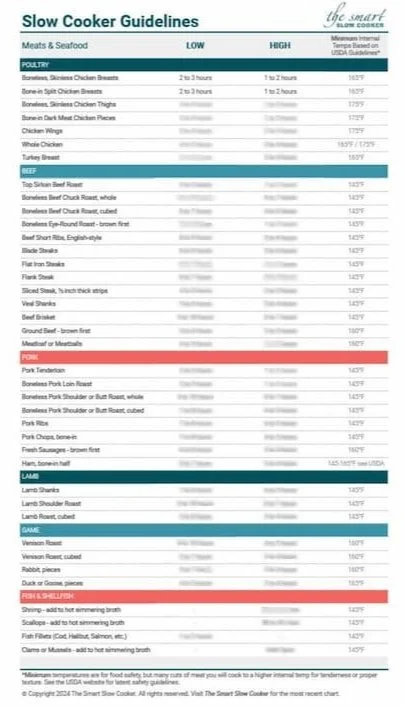
Large Cuts Time Calculator
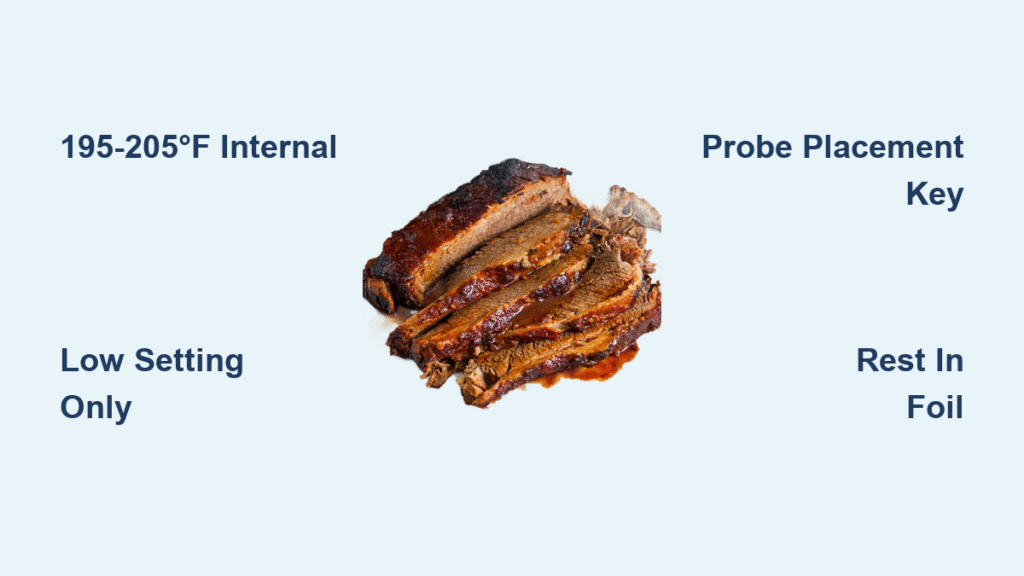
Whole beef roasts like chuck or brisket demand precise pound-based calculations. For every pound of refrigerated meat, allow 1.5–2 hours on low heat. A 4-pound chuck roast requires 6–8 hours at 190°F to reach the magic 195–205°F internal temperature for shredding. Switch to high heat? Cut time to 45–60 minutes per pound—but never skip the 15-minute rest period. This resting phase lets juices redistribute so your meat stays moist when carved. Critical mistake alert: Starting with room-temperature meat shaves 15–30 minutes per pound off timing, but frozen beef should never go straight into the cooker—uneven thawing creates dangerous cold spots.
Ground Beef Exception
Forget weight rules entirely with ground beef—it’s about surface area, not mass. Whether you’re cooking 1 pound for tacos or 3 pounds for chili, total time stays fixed: 4–6 hours on low or 2–3 hours on high. The non-negotiable rule? Every bit must hit 160°F internal temperature. Use an instant-read thermometer in multiple spots since ground meat cooks unevenly. Pro tip: Brown it first for 10 minutes before slow cooking—this builds flavor through Maillard browning and prevents clumping.
Pork Shoulder Perfect Timing
Boston Butt Breakdown
Pork shoulder follows the most reliable ratio in slow cooking: 2 hours per pound on low, 1 hour per pound on high. Your 5-pound Boston butt needs exactly 10 hours on low to reach 195–205°F internal temperature. How do you know it’s done? The bone slides out cleanly with zero resistance, and two forks pull the meat apart effortlessly. Visual cue: When juices run clear (not pink) at the bone joint, you’ve nailed it. For spare ribs versus baby backs, add 30–60 minutes to the total time since spare ribs have more connective tissue.
Pork Loin Danger Zone
Pork loin’s leanness makes it a timing landmine. Allow just 1–1.5 hours per pound on low—any longer and it turns dry. Pull it at 140°F internal temperature; carryover cooking during the mandatory 15-minute rest will safely raise it to 145°F. On high heat? 30–45 minutes per pound max. Critical warning: Bone-in loins need 15–30 minutes extra per pound. If your 2-pound loin is still tough after 3 hours on low, it’s likely overcooked—moisture can’t be recovered once lost.
Poultry Weight Guidelines

Whole Chicken Formula
Size caps matter as much as timing. Never cook whole chickens over 6 pounds—larger birds won’t heat evenly, risking undercooked thighs. For a standard 4-pound bird, allow 1.5–2.5 hours per pound on low (6–8 hours total). The thickest part of the thigh must hit 165°F—no exceptions. On high heat? 45–75 minutes per pound. Troubleshooting tip: If liquid pools excessively in the cooker, prop the bird upright on onion quarters. This elevates it above the broth, preventing steaming that makes skin soggy.
Chicken Parts Shortcut
Bone-in thighs ignore weight rules entirely: 4–6 hours low or 2–3 hours high regardless of poundage. Boneless breasts cook faster but dry out easily—stick to 3–4 hours low or 1.5–2 hours high. Key insight: Bone-in pieces need 30–60 minutes longer than boneless equivalents. For frozen chicken parts? Thaw overnight first—never cook from frozen, as exterior overcooks before interior reaches 165°F.
Variables That Change Everything
Starting Temperature Factor
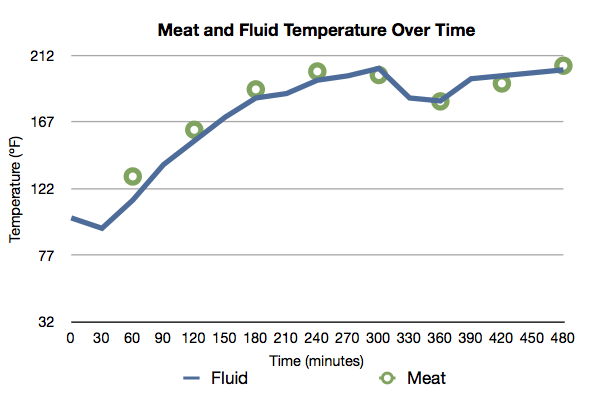
Your meat’s starting temp dramatically shifts timing. Room-temperature (70°F) meat reduces time by 15–30 minutes per pound versus refrigerated (40°F) cuts. But frozen protein? Never cook it directly—unpredictable thawing creates bacterial breeding grounds in the 40–140°F danger zone. If you forgot to thaw, submerge sealed meat in cold water for 30 minutes per pound before cooking.
Cut Thickness vs Weight
A flat 3-pound brisket cooks faster than a cylindrical 3-pound round roast. Thickness—not weight—determines heat penetration. Flat cuts finish 30–60 minutes earlier per pound. Pro solution: Butterfly thick roasts to create uniform thickness. This reduces time by 20% and prevents undercooked centers.
Liquid Level Impact
Too much liquid acts like a heat sink, adding 15–30 minutes per pound. Stick to 1 cup minimum for most recipes—never submerge protein. For thick sauces like BBQ, add 15 minutes per pound since dense liquids transfer heat slower. Fix for watery results: Remove the lid during the last hour to evaporate excess moisture.
Testing for Perfect Doneness
Temperature Probe Method
An instant-read thermometer is your only reliable tool. Insert into the thickest section (avoiding bone) for 10 seconds. Shreddable meats need 195–205°F; sliceable cuts pull at 160°F. Critical note: Temperature rises 5–10°F after removal due to carryover cooking—factor this in when checking early.
Visual Cues That Never Fail
- Beef: Twist a fork into the thickest part—it should rotate freely with no resistance
- Pork: Bone releases with a gentle tug, not force
- Poultry: Clear juices flow when you pierce the thigh joint
If juices run pink, keep cooking—no matter what the timer says.
Common Timing Mistakes
Overcooking Prevention
Lean cuts like chicken breast dry out past 165°F. Start checking 30 minutes before minimum time. For pork loin, pull immediately at 140°F—resting finishes the job. Time-saving trick: Use the “warm” setting for up to 2 hours after cooking to hold temperature without further cooking.
Undercooking Safety Check
Undercooked meat isn’t “rare”—it’s dangerous. Reheat leftovers to 165°F within 2 hours to kill bacteria. If your 5-pound pork shoulder reads 180°F after 8 hours on low? It needs more time—195°F is mandatory for safe shredding.
Liquid Management Fix
Too soupy? Remove the lid for the last 30–60 minutes. Too dry? Add ¼ cup hot broth (never cold—it drops the temperature). Pro move: Thicken sauces by mixing 2 tbsp cornstarch with 2 tbsp cold water per cup of liquid, then stir in during the last 30 minutes.
Food Safety Timing Rules
Danger Zone Limits
Bacteria multiply rapidly between 40–140°F. Never leave food in this range over 2 hours total. When reheating, reach 165°F within 2 hours. Critical reminder: If your slow cooker takes over 2 hours to reach 140°F, it’s unsafe—replace it.
Storage Timing
Cool leftovers in shallow containers within 2 hours of cooking. Refrigerate for 3–4 days max, or freeze for 2–3 months. Safety hack: Portion large batches into meal-sized containers before cooling—they chill faster, reducing bacterial growth.
Mastering slow cooker time per pound eliminates dinner disasters. Remember the core ratios: 1.5–2 hours per pound for beef roasts, 2 hours per pound for pork shoulder, and 1.5–2.5 hours per pound for whole chickens—all on low heat. Always verify with a thermometer, never guess. For your next cook, sear meat first for deeper flavor, then stick to the pound-based timing. Your perfectly tender brisket, fall-apart carnitas, and juicy chicken thighs will make you wonder why you ever followed vague “cook until done” recipes.