The smell hits you first—a sharp, acrid odor that makes your eyes water. You rush to the kitchen, expecting to find dinner perfectly simmering in your slow cooker, only to discover it’s emitting a dangerous burning plastic smell. This isn’t just unpleasant; it’s a critical warning sign that demands immediate action. When your slow cooker smells like burning plastic, you’re dealing with potential fire hazards and toxic fume exposure that could compromise your home’s safety and your family’s health.
This alarming situation affects thousands of households annually, often during meal preparation when you least expect it. Whether you’re cooking a Sunday roast or preparing freezer meals for the week, understanding why this happens and how to respond properly could prevent property damage or even save lives. In this guide, you’ll discover exactly what causes that terrifying burning plastic odor, how to safely address it in the moment, and proven strategies to prevent future occurrences—without risking your safety or voiding warranties.
Immediate Safety Actions for Burning Plastic Smells

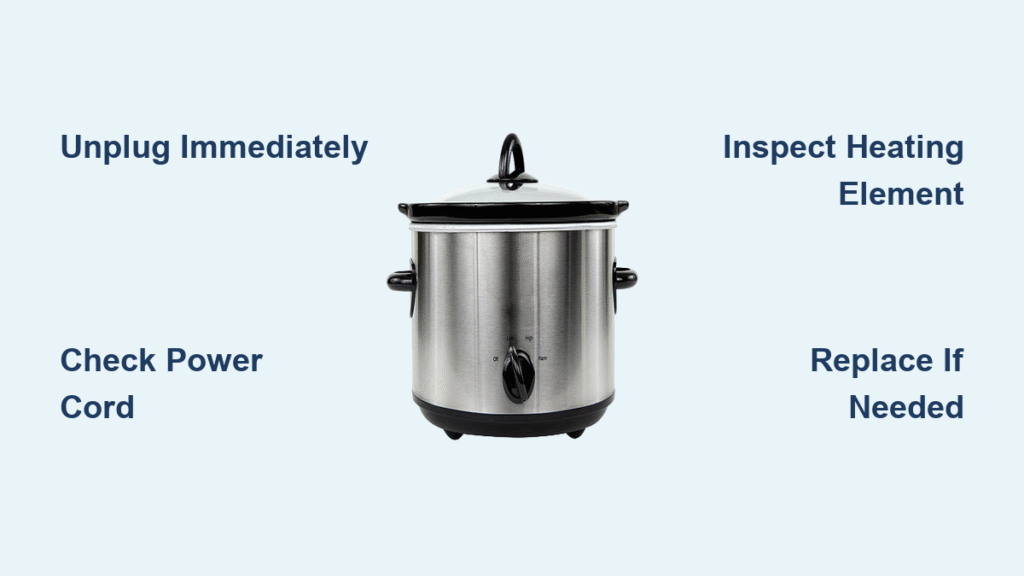
Unplug your slow cooker immediately when you detect burning plastic odors—do not wait to investigate first. This smell indicates active melting of components or electrical failure that could escalate to fire within minutes. Time is critical; every second counts when dealing with potential electrical hazards. After unplugging, open all nearby windows and turn on exhaust fans to clear toxic fumes from your kitchen airspace.
Conduct a visual damage assessment once the appliance has cooled completely. Carefully examine the base unit for melted plastic, warped surfaces, or unusual discoloration that indicates overheating. Pay special attention to where the power cord connects to the base, as this junction commonly fails. If you notice smoke or flames, use a Class C fire extinguisher designed for electrical fires—never attempt to extinguish electrical fires with water.
Document the incident thoroughly before cleaning or attempting any fixes. Take multiple photos showing the damage from different angles, noting the exact time, cooking setting, and contents when the smell began. This documentation proves essential if you need to file a warranty claim or contact the manufacturer about a potential defect. Keep your purchase receipt handy, as most manufacturers require proof of purchase for warranty service.
Identifying Common Burn Sources in Your Slow Cooker

Heating Element Malfunctions
Internal heating elements can develop hot spots when food debris accumulates around their housing or when thermostats fail to regulate temperature properly. These concentrated heat areas directly contact plastic components, causing them to melt and emit that distinctive burning plastic smell. Check for blackened or discolored areas around the heating element housing—these visual cues confirm overheating has occurred.
Damaged Power Cord Hazards
Frayed or cracked power cords create dangerous conditions where internal wires become exposed, causing sparks that melt surrounding insulation. Inspect the entire cord length, particularly where it enters the base unit, as this area experiences the most stress during regular use. Never attempt temporary fixes with electrical tape—this creates additional fire risks as the tape itself can melt when exposed to heat from damaged wiring.
Lid Seal and Gasket Failures
Over time, silicone or rubber gaskets can degrade, especially when exposed to high-acid foods like tomato-based sauces or citrus marinades. When these compromised seals overheat, they emit odors indistinguishable from burning plastic. Examine the lid rim for sticky residue, cracks, or brittleness—these signs indicate your gasket needs replacement before further use.
Diagnostic Steps to Pinpoint the Problem
Comprehensive Visual Inspection Protocol
Begin with the exterior surfaces: look for any warping, melted spots, or unusual discoloration on the base unit that indicates overheating. Remove the ceramic insert completely and inspect the heating cavity for food spills that may have seeped into electrical components. Use a flashlight to examine hard-to-see areas around the heating element housing and power cord connection point—these often reveal the source of burning smells.
Temperature Residual Testing
After the appliance has cooled completely for several hours, perform a temperature check on all components. The ceramic insert and metal heating plate should feel room temperature. If any plastic parts remain warm or hot hours after unplugging, this indicates internal damage has occurred that requires professional assessment or complete replacement.
Electrical System Assessment
Only attempt electrical testing if you’re experienced with appliance safety procedures. With the slow cooker completely unplugged, visually inspect internal components for obvious damage like melted wires or charred areas. If you have electrical testing equipment and knowledge, check for continuity issues, but recognize that most consumers should leave electrical diagnostics to qualified professionals to avoid shock hazards.
Dangerous “Fixes” That Actually Increase Risk
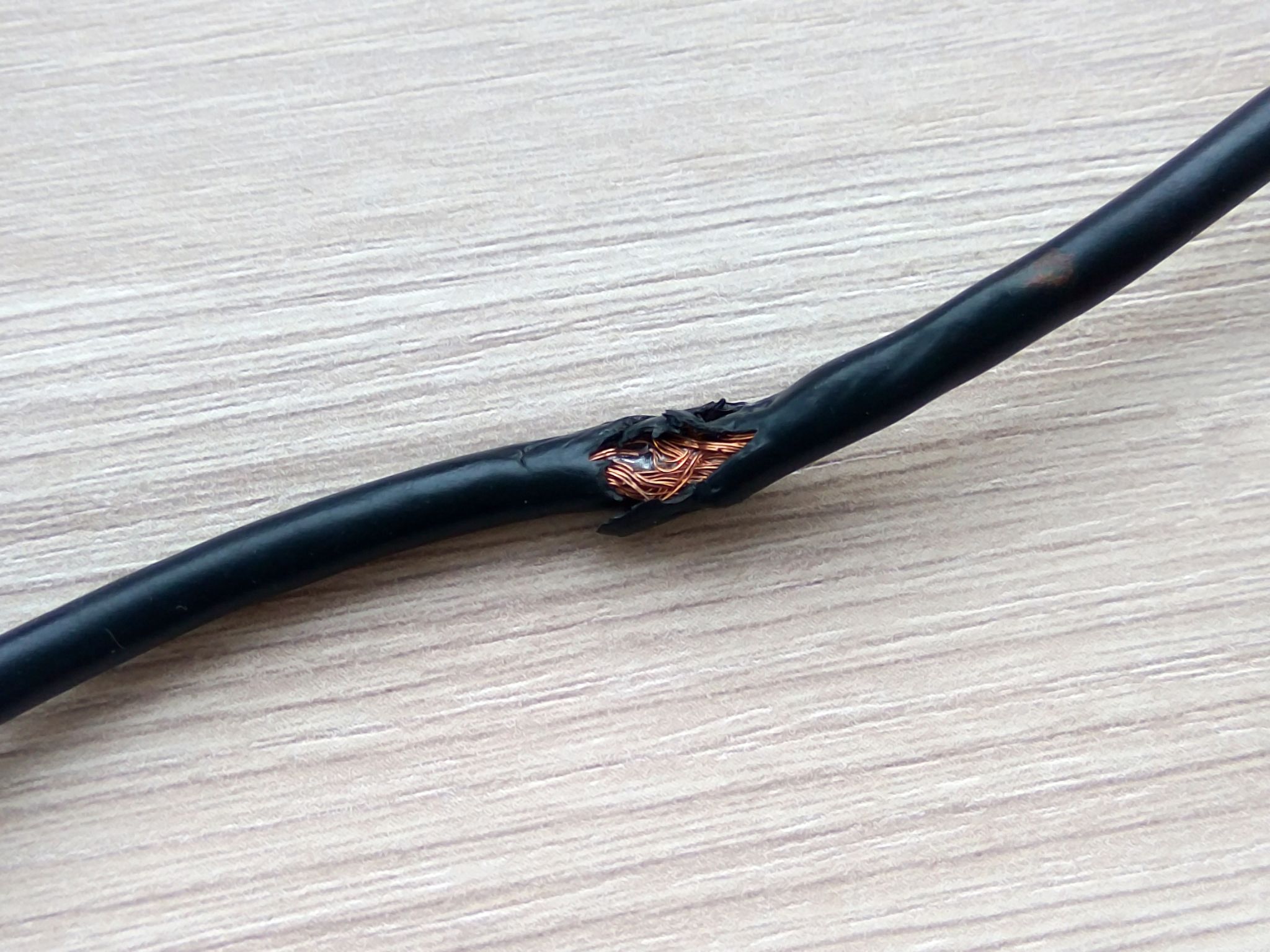
Temporary Cord Repair Dangers
Wrapping damaged cords with electrical tape creates immediate fire hazards that many homeowners overlook. The tape melts when exposed to heat from damaged wiring, exposing live electrical components and dramatically increasing shock risk. Similarly, using extension cords not rated for your slow cooker’s amperage causes dangerous overheating at connection points—always plug directly into wall outlets.
Ignoring Early Warning Signs
That “slight” plastic odor you might dismiss as “just breaking in” often signals developing problems that worsen rapidly. Minor component failures frequently cascade into major electrical shorts within minutes. Never continue cooking once any plastic smell appears, regardless of how mild it seems—this single decision prevents most slow cooker-related fires.
DIY Internal Cleaning Risks
Attempting to clean internal heating elements yourself risks electrical shock and voids manufacturer warranties. These sealed components contain electrical elements that require professional service when compromised. Homeowners who disassemble their slow cookers often create additional damage that makes safe repair impossible.
When to Replace Versus Repair Your Slow Cooker
Age-Based Replacement Guidelines
Slow cookers older than five years showing burning plastic smells typically require complete replacement rather than repair. Newer models still under warranty may qualify for free service, but check your purchase date first—most manufacturers cover electrical failures for only one to three years. Units with visible melting or warping almost always need replacement regardless of age.
Cost-Benefit Analysis for Repairs
Consider both financial and safety factors when deciding between repair and replacement. While power cord replacement might cost $25-40 and be worthwhile for newer units, heating element or control board repairs often exceed half the cost of a new appliance. For units over four years old, replacement generally provides better long-term value and safety assurance.
Safety Risk Assessment Framework
Any burning plastic smell indicates compromised safety systems that cannot be fully trusted after the incident. Even after apparent “fixing,” internal damage may create future fire hazards that aren’t immediately visible. When safety is in question—which it always is with burning plastic smells—replacement provides guaranteed peace of mind that repair cannot match.
Preventing Future Burning Plastic Incidents
Daily Maintenance Protocol
Establish a simple post-use routine: wipe the heating cavity with a damp cloth once completely cool, remove the ceramic insert to clean spilled food from the heating well, and inspect the power cord for nicks or kinks. This five-minute habit prevents most buildup that leads to overheating and burning smells.
Optimal Usage Practices
Always maintain minimum fill levels—never operate your slow cooker empty—as this prevents dangerous overheating of components. Avoid high-temperature settings for extended periods when cooking low-moisture foods, and maintain at least six inches of clearance from walls and other appliances for proper ventilation.
Proper Storage Techniques
Store your slow cooker with the lid slightly ajar to prevent gasket compression and seal degradation. Wrap the power cord loosely around designated storage areas—tight wrapping causes internal wire breakage over time. Keep your appliance in a dry location to prevent electrical corrosion that leads to component failures.
Essential Emergency Response Preparation
Kitchen Safety Equipment Checklist
Maintain a Class C fire extinguisher rated for electrical fires within ten feet of your cooking area. Install smoke detectors with hush buttons near your kitchen and test them monthly. Keep oven mitts nearby specifically for safely unplugging malfunctioning appliances without risking burns.
Post-Incident Cleanup Procedures
After a burning plastic incident, ventilate your kitchen with fans and open windows for at least two hours before resuming normal cooking. Use baking soda to absorb lingering odors from fabrics and surfaces. If plastic smoke spread through your home’s HVAC system, replace filters immediately to prevent recirculation of toxic particles.
Health Protection Measures
Seek fresh air immediately if you experience dizziness, headache, or breathing difficulty during a burning plastic incident. Persistent symptoms require medical evaluation for potential fume inhalation effects. Consider installing air purifiers with HEPA and carbon filters if household members have respiratory sensitivities.
A burning plastic smell from your slow cooker demands immediate attention—never ignore this critical warning sign. Quick action prevents fire damage and protects your family’s health, while understanding when to replace versus repair ensures long-term kitchen safety. Regular maintenance and proper usage prevent most incidents, allowing your slow cooker to serve safely for years. When replacement becomes necessary, prioritize models with automatic shut-off features and overheat protection—your peace of mind and family safety justify the investment in a quality, safety-certified appliance.