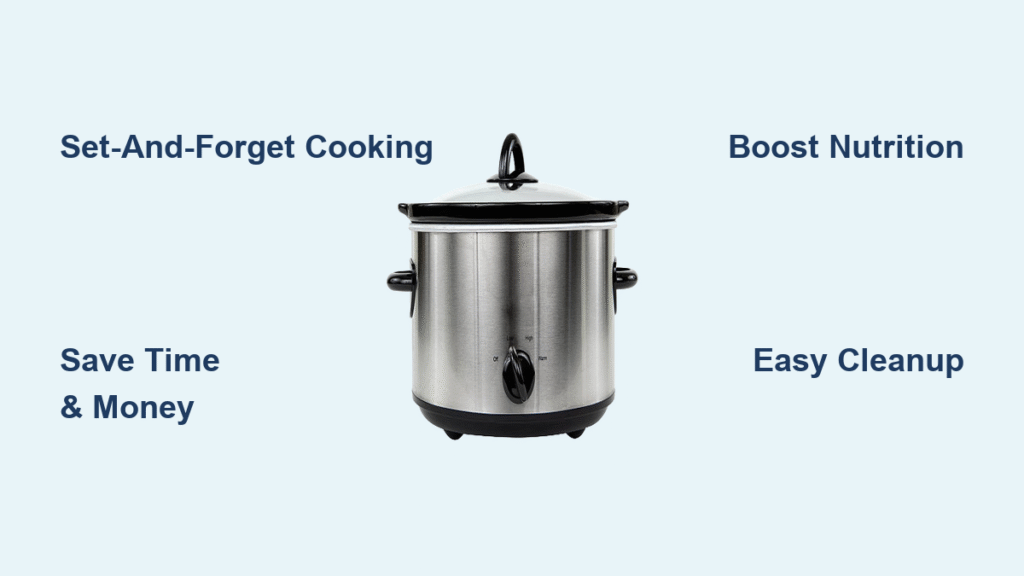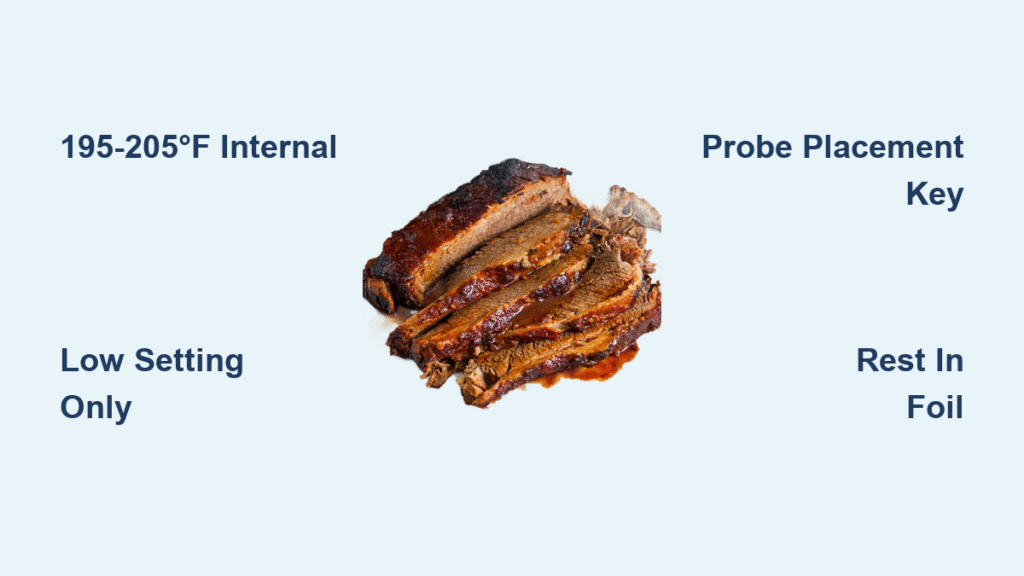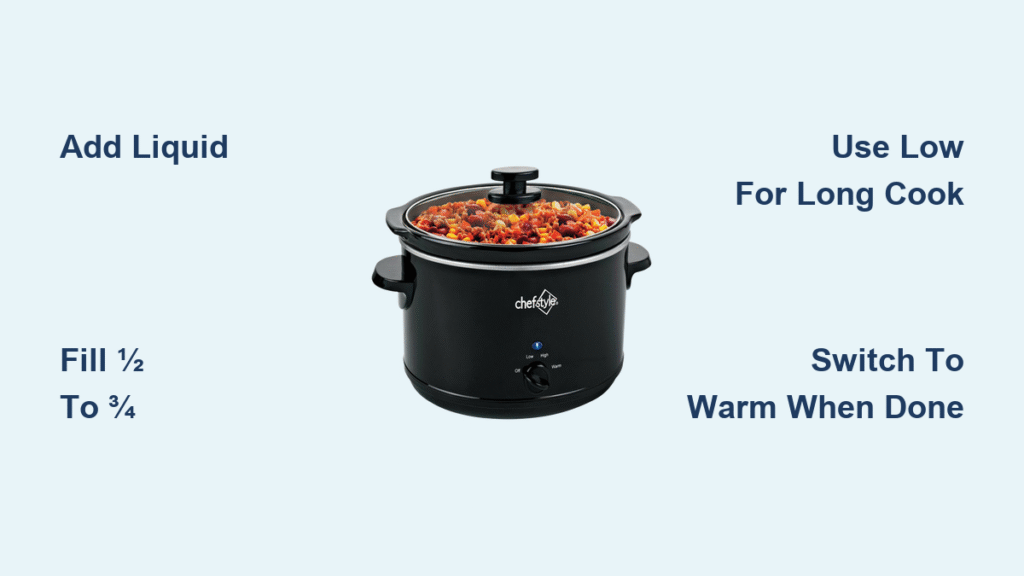

You’ve just unboxed your new Ninja slow cooker, but those buttons look more confusing than your smartphone’s settings menu. You’re not alone—most home cooks waste months using just the basic slow cook function while missing out on searing, steaming, and other professional techniques built into their appliance. This guide cuts through the confusion with actionable steps that transform you from hesitant button-pusher to confident slow cooking master in under 30 minutes. Whether you’re preparing a weeknight dinner for your family or meal-prepping for the week, knowing how to use Ninja slow cooker properly will save you time, prevent kitchen disasters, and elevate your everyday meals.
Stop following complicated manuals that assume you’re a culinary expert. I’ll show you exactly where to place ingredients for even cooking, which buttons actually matter for your favorite recipes, and how to troubleshoot problems before they ruin dinner. By the end of this guide, you’ll be using your Ninja slow cooker like a pro who’s cooked with it for years—not someone who’s still reading the instruction manual.
Position Your Ninja Slow Cooker for Safe Operation
Remove Packaging and Clean Components Thoroughly
Before your first use, meticulously inspect every nook and cranny for hidden plastic bags—Ninja often tucks them between the ceramic pot and heating base. Wash the ceramic pot, glass lid, and any included accessories in warm, soapy water using a non-abrasive sponge. Rinse until water runs completely clear, then dry each piece with a soft towel. Skipping this step risks chemical residues from manufacturing affecting your food’s taste and safety. Never use harsh scouring pads that could damage non-stick surfaces on certain models.
Choose the Perfect Countertop Location
Place your Ninja on a flat, heat-resistant surface with at least six inches of clearance on all sides—this prevents heat damage to surrounding cabinets and ensures proper ventilation. Avoid positioning near sinks where splashes could reach electrical components. The power cord should reach your outlet without stretching across walkways or dangling where it could be tripped over. If your kitchen counters get direct sunlight, position the unit away from windows to prevent false temperature readings that affect cooking results.
Program Your Ninja Slow Cooker in Under a Minute

Decode Button Functions for Perfect Results
Press the Power button once to activate your Ninja—don’t hold it, as that shuts the unit down completely. Cycle through temperature settings using the Temp button: LOW (190°F) for all-day cooking, HIGH (212°F) for faster results, and WARM (165°F) for keeping finished dishes ready to serve. The Time button adjusts in precise 30-minute increments up to 12 hours, while the Start/Stop button launches or pauses your cooking cycle instantly. Critical tip: Always press Start after setting your time—many beginners forget this step and wonder why nothing happens.
Interpret Display Messages Like a Pro
The digital screen provides real-time cooking status without opening the lid. When “Heat” illuminates, your Ninja is actively cooking at your selected temperature. The countdown timer shows exact minutes remaining, so you’ll know when dinner’s ready without constant checking. When cooking completes, “Warm” appears automatically, keeping food safe for up to four hours—perfect for unpredictable schedules. If you see “Err” on the display, unplug the unit for 30 seconds then restart; this resolves most common error messages.
Load Ingredients for Even Cooking Every Time
Strategic Layering Prevents Common Problems
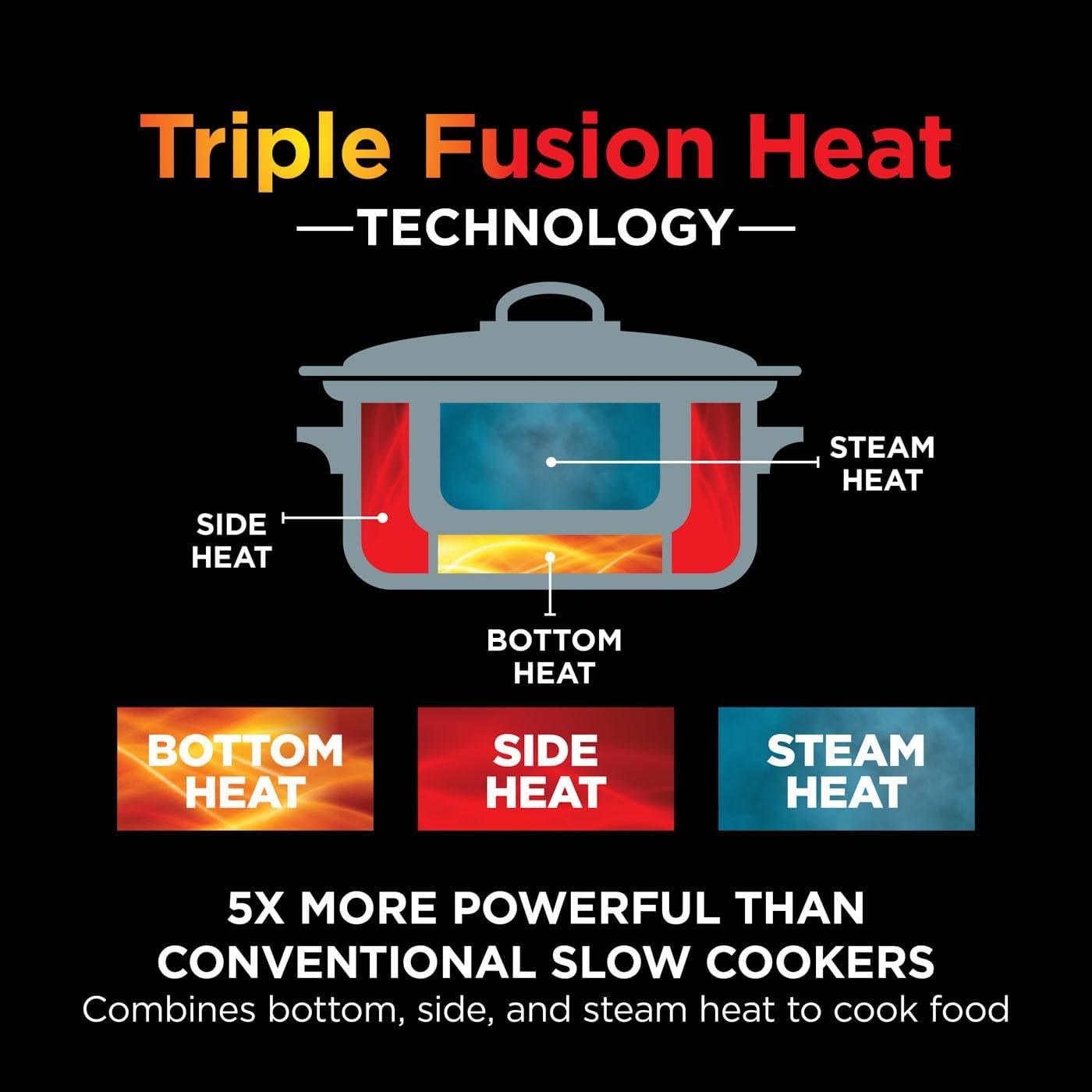
Insert the ceramic pot into the heating base until it sits flush without wobbling—misalignment causes uneven heating. Fill between halfway and three-quarters full; too little leads to burning, while overfilling causes messy spills. Place dense root vegetables like potatoes and carrots on the bottom where heat concentrates, followed by proteins like chicken thighs or beef chuck. Top with delicate ingredients like bell peppers and fresh herbs that cook quickly. Pro mistake to avoid: Pouring liquid directly over the top layer—instead, gently add it around the sides to preserve texture and flavor layers.
Liquid Requirements That Prevent Burning
Every Ninja slow cooker recipe requires at least one cup of liquid to create proper steam circulation and prevent scorching. For roasts, add ½ to 1 cup of broth at the bottom before placing meat. Soups and stews need less liquid than stovetop versions since Ninja models retain moisture exceptionally well—reduce by 25-50% from standard recipes. When cooking beans or grains, start with extra liquid as these ingredients absorb more during cooking. If you’re adapting a traditional recipe, remember: less evaporation means you’ll likely have more liquid at the end than expected.
Master Advanced Ninja Slow Cooker Techniques
Searing Meats Before Slow Cooking
Press the Sear button and wait five minutes for proper preheating—rushing this step creates uneven browning. Add just one teaspoon of high-heat oil (avocado or grapeseed work best), then sear meats 2-3 minutes per side until golden crust forms. Critical step: Press Cancel after searing, then add remaining ingredients before switching to slow cook mode. This technique develops complex flavors through the Maillard reaction, transforming ordinary stews into restaurant-quality dishes. For best results, deglaze the pot with wine or broth after searing, scraping up all those flavorful browned bits.
Natural Sauce Thickening Without Lumps
Thirty minutes before serving, remove ¼ cup of cooking liquid into a small bowl. Whisk in two tablespoons of cornstarch until completely smooth—no lumps allowed. Return this slurry to the pot, stir gently, and continue cooking uncovered for 30 minutes. This method creates velvety sauces without the raw flour taste of traditional roux. For dairy-based sauces, add cream or cheese during the final 30 minutes to prevent curdling from prolonged heat exposure.
Clean Your Ninja Slow Cooker Properly After Every Use
Daily Maintenance That Extends Lifespan
Unplug your Ninja and let all components cool for at least 30 minutes—never rush this step as thermal shock can crack ceramic pots. Remove the ceramic pot and wash with warm, soapy water, paying special attention to the rim where food often accumulates. Clean the lid thoroughly, ensuring the steam vent stays completely clear for proper pressure regulation. Wipe the heating base with only a damp cloth—never submerge electrical components or use abrasive cleaners that damage the finish.
Deep Cleaning for Stubborn Residue
For baked-on food in the ceramic pot, fill with hot water and a drop of dish soap, then let it soak while you eat—most residue loosens with minimal effort. The ceramic pot is dishwasher-safe on the top rack, but hand washing preserves its non-stick properties longer. For clogged steam vents, use a pipe cleaner or small brush rather than sharp objects that could damage the mechanism. Always store the lid slightly ajar to prevent musty odors from developing between uses.
Troubleshoot Common Ninja Slow Cooker Problems
Fix Undercooked or Unevenly Cooked Food
Check if your pot is between half and three-quarters full—underfilling causes burning while overfilling leads to uneven cooking. Verify proper ingredient layering with dense vegetables on bottom. Ensure the lid seals completely; even small gaps release crucial heat and moisture. For thick dishes like chili, stir gently halfway through cooking (except for delicate recipes like custards). If problems persist, your ceramic pot might not be seated properly in the heating base—remove and reposition it.
Eliminate Excess Liquid in Finished Dishes
Remove the lid for the last 30-60 minutes of cooking to encourage evaporation without overcooking. Switch to HIGH setting during this uncovered period to accelerate liquid reduction. If your sauce remains too thin but flavors are perfect, use the cornstarch slurry method instead of prolonged cooking, which can turn vegetables to mush. Remember that Ninja models retain more moisture than traditional slow cookers, so recipes often need less liquid from the start.
Convert Favorite Recipes for Your Ninja Slow Cooker

Timing Adjustments That Guarantee Success
Transform oven recipes with this simple conversion: 15-30 minutes of conventional cooking equals 1.5-2.5 hours on HIGH or 4-6 hours on LOW in your Ninja. For 35-45 minute oven recipes, use 3-4 hours HIGH or 6-8 hours LOW. Longer oven times (50 minutes to 3 hours) translate to 4-6 hours HIGH or 8-10 hours LOW. Key insight: Ninja’s precise temperature control often requires 15-20% less cooking time than older slow cookers—start checking doneness early to prevent overcooking.
Liquid and Seasoning Modifications
Reduce liquid amounts by 25-50% compared to stovetop recipes since Ninja models retain moisture exceptionally well. Increase herbs and spices by 25% because flavors mellow during extended cooking. Add delicate ingredients like fresh herbs, dairy, or quick-cooking vegetables during the final 30 minutes. For best results, brown meats first using the sear function, then deglaze the pot with wine or broth before adding other ingredients—this builds flavor depth traditional slow cookers can’t match.
Your Ninja slow cooker becomes a kitchen powerhouse when you understand how to use it properly. Start with simple recipes to master timing and liquid ratios, then experiment with searing and combination cooking techniques. Clean after each use, store properly, and you’ll enjoy consistent, restaurant-quality meals for years. Ready to make your first perfect meal? Try a basic beef stew using the sear function first—you’ll taste the difference immediately.