
Your Farberware multi-cooker sits on the counter promising hands-off meals, but that confusing slow cook function leaves you guessing. You’ve probably tossed tough pot roast or watery stew after skipping a critical step only Farberware owners know about. Unlike basic crockpots, this 7-IN-1 model demands unique handling to transform cheap cuts into fall-apart perfection—without risking food safety.
This guide cuts through the manual’s jargon to deliver exact steps for flawless slow cooking every time. You’ll discover why Farberware’s mandatory pre-boil prevents dangerous bacteria, how to avoid the #1 mistake that ruins texture, and when to ignore conventional slow cooker wisdom. Whether you’re making chili for game day or meal-prepping Sunday dinners, these model-specific techniques unlock restaurant results with zero guesswork.
Why Your Farberware Requires Pre-Boiling Before Slow Cooking

Mandatory Sauté Step for Food Safety
Never dump ingredients directly into slow cook mode—this triggers safety risks. Your Farberware demands 5-10 minutes of pre-boiling using the Sauté function first. This isn’t optional: the heating element must rapidly push food through the bacterial “danger zone” (40-140°F) before transitioning to low heat. Skip this, and you risk undercooked meals even after 8 hours. Add all ingredients plus liquid, select Sauté, and wait until a vigorous boil forms before proceeding.
How Pre-Boiling Saves Cooking Time
That bubbling phase isn’t just safe—it’s strategic. Bringing contents to temperature upfront shaves 1-2 hours off total cooking time compared to cold-start slow cookers. You’ll achieve the same tender texture in 6 hours instead of 8 because the Farberware spends zero time warming up. Watch for steady bubbles across the surface (not just at the edges) before switching modes—this visual cue confirms safety compliance.
Setting Up Proper Slow Cook Mode (Valve Mistake Alert)

Correct Valve Position for Slow Cooking
Your biggest confusion point: close the steam valve completely during slow cook mode. Unlike pressure cooking where valve position varies, slow cooking requires a sealed environment. If you leave it open (as some pressure recipes require), steam escapes and temperatures drop—resulting in undercooked food. Twist the valve to the “closed” position (usually fully clockwise) before starting.
Lid Sealing Protocol
Press the lid down firmly until it clicks into place—don’t just rest it on top. The Farberware’s locking mechanism creates a vacuum seal critical for consistent low-temperature cooking. Peek only once during the entire process (if absolutely necessary), as each lift adds 20+ minutes to cooking time. For best results, set a timer to avoid temptation: check only after 4 hours for 8-hour recipes.
Liquid Requirements: The 2-Cup Minimum Rule
Why You Can’t Skimp on Liquid
Farberware’s heating element requires exactly 2 cups (500 ml) of liquid minimum—even for recipes like pulled pork that seem “dry.” Water, broth, wine, or tomato sauce all count, but thick ingredients like yogurt or nut butter don’t. Measure after adding all ingredients; if below 2 cups, supplement with water. Too little liquid causes error codes and uneven cooking as the sensor detects unsafe temperatures.
Liquid Adjustment for Different Foods
- Soups/stews: Use standard recipe amounts
- Meat-only recipes: Add ½ cup extra water (e.g., 2.5 cups total for pulled pork)
- Dense vegetables (potatoes, carrots): Reduce liquid by ¼ cup since they release moisture
Never fill beyond the ⅔ line—overfilling prevents proper steam circulation and risks spills.
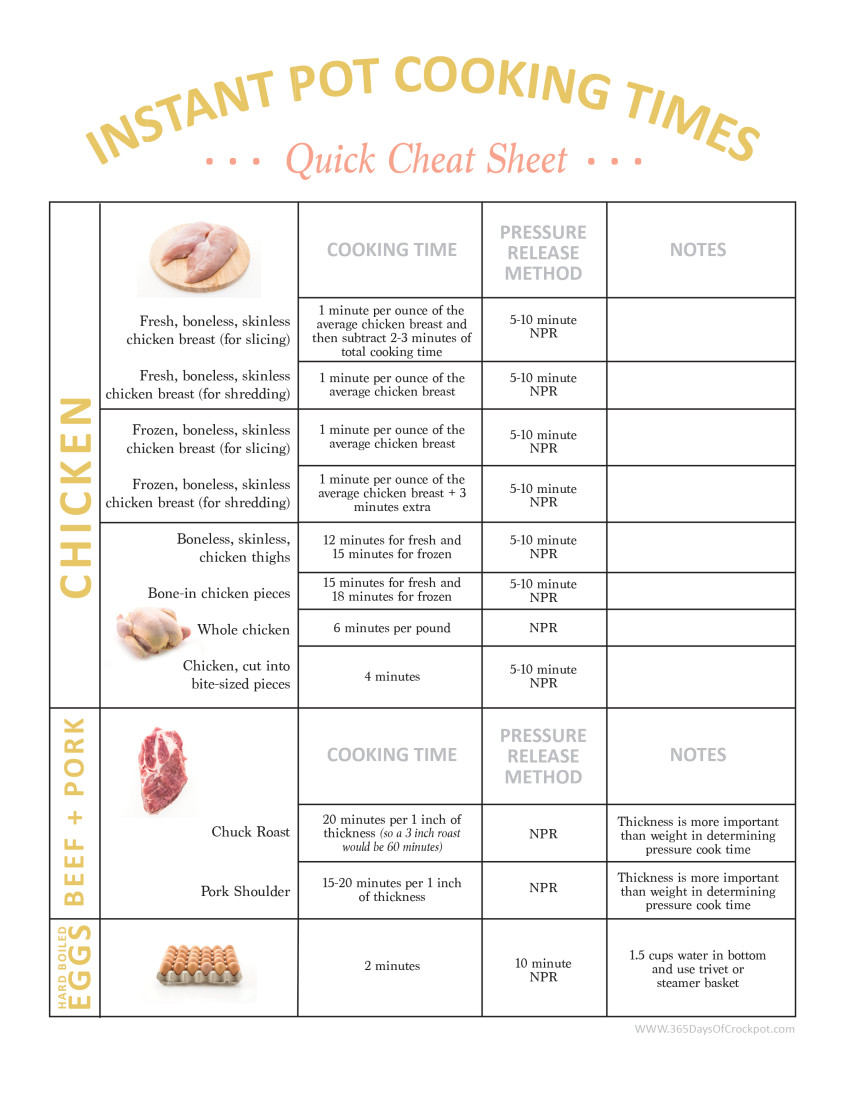
Cooking Times by Food Type (Farberware-Specific)
Meat Timing That Prevents Dryness
- Beef chuck roast: 8 hours (add 1 cup extra liquid)
- Pork shoulder: 7.5 hours (wrap in bacon for moisture)
- Chicken thighs: 6 hours (breasts dry out—avoid)
- Whole chicken: 7 hours (truss legs with twine)
Critical note: Start checking 30 minutes early. Farberware’s efficient heat can overcook delicate meats faster than traditional crockpots.
Vegetable and Bean Guidelines
- Potatoes/carrots: 6 hours (cut to 1.5-inch chunks)
- Dried beans: 7 hours (must pre-soak overnight)
- Zucchini/broccoli: Add in last 45 minutes
- Lentils: 5 hours (no pre-soak needed)
Layer root vegetables at the bottom since they need longest cooking. Delicate items like peas go in during the final hour.
Three Fatal Mistakes That Ruin Farberware Slow Cooking
Skipping Pre-Boil for “Cold Start” Recipes
Online recipes claiming “dump everything and start” will fail. Farberware’s sensors require that initial boil to activate slow cook mode safely. One user reported error code “E3” after skipping this step—resulting in raw chicken after 7 hours. Always use Sauté mode first, even for recipes labeled “no preheat.”
Adding Dairy Before the Final Hour
Cheese, cream, or coconut milk added too early will curdle into grainy clumps. The extended low heat breaks down dairy proteins irreversibly. For creamy soups, stir in dairy during the last 45 minutes only. Better yet: remove 1 cup of hot broth, whisk in your cream, then return it to the pot to temper gradually.
Overlooking the Lid Lock Indicator
The Farberware won’t enter slow cook mode if the lid isn’t fully sealed. Before starting, check for the green “lid closed” light. If it’s blinking or red, reposition the lid until it clicks. One tester burned ingredients after ignoring this—without a seal, the unit couldn’t maintain temperature.
Troubleshooting Common Slow Cook Failures
Food Sticking to the Pot Bottom
Cause: Insufficient liquid or skipped pre-boil causing scorching.
Fix: Next time, add ¼ cup extra liquid and ensure ingredients boil for 5 full minutes on Sauté mode. For current batches, carefully deglaze with ½ cup hot water (never cold) while scraping the base with a wooden spoon.
Watery Consistency After Cooking
Cause: Farberware’s tight seal prevents evaporation.
Solution: Remove lid for the final 30-45 minutes to reduce liquids. For immediate fixes, mix 1 tbsp cornstarch with 2 tbsp cold water and stir in during the last 20 minutes. Avoid flour—it creates lumps in low-heat environments.
Unevenly Cooked Ingredients
Cause: Irregular cutting or improper layering.
Prevention: Cut all veggies to identical sizes (use a mandoline for potatoes/carrots). Always place dense items like potatoes at the bottom, meats in the middle, and tomatoes/herbs on top. Stir once after 2 hours if possible.
Advanced Flavor-Boosting Techniques
Deglazing for Maximum Depth
After browning meat on Sauté mode, pour ¼ cup red wine or broth into the hot pot. Scrape the bottom vigorously with a wooden spoon to lift caramelized bits (“fond”) before adding other ingredients. This builds complex flavors pressure cooking can’t replicate—especially for beef stew or mushroom risotto.
Herb Timing for Brightness
Dried herbs withstand slow cooking, but fresh ones turn bitter. Add dried thyme/rosemary at the start, but stir in fresh basil/parsley during the last 20 minutes. For garlic lovers: add whole cloves at the beginning (they mellow beautifully), but minced garlic goes in the final hour to avoid sharpness.
Converting Pressure Cooker Recipes
Triple the cooking time (e.g., 45-minute pressure recipe = 2.25 hours slow cook). Reduce liquid by 25% since minimal evaporation occurs. Crucially, skip the natural pressure release step—just set it to slow cook mode after pre-boiling.
Post-Cooking Care to Extend Appliance Life
Cleaning the Valve Properly
After unplugging and cooling, remove the silicone valve ring. Soak in warm soapy water for 10 minutes, then use a toothpick to clear debris from the pinhole vents. Rinse thoroughly—residue here causes seal failures. Never run the valve through the dishwasher.
Preventing Lid Warping
Store the lid upside down on the base or with a folded towel between them. Direct stacking creates pressure points that warp the silicone gasket over time. If you detect steam leaks during cooking, check for warped lids immediately—this is the #1 cause of failed slow cook cycles.
Mastering your Farberware’s slow cook function turns weeknight dinners into effortless triumphs. Remember the non-negotiable trio: pre-boil every time, maintain the 2-cup liquid minimum, and seal that valve shut. Within two uses, you’ll stop thinking “Is this working?” and start planning which tough cut of meat to transform next. For immediate success, try the 8-hour chuck roast with 2.5 cups beef broth—skip the pre-boil once, and you’ll never make that mistake again. Your countertop powerhouse deserves this precision, and your taste buds will thank you.