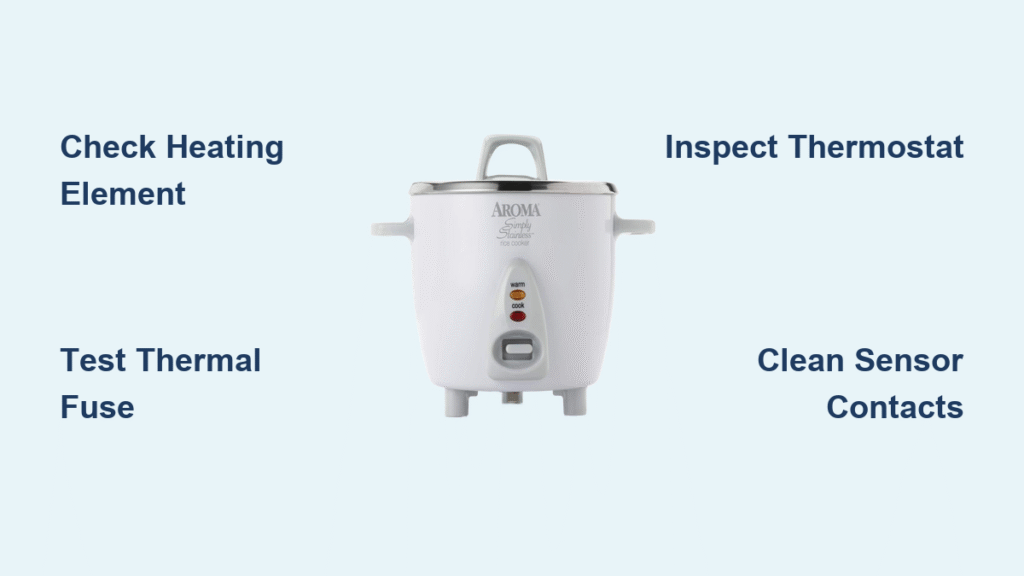
That sinking feeling when you lift your rice cooker lid to find scorched grains stuck to the bottom? It’s not your fault—it’s almost always a cooking plate issue. Your rice cooker’s hidden powerhouse (that metal disc at the base) transfers heat to transform raw grains, but 90% of users unknowingly sabotage it with improper pan placement or ignored maintenance. Mastering this component means fluffy rice in 20 minutes instead of mushy disappointment. Let’s fix your technique starting tonight.
Position Inner Pan for Direct Plate Contact
Your cooking plate needs flawless contact with the pan bottom to distribute heat evenly. A single millimeter gap creates hot spots that burn rice while leaving other sections undercooked. When inserting your pan, press down firmly until you hear a distinct click—this confirms the spring-loaded thermal sensor has engaged.
Visual confirmation checklist:
– Pan sits perfectly level (place a spoon on it to test)
– No light visible between pan and plate edges
– Lid closes smoothly without catching
– Pan doesn’t wobble when gently nudged
Critical errors causing burnt rice:
– ✘ Forcing pan sideways when inserting
– ✘ Using scratched or warped replacement pans
– ✘ Leaving rice grains trapped under pan rim
– ✘ Skipping post-cook cleaning (starch buildup insulates heat)
Activate the Thermal Sensor Correctly

That click you hear isn’t just mechanical—it’s your thermal sensor activating. This spring-loaded thermometer detects pan weight to start heating. If your cooker stays cold after adding rice, the sensor isn’t triggering. Most models require at least 1 cup of dry rice to depress the mechanism sufficiently.
Sensor activation protocol:
1. Add rice and water before inserting pan (empty pans won’t trigger)
2. Center pan directly over plate center
3. Apply firm downward pressure for 3 seconds
4. Verify indicator light illuminates immediately
Sensor troubleshooting flow:
– No light? → Unplug, wait 5 minutes, retry (overheating protection)
– Delayed click? → Clean sensor area with cotton swab (starch clogs)
– Pan too light? → Add ¼ cup extra water (minimum 1.5 cups total)
– Still dead? → Check for plate warping (run fingernail across surface)
Monitor Plate Temperature During Cooking

Your cooking plate maintains 212°F (100°C) while water remains—a critical phase most users disrupt by peeking. Watch these external cues instead of lifting the lid:
Phase 1: Boiling (0-15 minutes)
– Steam steadily escapes vent after 10 minutes
– Pan sides become warm to touch (not hot)
– Gentle bubbling sound audible through lid
Phase 2: Absorption (15-25 minutes)
– Bubbling decreases noticeably
– Steam thickens and smells starchy
– Do not open lid—this drops plate temperature
Phase 3: Transition (25+ minutes)
– Distinct click as sensor detects temp rise
– Steam reduces to thin wisps
– Plate switches to warm mode (indicator light changes color)
Emergency warning signs:
– 🔥 Acrid smell at 15 minutes? → Unplug immediately (pan misaligned)
– 💧 No steam after 12 minutes? → Check water levels (sensor may be stuck)
– ⏱️ Cooking over 35 minutes? → Mineral deposits insulating plate
Control Multi-Grain Cooking Cycles
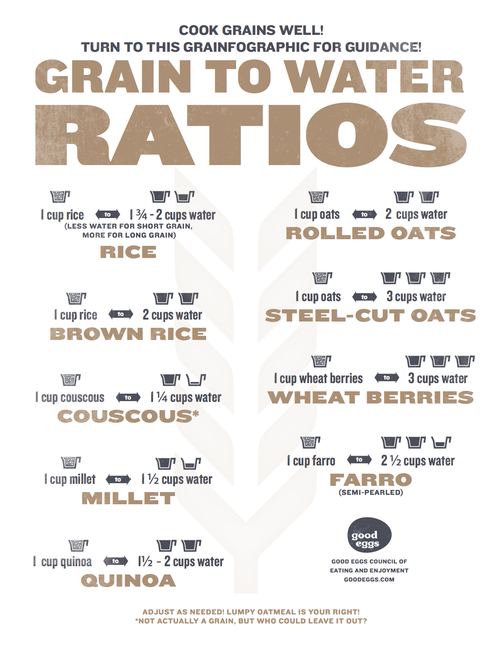
Different grains demand precise plate temperature management. Adjust these settings based on your rice type:
White Rice (Standard Cycle)
- Water ratio: 1:1 (1 cup rice : 1 cup water)
- Plate behavior: Steady boil for 20 minutes
- Key indicator: Loud click at 20-25 minutes
- Pro tip: Rinse rice until water runs clear to prevent sensor-blocking starch
Brown Rice (Extended Cycle)
- Water ratio: 1:1.25 (add ¼ cup extra water)
- Plate behavior: Longer boil with gentle temp rise
- Key adjustment: Soak rice 30 minutes first (softens bran layer)
- Critical step: Wait 15 minutes after click before opening (completes gelatinization)
Quinoa & Specialty Grains
- Water ratio: 1:1.5 (1 cup grain : 1.5 cups water)
- Plate behavior: Faster boil-off due to smaller grain size
- Key technique: Toast grains dry in pan 2 minutes first
- Avoid disaster: Skip the rinse—saponin residue damages plate coating
Deep Clean Plate After Every Cook
Food residue creates insulating barriers that cause plate hot spots. This 60-second ritual prevents 95% of rice cooker failures:
- Cool completely (30+ minutes—never clean hot plates)
- Remove inner pan and set aside
- Wipe plate with vinegar-dampened microfiber cloth (cuts starch)
- Dislodge debris with plastic spatula edge (never metal!)
- Dry thoroughly with towel (moisture causes electrical faults)
Monthly deep maintenance:
– Soak sensor area in lemon juice for 5 minutes
– Check spring mechanism moves freely
– Test plate surface with level—any warp >1mm requires repair
Troubleshoot Plate-Specific Failures
When rice cooks unevenly, your plate is usually the culprit. Diagnose these common issues:
Burnt Bottom/Undercooked Top
Cause: Pan warping or debris under rim
Fix: Place pan on flat surface—spin it. If wobbles >1mm, replace pan immediately. Clean plate edge with toothpick.
Extended Cooking Time (40+ minutes)
Cause: Mineral buildup from hard water insulating plate
Solution: Run empty cooker with 2 cups water + ½ cup vinegar for 1 cycle. Repeat if needed.
Random Shut-Offs During Cooking
Cause: Faulty thermal sensor calibration
Temporary fix: Add 2 tbsp extra water to increase pan weight. Permanent fix: Professional sensor replacement.
Unlock Plate-Powered Multi-Cooking
Your cooking plate’s precise heat control enables restaurant techniques:
Simultaneous Steaming
Place vegetables on rack above rice during standard cycle. The plate generates consistent steam for:
– Broccoli florets: Add at 15-minute mark (5 minutes steaming)
– Salmon fillets: Place directly on rice at start (20 minutes)
– Bao buns: Steam 10 minutes while rice finishes
One-Pot Soups & Stews
- Brown meat directly in inner pan
- Add broth/ingredients
- Select “Slow Cook” mode (plate maintains 180°F/82°C)
- Cook 2-4 hours without monitoring
Foolproof Baking
For mug cakes or small loaves:
– Use oven-safe dish inside cooker
– Plate maintains 300°F (149°C) on “Keep Warm”
– Check doneness 5 minutes early (heat intensifies near plate)
Prevent Plate Degradation Long-Term
Extend your cooker’s life with these habits:
Weekly:
– Inspect plate for scratches (deep grooves cause uneven heating)
– Test sensor spring with chopstick (should depress smoothly)
– Wipe condensation from lid vent (prevents moisture damage)
When to replace:
– Cooking time increased 25%+ since purchase
– Visible plate warping (pan wobbles on surface)
– Sensor clicks prematurely (before water absorption completes)
– Burnt smells with proper technique
Your rice cooker’s cooking plate is the unsung hero of perfect grains—it deserves precise attention. By ensuring direct pan contact, monitoring temperature phases, and cleaning after every use, you’ll transform inconsistent results into foolproof meals. Tonight, press that pan down until you hear the click, resist peeking during cooking, and let the plate work its magic. That first bite of perfectly separated, non-sticky rice will prove how mastering this hidden component changes everything. Start with white rice tonight—you’ve earned restaurant-quality results without the effort.