
Nothing ruins dinner plans faster than soggy, undercooked rice when unexpected guests arrive. Your Butterfly rice cooker promises restaurant-quality results with minimal effort, but only if you know how to use Butterfly rice cooker properly. This simple appliance automates what’s traditionally a time-consuming, attention-intensive process—especially valuable in regions where rice serves as a mandatory three-times-daily main dish.
Mastering your Butterfly rice cooker means perfectly cooked rice ready in 25-35 minutes, freeing you to focus on other meal components. Whether you’re cooking for two or twenty, this guide delivers the exact techniques that transform beginners into confident rice cooker experts. You’ll discover the precise water ratios that prevent common disasters, the rinsing secrets professional kitchens follow religiously, and the maintenance practices that keep your cooker performing flawlessly for years.
Butterfly Rice Cooker Components You Must Know

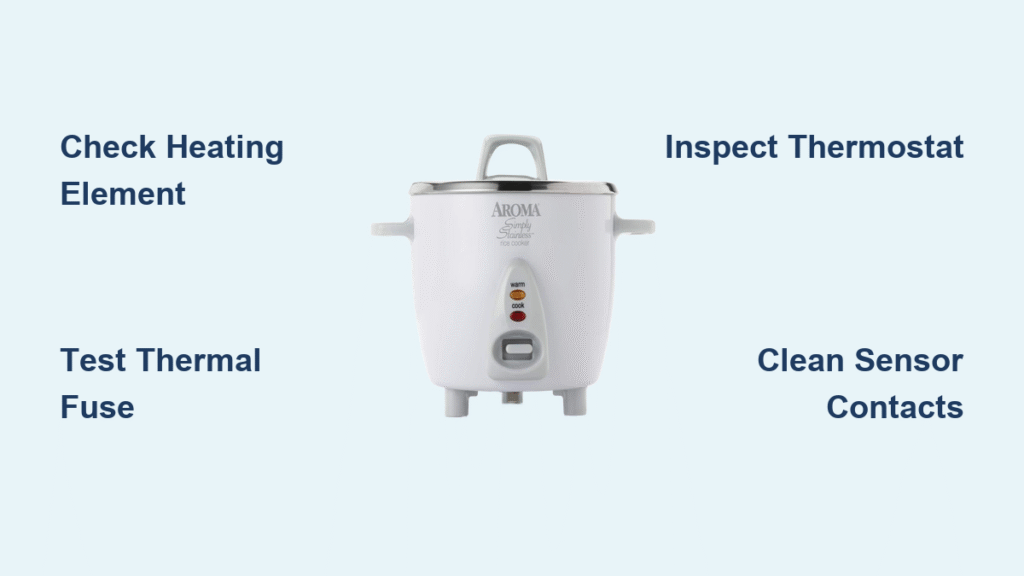
Your Butterfly rice cooker’s performance depends on understanding each component’s role. The removable non-stick inner bowl—typically aluminum or stainless steel—sits directly on the heating element that provides controlled, consistent warmth. This bowl lifts out completely for effortless cleaning, but always ensure it seats flat before cooking to maintain proper temperature distribution.
The tight-fitting lid creates the sealed steam environment essential for even cooking, while heat-resistant handles let you safely move the entire unit even when hot. Your control panel—whether simple switches or digital buttons—activates the cooking cycle, with an indicator light confirming operation. Never use metal utensils with your cooker; the included rice paddle (usually plastic or wood) protects the non-stick coating from permanent scratches.
Professional Rice Preparation Techniques
Why Proper Rinsing Makes All the Difference
That cloudy water appearing during your first rinse contains excess surface starch—the enemy of fluffy rice. This starch causes stickiness, gummy textures, and messy boil-overs. Professional kitchens rinse rice without exception, and you should too for optimal results.
Effective rinsing method: Measure rice into a separate bowl, add cool water, gently swirl your fingers through it, then drain the milky liquid. Repeat until water runs mostly clear—typically 3-4 quick rinses. Critical exception: Skip rinsing if using vitamin-fortified rice, as washing removes the added nutritional supplements designed to combat deficiencies.
Perfect Butterfly Rice Cooker Operation Steps
10 Essential Steps for Foolproof Results
- Measure accurately using your provided cup or standard measuring cups
- Rinse thoroughly until water runs clear (unless using fortified rice)
- Transfer carefully to the inner cooking bowl
- Add water precisely following the ratios below—never guess
- Enhance flavor with salt, oil, or butter if desired
- Seat properly ensuring the inner bowl sits flat on the heating element
- Lock the lid firmly until secure
- Power on—the indicator light confirms cooking has started
- Wait for completion—your cooker automatically switches to “keep warm”
- Rest 15 minutes minimum before opening for restaurant-quality results
Exact Water Ratios for Every Rice Type

| Rice Variety | Water Needed | Special Notes |
|---|---|---|
| Long grain white | 1¾ cups per 1 cup rice | Creates fluffy, separate grains |
| Medium/short grain | 1½ cups per 1 cup rice | Ideal for slightly stickier texture |
| Brown rice | 2¼ cups per 1 cup rice | Requires longer cooking time |
| Basmati/Jasmine | 1½ cups per 1 cup rice | Preserves aromatic qualities |
| Parboiled rice | 2 cups per 1 cup rice | Needs extra water for pre-cooked grains |
Fixing Common Butterfly Rice Cooker Issues
When Rice Sticks to the Bottom
Sticking usually indicates compromised non-stick coating or skipped oil application. Immediate solution: After rinsing rice, add ½ teaspoon of oil to the inner bowl and swirl to coat before adding rice and water. This creates a protective barrier. Also verify you’re not using metal utensils that scratch the coating over time.
Solving Mushy or Overcooked Rice
Mushy rice signals too much water. Reduce water by ¼ cup for your next batch. If problems continue, your thermostat might need calibration. Quick diagnostic: Cook 1 cup rice with 1½ cups water—if results improve, your ratios need adjustment rather than repair.
Fixing Undercooked Rice with Hard Centers
Hard centers mean insufficient water or a loose lid seal. First checks: Ensure the lid closes completely and increase water by ¼ cup. Brown rice particularly benefits from an extra 10-minute rest on “keep warm” after the initial cycle completes.
Butterfly Rice Cooker Capacity and Timing Guide
Your cooker handles 3 cups (small 0.6L models) to 25 cups (large 5.0L units) of cooked rice. Critical insight: Full cookers take 25-35 minutes, while half-full units cook faster. The “keep warm” function safely maintains temperature for 4-6 hours—perfect for buffet service or meal prep.
Pro warning: Never fill past the maximum line marked inside your inner bowl. Rice expands 2-3 times its original volume, and overfilling causes boil-overs that permanently damage the heating element.
Cleaning Your Butterfly Rice Cooker Properly
Daily Cleaning Routine That Extends Lifespan
Wait until the cooker cools completely—about 20 minutes after cooking. Remove the inner bowl and wash with warm, soapy water using a soft sponge. Absolute rule: Never submerge the entire unit—the heating element and electrical components must stay dry.
For stubborn residue, fill the inner bowl with hot water and a drop of dish soap, let soak 15 minutes, then wipe clean. The non-stick coating responds well to gentle cleaning when you avoid abrasive scrubbers.
Advanced Butterfly Rice Cooker Techniques
Energy-Saving Cooking Methods
All Butterfly cookers save energy compared to stovetop cooking, but the eco+ series available at House of Butterfly outlets maximizes efficiency. Smart technique: Cook extra rice and refrigerate portions—reheating uses less energy than cooking fresh batches.
Restaurant-Quality Texture Secrets
After cooking completes, fluff rice immediately with your paddle using a cutting motion rather than stirring. This separates individual grains for professional presentation. For even better results, transfer rice to a serving bowl and cover with a clean kitchen towel for 5 minutes—this absorbs excess surface moisture.
When to Visit House of Butterfly Outlets for Service
If your cooker fails to heat, produces consistently poor results despite correct ratios, or shows visible damage to the heating element, seek professional service. Critical warning: Don’t attempt repairs yourself—the sealed thermostat system requires professional attention available exclusively through House of Butterfly outlets across Bangladesh.
Mastering how to use Butterfly rice cooker transforms meal preparation from stressful to seamless. The key lies in precise measurements, proper rinsing, and patience during the essential 15-minute resting period. Start with these guidelines, then adjust slightly based on personal preferences—some prefer firmer rice, others softer. Your cooker handles it all automatically once you nail the basics.
Remember: perfect rice isn’t about luck—it’s about following proven ratios and techniques your Butterfly rice cooker was engineered to execute flawlessly. For warranty service or replacement parts, visit any House of Butterfly outlet where models range from basic single-function units to advanced multi-cookers with digital controls. With proper care, your rice cooker will deliver consistent, restaurant-quality results for years to come.