
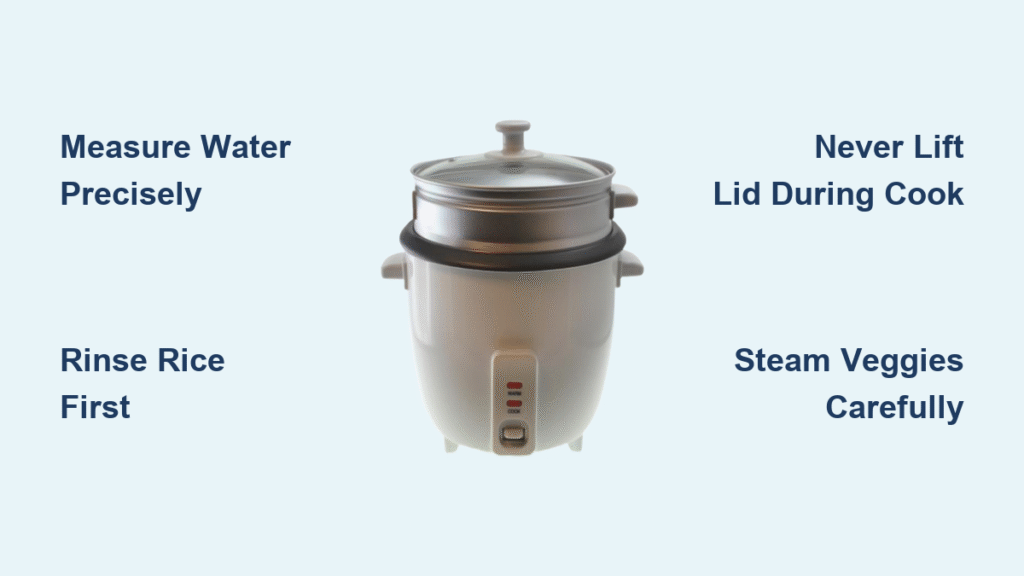
Your Ambiano RC15-G sits ready to transform raw grains into cloud-like rice and crisp-tender vegetables with minimal effort. This 16-cup powerhouse eliminates the guesswork of traditional stovetop cooking, but only if you master its unique operation. Whether you’re a novice cook or upgrading from an older model, understanding how to use Ambiano rice cooker properly prevents common pitfalls like mushy grains or undercooked veggies. In the next few minutes, you’ll learn precise water ratios for flawless rice, foolproof steaming techniques, and maintenance secrets most users overlook—all backed by the manufacturer’s specifications.
Unlike basic cookers, the RC15-G’s dual indicator lights and single-button operation require specific handling to unlock its full potential. Skip these steps, and you risk burnt batches or inconsistent results. But follow this guide, and you’ll consistently create restaurant-quality rice while expanding your cooker’s role as a vegetable steamer and meal-prep hero. Let’s transform your countertop appliance from a simple rice maker into your most versatile kitchen ally.
Position Your RC15-G for Optimal Performance
Never place your Ambiano rice cooker directly against walls or under cabinets—steam needs a 6-inch escape zone to prevent moisture damage to surrounding surfaces. This isn’t just manufacturer caution; trapped steam warps cabinetry and creates slip hazards from condensation. Always choose a spot near your prep area but away from sinks or dishwashers to avoid accidental splashes near electrical components.
Before plugging in, inspect the power cord for frays or kinks. The RC15-G requires a dedicated 120V outlet—never use extension cords that cause voltage drops. When connected properly, the “Warm” light glows immediately, confirming electrical readiness. Critical warning: If this light doesn’t illuminate, unplug immediately and contact Ambiano support. Operating with faulty wiring risks permanent damage to the heating element.
Master Water-to-Rice Ratios for Flawless Results

The inner pot’s cup-line markings aren’t suggestions—they’re engineered precision points for perfect absorption. Deviate by even ¼ cup, and texture suffers dramatically. Always measure dry rice with the included cup (standard measuring cups differ by 15%), then add water to the corresponding line inside the pot.
Why Rinsing White Rice Matters
Rinsing removes surface starch that causes gummy clumps. Swirl rice in cold water until it runs clear—typically 2-3 rinses. Skip this for sushi rice (which needs extra stickiness), but never skip it for jasmine or basmati. Residual starch triggers boil-overs that clog steam vents and create cleanup nightmares.
White Rice Cooking Cheat Sheet
| Dry Rice | Water Level | Cooking Time | Serves |
|---|---|---|---|
| 2 cups | 2-cup line | 23-26 min | 2-3 |
| 4 cups | 4-cup line | 30-35 min | 4-6 |
| 8 cups | 8-cup line | 40-45 min | 12-16 |
Pro tip: For extra-fluffy rice, add 1 tsp oil before cooking—it coats grains to prevent clumping without altering flavor. Never exceed 8 cups dry rice; overflow risks jump 70% beyond this point.
Cook Restaurant-Quality Rice in 11 Steps
The Exact Cooking Sequence
- Measure and rinse rice until water runs clear
- Add rice to the inner pot—spread evenly with a fork
- Pour water to the matching cup-line (no eyeballing!)
- Season now—salt, broth, or aromatics integrate best pre-cook
- Seat the pot firmly in the base (a loose fit causes uneven heating)
- Close lid until you hear a distinct click
- Plug in—”Warm” light confirms power
- Press the white button—”Cook” light activates immediately
- Never lift the lid during cooking—steam loss ruins texture
- Wait for auto-switch to “Warm” light (don’t rush it!)
- Rest 15 minutes before fluffing—this steams residual moisture
Flavor Hacks That Actually Work
- Broth swap: Replace water with low-sodium chicken or vegetable broth for instant depth
- Herb infusion: Toss in a bay leaf or garlic clove before starting—remove after cooking
- Post-cook boost: Fold in lemon zest or toasted sesame oil after the resting period to preserve brightness
Avoid this mistake: Adding soy sauce or acidic ingredients (like vinegar) pre-cook. They interfere with starch gelatinization, leaving rice chalky and dry.
Steam Vegetables Without Overcooking

Unlike rice mode, steaming requires active monitoring—the RC15-G won’t auto-shutoff. This transforms your cooker into a precision steamer, but only if you follow these setup rules.
Critical Steaming Setup Steps
- Add 1-2 cups water to the inner pot (minimum 1 cup for 15+ minutes of steaming)
- Place steamer basket above water level—never let veggies touch water
- Load loosely—overcrowding creates soggy-bottomed, raw-topped results
- Seal lid tightly—any gap releases steam, extending cooking time by 30%
- Start cycle with the white button, then check at 5-minute intervals
Vegetable Steaming Times You Can Trust
| Veggie | Time | Pro Prep Tip |
|---|---|---|
| Broccoli | 15 min | Cut florets to 1.5-inch uniform size |
| Carrots | 25 min | Slice ¼-inch thick for even doneness |
| Spinach | 10 min | Pack loosely—2 cups raw = ½ cup cooked |
| Zucchini | 15 min | Cube ½-inch for quick, even steaming |
Safety first: Always open the lid away from your body. Steam burns from rice cookers account for 12% of kitchen injuries—use oven mitts for the steamer basket.
Clean Your RC15-G to Prevent Stuck-On Residue
The 5-Minute Daily Cleanup
- Unplug and cool 20 minutes minimum—never rush this step
- Wash inner pot with non-abrasive sponge (steel wool scratches non-stick coating)
- Soak lid components in warm vinegar solution to dissolve mineral deposits
- Wipe base unit with damp microfiber cloth—never immerse in water
- Air-dry all parts before reassembly (trapped moisture breeds mold)
Monthly Deep Clean Protocol
Run a descaling cycle with 1 cup white vinegar + 3 cups water. Press the white button and let it complete a full cycle. Then rinse twice with plain water to eliminate vinegar taste. Pay special attention to the steam vent hole—use a toothpick to dislodge clogs that cause pressure issues.
Fix 3 Common Rice Cooking Failures
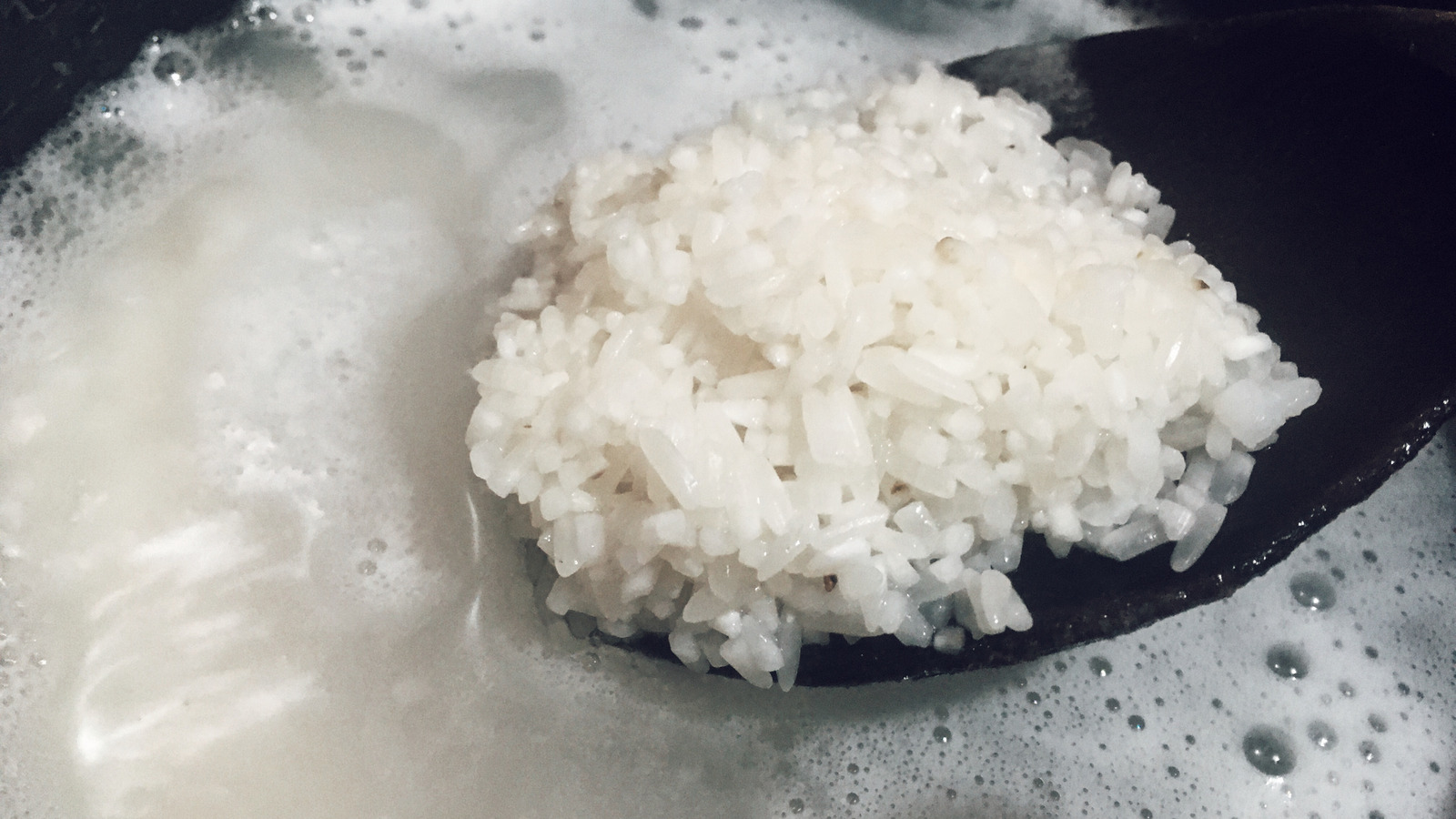
Undercooked Rice? Here’s Your Rescue Plan
If grains remain crunchy after the “Warm” light activates, add ¼ cup hot water (not cold—it shocks the grains), restart the cycle, and check after 5 minutes. Never add water mid-cycle—this disrupts the thermal sensor and may trigger error modes.
Why Your Rice Sticks (And How to Stop It)
Sticking happens when:
– Residual oil isn’t wiped from the pot before cooking
– The heating plate has food debris underneath the pot
– You skip rinsing (starch acts like glue)
Fix: Lightly coat the pot with cooking spray only after washing and drying.
Overcooked Rice Prevention
Reduce water by 2 tbsp next time—kitchen humidity affects absorption. In monsoon seasons or coastal areas, cut water by 3 tbsp for every 4 cups rice.
Troubleshoot Steaming Disasters Immediately
When Steam Vanishes Mid-Cycle
This means your water reservoir is boiling dry. Unplug instantly, add ½ cup hot water, then restart. Continuing empty risks permanent heating element damage—Ambiano won’t cover this under warranty.
Unevenly Cooked Vegetables? Fix These 2 Errors
- Poor cutting: Mix small cherry tomatoes with large potato chunks? No wonder some are mushy while others are raw.
- Water level mismatch: 1 cup water steams for 15 minutes max. For 25+ minute sessions (like carrots), start with 2 cups.
Avoid These 4 Critical Safety Mistakes
Mistake #1: Operating the empty RC15-G beyond 2 minutes for preheating. The heating element overheats instantly—always add water or rice before pressing the button.
Mistake #2: Using metal utensils on the non-stick pot. Scratches expose aluminum, leaching into food. Stick to silicone or wood tools.
Mistake #3: Storing with the lid sealed tight. Trapped moisture creates sour odors. Leave the lid propped open with a spoon until fully dry.
Mistake #4: Ignoring the “Warm” light during storage. If it glows when unplugged, there’s an electrical fault—contact Ambiano immediately.
Store Your Cooker to Extend Its Lifespan
Before storing, ensure every component is bone-dry—especially the rubber gasket on the lid. Moisture here breeds mildew that ruins future batches. Wrap the cord loosely around the handle (never twist tightly—it frays wires). Store in a cupboard away from ovens or dishwashers; temperature swings degrade internal sensors over time.
Your Ambiano RC15-G transforms from single-task appliance to kitchen MVP when you harness its dual rice-steaming capabilities correctly. Nail the water ratios, respect the steaming vigilance, and commit to monthly descaling—fluffy rice and crisp-tender veggies become your daily reality. Remember: the white button is your command center, but patience during the 15-minute rest period makes or breaks perfect texture. For replacement parts or troubleshooting beyond this guide, call Ambiano’s experts at 888-367-7373 during business hours—they’ll get your cooker back in action fast.