
Your new multi-cooker sits on the counter, promising to replace half your kitchen appliances. But after unboxing, you’re staring at buttons labeled “Manual,” “Porridge,” and “Yogurt” wondering where to start. Don’t worry—mastering this versatile device is simpler than it appears. This guide walks you through everything from first setup to cooking your first meal, with insider tips that most manuals skip. By the end, you’ll know exactly how to use a multi cooker to transform tough cuts into tender meals, cook perfect rice every time, and avoid the common mistakes that frustrate beginners.
First-Time Setup: What Manuals Miss
Unbox and inspect every component before your first use. Remove plastic film from the inner pot, check the sealing ring for proper placement, and locate the steam release valve. Many new users miss the condensation collector—a small plastic cup that slides into the back of the unit to catch excess moisture during cooking. Take inventory of all parts: base unit, inner pot, lid with sealing ring, steam release valve, and any included accessories like a trivet or steaming basket.
Initial wash involves more than a quick rinse. Soak the inner pot and accessories in warm, soapy water for 10 minutes to remove manufacturing residues. Pro tip: Wash the sealing ring separately—it’s the #1 source of plastic taste in first meals. Dry all components thoroughly before reassembling, especially the groove where the sealing ring sits. Moisture here prevents a proper seal during pressure cooking.
Water test your cooker before cooking food. Add 2 cups water, seal the lid, and run the pressure function for 5 minutes. This identifies potential leaks and familiarizes you with the pressure release process safely. During this test, watch for steam escaping from anywhere other than the valve—this indicates a sealing problem. You’ll also learn how long it takes your specific model to build and release pressure, which varies significantly between brands.
Essential Parts and Their Purpose

Inner Pot: Your Cooking Surface
The removable stainless steel pot is your primary cooking vessel. Look for the MAX fill line—this indicates 2/3 capacity for most foods, except rice and beans which max at 1/2 capacity to prevent foam overflows. Never exceed these limits, as overfilling creates dangerous pressure situations and can void your warranty. The pot’s bottom contains thermal sensors—scratches here can damage your cooker, so use silicone or wooden utensils only.
Sealing Ring: The Pressure Gatekeeper
This silicone ring creates the airtight seal needed for pressure cooking. Replace annually or when odors persist after washing. Most models include a spare ring—store it in a sealed bag to prevent stretching. Critical tip: Have two rings—one for savory, one for sweet foods. This prevents dessert tasting like last night’s chili. Before each use, inspect for cracks or warping that would compromise the seal.
Steam Release Valve: Safety Control
This small handle determines pressure levels. “Sealing” builds pressure for cooking; “Venting” releases steam. Never force this valve—if stuck, use a wooden spoon handle to gently nudge it. During quick release, always point the steam away from cabinets and people—this scalding vapor can cause serious burns. Keep your hand on the valve during release to maintain control.
Float Valve: Pressure Indicator
This metal pin pops up when pressure builds and drops when safe to open. Wait until it drops completely before attempting to open the lid after cooking. If the pin stays up, pressure remains inside—forcing the lid open could cause hot food to erupt violently. This safety feature prevents 90% of multi-cooker accidents when properly respected.
Step-by-Step Operation Process
1. Add Food and Liquid Correctly
Remove the inner pot to prevent spills in the base unit. Minimum liquid rule: Always add at least 1 cup liquid for pressure cooking—this creates steam for pressure buildup. Water, broth, or even wine works, but never use less than the required amount—it can damage the heating element and trigger “burn” messages.
Layer ingredients smartly: Place dense items (potatoes, carrots) on bottom, proteins in middle, delicate vegetables on top. This prevents overcooking and ensures even heat distribution. For one-pot meals, sauté aromatics first, then deglaze with liquid to lift flavorful bits before adding other ingredients.
2. Seal for Pressure Success
Return the pot to base, ensuring it sits flat—this is crucial for proper heating. Twist the lid clockwise until it locks—you’ll hear a distinct click. Set valve to “Sealing” for pressure cooking or “Venting” for slow cooking. Double-check that nothing obstructs the lid’s path, and that the sealing ring sits flush in its groove.
3. Select Programs Like a Pro
Ignore most preset buttons—they’re variations of pressure levels and times. Instead, learn these core functions:
- Manual/Pressure Cook: Full control over time and pressure (most useful setting)
- Sauté: Brown meats and aromatics before pressure cooking (use for flavor development)
- Slow Cook: Lower temperature cooking (results often inferior to traditional slow cookers)
For beginners, start with Manual mode using 3-5 minutes for rice or 20 minutes for chicken. Presets like “Rice” often overcook non-white varieties—manual settings give better results.
4. Understand Cooking Stages
Preheating takes 5-15 minutes depending on food volume. The display shows “On” during this phase. Pressure building begins when steam starts—this adds 10-20 minutes to total time. Cooking countdown starts only after full pressure is reached. Quick release adds 2-3 minutes; natural release adds 10-30 minutes depending on recipe.
Cooking Modes That Actually Work

Pressure Cooking: The Real MVP
Transforms tough cuts into tender meals in 30-60 minutes. Pressure levels: High (12-15 PSI) for most foods, Low (5-7 PSI) for delicate items like fish. Time cheat sheet:
– Chicken breasts: 8-10 minutes
– Beef stew meat: 35-40 minutes
– Dry beans: 25-30 minutes (no soaking needed)
– Rice: 3-5 minutes with 10-minute natural release
Pro tip: For perfect rice, rinse until water runs clear to prevent foaming and sticking. Use 1:1 water ratio for long-grain, 1:1¼ for short-grain or brown rice.
Sauté Function: Build Flavor First
Use this before pressure cooking to brown meats and aromatics. Limit batches: Overcrowding creates steam instead of browning. Cook in small portions, allowing moisture to evaporate for proper searing. Deglaze: Add liquid after browning to lift flavorful bits stuck to the pot bottom—this prevents “burn” messages and adds depth to your dish.
Common Beginner Mistakes to Avoid
Overfilling disasters: Never exceed 2/3 capacity for most foods, 1/2 for rice and beans. Overfilling blocks steam vents and creates safety hazards. Pro tip: When cooking expanding foods like beans, start with just 1/3 full.
Forgotten sealing ring: Always check the ring is properly seated. A missing ring prevents pressure buildup—your cooker will hiss but never reach pressure. Before sealing, run your finger around the rim to ensure no gaps.
Quick release for foamy foods: Never quick release starchy foods like oatmeal or beans. Foam clogs the valve and creates dangerous eruptions. Always use natural release for these ingredients.
Using dairy in pressure cooking: Milk, cream, and cheese curdle under pressure. Add these after pressure cooking during sauté mode for creamy sauces without separation.
Troubleshooting Quick Fixes
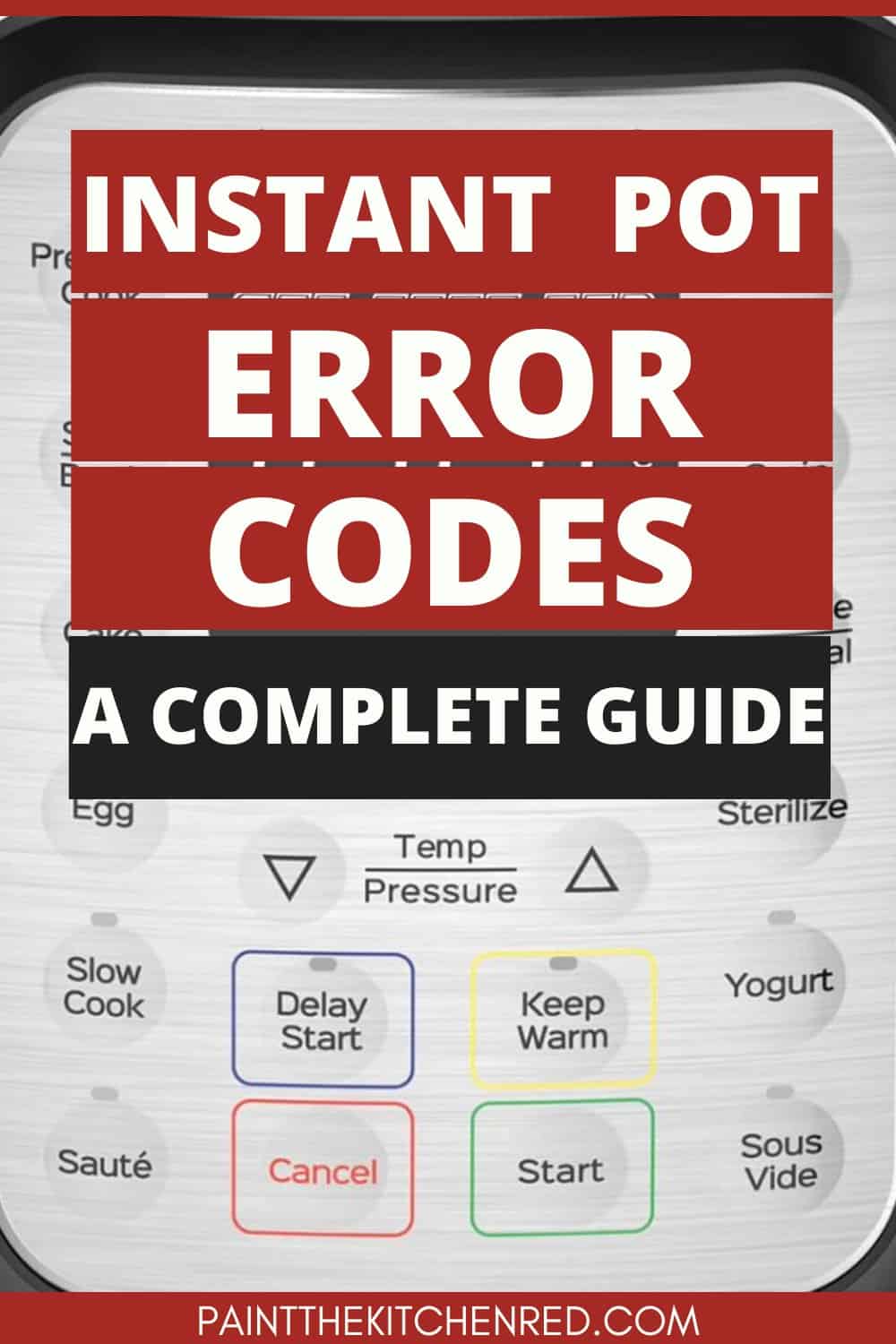
“Burn” message: Usually indicates food stuck to the bottom. Cancel, quick release pressure, stir, and add more liquid. To prevent this, always deglaze after sautéing and ensure enough liquid covers the bottom.
Lid won’t seal: Check the sealing ring for proper placement and debris around the rim. Clean the groove thoroughly and ensure the ring sits flush—sometimes a small tear prevents sealing.
Steam leaks from sides: Ring may be warped or dirty—clean thoroughly or replace. Test with water first to identify leaks before cooking actual food.
Long preheat times: Starting with cold ingredients adds 5-10 minutes. Warm liquids slightly to speed the process, or use the sauté function to bring ingredients to temperature before sealing.
Safety Rules That Save Fingers
Never force the lid: If it won’t open, pressure remains inside. Wait for the float valve to drop completely—this safety feature prevents 90% of multi-cooker accidents. Forcing the lid can cause hot food to erupt violently.
Steam direction: Always point the steam release away from cabinets and people during quick release. Keep hands and face clear—the steam exits at 250°F and can cause serious burns instantly.
Liquid minimum: Never operate below 1 cup liquid—it prevents pressure buildup and can damage the heating element. Water, broth, or even wine works, but never skip this requirement.
Fill line respect: Overfilling creates dangerous pressure situations and voids warranties. When in doubt, underfill—pressure cooking is more forgiving with less food than too much.
Storage and Longevity Tips
Store with lid inverted: Prevents odors and keeps the sealing ring from stretching. Add a paper towel inside to absorb moisture and prevent mildew. Never store the lid sealed on the unit—this traps moisture and creates odors.
Ring rotation: Have two sealing rings—one for savory, one for sweet foods. This prevents dessert tasting like last night’s chili. Store rings in a sealed bag to prevent stretching and drying.
Cord care: Wrap loosely around the base—tight wrapping damages internal wires over time. Never wrap the cord while the unit is still warm.
Annual maintenance: Replace sealing rings and check valve functionality yearly for optimal performance. Run a monthly cleaning cycle with water and vinegar to remove mineral deposits from the heating element.
Your multi-cooker transforms from intimidating gadget to kitchen workhorse with these fundamentals. Start with simple recipes like rice or hard-boiled eggs to build confidence. Within weeks, you’ll batch-cook grains, transform tough cuts into tender meals, and wonder how you managed without it. The key is understanding that pressure cooking—not the fancy presets—is where this device truly shines. Master these basics, and you’ll never look back at your old cooking methods.