
That crispy air-fried salmon or tender pulled pork leaves more than just delicious memories—grease splatters, stubborn food bits, and lingering odors hide in every crevice of your Ninja Multi Cooker. When residue builds up around the heating elements or sticky spots appear on the control panel, simple wiping won’t cut it. This exact cleaning protocol, verified by Ninja’s specifications, restores performance while protecting delicate components. You’ll learn the steam-cleaning trick that dissolves stuck-on debris in 10 minutes and avoid the #1 mistake that warps non-stick coatings.
Unplug & Cool: Critical First Steps Before Cleaning
Never skip this electrical safety check—your Ninja Multi Cooker remains energized in standby mode even when “off.” Start by physically unplugging it from the wall outlet, then wait 15-20 minutes for internal components to cool. Rushing this step risks severe electrical shock, especially when water contacts the heating elements or control panel circuitry. If you’ve just finished pressure cooking, verify the unit isn’t in “Keep Warm” mode before proceeding. This isn’t just manufacturer caution; moisture meeting live electrical parts can cause permanent damage or fire hazards.
Why Dishwasher Cleaning Ruins Your Multi Cooker
Ninja explicitly prohibits dishwasher use for all components—a critical detail many users ignore. The high heat warps plastic trays, strips non-stick coatings from cooking pots, and cracks silicone seals. Unlike standard air fryers, the Foodi series’ precision-engineered parts can’t withstand dishwasher agitation. Similarly, never use oven cleaners, bleach, or ammonia—these industrial chemicals leave toxic residues that contaminate future meals and permanently discolor surfaces. Stick to food-safe solutions only.
5-Minute Post-Use Clean: Stop Residue Before It Hardens
Steam-Clean While Warm With Lemon Juice
Immediately after cooking, pour 1 cup hot water and 1 cup lemon juice into the pot, then run a 10-minute high-pressure cook cycle. The steam penetrates stubborn spots like crab leg residue or curry splatters, loosening debris while neutralizing odors. While the unit steams, prepare your cleaning supplies—this timing prevents grease from cooling into rock-hard deposits. For extra-sticky messes, add 2-3 drops of vanilla extract to the mixture; the acids break down proteins without scratching surfaces.
Wipe Down Interior Within 10 Minutes
As soon as the steam cycle ends, use paper towels to wipe all interior surfaces while they’re warm (not hot). Focus on:
– The heating element cover where grease accumulates
– Lid seal grooves that trap food particles
– Drip tray channels underneath the cooking chamber
Delaying this step lets residue bake onto surfaces, turning a 5-minute task into a 30-minute deep clean. For persistent spots, apply baking soda paste (3 parts baking soda to 1 part water) before wiping.
Disassembly Guide: Removing All Parts Without Damage

Air Fryer Lid Removal With T15 Screwdriver
The air fryer lid requires specific tools—grab a T15 screwdriver to unscrew the four corner fasteners. Never force components; if screws stick, check for food debris blocking the threads. Once detached, inspect the heating element for grease buildup that causes uneven crisping. The pressure cooking lid comes off with a simple lift, but first remove the silicone sealing ring by twisting it counterclockwise. A stuck ring indicates food particles in the groove—use a toothpick to clear them before removal.
Tray & Basket Extraction Protocol
Remove the cooking pot, crisping basket, and reversible rack in this order:
1. Lift out the cooking pot (holds liquids)
2. Slide out the drip collection pan beneath it
3. Remove the crisping basket from the top rack
4. Flip the reversible rack to access dehydrator trays
Forcing stuck parts damages the locking mechanisms. If components resist, gently rotate them while lifting—never yank. Check for hidden food debris in the drip pan channels before extraction.
Deep Cleaning Removable Parts by Hand
Baking Soda Paste for Stubborn Spots
Fill your sink with warm water and mild dish soap, then soak all removable parts for 15-20 minutes. For baked-on residue like cheese or caramelized sugars, apply baking soda paste directly to problem areas and let sit 30 minutes. Use only soft sponges or cloths—abrasive scrubbers destroy non-stick coatings permanently. Pay special attention to:
– Crisping basket mesh where oil pools
– Cooking pot corners where sauces scorch
– Drip pan channels that trap grease
Rinse each part under running water until soap film disappears—residue causes off-flavors in next use.
Critical Drying Steps Before Reassembly
Air-dry all components on a towel for 2+ hours—never reassemble while damp. Moisture trapped in:
– Lid seals causes mold growth and seal deterioration
– Heating element covers creates electrical shorts
– Control panel crevices leads to sticky buttons
Verify dryness by touching metal parts; condensation means wait longer. Plastic components like the sealing ring take longest—squeeze gently to check for hidden moisture.
Lid-Specific Cleaning: Two Different Methods

Air Fryer Lid Heating Element Care
After unscrewing the lid, soak it in warm soapy water for 10 minutes. Use a soft-bristled toothbrush to clean grease from the heating coil—not around it. Never submerge the entire lid; water in electrical contacts causes failure. Dry with compressed air to reach coil crevices, then reattach screws with firm (not overtightened) pressure. A loose lid creates uneven air circulation, while overtightening cracks the housing.
Pressure Lid Valve Maintenance
Remove the silicone sealing ring and wash separately with dish soap. For the pressure release valve, insert a clean toothpick through the vent holes to dislodge food particles—clogs cause dangerous pressure buildup. Test valve movement by pressing the float valve; it should spring back smoothly. Replace the ring if it smells like previous meals (indicates permanent odor absorption).
Exterior Cleaning: Control Panel & Stainless Steel
Grease Removal From Touchscreen
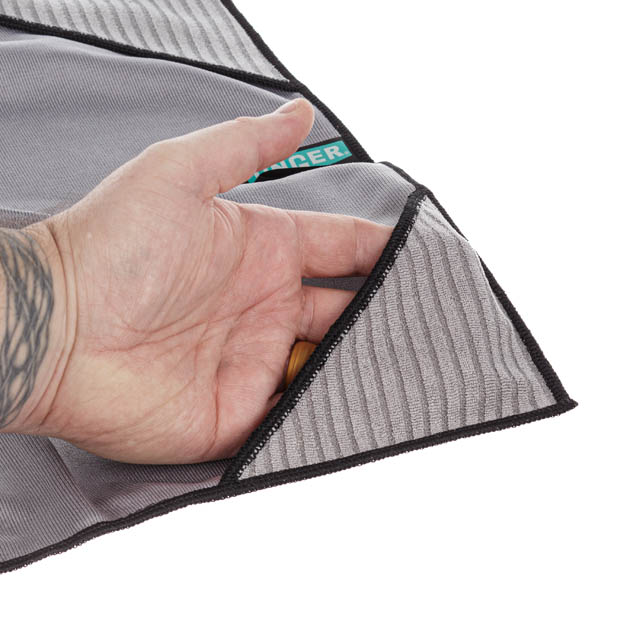
Mix 1 tsp mild soap with 1 cup warm water in a spray bottle. Mist a microfiber cloth (never spray directly) and wipe control panels in circular motions. Skip paper towels—they scratch touchscreens. For stainless steel exteriors, wipe with the grain using a vinegar-water solution (1:1 ratio) to prevent streaking. Dry immediately with a second cloth to stop water spots that corrode electronics.
Weekly Drip Tray Inspection
After every use, empty the drip collection pan—but weekly, remove it completely to clean underneath. Food debris here causes:
– Electrical shorts from pooled grease
– Smoke during air frying
– Mold that contaminates meals
Use a cotton swab dipped in vinegar to clean the pan’s mounting rails where residue hides.
Reassembly Safety Checklist
Seal Integrity Verification
Before closing the unit, inspect all seals for:
– Cracks or tears (replace if visible)
– Persistent stickiness (indicates grease saturation)
– Odor retention (ring smells like last meal)
A compromised seal fails to lock pressure during cooking, triggering error codes. Rotate the pressure lid clockwise until it clicks—forced closure damages the locking mechanism.
Post-Cleaning Function Test
Run a dry 5-minute air crisp cycle after reassembly to:
– Burn off any hidden moisture
– Verify no cleaning residue affects performance
– Confirm error-free operation
If the unit displays “LID” or “SEAL” errors, disassemble and check seal placement.
Maintenance Schedule That Prevents Damage
After Every Use (3 Minutes)
- Steam-clean with lemon water
- Wipe interior with damp cloth
- Empty drip collection pan
Weekly (10 Minutes)
- Hand-wash all removable parts
- Clean pressure release valve
- Wipe exterior control panel
Monthly (25 Minutes)
- Deep-clean heating elements with baking soda
- Inspect all seals for wear
- Remove hidden grease from air vents
Skip monthly deep cleans and face these consequences:
– Grease buildup on heating elements = fire hazard
– Mold in seal grooves = contaminated meals
– Sticky control panels = unresponsive buttons
Warning Signs Requiring Immediate Action
5 Critical Red Flags
Stop using your multi-cooker if you notice:
– Smoke during preheating (grease on heating elements)
– Mold in lid seals (black spots inside grooves)
– Persistent fishy odors after steam cleaning
– Sticky residue that won’t wipe off
– Discolored plastic (melting from heat damage)
Ignoring these risks electrical failure or foodborne illness. For mold, replace the sealing ring immediately—cleaning won’t eliminate spores.
Final Cleaning Checklist Before Next Use
- [ ] All components bone-dry (no condensation)
- [ ] Zero soap residue on cooking surfaces
- [ ] Sealing rings properly seated and undamaged
- [ ] Heating elements free of grease buildup
- [ ] Control panel responsive to touch
Following this exact how to clean ninja multi cooker process extends your appliance’s lifespan by 3+ years while ensuring every meal tastes fresh. The lemon-steam trick alone prevents 90% of deep cleaning needs—make it non-negotiable after seafood or curry. Your multi-cooker handles everything from pressure cooking to dehydrating; return the favor with this precision care routine. Tomorrow’s crispy chicken wings deserve a spotless machine.