That stubborn crust clinging to your Aroma rice cooker isn’t just unsightly—it’s actively sabotaging your next meal. When starch residue builds up on the heating plate or steam vents, your cooker loses precision, leading to unevenly cooked rice and shortened appliance life. Discovering how to clean Aroma rice cooker properly transforms frustrating cleanup sessions into a 10-minute routine that preserves performance. In this guide, you’ll master immediate daily wipe-downs and advanced techniques for baked-on gunk—without damaging seals or electrical components. You’ll learn why skipping the steam vent cleaning causes overflow disasters and how vinegar boils dissolve residue that scrubbing can’t touch.
Unplug and Cool: Critical Safety Before Cleaning
Never rush this phase—thermal shock from plunging hot components into water creates invisible microcracks that lead to leaks. Start by completely unplugging your Aroma rice cooker and letting it sit untouched for 45-60 minutes. Verify it’s safe by pressing your palm firmly against the exterior; if you detect any warmth, wait longer. During cooling, keep the power cord clear of countertops that may retain heat from cooking—melted insulation risks electrical hazards. This patience prevents costly damage: one user cracked their inner pot by submerging it while still warm, voiding their warranty instantly. Remember, rushing safety steps adds hours of repair time later.
Why Cooling Time Varies by Model
- 4-cup models: Cool in 30-40 minutes (less thermal mass)
- 10-cup multi-cookers: Require 60+ minutes (thicker components retain heat)
- Stainless steel pots: Cool faster than non-stick coated versions (conduct heat efficiently)
Daily Cleaning Routine: 5-Minute Maintenance That Prevents Buildup
Skipping this simple sequence turns minor residue into concrete-like crust within days. Begin by disassembling all components—inner pot, condensation collector, inner lid, steam tray, and accessories. For the side-mounted condensation collector, squeeze its sides gently and pull straight toward you; forcing it sideways snaps the plastic tabs. This daily ritual prevents the gritty texture that develops when rice grains dry around the lid seal.
Hand-Washing Removable Parts Correctly
- Inner cooking pot: Wash with warm soapy water and a non-scratch sponge. While dishwasher-safe, hand washing avoids discoloration from harsh detergents. For stuck rice, soak 2 hours in soapy water—never use steel wool that scratches non-stick coatings.
- Rubber sealing ring: Remove from lid groove and wipe entire surface with damp cloth. Dry thoroughly with microfiber towel; trapped moisture breeds mildew.
- Steam vent cap: Pop off gently with butter knife and rinse under tap. Residue here causes dangerous pressure buildup during cooking.
Deep Clean Steam Vent: Fix Overflowing Before It Happens
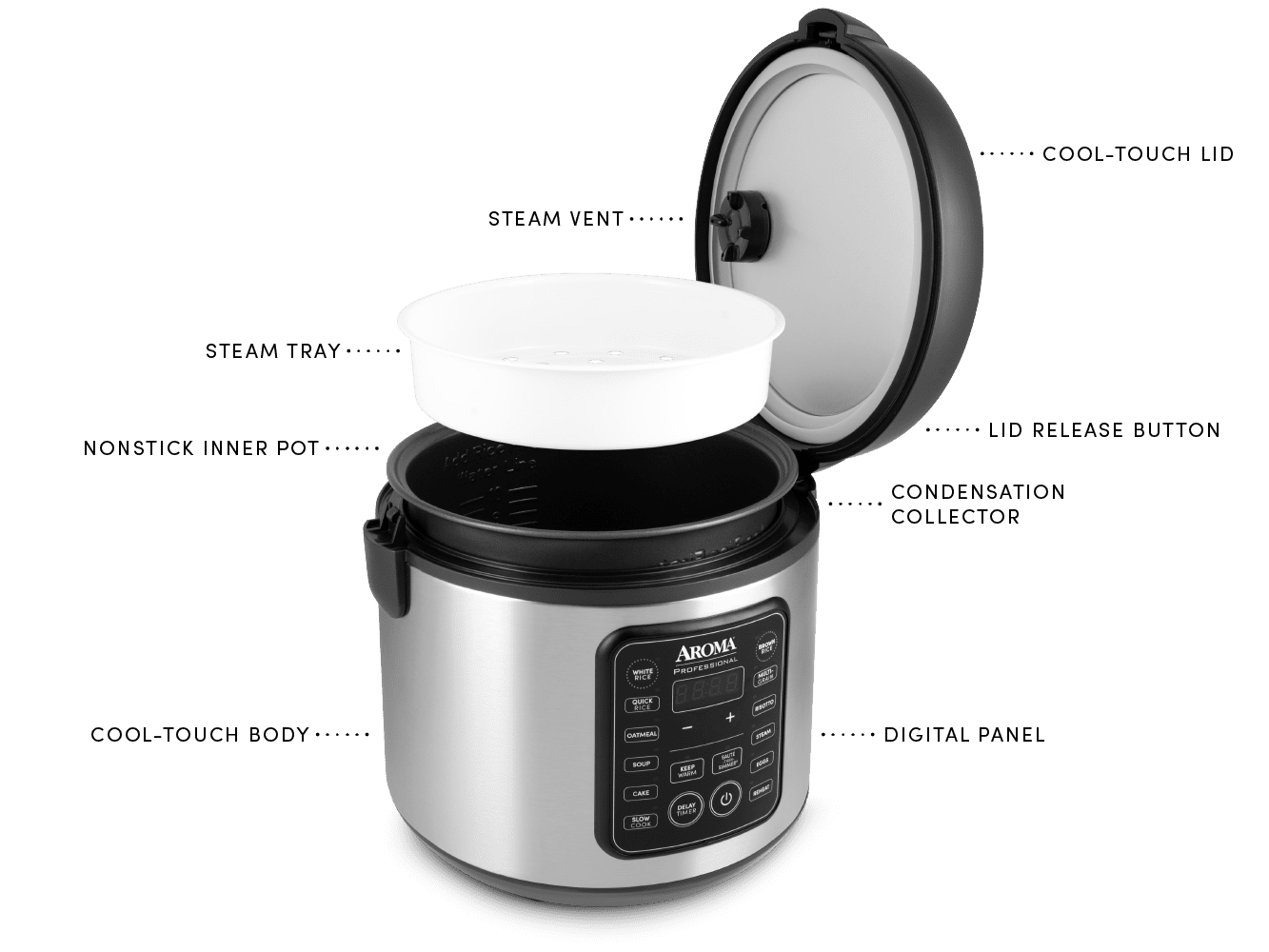
A clogged steam vent is the #1 cause of messy boil-overs in Aroma cookers. Located under the silicone cap on the lid rim, this tiny opening gets blocked by starch after cooking sticky rice or quinoa. When steam can’t escape, pressure forces rice slurry through vents—creating a cleaning nightmare. Clean this weekly if cooking high-starch grains, or monthly for white rice only.
Steam Vent Cleaning Protocol
- Remove vent cap with butter knife (soak in warm water if stuck)
- Dip cotton swab in soapy water and rotate inside opening
- Dislodge debris with bamboo skewer—never metal (scratches damage seals)
- Rinse cap thoroughly, checking crevices with toothbrush
- Dry completely with microfiber cloth before reassembly
- Test by running 1 cup water on “White Rice” cycle
Heating Plate Cleaning: Avoid Electrical Damage

This electrical heart of your cooker sits exposed after removing the inner pot. Moisture here causes permanent damage—never spray cleaners directly or use dripping-wet cloths. Instead, dampen a microfiber cloth with water (wring until barely moist), then wipe in circular motions. Focus on rice grains trapped near the edge where the pot sits. If residue resists, apply baking soda paste with toothbrush, wait 5 minutes, then wipe with dry cloth. One user flooded their heating element by oversaturating the cloth, frying the control board—a $50 repair.
Tackle Upper Rim Buildup: The Hidden Starch Trap
Rice grains inevitably land on the upper rim during serving, mixing with condensation to form a cement-like ring. This area connects the lid to the base, so neglect causes poor sealing and uneven cooking. Start with damp sponge on visible residue, then use a straw brush dipped in vinegar solution for crevices. Key visual cue: Brown streaks indicate burnt-on starch needing baking soda treatment. Wipe inward toward the cooking chamber to avoid pushing debris into vents.
Vinegar Boil Method: Dissolve Stubborn Residue Safely
When scrubbing fails, this chemical-free technique restores factory-fresh surfaces. Never use commercial descalers—they corrode seals. Instead:
1. Mix 1 cup distilled vinegar + 1 cup water in inner pot
2. Close lid and select “White Rice” cycle
3. Cancel cycle immediately after boil begins (1-2 minutes)
4. Let cool 30 minutes—do not open hot
5. Rinse with soapy water 3x to eliminate vinegar taste
Critical warning: Open windows during this process—vinegar vapors can damage nearby electronics. This dissolves mineral deposits from hard water that appear as chalky white spots on the pot.
Baking Soda Paste: Erase Burnt-On Stains Without Scratching
For blackened spots from overheated rice, skip abrasive cleaners that ruin non-stick coatings. Create a paste with:
– 3 tbsp baking soda
– 1 tbsp lemon juice
– 1 tsp water
Apply thickly to stains, wait 10 minutes (bubbling lifts residue), then gently scrub with soft toothbrush. Rinse thoroughly—residual baking soda affects rice flavor. Test on inconspicuous area first for stainless steel models, as lemon juice may cause temporary discoloration (harmless but unsightly).
Must-Have Cleaning Tools Checklist
Using wrong tools causes 70% of Aroma cooker damage. Essential items:
– Non-scratch sponges (blue Scotch-Brite type)
– Microfiber cloths (lint-free drying)
– Bamboo skewers (safe debris removal)
– Soft-bristle toothbrush (vent cleaning)
– Condensation collector removal tool (flat butter knife)
Avoid: Steel wool, bleach, oven cleaners, or soaking electrical components. Keep a dedicated “Aroma cleaning kit” under your sink—never borrow tools from general kitchen cleaning.
Proper Drying: Prevent Mold and Electrical Shorts
Incomplete drying causes more failures than improper cleaning. After washing, shake components vigorously, then air-dry lid upside down on dish rack for 2 hours. For rubber seals, stuff with paper towels to absorb internal moisture. Reassemble only when you can’t detect any dampness by touch—especially under the sealing ring groove. Store with lid slightly ajar for ventilation; closing it traps humidity that corrodes internal wiring. One user’s cooker shorted because they stored it with a damp heating plate—smoke during first use triggered their fire alarm.
Prevent Future Buildup: Pro Cooking Hacks
Extend time between deep cleans with these usage tweaks:
– Add ½ cup extra water if rice sits on “Keep Warm” >20 minutes
– Rinse rice 3x before cooking to remove surface starch
– Use “Quick Cook” mode for white rice (reduces starch release)
– Never scrape pot with metal utensils—use provided plastic paddle
Critical ratio adjustment: For brown rice, use 2.5:1 water-to-rice ratio (not standard 2:1) to prevent burning. Overfilling beyond the 4-cup uncooked rice max strains seals—measure using inner pot’s fill lines, not your cup.
Mastering how to clean Aroma rice cooker transforms it from a chore into a 5-minute habit that doubles your appliance’s lifespan. Daily rim wipes prevent 90% of deep cleaning needs, while monthly vinegar boils maintain heating efficiency. Remember: that faint starch ring today becomes tomorrow’s burnt-on disaster if ignored. By following these precise techniques—especially steam vent maintenance and proper drying—you’ll ensure every grain cooks flawlessly for years. Ready for perfectly steamed rice? Your impeccably clean cooker awaits its next batch.