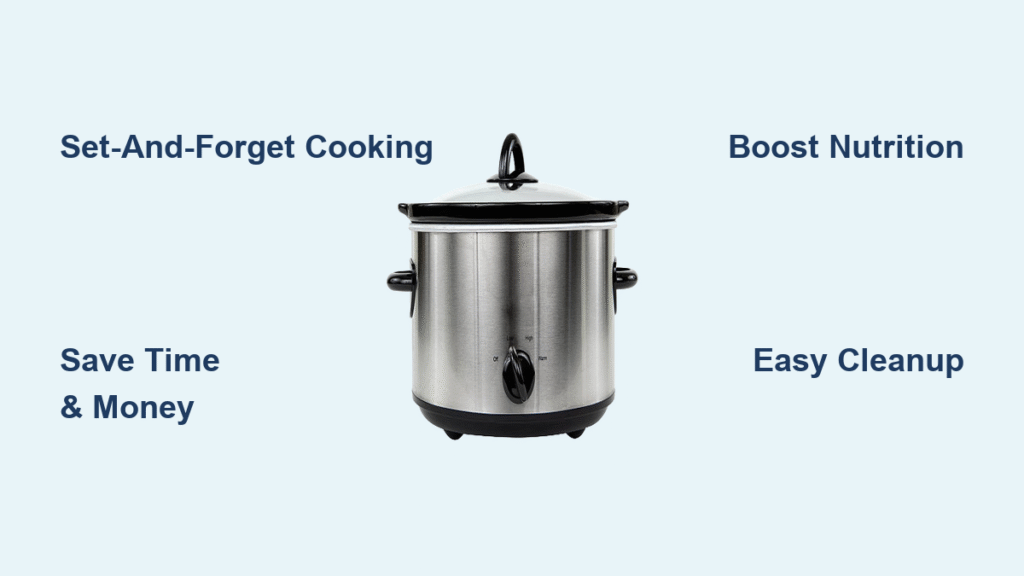
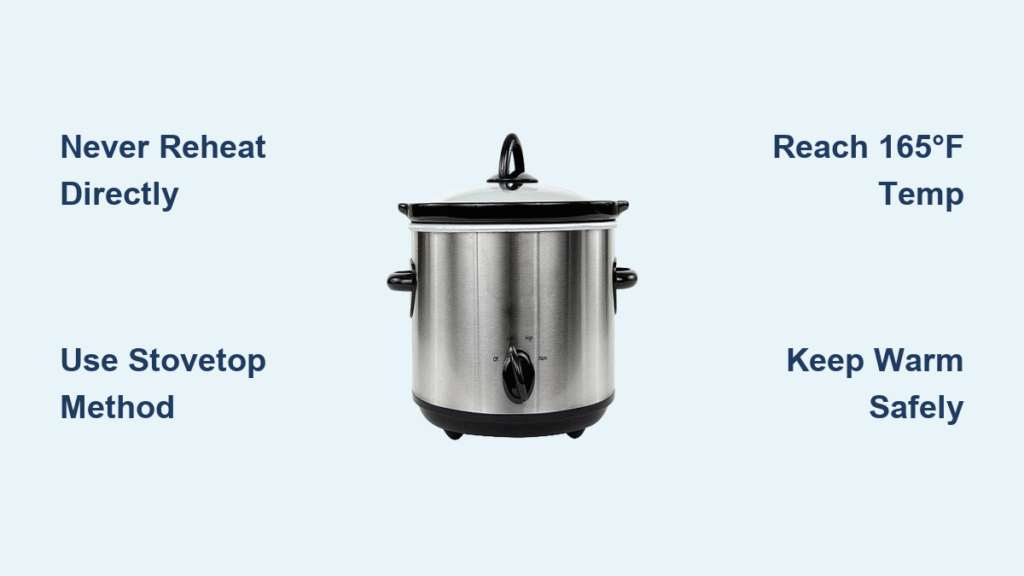
You pull last night’s pot roast from the fridge, ready to transform leftovers into today’s lunch, and reach for your trusty slow cooker. But before you dump that cold meal into the stoneware, stop: you should never reheat food directly in a slow cooker. Despite what you might assume from its name, this countertop appliance is dangerously unsuitable for bringing cold leftovers up to safe temperatures. The Food Safety and Inspection Service reports that improper reheating causes thousands of foodborne illness cases annually, and slow cookers are a major culprit when used incorrectly.
The truth many home cooks miss is that slow cookers operate on fundamentally different principles than reheating requires. While they excel at gradually transforming raw ingredients into tender meals, they create hazardous conditions when handling pre-cooked foods. Placing cold leftovers directly into your Crockpot isn’t just inefficient—it’s a potential health risk that could land you or your family in the emergency room with food poisoning.
This guide reveals why the common practice of reheating in slow cookers endangers your health, what science-backed methods actually work for safe reheating, and how to properly use your slow cooker for what it does best—keeping already-reheated food at safe serving temperatures. You’ll learn exactly how long to reheat food using approved methods and avoid the thermal shock that cracks stoneware.
Why Your Slow Cooker Creates Food Safety Hazards When Reheating
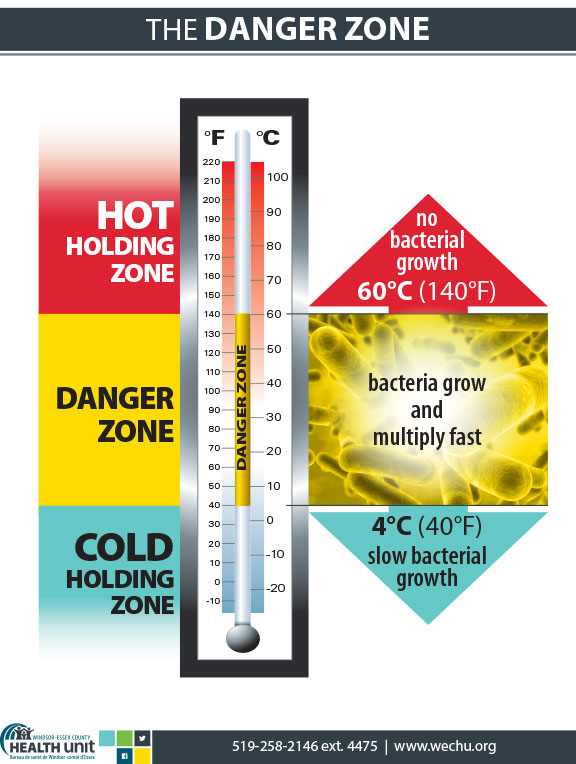
Bacterial Danger Zone Exposure During Slow Reheating
When you place cold leftovers into a slow cooker, the appliance takes hours to gradually heat food through the critical danger zone between 40°F and 140°F. During this extended period, bacteria like Salmonella and E. coli multiply exponentially—doubling every 20 minutes under ideal conditions. Unlike cooking raw ingredients where the prolonged heating process destroys pathogens, reheating pre-cooked food gives bacteria an extended window to thrive before reaching killing temperatures.
The USDA Food Safety and Inspection Service emphasizes that food must pass through the danger zone as quickly as possible during reheating. Slow cookers work against this principle by design, spending too much time in the temperature range where bacteria flourish. This creates significant risk, especially with protein-rich leftovers like meats, poultry, and casseroles that provide ideal bacterial breeding grounds.
Thermal Shock That Cracks Your Slow Cooker Insert
Cold stoneware meets hot base equals disaster—literally. Placing a refrigerated slow cooker insert directly onto a preheated base creates extreme thermal stress that frequently cracks the ceramic. Crockpot’s official safety guidelines explicitly warn: “Never place your stoneware (whether it has been refrigerated or is at room temperature) in a preheated slow cooker base.” This isn’t just about ruining dinner—it creates sharp hazards and compromises food safety when cracks harbor bacteria.
The risk increases dramatically with temperature differentials. A stoneware insert straight from the refrigerator (typically 35-40°F) meeting a preheated base (often 200°F+) creates thermal shock that exceeds the ceramic’s tolerance. Even if the base isn’t preheated, the slow, uneven heating pattern of cold food in a slow cooker creates internal stress points that lead to cracks over time.
Required Temperature Targets for Safe Reheated Food
:max_bytes(150000):strip_icc()/MeatTemperatureSafetyGuidecopy2-8040ef9b998844248fc922154042c2fb.png)
Precise 165°F Internal Temperature Verification
Every reheated food item must reach 165°F (74°C) throughout to ensure bacterial safety. This temperature instantly kills dangerous pathogens including Salmonella, E. coli, and Listeria. Guessing isn’t safe—use an instant-read thermometer to verify temperature at the thickest part of the food, away from container edges where heat concentrates.
For soups, stews, and casseroles, stir thoroughly before testing to distribute heat evenly. Check multiple spots in larger dishes since uneven heating creates cold zones where bacteria survive. Remember: the entire portion must reach 165°F, not just the surface. This is why microwave reheating requires stopping to stir every 30-60 seconds.
Approved Reheating Methods That Actually Work
Stovetop Reheating: 5-15 Minutes for Complete Safety
Transfer leftovers to a saucepan and heat over medium while stirring constantly. This method provides direct, rapid heat that quickly pushes food through the danger zone. For soups and stews, bring to a gentle boil for one minute while stirring. Thicker foods like casseroles benefit from adding small amounts of broth or water to prevent scorching while ensuring even heating.
Pro tip: For dense leftovers like pulled pork or meatloaf, break food into smaller pieces before reheating to create more surface area for faster, more uniform heating. Always finish by verifying 165°F with your thermometer.
Oven Reheating: 20-45 Minutes at 350°F for Moist Results
Place food in an oven-safe dish, add a splash of liquid if needed, cover tightly with foil, and heat at 350°F. Stir halfway through for even heating—this is crucial for casseroles and baked pasta dishes. The oven’s consistent ambient heat ensures thorough reheating without drying out your meal.
This method shines for larger portions that would heat unevenly in a microwave. For best results, let food rest covered for 5 minutes after heating to allow temperature equalization before checking with your thermometer.
Microwave Reheating: 2-10 Minutes with Strategic Stirring
Transfer to a microwave-safe container, cover loosely with a paper towel or microwave-safe lid, and heat in 30-60 second intervals. Stir thoroughly between each interval to eliminate cold spots where bacteria survive. Dense foods like mashed potatoes or thick stews require more frequent stirring than soups.
Critical step: Always allow microwaved food to stand for 1-2 minutes after heating—this lets heat distribute evenly through conduction. Verify 165°F at multiple points before serving, especially with larger portions.
Using Your Slow Cooker Properly for Food Safety
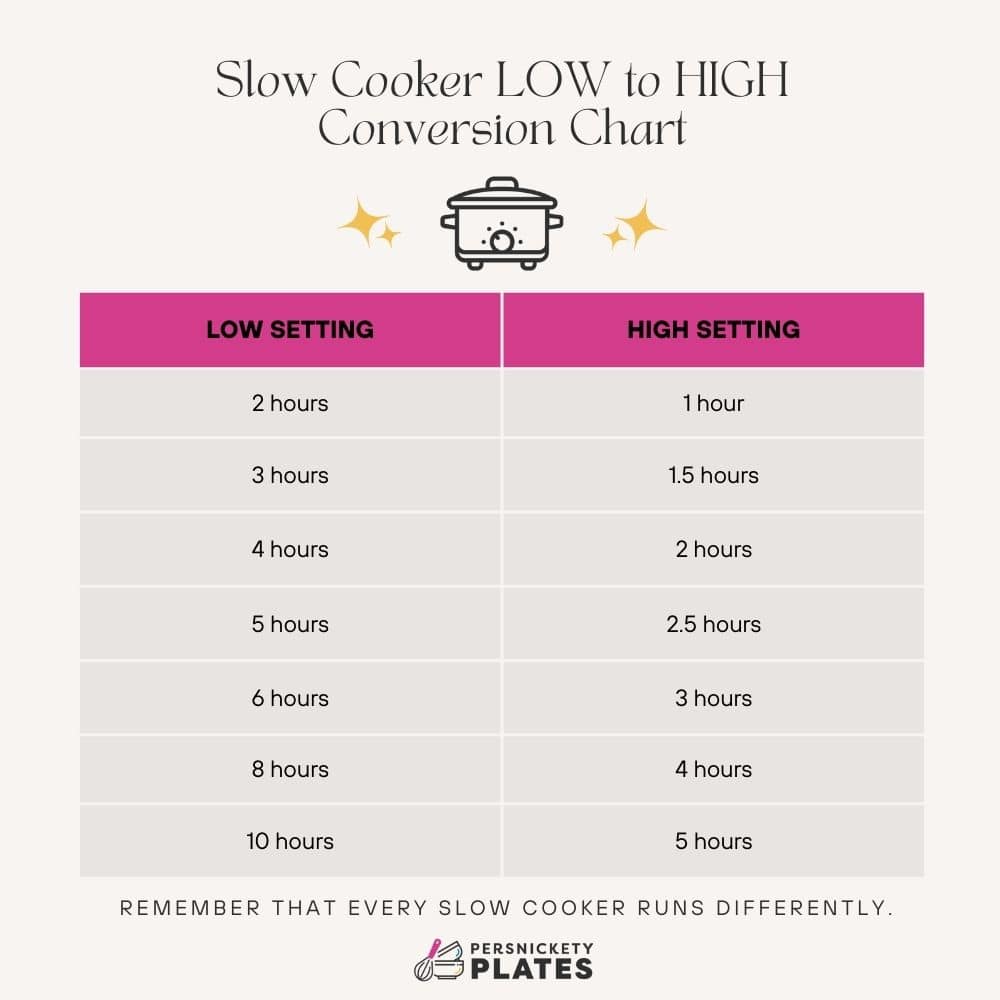
Maintaining Temperature of Already-Reheated Food
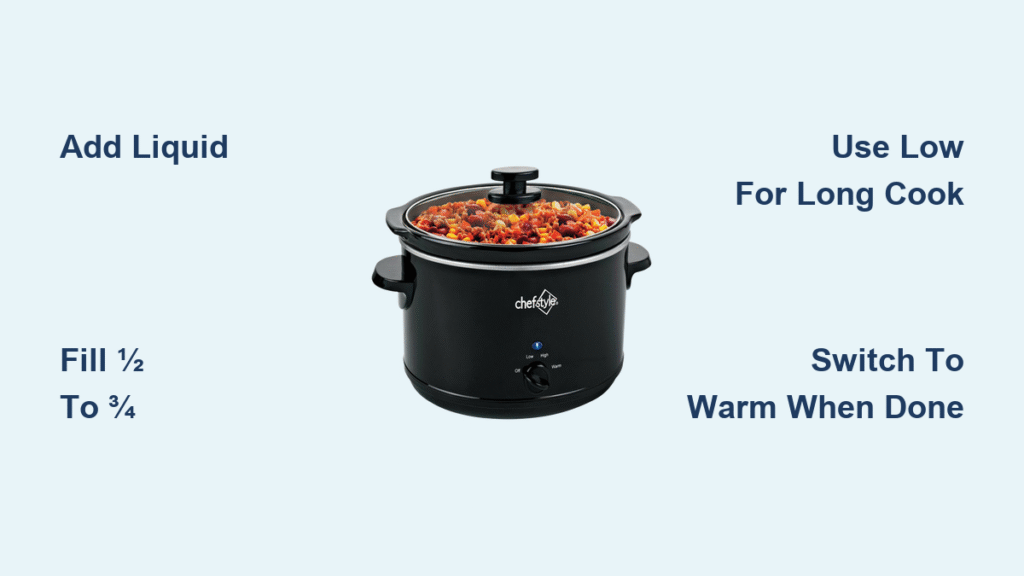
Once food reaches 165°F using approved methods, your slow cooker becomes invaluable for keeping food at safe serving temperatures. Transfer properly reheated food to your slow cooker and use only the WARM or LOW setting. Never use HIGH to reheat—this still takes too long to reach safe temperatures.
Portion guidelines: Keep your slow cooker at least half full for even heat distribution. Avoid using it for portions smaller than 2 cups, as these dry out quickly. Add broth or water to maintain moisture, and stir every 30-60 minutes for consistent temperature.
Strict Two-Hour Time Limit for Warm Holding
Food held at warm temperatures becomes unsafe after two hours—a hard rule from food safety experts. The “two-hour rule” means discarding any food left in your slow cooker beyond this timeframe, regardless of appearance or smell. For events lasting longer, prepare smaller batches and replace them every 90 minutes to stay within safety limits.
Storage Best Practices Before Reheating
Safe Cooling and Container Selection
Refrigerate leftovers within two hours of cooking (one hour if kitchen temperature exceeds 90°F). Use shallow, airtight containers to promote rapid cooling—this prevents bacterial growth during the cooling phase. Glass containers work best for microwave reheating, while freezer-safe containers handle extended storage without leaching chemicals.
Critical detail: Never place large pots of hot food directly in the refrigerator. Instead, divide into smaller portions or use an ice bath to cool food rapidly to 40°F before refrigerating. This prevents raising the refrigerator’s internal temperature and endangering other foods.
Equipment Safety Considerations You Must Know
Stoneware Microwave Compatibility Myths
While some slow cooker inserts claim microwave safety, proceed with extreme caution. Crockpot specifically warns that even when stoneware is microwave-safe, the lid often isn’t. The safest practice? Always transfer food to a dedicated microwave-safe container regardless of labeling. This avoids potential damage to both your slow cooker components and your microwave.
Preventing Thermal Damage to Your Slow Cooker
Allow chilled stoneware to reach room temperature for 30-60 minutes before placing on the base. Never move inserts directly from freezer to heat source—thaw frozen leftovers in the refrigerator first. Inspect stoneware for hairline cracks before each use, as these harbor bacteria and compromise structural integrity.
Final safety checklist: Before serving reheated food, confirm it reached 165°F throughout using a reliable thermometer, verify it passed through the danger zone quickly using stovetop/oven/microwave methods, and if using your slow cooker, ensure it’s only for maintaining temperature of already-safe food. Remember—no matter how convenient it seems, your slow cooker should never be the answer to how long to reheat food in slow cooker scenarios. By following these science-backed methods, you’ll protect your family from foodborne illness while getting the most out of your kitchen appliances.