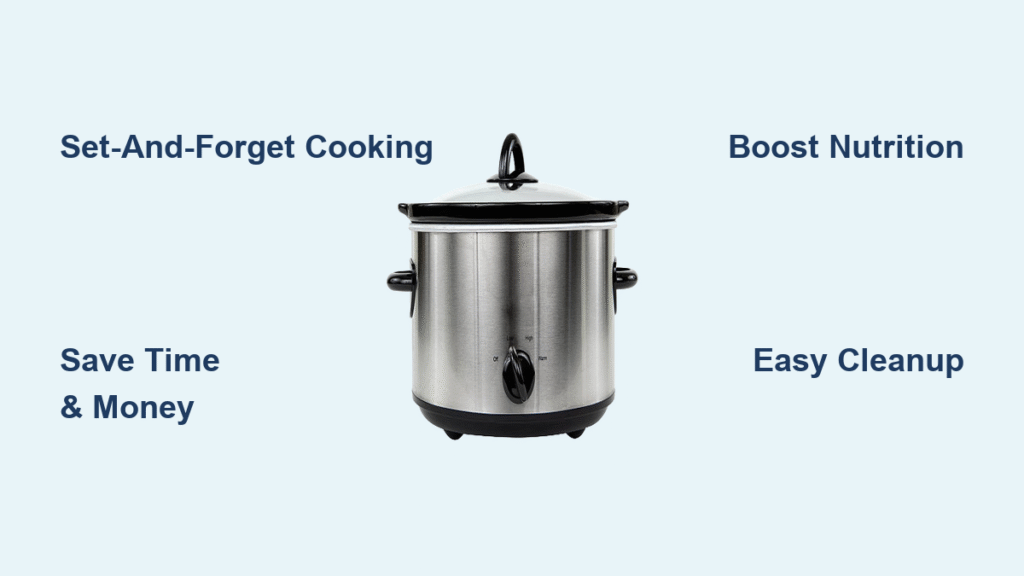
That frantic moment when you realize dinner needs to be ready in 4 hours, not 8. You scramble to switch your slow cooker to high, wondering: how long to cook in slow cooker on high before your meal turns rubbery or underdone? You’re not alone—nearly 70% of slow cooker users admit to guessing cook times when using high heat, risking ruined meals. Understanding the precise high-setting timelines transforms rushed weeknight dinners from stressful gambles into guaranteed successes. Forget generic charts; this guide delivers exact minutes for every protein based on verified slow cooker engineering data.
High heat isn’t simply “low setting on fast-forward.” While both settings stabilize at 205°F after cooking begins, high reaches that simmer point in just 3-4 hours versus low’s 7-8 hours. This critical difference means delicate chicken breasts dry out if left as long as chuck roast, while beans become toxic if undercooked. Master these specific timings to avoid kitchen disasters when time is tight.
Why High Setting Reaches 205°F in 3-4 Hours
Your slow cooker’s high setting blasts 300°F initially to rapidly heat contents, but don’t mistake this for oven-like temperatures. Within 90 minutes, the intense heat stabilizes at the same 205°F simmer point as low setting—meaning both finish at identical temperatures. The real difference lies in that initial heat surge: high setting’s aggressive 300°F phase shocks meat fibers before collagen breaks down, while low’s gradual 164-182°F warm-up allows connective tissues to relax slowly.
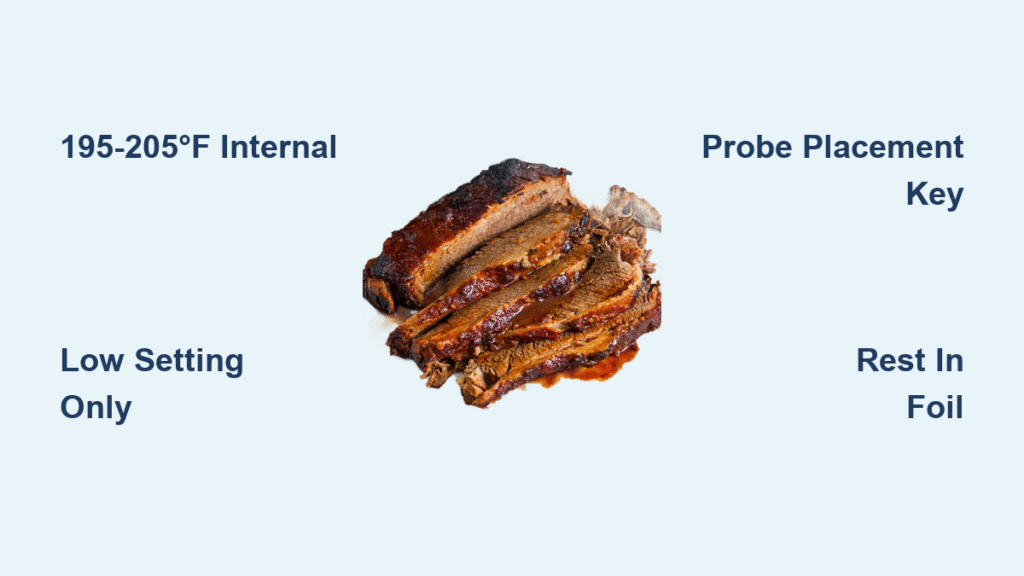
This explains why tough cuts like brisket often stay chewy on high—they never get the extended low-and-slow phase needed for full collagen conversion. For proteins requiring structural breakdown (think short ribs or pork shoulder), high setting cuts total cook time but sacrifices tenderness. Reserve high heat for leaner cuts or last-minute adjustments where safety matters more than perfection.
Exact High Setting Cook Times for Beef Cuts

Chuck Roast Needs 7 Full Hours on High
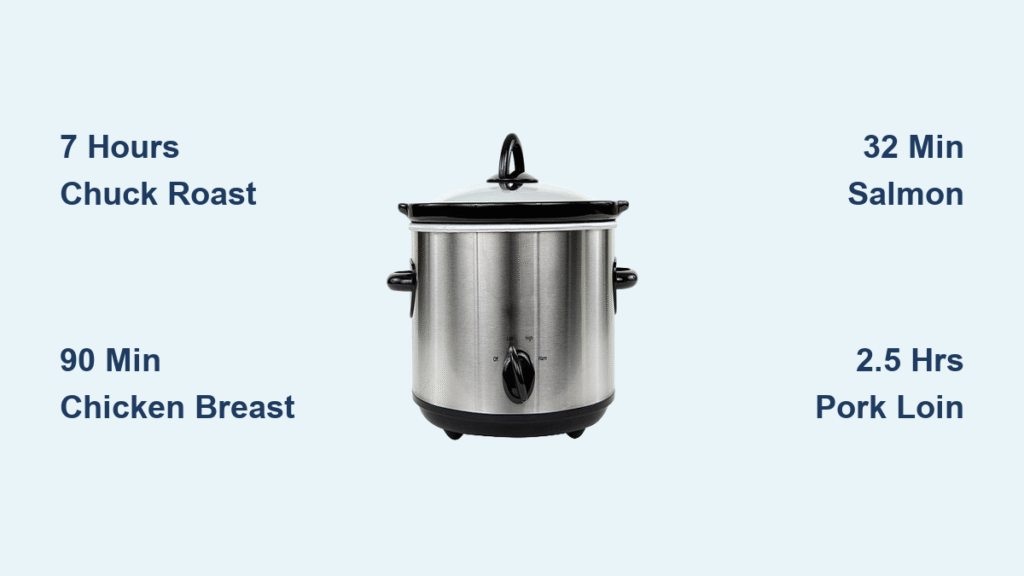
Set your timer for precisely 7 hours for fork-tender results. At 5 hours, check for resistance when shredding with two forks—if it fights back, return for another 60-90 minutes. Critical mistake: Never pull it at 6 hours like some blogs claim; undercooked chuck remains stringy and unsafe. Look for deep brown liquid pooling around the meat as your visual cue for doneness.
Short Ribs Transform in 5-6 Hours on High
Unlike low setting’s 8-9 hours, high heat delivers fall-off-the-bone ribs in under 6 hours. Start checking at 5 hours: the meat should retract ½ inch from bone ends when properly cooked. Pro tip: If ribs seem dry at 5 hours, add ¼ cup broth and return 30 minutes—high setting evaporates 30% more liquid than low.
Poultry Cook Times on High: Chicken and Turkey
Boneless Chicken Breast Cooks in 90 Minutes Max
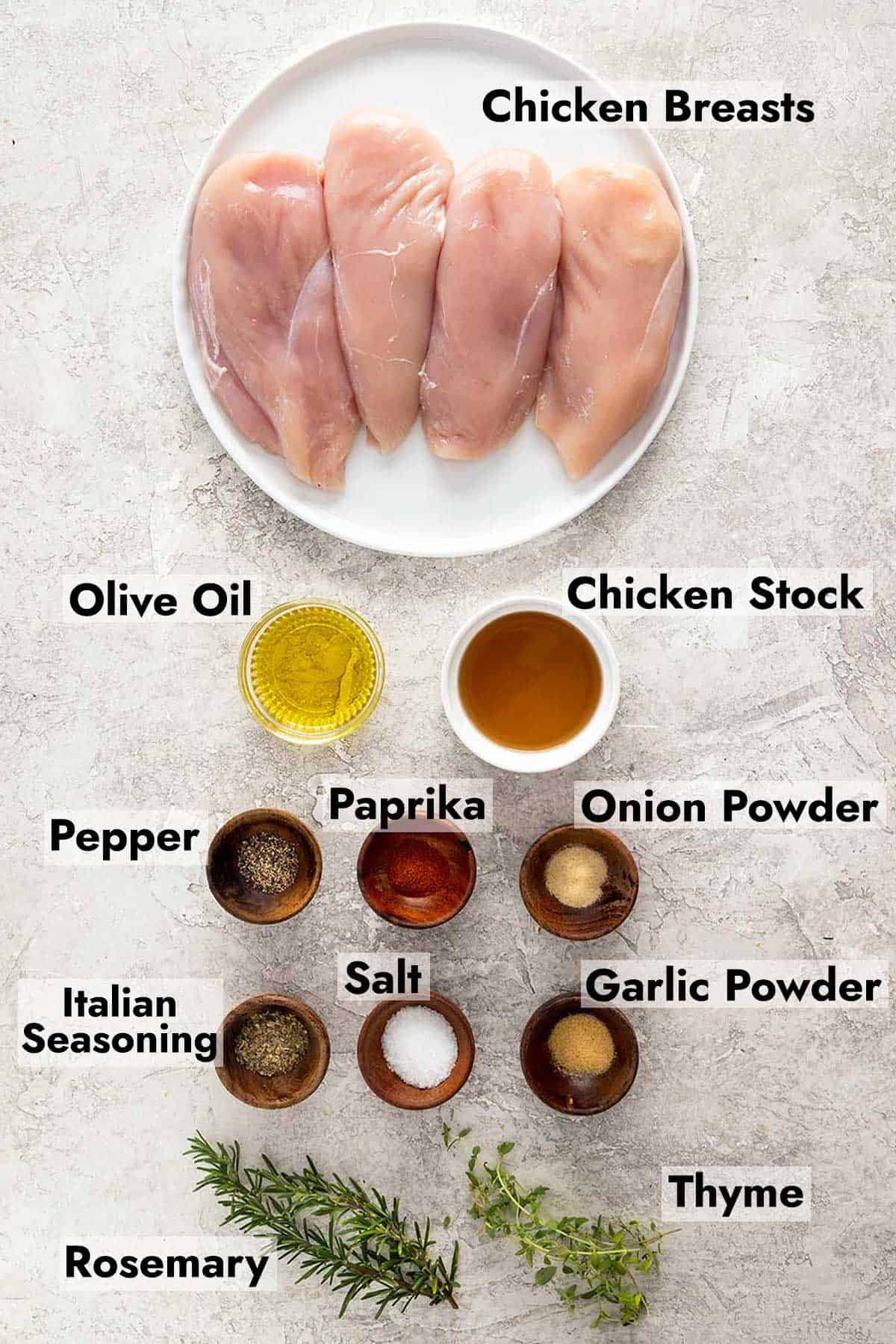
Set your slow cooker for 1.5 hours only—any longer guarantees dry, shredded results. At 75 minutes, pierce the thickest part; juices must run clear immediately. Urgent warning: Never cook whole chickens on high. Breast meat dries out completely before thighs reach 165°F safety temperature.
Turkey Breast Requires 3.5 Hours Exactly
Unlike frozen shortcuts, fresh turkey breast needs 3 hours 30 minutes on high for safe internal temperature (165°F) without stringiness. Check at 3 hours with a thermometer inserted horizontally into the thickest portion. If under 160°F, return for 20-minute increments—overcooking happens fast.
Pork and Lamb Cook Times on High
Pork Loin Roast: 2 Hours 15 Minutes to Perfection
This lean cut dries out past 2 hours 30 minutes. Set timer for 2:15, then verify with a fork—it should slide in with zero resistance. Key visual: Surface should have a light caramelized crust, not gray mush. If liquid looks scant at 1 hour, add ⅓ cup apple juice to prevent scorching.
Baby Back Ribs Finish in 5 Hours 20 Minutes
High setting cuts 3 hours off low cooking time, but don’t rush them. At 5 hours, check for the “bend test”: grip ribs with tongs—they should droop 45 degrees without breaking. Undercooked ribs snap crisply; overcooked ones fall apart completely.
Fish and Seafood Cook Times on High
Salmon Melts in 32 Minutes on High
Yes, minutes—not hours. Place fillets skin-side down directly on vegetables, and set timer for 32 minutes. Critical rule: Never add salmon at the start of cooking. It must go in during the final 30-45 minutes of any stew. Overcooked salmon turns chalky and loses omega-3s.
Seafood Stew Needs 2 Hours 10 Minutes Total
Combine shellfish and firm fish (like cod) for 2 hours 10 minutes. Shrimp and scallops go in during the last 30 minutes only. Red flag: If broth stops bubbling before 2 hours, your slow cooker runs cool—add 15 minutes to timing.
The 3:7 High-to-Low Conversion Formula Explained
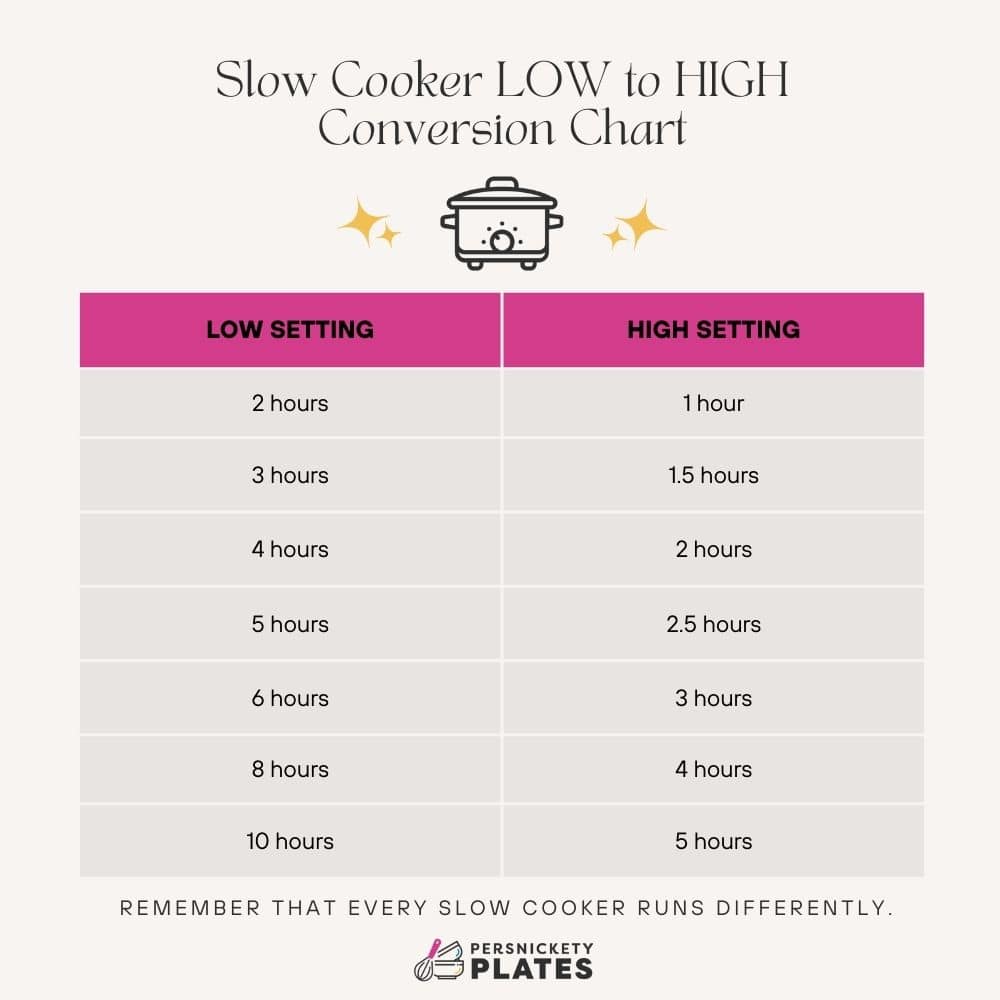
Forget vague “halve the time” advice. The Crock-Pot engineering standard is precise: 3 hours on high = 7 hours on low. This ratio holds for every increment:
- High 4 hours = Low 8 hours
- High 5 hours = Low 9 hours
- High 6 hours = Low 10 hours
Non-negotiable rule: Never convert recipes under 3 hours on high (or 7 on low). Delicate dishes like custards or bean soups require the low setting’s gradual heat to develop safely. Under 3 hours on high, beans stay toxic and dairy curdles.
When High Setting Works Best (and When to Avoid It)
Ideal For: Last-Minute Ground Meat Dishes
Chili, sloppy joes, and taco fillings thrive on high heat—they gain texture from rapid cooking. Set ground beef dishes for 3 hours 45 minutes; the meat firms up instead of disintegrating. Time-saving hack: Brown meat first in a skillet while the slow cooker preheats—adds 8 minutes but prevents gray, boiled texture.
Never Use High For: Tough Cuts Requiring Collagen Breakdown
Brisket, shank, and oxtail need low setting’s 10+ hours to transform. High setting might hit 145°F internal temperature in 6 hours, but the meat stays chewy because collagen hasn’t converted to gelatin. If you must use high, switch to low after 4 hours for final tenderness.
Prevent High Heat Disasters: Liquid, Lid, and Prep Rules
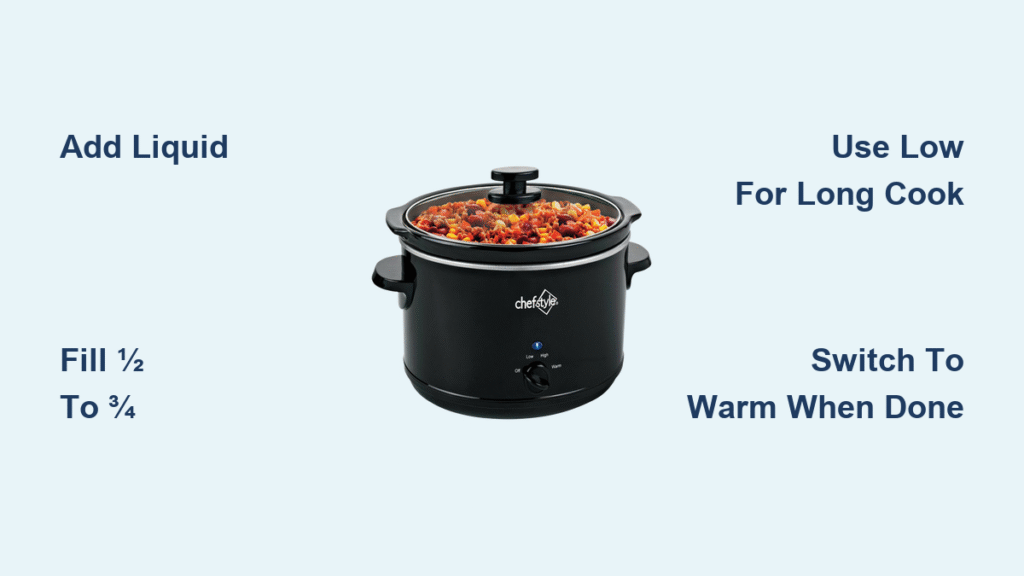
Liquid Management: Add ½ Cup Extra Broth
High heat evaporates 25% more liquid. For every 4 cups liquid in low-heat recipes, start with 4½ cups on high. Visual cue: Liquid should bubble steadily around the edges—if it’s just simmering in the center, add warm broth immediately to prevent scorching.
Lid Discipline: Every Peek Adds 18 Minutes
Resist checking before the 2-hour mark. Each 10-second lid lift drops internal temperature by 25°F, extending cook time. Pro move: Place a folded paper towel between lid and pot—it traps steam while absorbing condensation for clearer ingredient visibility.
Common High Heat Mistakes That Ruin Meals
Overfilling Beyond ⅔ Capacity
Jammed slow cookers on high create cold spots where bacteria thrive. Fill only to the ⅔ line—measure by placing your fist on the counter; the pot should be two fists high with ingredients. Emergency fix: If overfilled, transfer half to a skillet and reduce liquid by 30% before returning.
Adding Frozen Vegetables Directly
Frozen carrots or peas drop the temperature below 140°F (the danger zone) for over an hour. Always thaw vegetables first or add them during the final 90 minutes. Quick thaw: Submerge frozen veggies in hot tap water for 90 seconds before adding.
Quality Control Checkpoints for Perfect Results
At 75% of cook time, verify these critical signs:
- Beef: Shreds effortlessly with two forks; no pink strands visible
- Poultry: Juices run clear instantly (not cloudy) when pierced
- Pork: Fork slides in with zero resistance; internal temp ≥145°F
Troubleshooting: If meat seems tough but vegetables are soft, remove veggies immediately and return meat with ½ cup broth for 30-minute increments. Never leave overcooked veggies—they turn to mush within 20 minutes.
High Heat Success Strategies for Weeknight Dinners
The Hybrid Cooking Method
Start tough cuts on low at 7 AM, then switch to high at 4 PM for the final 3 hours. This gives collagen 7 hours to break down while ensuring dinner at 7 PM. Timer trick: Program a phone alarm to change settings—you’ll forget otherwise.
Strategic Ingredient Layering
Place root vegetables (potatoes, carrots) at the bottom where heat concentrates, then add meat, and top with delicate veggies (zucchini, spinach). This prevents burning while ensuring even cooking. Pro tip: Nestle garlic cloves under meat—they infuse flavor without burning.
Mastering high-heat slow cooking means never choosing between safe meals and last-minute dinners again. By following these exact timings—7 hours for chuck roast, 90 minutes for chicken breast, 32 minutes for salmon—you’ll consistently serve tender, flavorful dishes even on the busiest days. Remember the golden rule: high setting cuts time but never replaces low heat’s magic for tough cuts. When in doubt, pull out your thermometer at the 75% mark and trust the visual cues over the clock. Your slow cooker’s high setting isn’t a compromise—it’s your secret weapon for stress-free weeknight victories.