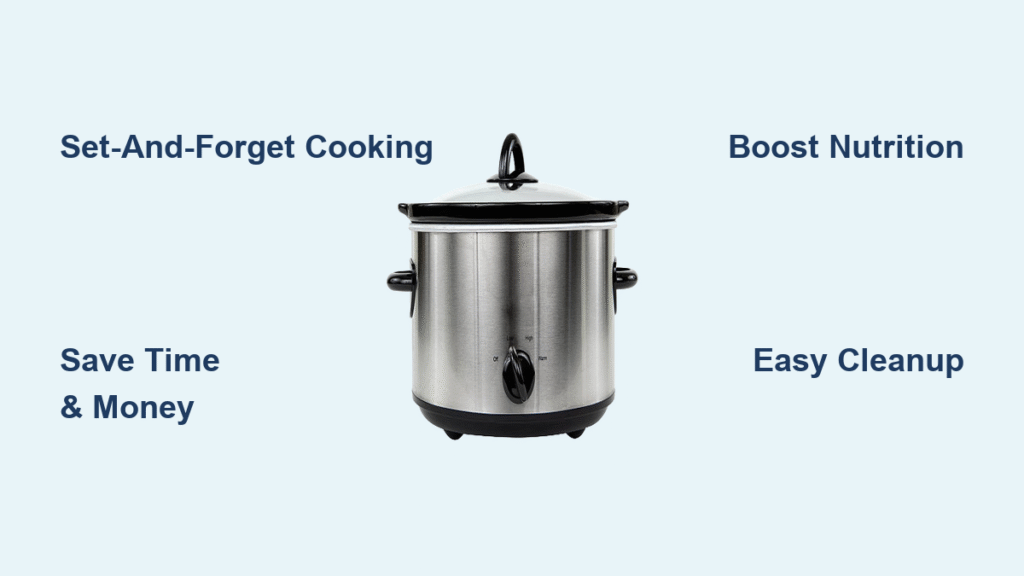
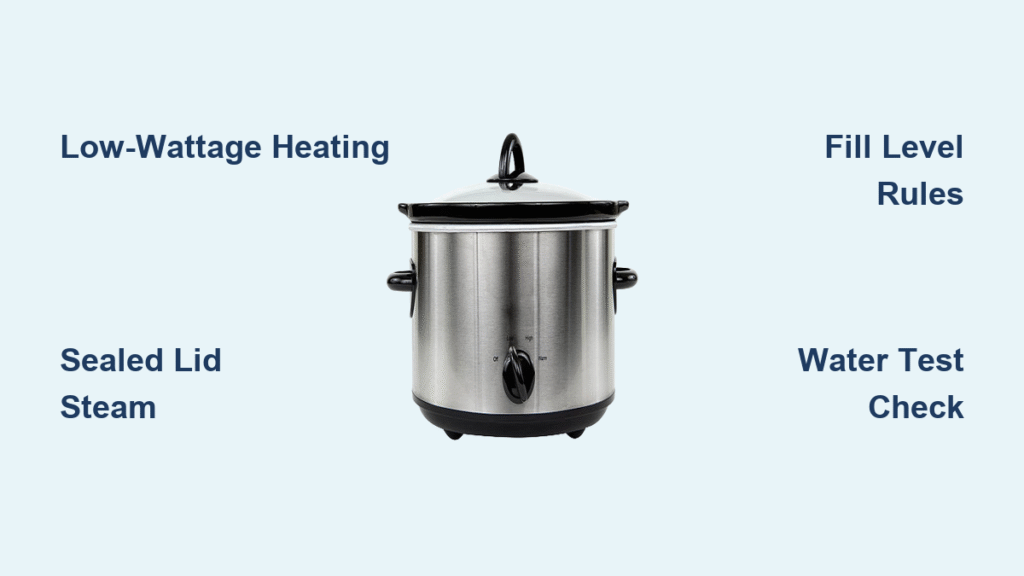
You toss cubed chuck roast, carrots, and broth into a ceramic pot before rushing out the door at 7 AM. Hours later, you return to fork-tender meat swimming in rich gravy—without monitoring a single flame. This everyday magic isn’t luck; it’s precision engineering. A slow cooker works by using low-wattage electric coils (just 70-250 watts) to maintain exact temperatures between 170°F and 300°F for 3–10 hours, transforming tough cuts into succulent meals while you live your life. Unlike stovetop cooking, it creates a sealed, humid environment that breaks down collagen without drying out ingredients—all while using less energy than a light bulb. Here’s exactly how this countertop hero delivers restaurant-quality results unattended.
Why Your Slow Cooker Reaches Safe Temperatures in 4 Hours
How Heating Coils Prevent Bacterial Growth
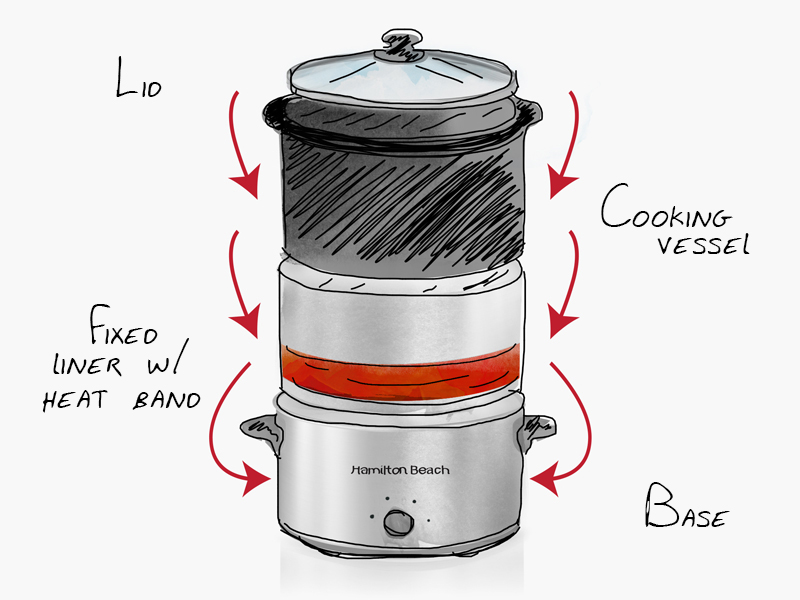
Slow cookers are engineered to hit 140°F within four hours—the critical threshold to stop bacterial growth. The base houses encapsulated heating coils wrapped around the ceramic insert. These coils warm the air gap between the metal casing and stoneware, creating indirect, even heat that rises from the bottom up. This mimics a Dutch oven in a low oven but with zero hot spots. If your unit fails to reach 185°F in an 8-hour water test (½–⅔ full of water on LOW), discard it—it can’t keep food out of the danger zone.
Temperature Settings and Their Real Cooking Impact
Each setting serves a distinct purpose based on food science:
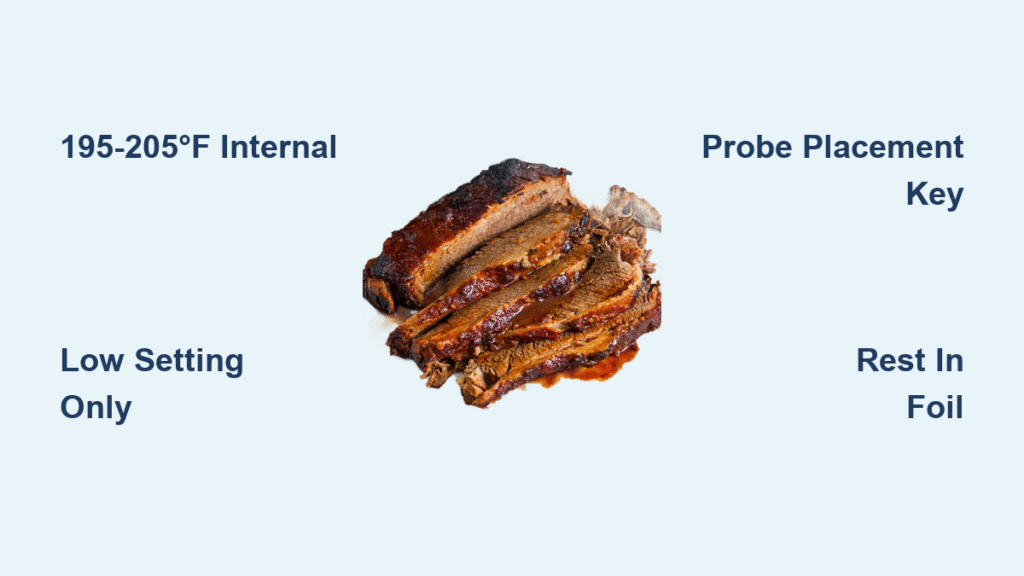
– LOW (170–190°F): Perfect for 6–10 hour collagen breakdown in brisket or pork shoulder. The gentle heat dissolves connective tissue into gelatin without squeezing out moisture.
– HIGH (280–300°F): Reaches simmering point faster for 3–4 hour meals. Ideal when you forget to prep in the morning—but never use HIGH for delicate dishes like custards.
– WARM (~165°F): Holds cooked food safely for up to 4 hours without overcooking. Never use this setting to cook food—it won’t reach safe temperatures.
How the Lid Creates Self-Basting Moisture Magic
The Vacuum Seal That Traps Every Flavor Molecule
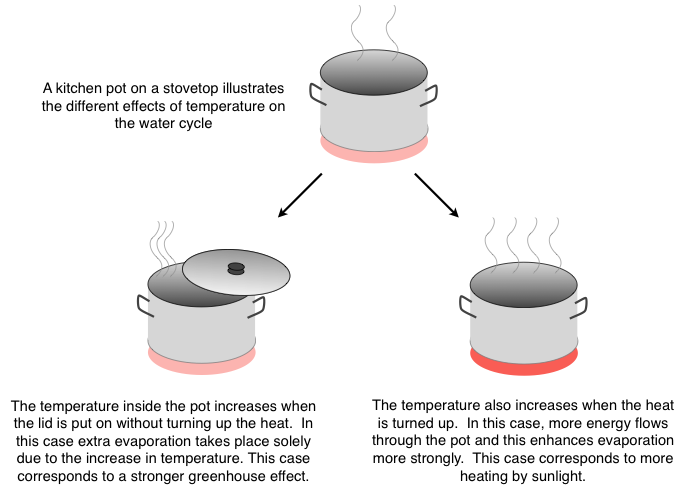
That domed glass lid isn’t just for show—it creates a self-basting cycle critical to slow cooking. Steam rises from the simmering food, hits the cooler lid surface, condenses into droplets, and rains back down. This continuous loop:
– Prevents moisture loss (unlike ovens where steam escapes)
– Distributes herbs and spices evenly through convection
– Maintains a low-oxygen environment that prevents oxidation and off-flavors
Pro Tip: Never prop the lid open during cooking—each lift drops the temperature 15–20°F and adds 30 minutes to cook time. If you must check food, do it within the first hour when ingredients are cold.
Why Fill Level Determines Success or Failure
Overfilling causes dangerous boil-overs; underfilling risks burning. Stick to these non-negotiable rules:
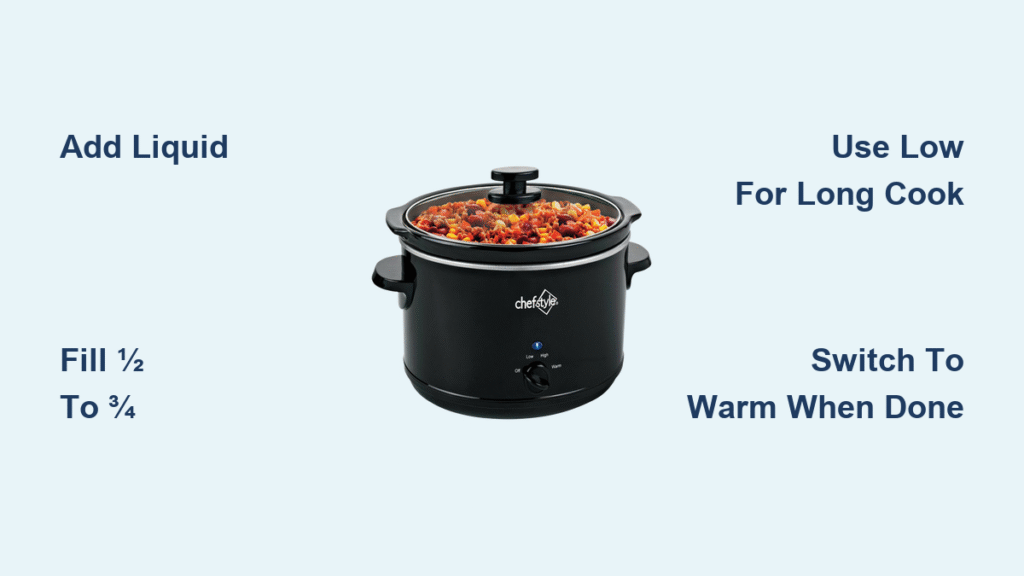
– Minimum: Fill to ½ capacity—less liquid heats too quickly, scorching the bottom.
– Maximum: Stop at ⅔ full—excess liquid blocks steam circulation and triggers overflow.
– Critical Exception: Never exceed ½ full for dairy-based dishes (like mac and cheese). Dairy separates at high volumes during long cooks.
Fixing Common Slow Cooker Disasters Before They Happen
Why Your Pot Roast Falls Apart (Or Stays Tough)
Tough meat after 8 hours? Three culprits:
1. Wrong cut: Use chuck, brisket, or shoulder—never lean cuts like sirloin.
2. Lid lifted too often: Each peek resets the tenderizing clock.
3. Unit malfunction: Run the water test. If it doesn’t hit 185°F, replace it.
Solution: Always brown meat first in a skillet. The Maillard reaction creates flavor compounds no slow cooker can replicate alone.
How to Eliminate Soggy Vegetables and Watery Sauces
Excess liquid ruins texture. Combat it by:
– Reducing broth by 50% versus stove recipes (slow cookers lose almost no moisture to evaporation)
– Layering dense veggies (potatoes, carrots) on the bottom where heat is strongest
– Adding quick-cook items (peas, spinach, seafood) in the final 30 minutes
Warning: Never cook dry red kidney beans from scratch—they contain phytohaemagglutinin toxin. Soak 12+ hours, boil 10 minutes, then slow cook. Canned beans are pre-treated and safe.
Energy-Saving Secrets Chefs Don’t Tell You
Why It Uses Less Power Than Boiling Pasta
A 6-hour cook consumes 0.7–1.5 kWh—just 10–20% of a conventional oven’s energy. The contained heat also keeps kitchens cooler in summer. Maximize savings by:
– Choosing LOW over HIGH for all-day cooks (uses 20% less energy)
– Batch-cooking 6+ servings and freezing extras (reheats faster than cooking fresh)
– Using overnight steel-cut oats instead of stovetop (1/3 the energy)
How to Avoid Costly Mistakes That Shorten Lifespan
Most slow cookers die from improper care. Extend yours by:
– Never placing a hot ceramic insert on a cold counter—it causes thermal shock cracks
– Always letting the crock cool completely before washing (prevents warping)
– Only wiping the base with a damp cloth—submerging it fries the coils
Deep clean hack: For stuck-on residue, fill the crock with water + ½ cup baking soda. Heat on LOW 1 hour, then wipe clean.
Converting Any Recipe to Slow Cooker Perfection
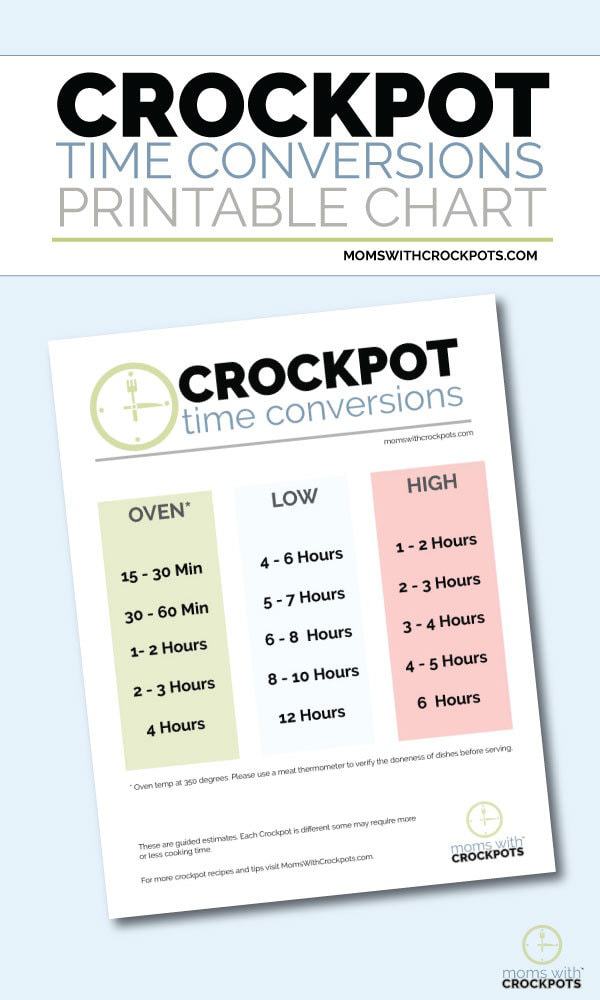
Stovetop-to-Slow Cooker Timing Cheat Sheet
| Original Method | Slow Cooker Equivalent | Liquid Adjustment |
|---|---|---|
| Simmer 1 hour | LOW 6–8 hours | Reduce by 50% |
| Oven roast 300°F 1 hr | LOW 6–8 hours | Reduce by 50% |
| Sauté then simmer | Brown meat first | Add ¼ cup liquid |
Step-by-Step Morning Workflow for Flawless Meals
- Prep night before: Chop veggies uniformly (1-inch cubes cook evenly).
- Layer correctly: Place root vegetables on bottom, meat above, aromatics (garlic, herbs) on top.
- Set liquid levels: For 6 quarts of ingredients, use max 2 cups broth.
- Choose settings: LOW for 8 hours (ideal for collagen-rich meats) or HIGH for 4 hours (emergency meals).
- Finish strong: Stir in dairy, fresh herbs, or lemon juice in the final 15 minutes.
How It Beats Dutch Ovens and Instant Pots for Unattended Cooking
Why Slow Cookers Win for “Set and Forget” Safety
While Dutch ovens require oven monitoring and Instant Pots need pressure checks, slow cookers excel at true unattended cooking:
– No hot surfaces: Exterior stays cool (unlike stovetop Dutch ovens)
– No pressure risks: Zero chance of steam burns or seal failures
– Consistent temps: No hot spots that scorch sauces like thin Instant Pot inserts
Key limitation: Can’t sear meat unless you own a specialty model. Always brown in a skillet first for complex flavors.
Critical Safety Checks Before Every Use
The 4 Must-Do Tests to Prevent Food Poisoning
- Water test: Fill ½–⅔ with water, cook LOW 8 hours. Must hit 185°F—if not, replace unit.
- Fill level check: Never exceed ⅔ full, especially with beans or grains that expand.
- Thaw verification: Frozen meat extends time in the danger zone (40–140°F). Thaw completely first.
- Lid seal inspection: Ensure no cracks—steam must condense properly for self-basting.
Never reheating leftovers warning: Slow cookers can’t rapidly heat food through the danger zone. Always reheat on stove or microwave to 165°F.
Final Takeaway: Your slow cooker works by harnessing low-wattage coils to maintain precise temperatures in a sealed ceramic pot, turning tough ingredients into tender masterpieces through controlled steam and time—not magic. By following the fill-level rules, running annual water tests, and adapting recipes properly, you’ll consistently create safe, flavorful meals while saving energy. The real power lies in its simplicity: set it before work, return to a feast, and let the science do the rest. Remember—great slow cooker meals still require proper prep (browning meat, layering veggies), but once mastered, it becomes your most reliable kitchen ally for effortless, no-monitoring cooking.