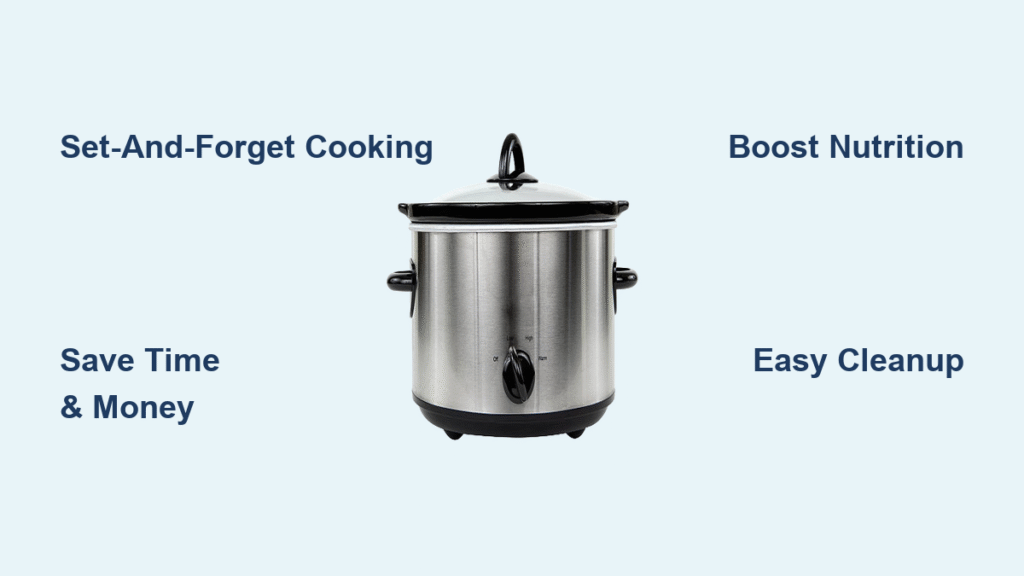
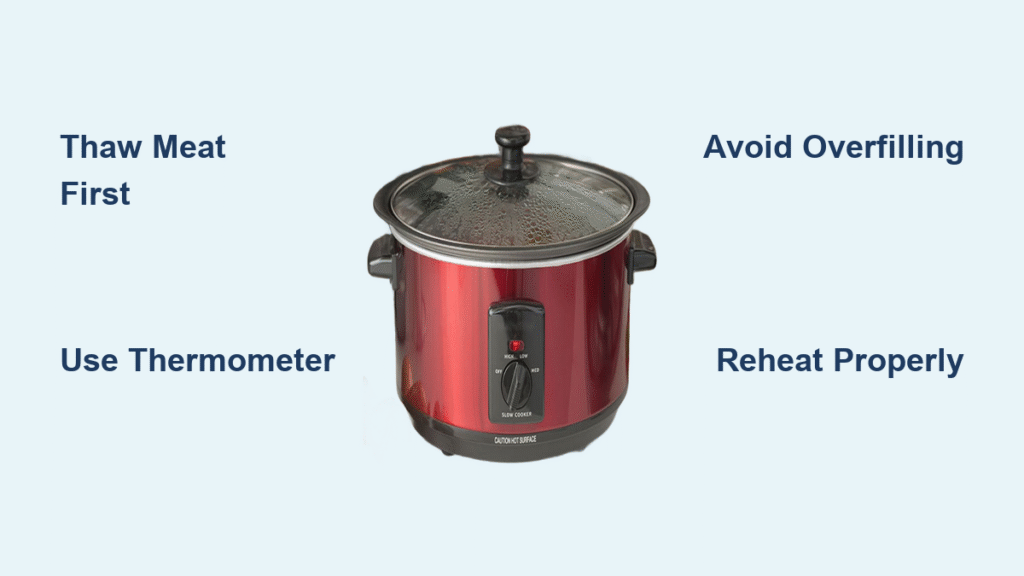
Your slow cooker transforms tough cuts into tender meals while you sleep—but improper use turns this kitchen hero into a bacterial breeding ground. Every year, thousands of Americans unknowingly risk food poisoning by making preventable slow cooker mistakes. The truth? Safe slow cooking isn’t complicated when you know exactly how to control temperatures and handle ingredients. This guide reveals the critical food safety slow cooker protocols that keep your family protected while delivering perfect results, whether you’re meal prepping for busy weeks or cooking Sunday dinners.
Forget guessing when food is safe—visual cues like color change or texture are dangerously unreliable. Without hitting precise internal temperatures, harmful bacteria like Salmonella and E. coli survive and multiply rapidly. You’ll discover exactly how to verify safe temperatures, why frozen ingredients are the #1 hazard, and the shocking mistake 70% of home cooks make with lid management. These evidence-backed practices transform your slow cooker from potential danger zone into your most reliable kitchen ally.
Why Your Slow Cooker Temperature Settings Matter Most
The Bacteria Multiplication Danger Zone
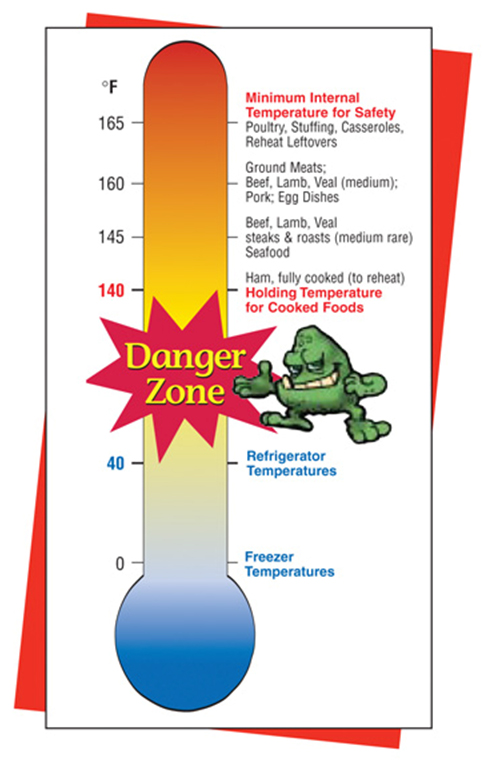
Bacteria explode in growth between 40-140°F—the critical danger zone where pathogens double every 20 minutes. Your slow cooker’s magic happens only when it pushes food through this zone quickly enough to prevent colonization. Low settings (170-280°F) eventually destroy bacteria through sustained heat and steam, but frozen or improperly thawed ingredients linger too long in the danger zone. Never assume cooking time alone ensures safety—only thermometer verification guarantees protection.
Exact Safe Temperatures for Every Dish
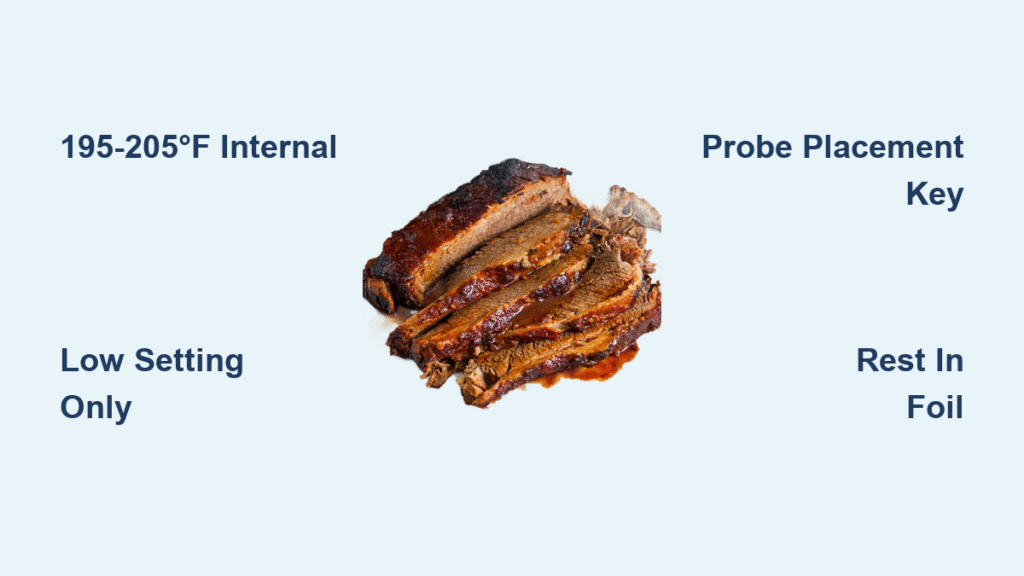
- Poultry (whole or pieces): Must reach 165°F throughout—check thighs, breasts, and wings
- Beef, pork, lamb roasts: 145°F for medium-rare (rest 3 minutes) up to 160°F for well-done
- Ground meats and soups: 160°F minimum due to increased surface area exposure
- Leftovers: Always reheat to 165°F before serving
Foolproof Temperature Verification
Insert your thermometer into the thickest part of meat, avoiding bones or fat pockets. For mixed dishes like chili or stew, check multiple spots since ingredients heat unevenly—especially near the crock’s edges. Test 30 minutes before recipe completion, stir well, then recheck. Remember: color and texture changes don’t equal safety—only accurate thermometer readings prevent illness.
Pre-Cooking Safety Protocols That Prevent Disaster
Thawing Requirements You Can’t Skip
Placing frozen meat directly into your slow cooker is the most dangerous mistake home cooks make. Frozen centers stay in the bacterial danger zone for hours, allowing pathogens to multiply unchecked. Always thaw first using these safe methods:
Refrigerator thawing: Place meat on the lowest shelf in a drip-catching container. Allow 24 hours per 4-5 pounds—never thaw at room temperature.
Cold water thawing: Submerge sealed packages in cold water, changing water every 30 minutes. Cook immediately after thawing.
Microwave thawing: Use defrost setting only, then cook right away since partial cooking occurs during thawing.
Preheating Strategies for Rapid Safety
Start your slow cooker on HIGH for the first hour whenever possible, especially with large roasts or full pots. This critical step slashes time spent in the danger zone by accelerating heat penetration. Adding hot broth or water (instead of cold) further jumpstarts the process—your goal is reaching 140°F within 2 hours maximum.
Clean Preparation Non-Negotiables
Wash hands vigorously for 20 seconds before handling ingredients. Use separate cutting boards for raw meats versus vegetables to prevent cross-contamination. Sanitize all surfaces that touched raw proteins with a diluted bleach solution (1 tbsp bleach per gallon of water). Cut large meat portions into uniform 2-3 inch chunks for even cooking—uneven sizes create cold spots where bacteria survive.
Cooking Process Guidelines That Guarantee Safety
Optimal Filling Levels for Proper Heat Circulation
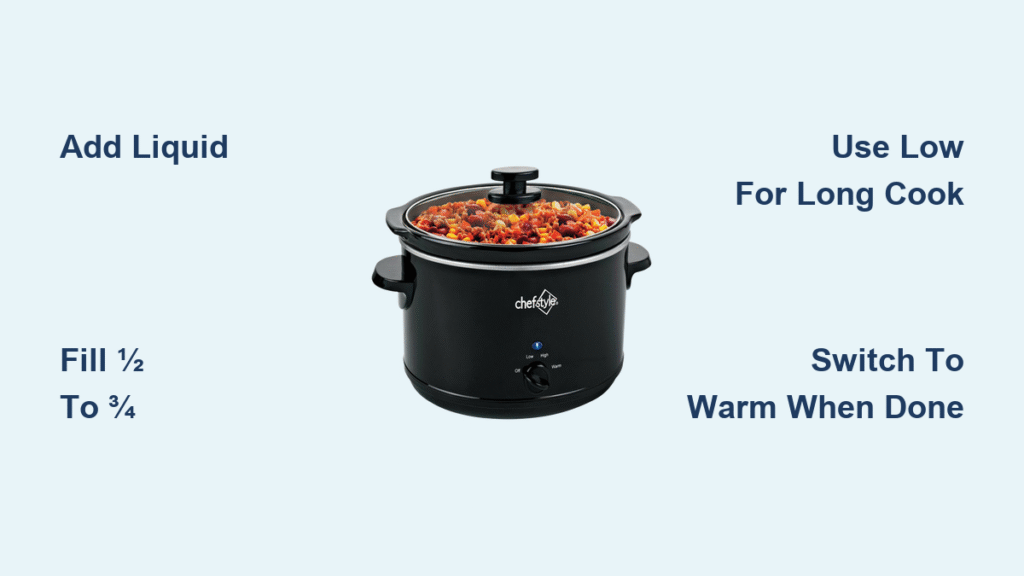
Fill your slow cooker between ½ and ⅔ full—never exceeding ¾ capacity. Overfilling prevents heat from penetrating the center, leaving dangerous cold zones. Underfilling causes excessive evaporation and temperature swings. When doubling recipes, use two cookers rather than overpacking one. Check your manual—some models specify exact fill lines for safety.
Strategic Ingredient Placement Secrets
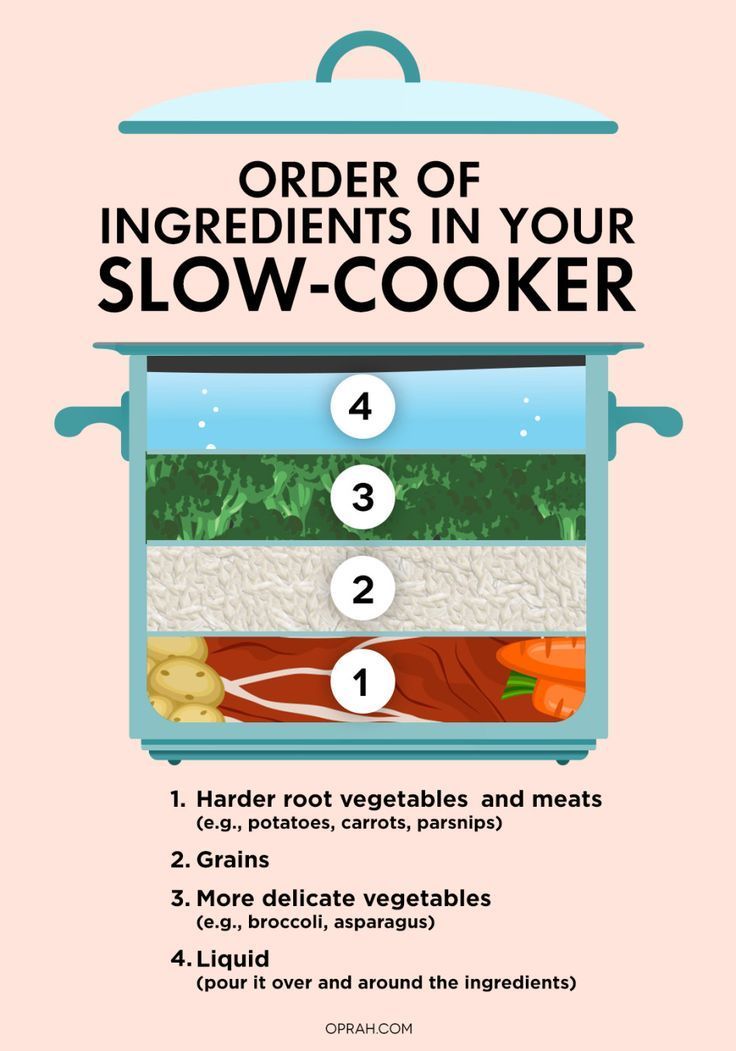
Layer ingredients for maximum safety: dense vegetables (potatoes, carrots) on the bottom, meats in the middle, and hot liquid covering everything. This ensures slower-cooking items get direct heat contact while liquid creates essential steam. Always submerge meats completely—exposed portions won’t reach safe temperatures.
Lid Management Rules That Save Hours
Keep the lid sealed throughout cooking unless absolutely necessary. Each removal releases vital steam and heat, adding approximately 30 minutes to cooking time and prolonging danger zone exposure. Plan all stirring or additions during one mid-cook check—never lift the lid “just to peek.” Invest in a cooker with a clear glass lid to monitor progress without opening.
Timing Traps That Cause Food Poisoning
Never use delay timers for raw ingredients—bacteria multiply explosively while food sits at room temperature. Start cooking immediately after prep. If ingredients sat out:
– Under 1 hour: Proceed normally
– 1-2 hours: Switch to stovetop or oven
– Over 2 hours: Discard everything—no exceptions
Post-Cooking Safety Measures Most Cooks Ignore
Immediate Handling Protocol
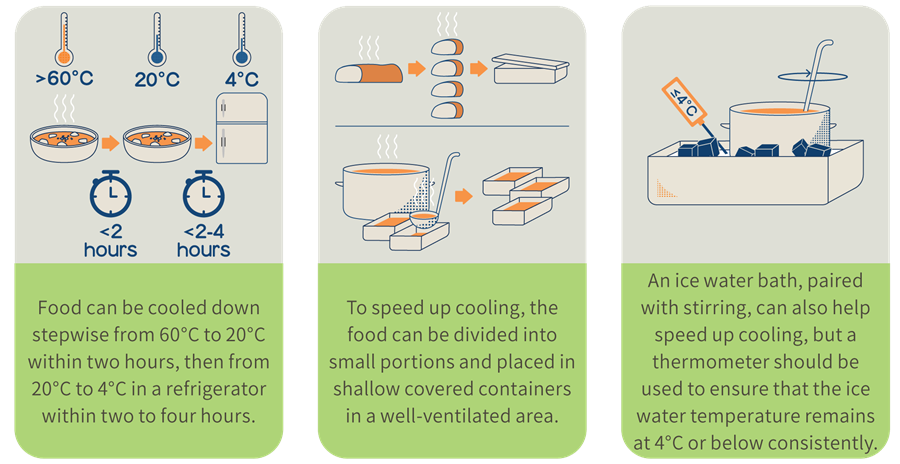
Transfer cooked food to shallow containers within 2 hours (1 hour if kitchen exceeds 90°F). Leaving food to cool in the crock creates perfect bacterial breeding conditions as temperatures slowly drop through the danger zone. Shallow containers (2 inches deep max) allow rapid chilling in the refrigerator.
Safe Reheating Methods That Prevent Illness
Never reheat leftovers in your slow cooker—it heats too slowly, keeping food in the danger zone for hours. Instead, microwave or stovetop heat to 165°F first, then transfer to the slow cooker on WARM setting (140°F minimum) for serving. This two-step process is the only safe method.
Storage Guidelines for Leftover Safety
Label containers with dates and consume refrigerated leftovers within 3-4 days. Freeze portions you won’t eat within this window—maintain freezer at 0°F or below. Discard any food left in the danger zone over 2 hours, regardless of appearance.
Common Safety Mistakes That Cause Outbreaks
The Frozen Ingredients Trap
Adding frozen meat directly causes the most slow cooker food poisonings. Frozen centers stay below 140°F for 4+ hours—enough time for bacteria to multiply to dangerous levels. Always thaw completely first, even for “dump and go” recipes.
Overfilling Consequences
Cramming ingredients beyond ⅔ capacity prevents proper heat circulation. Dense centers may never reach 140°F, even after doubling cooking time. When cooking large batches, use multiple cookers—never compromise fill levels for convenience.
Reheating Recklessness
Using your slow cooker to reheat cooked food is dangerously ineffective. The gradual warming process keeps food in the bacterial danger zone for hours. Always reheat externally to 165°F first—your thermometer is non-negotiable here.
Cleaning and Maintenance for Long-Term Safety
Daily Sanitizing Protocol
After each use, wash the stoneware insert and lid in hot, soapy water (or dishwasher if labeled safe). Clean the heating base with a damp cloth only—never submerge electrical components. Sanitize all prep surfaces, cutting boards, and utensils with hot, soapy water to eliminate residual bacteria.
Deep Cleaning for Hidden Hazards
Weekly, wipe non-electrical surfaces with equal parts white vinegar and water to dissolve grease and eliminate odor-causing bacteria. Pay special attention to lid seals and heating element crevices where food particles hide. Always dry completely before storage to prevent mold growth.
Special Considerations for Risky Situations
Large Cuts of Meat Safety
USDA research confirms slow cookers safely handle whole chickens and 4-5 pound roasts when guidelines are followed. However, verify your model’s capacity limits—most require cutting poultry into pieces for even cooking. Always use a meat thermometer to confirm internal temperatures in multiple spots.
Commercial Frozen Meal Exceptions
Only use frozen slow-cooker meals specifically designed for this purpose—these undergo special processing. Never substitute regular frozen meals, as their formulation doesn’t account for slow cooker thawing risks. Always follow package instructions explicitly for these products.
Mastering food safety slow cooker practices means enjoying worry-free convenience without compromising health. By verifying temperatures with your thermometer, thawing properly, and avoiding the frozen ingredient trap, you transform this appliance into your safest cooking tool. Remember: when reheating leftovers, the two-step method (external reheating then warm setting) is non-negotiable for safety. Implement these protocols consistently, and your slow cooker will deliver delicious, bacteria-free meals for years—proving that the simplest kitchen tools demand the smartest safety habits. Keep your thermometer handy, trust measurements over appearances, and never skip the thaw—your family’s health depends on these small but critical steps.