

That sulfur smell clinging to your morning eggs? Chalky white streaks marring your heating plate? When mineral deposits and egg residue build up in your electric egg cooker, they don’t just ruin flavors—they slash heating efficiency, breed bacteria, and can cut your appliance’s lifespan in half. Most users don’t realize that skipping a simple 2-minute wipe after cooking triggers a domino effect: hardened protein attracts more grime, scale insulates the heating element, and trapped moisture invites mold. But here’s the fix: a precise cleaning schedule targeting exactly where residue hides. You’ll learn how to deep clean egg cooker components in under 15 minutes, banish odors permanently, and make your appliance deliver flawless eggs for years.
Daily Clean Egg Cooker Routine to Stop Residue Hardening
Wipe Heating Plate Before It Cools Completely
Do this within 10 minutes of cooking while the plate is warm (not hot). Unplug the unit, then dampen a microfiber cloth with lukewarm water and one drop of mild dish soap. Wipe the stainless-steel surface in tight circles—focus on the center where egg droplets splatter most. You’ll see cloudy film dissolve instantly; if residue sticks, add 10 seconds of vinegar-soaked cloth contact. Dry immediately with a second towel to prevent water spots. Why this works: Warmth softens proteins, while vinegar’s acidity breaks down sulfur compounds before they bake onto metal. Skip this step, and you’ll face 10x more scrubbing later.
Rinse Removable Parts While Warm
Pop out the egg tray, lid, and poaching cup while components are still warm (but cool enough to handle). Hold each under running warm water, using your fingertips to dislodge loose egg fragments from tray ridges and lid vents. Critical visual cue: Shine a flashlight into crevices—if you spot translucent protein films (like dried egg white), soak parts for 2 minutes in warm water. Never stack wet pieces; place them upright on a drying rack to expose all surfaces. This daily 90-second ritual prevents the “chalky buildup” that turns weekly cleanings into battles.
Weekly Deep Clean Egg Cooker Steps for Stubborn Residue
Soak & Scrub Accessories Like a Pro
Fill your sink with 2 inches of warm water mixed with 1 teaspoon mild dish soap. Submerge the lid, tray, and poaching cup, then add 1 tablespoon white vinegar to the water—this lifts baked-on residue without scratching. Set a timer for 5 minutes (longer soaks warp plastic). After soaking, use a soft sponge (not scour pads!) to gently agitate textured surfaces. Pro tip: An old toothbrush with soft bristles cleans steam vents and tray grooves where bacteria hide. Rinse under cold water until it runs clear—cloudy runoff means lingering soap that’ll affect next batch’s taste.
Eliminate White Scale in 15 Minutes Flat
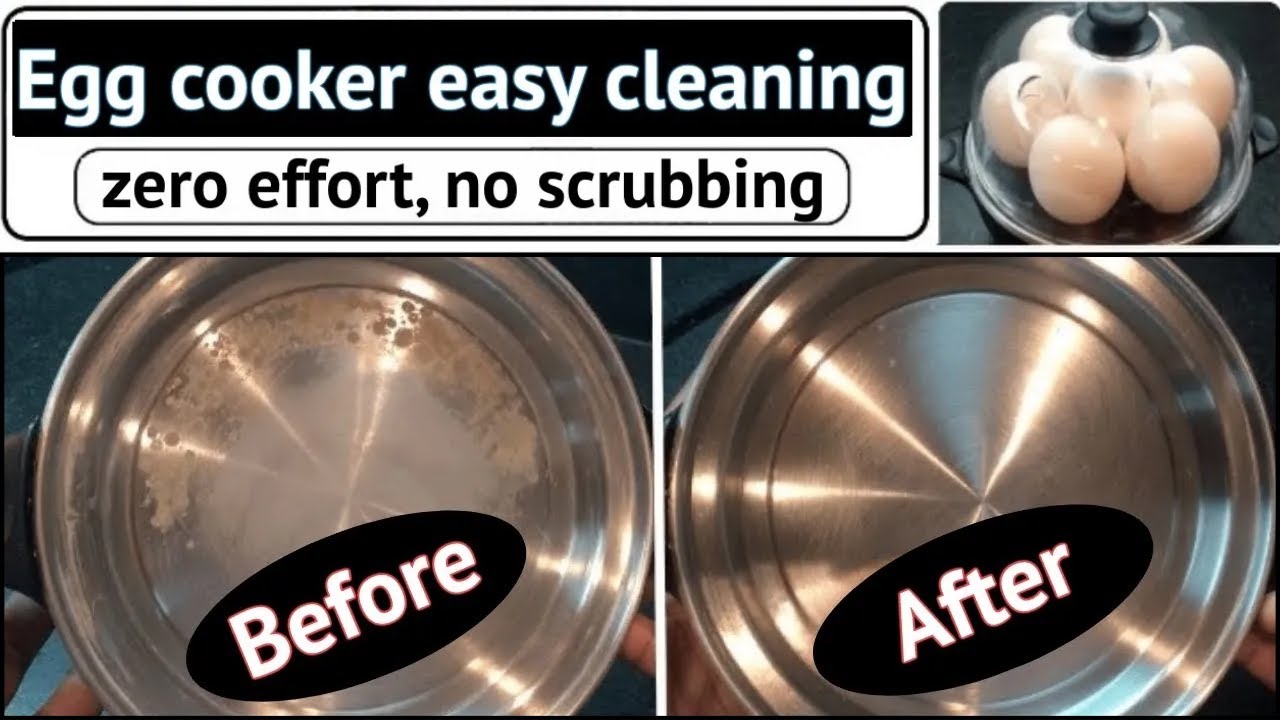
White, chalky streaks on your heating plate? That’s hard water mineral scale—a silent killer of heating efficiency. Pour 1/4 cup white vinegar directly onto the dry plate (no water!). Let it bubble for 15 minutes—do not run a cooking cycle. The acid dissolves calcium carbonate deposits that block heat transfer. Wipe with a damp cloth, then rinse by wiping with distilled water (tap water adds new minerals). Warning: If streaks persist, skip harsh scrubbing. Instead, repeat the vinegar soak for 5 more minutes. Forced scraping scratches stainless steel, creating pits where grime accumulates faster next time.
Monthly Descale Egg Cooker Heating Plate for Heavy Buildup
Tackle Crusted-on Scale With Baking Soda Paste
When vinegar alone won’t budge thick, gritty deposits, mix 2 tablespoons baking soda with 1 tablespoon water into a thick paste. Apply it only to affected plate areas using a microfiber cloth—avoid electrical contacts. Wait exactly 5 minutes (longer dries into abrasive grit), then wipe in circular motions. Rinse with distilled water and dry thoroughly. Never use steel wool or bleach: scratches invite rust, and bleach fumes linger in food-contact surfaces. This paste safely lifts scale without damaging the heating element’s coating.
Erase Egg Odors Permanently With Lemon Cycle
Rotten-egg smells mean sulfur compounds have bonded to plastic. Add 1 cup water + 1 tablespoon fresh lemon juice to the reservoir. Run one full cooking cycle without eggs, then discard the liquid. Citric acid neutralizes odor-causing molecules at a molecular level—unlike masking sprays. For severe smells, repeat weekly until odor vanishes. Key insight: Lemon’s acidity also loosens hidden residue in steam vents, boosting airflow for even cooking.
Safety Rules Before You Clean Your Egg Cooker
- Unplug immediately after cooking—residual current can cause shocks even when “off.”
- Wait 15 minutes minimum before touching the base; surfaces exceed 140°F internally.
- Never submerge the base unit—water seeps into heating elements, causing short circuits.
- Ditch abrasive cleaners; vinegar, lemon, and baking soda remove 99% of grime safely.
- Skip the dishwasher for lids/trays; high heat warps plastic, misaligning steam vents.
Clean Egg Cooker Without Damage: Tools & Traps
Essential Supplies Checklist
- White distilled vinegar (not apple cider—color stains plastic)
- Distilled water (prevents new scale; tap water is the #1 cause of buildup)
- Soft-bristled toothbrush (for vent holes and tray crevices)
- Microfiber cloths (lint-free drying prevents streaks)
- Baking soda (for non-scratch scale removal)
- Lemon juice (odor elimination—bottled works if fresh isn’t available)
Costly Mistakes That Ruin Egg Cookers
- Using tap water daily: Hard water minerals accumulate 3x faster. Switch to distilled—it’s $1/gallon and doubles appliance life.
- Ignoring the piercing pin: Crusted egg residue here causes explosions. Clean it weekly with a toothpick.
- Storing with lid sealed: Trapped moisture breeds mold in 48 hours. Always leave lid ajar.
- Scrubbing warm plastic parts: Causes microfractures where bacteria thrive. Cool completely first.
Model-Specific Tips: Wipro Vesta Electric Egg Boiler
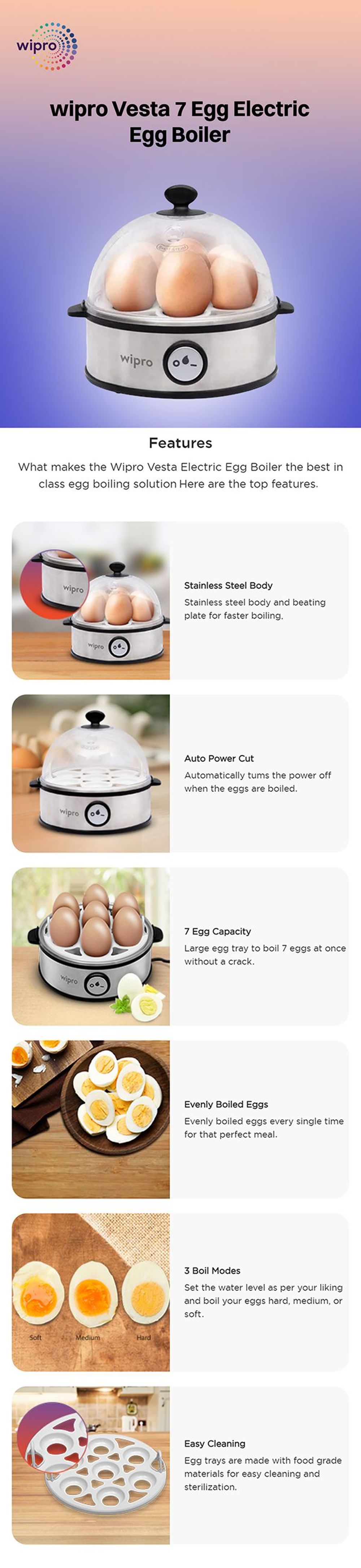
The Wipro Vesta’s stainless-steel 7-egg tray withstands top-rack dishwasher cycles, but hand-washing preserves its shine longer. Critical note: Its compact design stores vertically, but never stack items inside the cooker—pressure cracks the lid hinge. After cleaning, wipe the auto-shutoff sensor (a small metal dot on the base) with vinegar to prevent false shutdowns. For fastest drying, place the tray on its edge—flat placement traps water in egg cradles.
Quick Troubleshooting Chart for Common Issues
| Symptom | Cause | Instant Fix |
|---|---|---|
| White streaks on plate | Mineral scale from tap water | Vinegar soak + distilled water for next use |
| Sulfur smell after cooking | Egg residue in steam vents | Lemon-water cycle + toothpick vent cleaning |
| Rust spots on plate | Scratches from metal scrubbers | Baking soda paste + switch to distilled water |
| Unevenly cooked eggs | Scale blocking heat transfer | Full descaling + check water level marks |
Storage After Clean Egg Cooker to Prevent Mold
- Verify bone-dry parts: Press a tissue against hidden spots (like lid hinges)—dampness = mold risk.
- Coil cord loosely: Sharp bends fray wires; wrap in figure-eights around your hand.
- Store upright with lid cracked: Place a folded paper towel in the hinge to maintain a 1-inch gap. This airflow prevents the “plastic tomb” effect that traps moisture.
Stop letting egg residue dictate your breakfasts. By spending 2 minutes daily wiping the warm plate and 15 minutes monthly descaling, your egg cooker stays odor-free, heats 20% faster, and delivers restaurant-perfect eggs for 5+ years. Distilled water is your secret weapon—use it consistently, and you’ll slash deep-cleaning time by 70%. Now run that lemon cycle, and tomorrow? Crack open eggs with zero sulfur stink. Your flawless soft-boiled routine starts today.


