Steam begins to rise from your Rise by Dash Egg Cooker as it works its magic, and that nagging question pops into your mind: does Dash egg cooker turn off automatically, or will I be stuck watching it like a pot on the stove? You’ve probably experienced the frustration of overcooked yolks or the anxiety of leaving kitchen appliances unattended. The good news is your Dash egg cooker absolutely turns off automatically when cooking completes—no babysitting required. This built-in safety feature eliminates guesswork and prevents the overcooking disasters that plague traditional stovetop methods. Let’s explore exactly how this reliable technology works and why you can finally trust your breakfast routine.
Why Your Dash Egg Cooker Stops Heating Without You Lifting a Finger
Precise Temperature and Steam Monitoring System
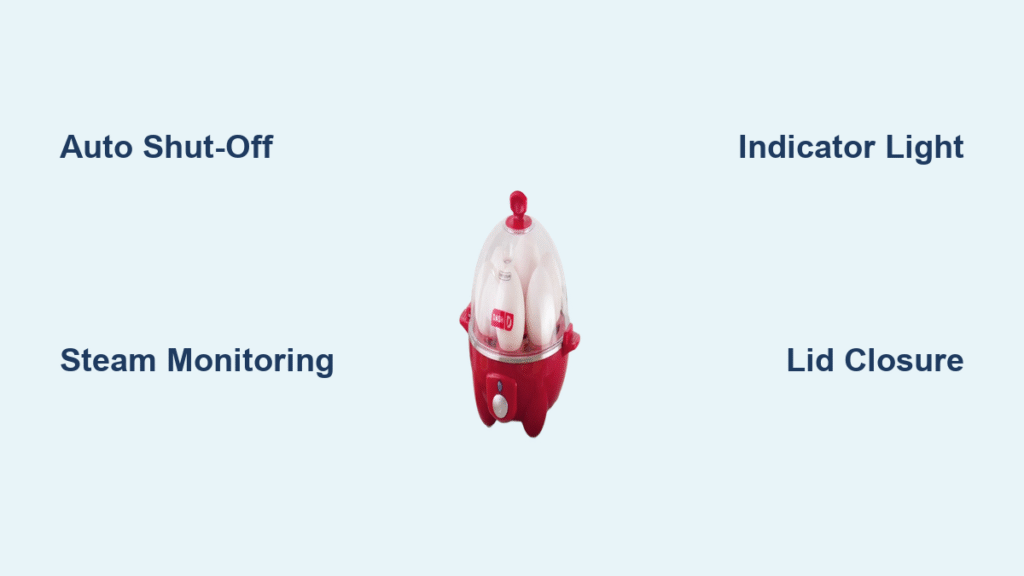
Your Dash egg cooker constantly tracks internal temperature and steam pressure throughout the cooking cycle. As water converts to steam in the sealed chamber, the sensors detect when both metrics reach the precise point for your selected egg doneness—whether you’re aiming for runny soft-boiled or firm hard-boiled. Unlike manual methods where you have to guess timing, the cooker’s intelligence triggers an immediate power disconnection the moment perfect doneness is achieved. This scientific approach eliminates the guesswork that leads to rubbery whites or green-ringed yolks.
Instant Power Disconnection Mechanism
When the cooking cycle completes, your Dash egg cooker cuts electrical flow to the heating element within seconds—no lingering heat to continue cooking your eggs. This differs dramatically from stovetop methods where residual burner heat keeps cooking your eggs even after you remove the pot. The automatic shut-off ensures your eggs stop cooking exactly when they reach perfection, preserving that delicate balance between set whites and creamy yolks you’ve been chasing.
How to Confirm Your Dash Egg Cooker Has Turned Off

Light Indicator Tells the Whole Story
Most Dash models feature a simple indicator light that extinguishes completely when cooking finishes. If your unit has this feature, watch for the light to turn off as your signal that the auto shut-off has activated and your eggs are ready. No more wondering if the cooker is still running—this visual cue provides immediate confirmation that does Dash egg cooker turn off automatically? with a definitive yes.
Steam Production Timeline as Your Guide
Notice how the steady stream of steam gradually decreases as cooking progresses? When the cooker has automatically shut off, steam production will cease entirely while residual steam continues to escape. If you see continuous, vigorous steam beyond the expected cooking time (typically 6-12 minutes depending on your setting), this indicates the shut-off mechanism hasn’t activated as it should.
What Really Happens After Auto Shut-Off Completes
Residual Heat Management Explained
While the heating element stops immediately when does Dash egg cooker turn off automatically, gentle residual warmth remains in the metal components for 2-3 minutes. This brief warming period keeps your eggs at serving temperature without continuing to cook them—think of it as nature’s built-in “keep warm” function. You’ll find your eggs perfectly cooked when you open the lid, not overdone from lingering heat.
Safe Handling Protocol After Completion
The cool-touch handle remains comfortable to the touch throughout operation and after shut-off, allowing safe removal of the egg tray immediately. However, exercise caution with the steam inside—it remains hot for approximately 60 seconds after shut-off completes. Wait just a minute before lifting the lid to avoid accidental steam burns while still enjoying eggs at their peak temperature.
Troubleshooting When Auto Shut-Off Doesn’t Activate

Recognizing Malfunction Warning Signs
If your Dash egg cooker continues producing steam well beyond the expected cooking time—more than 15 minutes for standard settings—you’re dealing with a shut-off failure. This rare malfunction requires immediate attention to prevent potential safety hazards. The automatic shut-off feature should reliably terminate power, so persistent operation indicates a sensor issue needing professional assessment.
Step-by-Step Diagnostic Procedure
- Verify water measurement – Insufficient water prevents proper steam detection, causing continuous operation
- Check lid alignment – Ensure the lid clicks securely into place for accurate pressure readings
- Test with standard settings – Run a hard-boiled cycle with maximum water as a baseline test
- Inspect heating plate – Mineral deposits can interfere with temperature sensors—clean if necessary
Model-Specific Auto Shut-Off Performance Across Dash Lineup
Consistent Safety Across All Rise by Dash Models
Whether you own the standard 7-egg capacity model or another variation in the Rise by Dash lineup, the automatic shut-off functionality operates identically. The 200-watt heating element reaches optimal temperature quickly across all models, ensuring precise shut-off timing regardless of your specific unit. This consistency means you can trust the auto shut-off feature does Dash egg cooker turn off automatically with equal reliability on any Dash egg cooker.
Power Specifications and Timing Accuracy
The 200-watt heating element delivers just the right amount of energy to reach shut-off temperature efficiently. Higher wattage units might complete cooking faster but could risk inconsistent shut-off timing, while lower wattage models would take longer but still activate the auto shut-off at the correct doneness point. Dash’s engineering strikes the perfect balance for reliable automatic termination.
Maximizing Auto Shut-Off Reliability with Proper Usage
Water Measurement Precision Tips
Fill the provided measuring cup precisely to the line corresponding with your desired egg doneness. Too little water triggers premature shut-off (undercooked eggs), while excess water delays shut-off (slightly overcooked). The system relies on this exact water-to-steam conversion as its primary timing mechanism—measure carefully for perfect results every time.
Critical Assembly Verification Checklist
- Confirm the lid snaps securely into place with an audible click
- Position the egg tray flat on the heating plate without tilting
- Ensure the steam vent remains completely unobstructed
- Wipe the heating plate dry before each use to maintain sensor accuracy
Common User Errors That Compromise Auto Shut-Off Function
The Lid-Lifting Trap
Opening the lid during cooking releases critical steam and pressure, causing the cooker to restart its cycle and resetting the auto shut-off timing. This common mistake leads to overcooked eggs and wasted energy. Trust the process—keep the lid closed until the shut-off completes for perfect results.
Neglecting Routine Maintenance
Mineral deposits on the heating plate from hard water interfere with temperature readings over time. Clean the plate after every 3-4 uses with a vinegar solution to maintain accurate shut-off timing. A well-maintained cooker ensures does Dash egg cooker turn off automatically works exactly as designed, cycle after cycle.
Safety and Efficiency Benefits You Might Not Expect
Eliminating Forgotten Appliance Risks
The auto shut-off feature completely eliminates hazards associated with unattended cooking. Unlike stovetop pots that can boil dry or cause fires, your Dash cooker becomes inert once cooking finishes—no risk of overheating or fire even if you leave it unattended for hours after completion.
Energy-Saving Advantage
Since the device shuts off automatically, it consumes only the precise energy needed for perfect eggs—no standby power drain or wasted electricity during extended “keep warm” periods. This efficiency makes your Dash egg cooker both safer and more economical than traditional cooking methods.
Essential Maintenance for Long-Term Auto Shut-Off Performance
Weekly Cleaning Protocol
Unplug and allow your cooker to cool completely before removing all components. Wash the egg tray, lid, and measuring cup in warm, soapy water, then wipe the heating plate with a damp cloth (never submerge the base unit). Thorough drying prevents moisture-related sensor issues that could affect the auto shut-off function.
Monthly Deep Cleaning Cycle
Once monthly, run a maintenance cycle with equal parts water and white vinegar to dissolve mineral buildup. This simple procedure preserves the temperature and steam sensors’ accuracy, ensuring your Dash egg cooker continues to turn off automatically at exactly the right moment.
When to Seek Professional Support for Shut-Off Issues
Warranty Coverage for Auto Shut-Off Failures
Rise by Dash covers auto shut-off failures under standard warranty terms. If your unit operates continuously beyond 15 minutes (indicating sensor malfunction), contact customer service immediately with your model number and purchase documentation. Most shut-off issues can be resolved quickly under warranty protection.
Critical Information for Support Requests
When contacting support about shut-off concerns, provide specific details: your model number (found on the bottom label), purchase date, water level used, egg count, and selected doneness setting during the malfunction. This information helps technicians diagnose whether does Dash egg cooker turn off automatically properly or requires service.
Final Takeaway: Trust the Technology, Not the Timer
Your Dash egg cooker’s auto shut-off feature works exactly as designed—set it, walk away, and return to perfectly cooked eggs without worry. The precision sensors and immediate power cutoff deliver consistent results while eliminating kitchen anxiety. This technology transforms egg cooking from a stressful timing game into a truly hands-off experience.
Pro tip: Leverage the auto shut-off feature by starting your eggs before your morning routine—whether it’s while you shower or prepare other breakfast items. The cooker handles timing perfectly so you can focus on your day without egg-related stress. Once you confirm does Dash egg cooker turn off automatically works as promised, you’ll wonder how you ever managed breakfast without it.


