
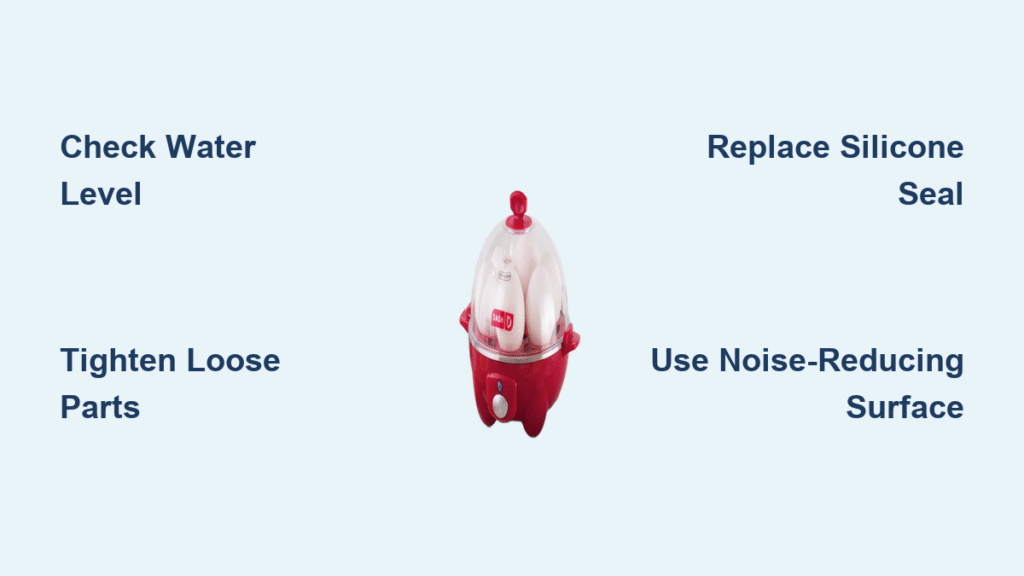
That high-pitched whine or rattling coming from your Dash egg cooker can turn peaceful mornings into kitchen chaos. Whether you’re dealing with disruptive sounds during the steaming cycle or mysterious clicks after shutoff, excessive noise from these compact appliances is more common than you might think. Many users report their once-quiet egg cooker suddenly sounding like a jet engine, disrupting morning routines and causing unnecessary stress before the day even begins.
When your Dash egg cooker starts sounding like a freight train instead of a gentle steamer, several culprits could be responsible. This guide walks you through every possible cause—from simple placement issues to internal component problems—so you can restore quiet operation and enjoy perfectly cooked eggs without the soundtrack. Most noise issues can be resolved in under 15 minutes with basic household tools, saving you the hassle of replacing a perfectly functional appliance.
Why Your Dash Egg Cooker Makes Unusual Noises
Identifying Normal Operation Sounds Versus Problem Indicators
Your Dash egg cooker will always produce some operational noise during use. Steam release creates a soft hissing sound as pressure builds, the heating element clicks as it cycles on and off to maintain temperature, and water boiling generates gentle bubbling. These sounds typically measure 45-55 decibels—quieter than normal conversation—creating a subtle background hum that shouldn’t disturb your morning routine.
Problematic noises exceed 65 decibels and include grinding, squealing, or violent rattling. These indicate mechanical issues requiring immediate attention before they cause further damage. If your neighbors can hear your egg cooker through walls or if you need to raise your voice to be heard in the same room, you’ve crossed into problematic noise territory that needs addressing.
Common Sources Behind Dash Egg Cooker Noise Issues
Water reservoir problems often create the most frequent noise issues. Insufficient water causes the heating element to make dry clicking or popping sounds as it struggles to generate steam without adequate moisture. This not only creates disruptive noise but can also damage your cooker over time.
Improper lid placement causes vibration and steam escape that amplifies operational sounds. When the lid doesn’t seal correctly, steam escapes through gaps, creating a high-pitched whistling that’s particularly annoying in quiet morning environments. Mineral buildup from hard water creates crackling noises as deposits on the heating element superheat and pop during operation.
Internal fan problems develop over time as bearings wear out, producing that distinctive high-pitched whining that signals impending component failure. Finally, surface resonance occurs when your cooker sits on hard countertops that amplify vibrations—turning what should be subtle operational sounds into disruptive kitchen noise.
Quick Diagnostic Steps to Identify Your Specific Noise Issue
Pinpointing Your Exact Sound Type
Listen carefully during each operational phase to identify your specific noise problem. During startup, normal clicking indicates proper electrical relay activation—this should be a single, crisp sound. During the heating phase, bubbling should be steady and rhythmic, not erratic or violent. The steaming phase should maintain consistent hissing without sudden changes in volume or pitch. At completion, you should hear a single beep followed by gradual quieting as the unit cools.
Problem indicators include grinding sounds that suggest mechanical interference with moving parts, squealing that points to motor or bearing failure, rattling that indicates loose components, and excessively loud hissing that signals steam escaping through improper seals. Each sound type requires a different solution, so accurate identification is your first step toward quiet operation.
Complete This 2-Minute Inspection Checklist
Check your cooker’s placement by moving it to a wooden cutting board or placing it on a folded kitchen towel. Ensure all rubber feet touch the surface evenly without wobbling, and verify it has at least 6 inches of clearance from walls and cabinets that could amplify sound through vibration transfer.
Examine the water reservoir by filling to the exact line markings rather than guessing. Remove any visible mineral buildup using a vinegar solution, and check for foreign objects like eggshell fragments that might create unusual sounds during operation. Test lid alignment by listening for the distinct click when properly seated, looking for steam escaping from the edges during operation, and gently pressing down on the lid while it runs to see if noise decreases.
How to Fix Loose Component Rattles in Your Dash Egg Cooker

Tightening Internal Fasteners Without Causing Damage
Most Dash egg cooker models use Phillips head screws hidden beneath the rubber feet. Before starting any repair, always turn off and unplug your cooker to prevent electrical hazards. To access internal components safely:
- Flip the unit upside down on a soft towel to protect surfaces
- Carefully pry off rubber feet using a flathead screwdriver
- Remove the 4-6 screws securing the base plate
- Lift the base gently while noting wire connections to the heating element
Common loose parts that cause rattling include the heating element mounting bracket, internal thermostat bracket, power cord strain relief, and steam vent assembly screws. Tighten each component just enough to eliminate play—over-tightening can strip threads or crack plastic housing. After reassembly, test operation to verify noise reduction before replacing all components.
Replacing Worn Seals to Eliminate Whistling Sounds

The silicone seal around the lid degrades over time from heat exposure, creating gaps that cause high-pitched whistling. Replacement takes just 5 minutes and requires only the correct EG-07 silicone gasket specific to your Dash model:
- Order the exact EG-07 silicone gasket replacement part
- Remove the old gasket by gently pulling from one corner
- Clean the groove thoroughly with a damp cloth
- Press the new gasket firmly into the channel all the way around
- Test the seal by running an empty cycle before cooking eggs
Proper installation creates an airtight seal that prevents steam from escaping through gaps, eliminating the whistling noise while ensuring proper cooking performance. Check your seal monthly for signs of wear—cracks, hardening, or warping—and replace it proactively before noise becomes disruptive.
Effective Steam Noise Reduction Techniques
Smart Venting Modifications for Quieter Operation
Instead of allowing steam to escape freely through the vent, redirect it to reduce noise without compromising safety. Place a folded paper towel over the steam vent during cooking—this muffles sound while still allowing proper pressure release. Replace the paper towel immediately after cooking to prevent moisture damage.
Alternative noise-reducing solutions include positioning your cooker under a range hood that can absorb sound, opening a nearby window during operation to disperse noise, using the cooker in a pantry with the door partially closed, or timing your egg cooking to coincide with other household noises like the dishwasher running.
Precise Water Level Adjustments for Calmer Boiling
Too much water creates violent boiling that produces loud splashing and bubbling, while too little causes dry heating sounds that can damage your cooker. Always use the measuring cup provided with your Dash egg cooker rather than guessing water amounts.
For optimal quiet operation, follow these precise measurements: When cooking 6 eggs, fill to the “6” line exactly. For 4 eggs, fill between the 4-5 lines to maintain gentle steam production. When cooking just 2 eggs, fill to the “3” line (the minimum requirement) to prevent excessive boiling sounds while ensuring proper cooking.
Preventing Future Noise Problems Through Proper Maintenance
Establishing a Monthly Descaling Routine
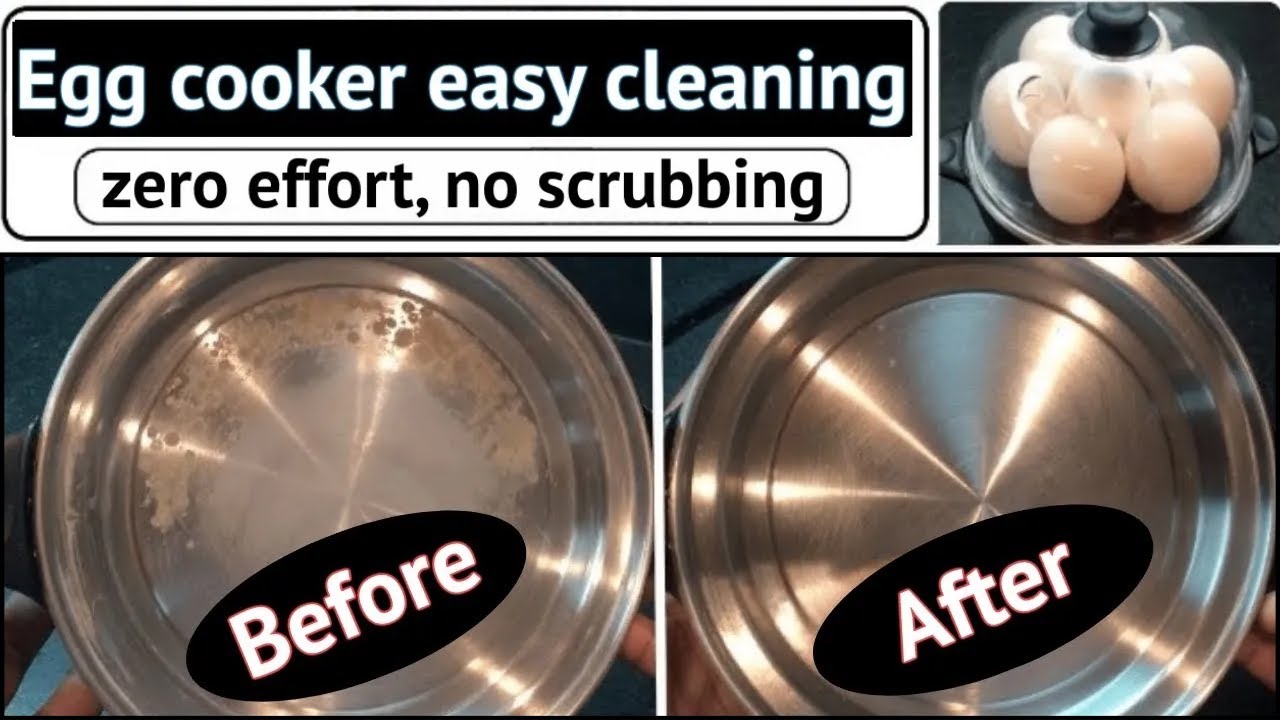
Hard water deposits force heating elements to work harder, creating crackling and popping noises as minerals superheat. Descale every 20 uses to maintain quiet operation and extend your cooker’s lifespan.
Follow this effective vinegar method:
1. Mix 1 cup white vinegar with 1 cup water
2. Fill reservoir completely with the solution
3. Run a complete cycle without eggs
4. Let solution sit for 30 minutes post-cycle
5. Rinse thoroughly with two complete fresh water cycles
For those preferring commercial products, use CLR or similar descalers following package directions, but rinse with three complete cycles to eliminate chemical residue that could affect taste or create additional noises.
Implementing Long-Term Quiet Operation Strategies
Place your cooker on a folded kitchen towel over a wooden cutting board—the perfect combination for absorbing vibrations and preventing countertop amplification. Avoid granite countertops, metal tables, thin plastic surfaces, and glass shelves that all amplify operational sounds.
Before each use, establish a quick pre-cooking ritual: Check water level with the provided cup, verify the lid clicks securely into place, wipe the heating plate clean, ensure the unit sits perfectly level, and test operation on your noise-reducing surface setup. These small steps prevent most noise issues before they start.
Key takeaway: Most Dash egg cooker noise issues resolve through proper placement, regular descaling, and basic maintenance. Start with the simplest fixes—surface placement and water level—before exploring internal repairs. When persistent grinding or squealing occurs despite these efforts, replacement often proves more economical than repair.
Your morning egg routine should be peaceful, not piercing. With these targeted solutions, you’ll silence disruptive sounds and restore your cooker to its intended quiet operation. Implement these strategies today to transform your noisy kitchen appliance back into the quiet, reliable egg cooker you originally purchased—ensuring peaceful mornings and perfectly cooked eggs without the unwanted soundtrack. Remember that consistent maintenance prevents most noise problems before they start, saving you time, frustration, and the cost of premature replacement.


