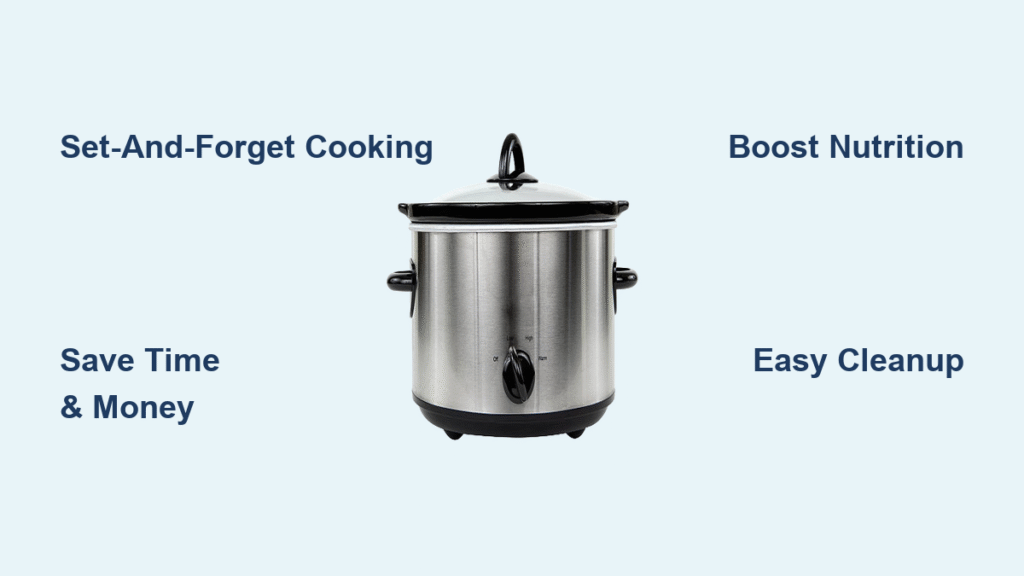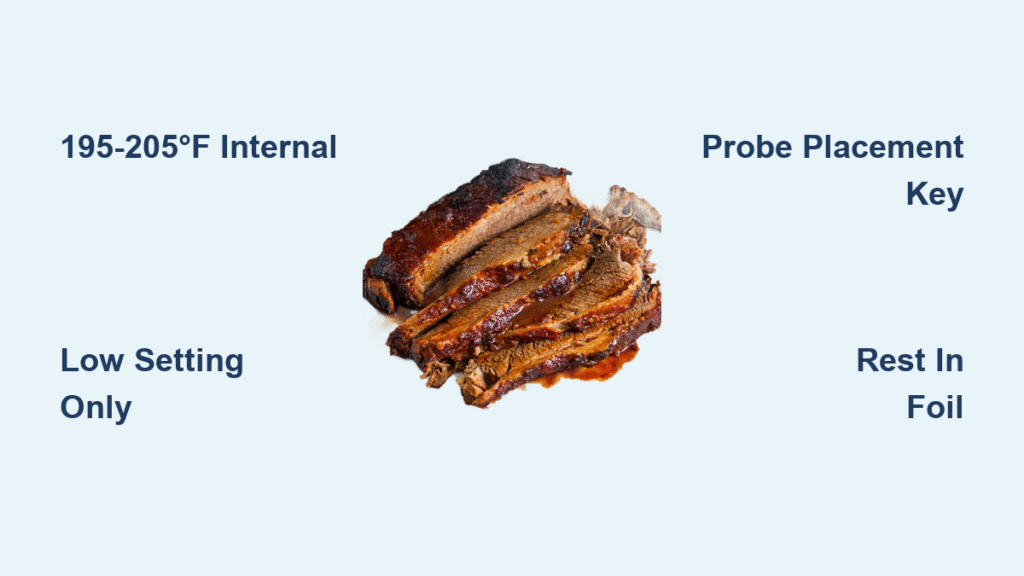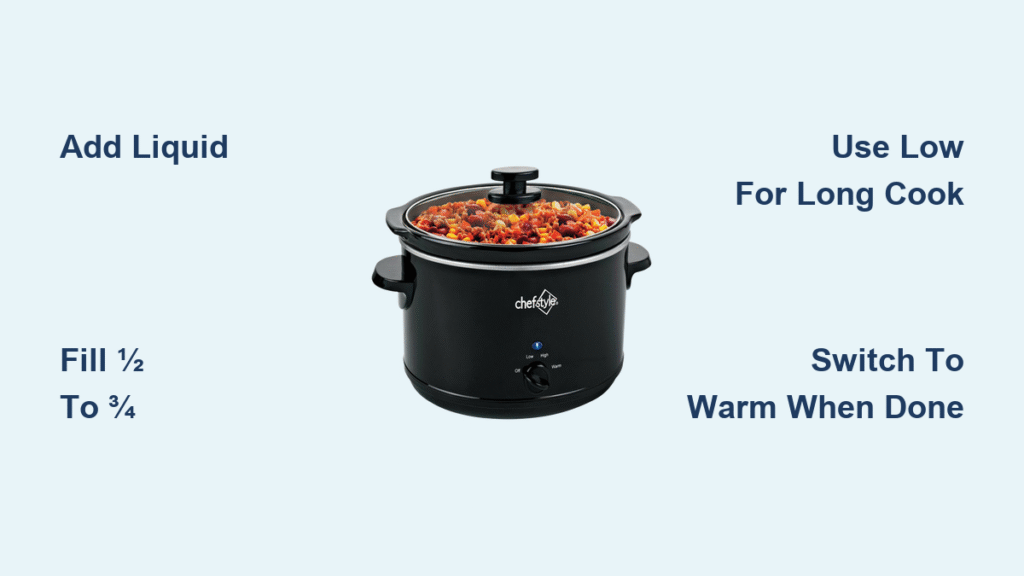
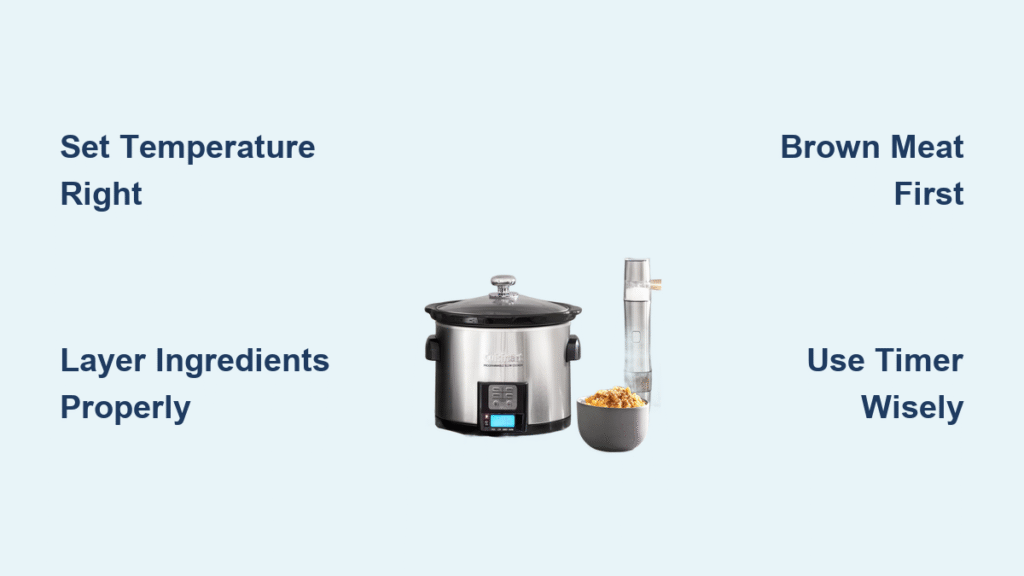
Your Cuisinart slow cooker transforms tough cuts into tender meals while you’re at work. But when your first pot roast emerges dry or your beans stay crunchy, you need more than a recipe—you need to master the machine. This guide shows you exactly how to harness your slow cooker’s potential, from unboxing to serving perfect meals every time. Learn the precise techniques that separate disappointing results from culinary success with your Cuisinart appliance.
Unbox and Set Up Your Cooker Correctly
Remove all packaging materials and wash the ceramic pot, glass lid, and any accessories in warm, soapy water. Rinse thoroughly and dry completely before first use—residual soap can affect your food’s taste. Carefully check the heating base for shipping damage; examine the ceramic insert for cracks and ensure the electrical cord remains undamaged with no exposed wires.
Place your slow cooker on a heat-resistant surface with 6 inches of clearance on all sides. Never position it under cabinets or near walls where steam can cause damage or restrict airflow. The surface must be completely level—an uneven base creates hot spots that lead to uneven cooking and potential spills. Keep the unit away from heat sources like stovetops and direct sunlight to prevent overheating.
Master Temperature Settings for Perfect Results

LOW (190-200°F): Your go-to setting for 7-8 hour cooking sessions. Perfect for brisket, pork shoulder, and dried beans, this setting breaks down collagen slowly, creating fork-tender results while developing complex flavors. The gentle heat prevents delicate ingredients from disintegrating.
HIGH (280-300°F): Cuts cooking time to 3-4 hours when you’re behind schedule. Use only for recipes specifically designed for high heat or when time is limited. Expect slightly firmer vegetables and less developed flavors compared to LOW setting cooking. Never substitute HIGH for LOW without recipe adjustments.
WARM (165-175°F): Never cook on this setting. It’s exclusively for keeping finished food at safe serving temperature for up to 2 hours after cooking completes. Leaving food on WARM longer than recommended creates a breeding ground for bacteria.
When to Choose HIGH vs. LOW
- Choose HIGH for last-minute meals or when you need food ready in under 4 hours
- Use LOW for tougher cuts of meat that require extended collagen breakdown
- Never convert LOW recipes to HIGH without reducing cooking time by 50%
- HIGH works best for reheating or keeping food warm, not for initial cooking of most dishes
Program Your Timer Correctly for Hassle-Free Cooking
Most Cuisinart models offer 30-minute increments up to 24 hours. The timer automatically switches to WARM when time expires—no more overcooked meals. Set cooking time based on your schedule, not the recipe. A 6-hour recipe can cook on LOW for 8 hours if needed, but reduce liquid by 1/4 cup to compensate for extended cooking.
Always set the timer before leaving home—don’t rely on remembering to set it later. Digital displays show both selected cooking time and remaining time, eliminating guesswork. For best results, begin cooking when you leave for work so meals finish around dinnertime without sitting on WARM too long.
Layer Ingredients Properly for Even Cooking

Bottom layer: Root vegetables—potatoes, carrots, turnips—need the most heat to soften and should sit directly above the heat source. Cut these into uniform 1.5-inch chunks for consistent cooking.
Middle layer: Place meats here, surrounded by vegetables for even heat distribution. Position fatty sides up to allow natural basting as fat renders during cooking.
Top layer: Delicate vegetables like bell peppers or zucchini cook quickly and should sit above the liquid line. Add these during the final 30-60 minutes for best texture.
Fill the ceramic pot between 1/2 and 3/4 full. Too little liquid causes burning; too much creates bland, watery results. For a standard 6-quart cooker, 1.5 cups of liquid typically suffices for most recipes.
Brown for Better Flavor Before Slow Cooking
Sear meats in a hot skillet before adding to the slow cooker. This Maillard reaction creates deeper flavors impossible to achieve through slow cooking alone. After searing, deglaze the pan with wine or broth and add these browned bits to your cooker—they contain concentrated flavor compounds essential for rich-tasting dishes.
For best results:
– Pat meats dry before searing to promote browning
– Use high smoke-point oils like avocado or canola
– Work in batches to avoid overcrowding the pan
– Don’t skip this step for stew meats—it makes a dramatic difference
Start Cooking Safely with Proper Technique
-
Always thaw ingredients completely—frozen food keeps temperatures in the danger zone too long, risking foodborne illness. Thaw in the refrigerator for 24 hours before cooking.
-
Seat the ceramic pot properly in the heating base before adding ingredients. An improperly seated pot creates uneven heating and potential spills.
-
Place the lid securely—each lift adds 15-30 minutes to cooking time as heat escapes. Ensure no food particles block the lid seal.
-
Select temperature and time before walking away. Double-check settings to prevent under or overcooking.
-
Resist peeking—trust the process. The glass lid allows visual monitoring without heat loss, but avoid lifting unnecessarily.
Fix Common Cooking Problems Immediately

Overcooked meat: Switch to LOW for longer periods rather than HIGH for shorter times. Tough cuts actually improve with extra time—it’s lean meats that suffer. Reduce cooking time by 30-60 minutes next time.
Watery sauce: Remove the lid for the final 30-60 minutes. Prop it slightly ajar with a wooden spoon to accelerate evaporation without significant heat loss.
Burning on bottom: Ensure minimum 1/2 pot liquid. Stir gently once halfway through if needed, but avoid frequent lid lifting which disrupts temperature consistency.
Crunchy vegetables: Cut pieces smaller or add 30-60 minutes earlier next time. Root vegetables need the longest cooking time and should be placed at the bottom.
Add Ingredients Strategically for Perfect Texture
Dairy products: Add cream, milk, or cheese during the final 15-30 minutes. Earlier addition causes curdling and grainy textures. Stir gently to incorporate without breaking down delicate proteins.
Fresh herbs: Stir in delicate herbs like basil or cilantro during the last 10-15 minutes for bright, fresh flavors. Dried herbs can go in at the beginning to fully release their flavors.
Quick-cooking vegetables: Add peas, spinach, or bell peppers in the final 30 minutes to prevent mushiness. Leafy greens need only 10-15 minutes to cook perfectly.
Thickening agents: Mix cornstarch with cold water to create a slurry, then stir in during the last 30 minutes. Flour-based thickeners require longer cooking to eliminate raw taste.
Clean Your Cooker Properly for Longevity
Daily cleaning: Let the ceramic pot cool completely—thermal shock from cold water can crack hot ceramic. Wash the removable crock and lid with warm, soapy water. Wipe the heating base with a damp cloth only—never submerge the electrical components.
Deep cleaning: For stubborn residue, fill the pot with warm water and 2-3 tablespoons baking soda. Soak 30 minutes, then scrub with a non-abrasive sponge. For mineral deposits, simmer equal parts water and white vinegar on LOW for 1 hour before washing.
Storage tips: Store with the lid slightly ajar to prevent moisture buildup and odors. Ensure all parts are completely dry to prevent mold growth. Keep the electrical cord loosely wrapped to avoid damage.
Convert Any Recipe Successfully
Time conversion chart:
– Stovetop 15-30 min → HIGH 1-2 hrs or LOW 2-3 hrs
– Stovetop 30-60 min → HIGH 2-3 hrs or LOW 4-6 hrs
– Stovetop 1-2 hrs → HIGH 3-4 hrs or LOW 6-8 hrs
– Stovetop 2-4 hrs → HIGH 4-6 hrs or LOW 8-10 hrs
Ingredient adjustments: Increase herbs and spices by 50%—flavors mellow during long cooking. Cut vegetables larger than usual as they’ll break down significantly. Reduce liquid by 1/3 compared to stovetop recipes. Pre-cook rice and pasta separately as they turn to mush in slow cookers.
Troubleshoot Like a Pro
Lid won’t seal: Check for food debris in the rim. Clean thoroughly and ensure the ceramic pot is properly seated. A misaligned pot prevents proper sealing.
Steam escaping excessively: The lid should jiggle slightly—this is normal. If it’s dancing vigorously, reduce liquid slightly next time. Excessive steam indicates too much liquid for your pot size.
Food sticking: Always use sufficient liquid. For oatmeal or rice dishes, spray the pot with cooking spray first. Starchy foods require extra liquid to prevent sticking.
Uneven cooking: Ensure the cooker sits level. Stir once halfway through if ingredients appear to be cooking unevenly, but avoid frequent stirring that disrupts cooking consistency.
Maximize Energy Efficiency
Use the LOW setting whenever possible—it uses 70% less energy than HIGH. Batch cook multiple meals and freeze portions. The timer prevents overcooking and wasted electricity. A slow cooker uses less energy than a light bulb on LOW setting, making it perfect for budget-conscious cooking. Run it during off-peak energy hours for additional savings.
Your Cuisinart slow cooker rewards patience and proper technique. Start with forgiving recipes like chili or pulled pork while you learn your machine’s quirks. Soon you’ll batch-cook beans on Sunday, start Monday’s dinner before work, and wonder how you ever managed without this countertop miracle. Master these techniques, and you’ll consistently create tender meats, perfectly cooked vegetables, and deeply flavorful sauces with minimal effort.