

Your countertop rice cooker isn’t just for perfect grains—it’s a hidden slow-cooking powerhouse that can transform tough cuts of meat into fall-apart tenderness while using 70% less electricity than a traditional slow cooker. This sealed, heat-efficient design traps moisture and flavors, creating restaurant-quality stews and braises without extra kitchen real estate. Whether you own a Yum Asia model with dedicated slow-cook settings or a basic cooker without special buttons, you’ll discover how to leverage its steam-sealed environment for all-day cooking. By the end of this guide, you’ll confidently convert any rice cooker into a slow cooker, saving money while expanding your meal-prep possibilities with techniques verified by home cooks across Asia.
Identify Your Rice Cooker’s Slow-Cook Capability (Yum Asia vs. Zojirushi Models)
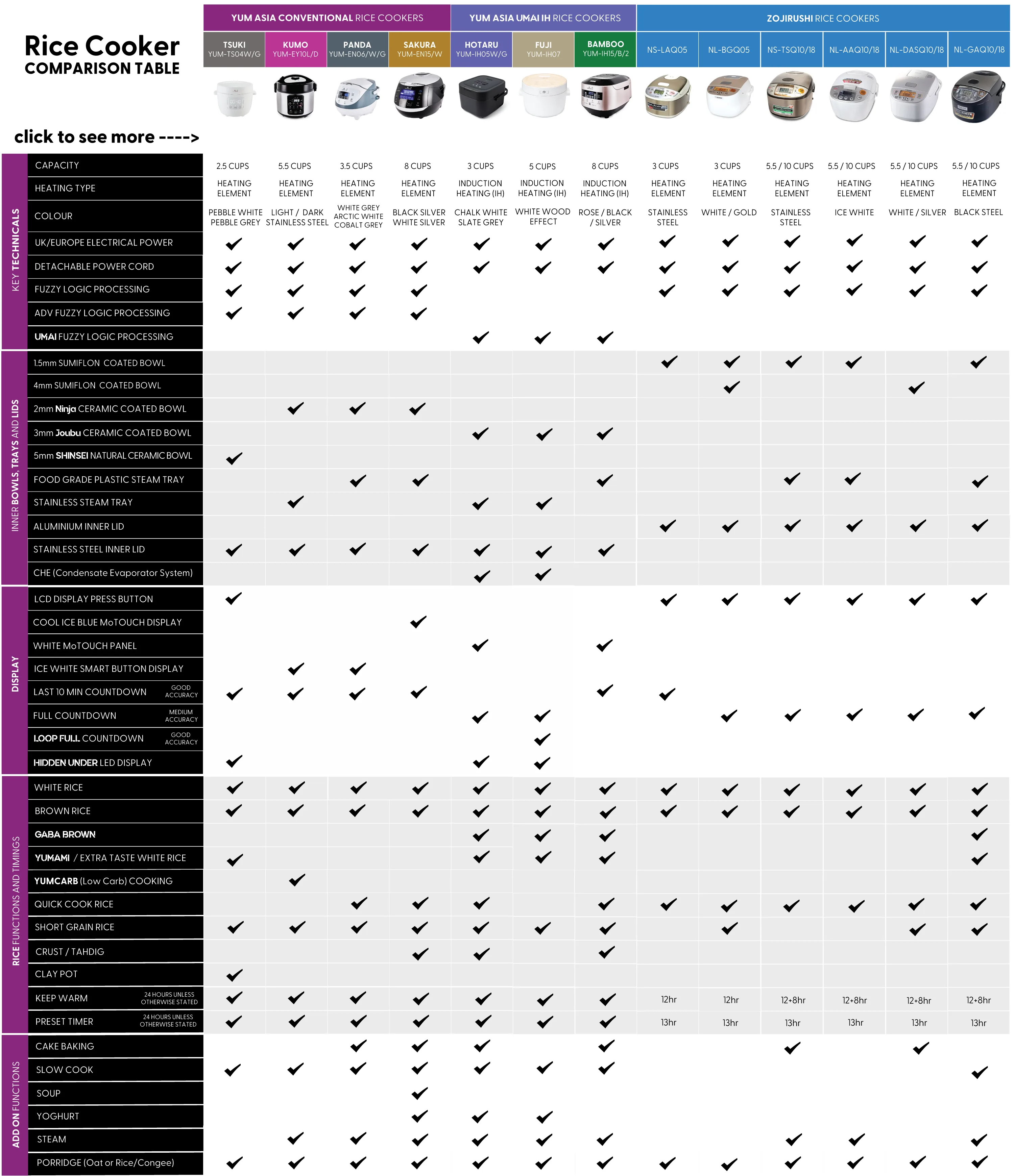
Not all rice cookers slow-cook equally—your model determines whether you need special settings or can use manual techniques. Understanding these differences prevents ruined meals and wasted ingredients.
Yum Asia’s Full Slow-Cook Functionality
Every Yum Asia rice cooker includes a dedicated SLOW COOK button that operates identically to traditional slow cookers. Select this setting, add ingredients, and walk away for 4-8 hours without monitoring. The sealed environment maintains consistent low heat, ideal for tough cuts like pork shoulder or beef brisket. No liquid adjustments are needed—simply follow standard slow-cooker recipes.
Zojirushi’s Limited Liquid-Only Option
Only the Zojirushi NS-YSQ10/18 model offers partial slow-cooking capability, restricted to liquid dishes like soups and stews for up to 4 hours. Crucially, it lacks automatic keep-warm mode, requiring manual shutdown to prevent overcooking. Other Zojirushi models (NS-TSQ, NS-AAQ series) cannot slow-cook—attempting this may damage the heating element. Always consult your manual; if no “slow cook” setting exists, skip to manual methods.
Manual Slow-Cook Method for Basic Rice Cookers (No Special Button Needed)
Without dedicated slow-cook functions, your basic rice cooker becomes a slow cooker through strategic heat cycling. This technique mimics the 190-200°F (88-93°C) range of traditional slow cookers using only cook and keep-warm settings.
Step-by-Step Heat Cycling Process
- Initiate near-boiling: Press “Cook” to bring ingredients to 185°F (85°C). This takes 10-15 minutes—watch for steam escaping the vent.
- Switch to keep-warm: Flip to “Keep Warm” for 60 minutes. This maintains 140-150°F (60-65°C), the safe slow-cooking zone.
- Brief cook bursts: Every 30-60 minutes, reactivate “Cook” for 2-3 minutes to nudge temperature upward, then return to “Keep Warm.”
- Final tenderizing phase: For meats, extend keep-warm time by 2 hours after cooking cycle completes.
Critical Timing Adjustments
- Meats: Cycle every 30 minutes for pork/beef; every 60 minutes for chicken.
- Soups/stews: Cycle every 45 minutes.
- Total time: Add 1.5 hours to standard slow-cooker recipes (e.g., 6-hour brisket becomes 7.5 hours).
Warning: Never leave on continuous “Cook”—this simmers violently, drying out meats.
Pork Shoulder Slow-Cook Recipe: 6-8 Hours to Fall-Apart Tenderness
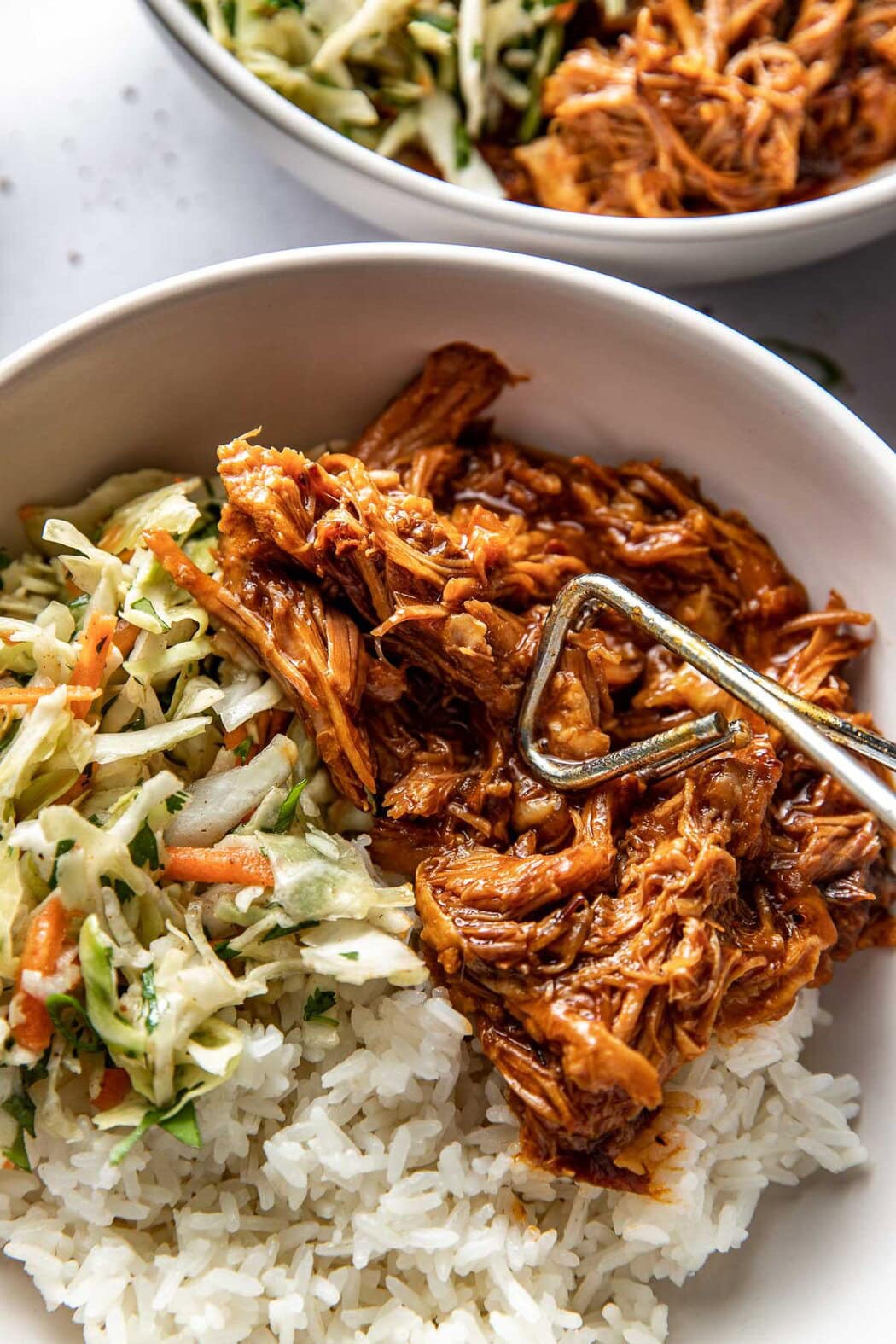
Pork shoulder’s collagen breaks down perfectly in a rice cooker’s moist environment, yielding barbecue-ready shreds without supervision.
Spice Rub Application Secrets
Massage this blend into 3-4 lbs of pork shoulder:
– 1 tbsp black pepper (freshly cracked for maximum heat)
– 1-2 tbsp cayenne (adjust for spice tolerance)
– 2 tbsp chili powder (smoked variety adds depth)
Marinate ≥3 hours—overnight is ideal—to penetrate connective tissue. Skip added water; the sealed pot reabsorbs all juices.
Visual Doneness Cues
After 6 hours, test with forks:
✅ Perfect: Meat shreds effortlessly with gentle pressure
⚠️ Undercooked: Resists pulling, appears dense
❌ Overcooked: Dry, stringy texture with separated fat
Pro Tip: Add ½ cup barbecue sauce during final 30 minutes for instant pulled pork.
Beef Brisket and Chicken: Exact Slow-Cook Times for Perfect Results
Different proteins demand precise timing in a rice cooker’s intense steam environment to avoid rubbery chicken or tough brisket.
Beef Brisket Master Guide
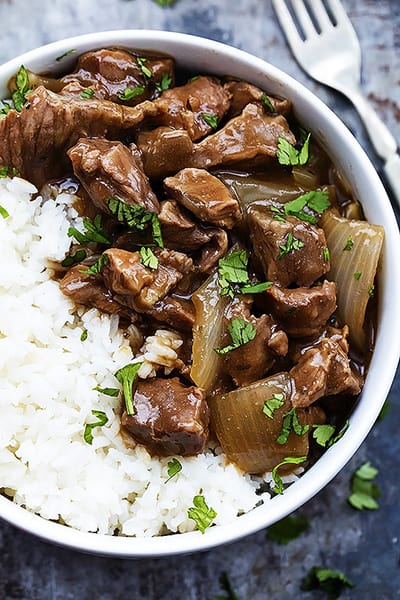
– Prep: Generously salt/pepper all sides. Place fat-side up on onion bed.
– Cook time: 4–6 hours (4 hours for fork-tender; 6 for shreddable).
– Liquid rule: Zero added water needed—meat juices create sufficient steam. Check tenderness hourly after 4 hours.
Critical Mistake: Cutting brisket before cooking causes dryness—always cook whole.
Chicken Breast and Thigh Protocol
- Cut limits: Use boneless breasts (1–1.5 lbs) or thighs (2–3 lbs). Whole chickens won’t fit.
- Cook time: 1–2 hours (breasts at 1 hour; thighs at 1.5 hours).
- Vegetable layer: Always place chicken atop chopped carrots/celery to prevent steaming.
Warning: Beyond 2 hours, chicken turns rubbery—set phone alarms!
Fish and Delicate Proteins: When Rice Cooker Slow Cooking Works
Most fish fails in slow-cooking due to delicate protein structure, but strategic timing unlocks success with stews.
Fish Stew Exception Protocol
- Cook base ingredients (tomatoes, broth, spices) for 3 hours on manual cycle.
- Add fish last: Gently place 150g white fish/salmon (cut <2cm thick) during final 30 minutes.
- Wrap in foil: Prevents steam overexposure—creates a mini-steaming pouch.
Never use for standalone fish fillets—opt for steaming function instead.
Top 5 Soup and Stew Recipes That Cook Perfectly in a Rice Cooker
Your rice cooker handles any slow-cooker soup recipe without modification, leveraging its sealed environment for deeper flavor infusion.
Foolproof Recipe Adaptation
Add all ingredients at once—no layering required. The constant steam circulation prevents scorching while melding flavors:
– Chicken & pearl barley soup: 2 cups barley, 4 chicken breasts, 6 cups broth (5 hours)
– Moroccan chickpea stew: 2 cans chickpeas, 1 cup dried apricots, 2 tbsp ras el hanout (4 hours)
– Chili con carne: 1 lb ground beef, 2 cans beans, 1 cup beer (4.5 hours)
Pro Tip: Thicken sauces in final hour by propping lid open 1 inch with a spoon.
3 Critical Slow-Cook Rules That Prevent Ruined Meals
Ignoring these rice cooker-specific rules turns tender meats into mush or triggers safety shutoffs.
Lid Discipline: The 15-Minute Heat Rule
Every lid lift releases enough heat to add 15-30 minutes to cook time and disrupt moisture balance. Use these workarounds:
– Place ingredients in clear glass bowls before adding to cooker
– Check progress via steam vent (clear condensation = active cooking)
– Set alarms instead of peeking—trust the process
One-Pot Loading Limits
Overfilling causes overflow or uneven cooking:
– Max fill line: Never exceed ⅔ capacity for meats; ¾ for soups
– Vegetable placement: Dense roots (potatoes, carrots) on bottom; proteins on top
– Liquid minimum: 1 cup broth/water essential for steam generation
Real Success: Slow-Cooking Pork Without Special Settings (Case Study)
A home cook in Bangkok transformed a basic rice cooker into a slow cooker for 3-lb pork roast—no “slow cook” button required.
Step-by-Step Field Report
- Combined: Pork roast, 2 onions (sliced), 2 tbsp curry powder, ¼ cup soy sauce, 3 tbsp chili sauce, juice of 1 lemon, 4 garlic cloves, 2 tbsp coriander in inner pot.
- Initial boil: Ran “Cook” cycle until vigorous steam emerged (12 minutes).
- Heat cycling: Switched to “Keep Warm” for 60 minutes, then 3-minute “Cook” bursts hourly.
- Final phase: Left on “Keep Warm” for 2 extra hours after cycling.
Result: Juicy, fork-tender meat with complex spice infusion—using 0.3 kWh vs. a slow cooker’s 1.2 kWh.
Pro Upgrades: Turn Your Rice Cooker into a Better Slow Cooker
Elevate results beyond basic techniques with these tested enhancements from Asian home cooks.
Flavor-Boosting Hacks
- Brown meats first: Sear in skillet (5 min/side) before adding to cooker for Maillard reaction depth
- Acid balance: Add 1 tbsp vinegar at 3-hour mark to brighten rich stews
- Herb bundles: Tie rosemary/thyme with kitchen twine for easy removal
Time-Saver: Double recipes without adjusting time—rice cookers handle volume better than slow cookers.
Your rice cooker just became a versatile slow-cooking ally capable of restaurant-quality results. By identifying your model’s capabilities, mastering heat cycling, and following protein-specific timing, you’ll unlock tender braises and rich stews without extra appliances. Remember the critical rules: never lift the lid unnecessarily, respect fill limits, and leverage the sealed environment’s moisture retention. Start with the pork shoulder recipe this weekend—within 6 hours, you’ll have fall-apart meat ready for tacos or sandwiches. For next steps, try adapting your favorite slow-cooker soup recipe using the one-pot method, and share your #1 rice cooker slow-cook triumph in the comments.