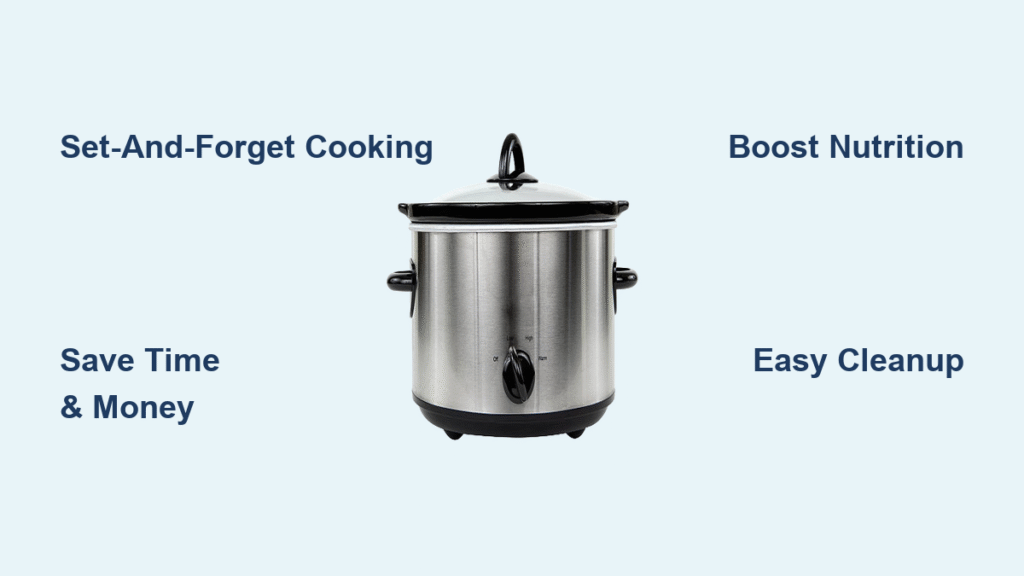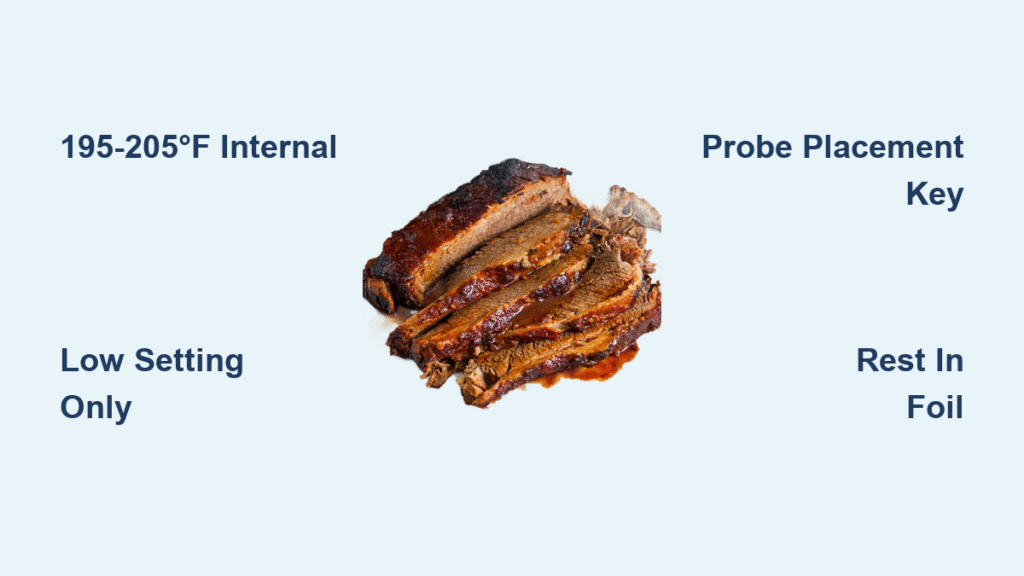
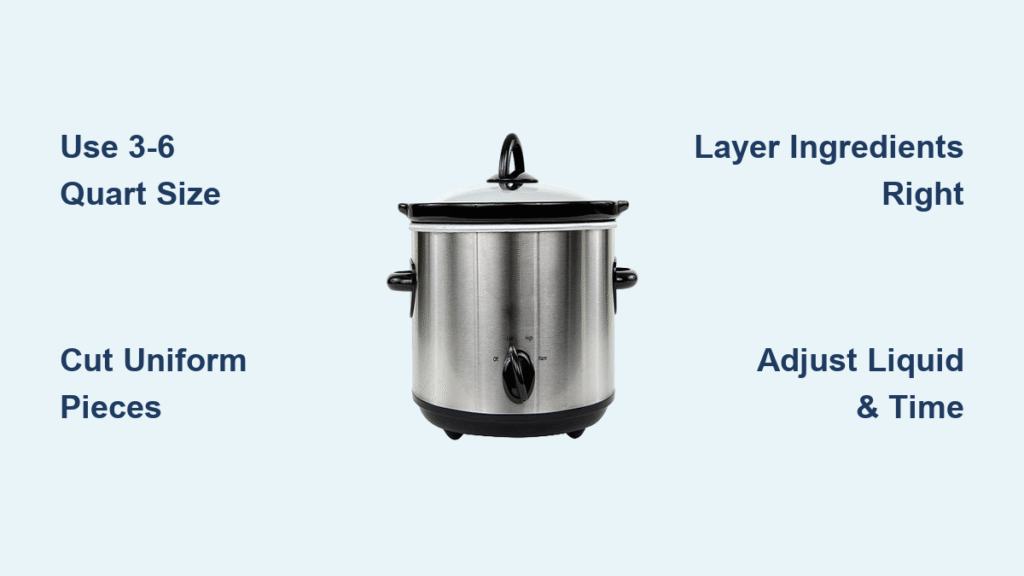
That heavenly aroma greeting you after a long workday? It’s the magic of your slow cooker pot transforming humble ingredients into melt-in-your-mouth meals. But how to use a slow cooker pot correctly separates soggy disasters from restaurant-quality triumphs. Skip the guesswork—this guide reveals exactly how to leverage low-and-slow cooking for tender meats, vibrant vegetables, and zero stress. You’ll master everything from ingredient layering to troubleshooting common pitfalls, turning your countertop hero into a daily kitchen essential.
Choose Your Slow Cooker Pot Size Strategically
Match Capacity to Your Household Needs
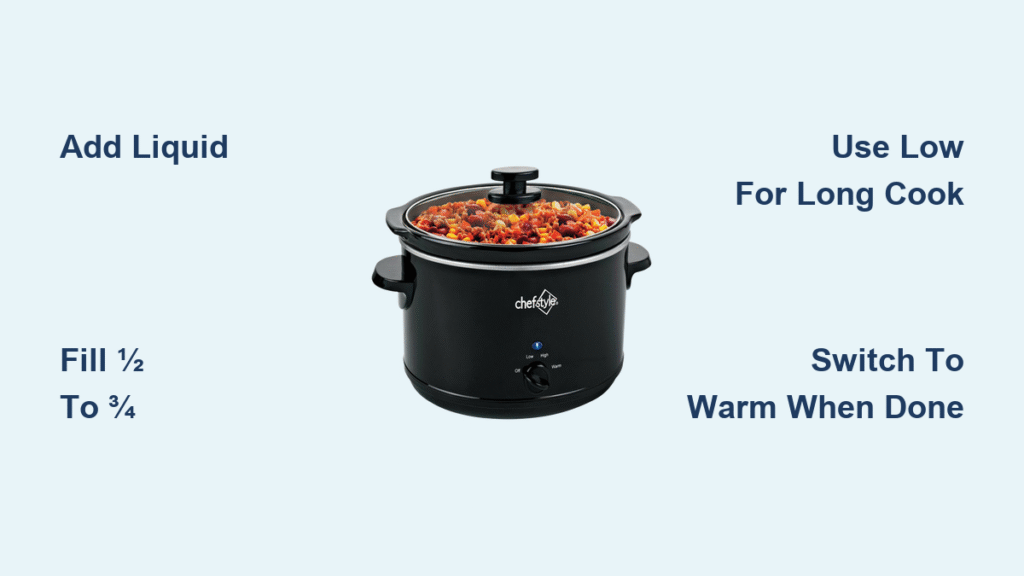
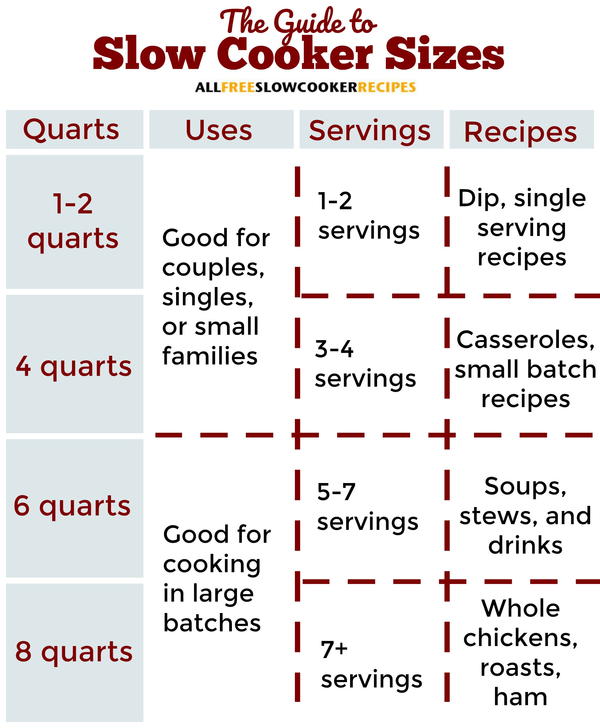
A 3-quart slow cooker pot serves 1-2 people without waste, ideal for intimate dinners or meal prepping single portions. Its compact design fits small kitchens but requires precise ingredient ratios—underfilling risks scorching, while overfilling causes spills. Critical rule: Always fill between half and three-quarters full for optimal heat circulation.
The 5-quart model handles weeknight dinners for 3-4 people effortlessly. This Goldilocks size accommodates family roasts while maintaining energy efficiency. When cooking stews or soups, leave at least 1 inch of space below the rim to prevent boil-overs during the final hour of cooking.
Maximize Large Batch Cooking with 6-Quart Models
For meal preppers or large families, a 6-quart slow cooker pot transforms Sunday afternoons into freezer-filling sessions. It comfortably handles whole chickens, 5-pound pork shoulders, or triple-batch chili. Pro tip: When batch-cooking proteins like shredded chicken, reduce liquid by 25% since meat releases juices during the 8-hour cook cycle. Just don’t exceed the three-quarter fill line—overcrowding creates cold spots that risk undercooked food.
Prep Ingredients for Slow Cooker Pot Success
Cut Uniform Pieces for Even Cooking
Inconsistent sizing causes potatoes to turn to mush while carrots remain crunchy. Follow this sizing guide:
– Root vegetables (carrots, potatoes): 1-inch cubes
– Tender vegetables (zucchini, bell peppers): 1.5-inch chunks
– Meat portions: 2-3 inch cubes for shredding, 4-inch chunks for whole cuts
Critical mistake: Skipping uniform cuts. A single oversized potato can throw off your entire meal’s texture—always use a ruler for accuracy.
Perfect Your Ingredient Layering Technique
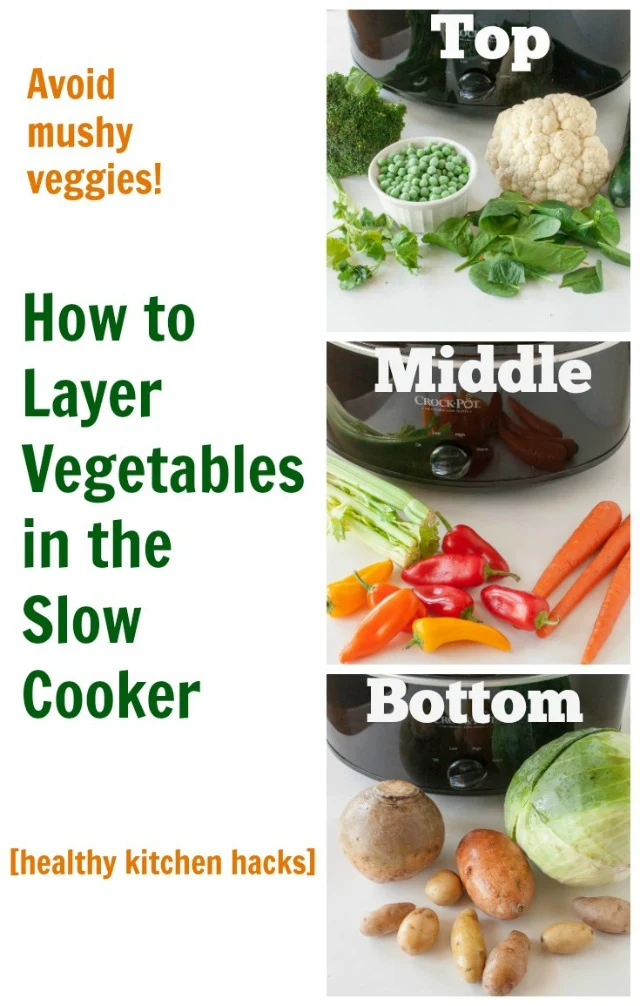
Place root vegetables directly on the bottom where heat concentrates most. Add meats on top, allowing juices to baste vegetables below. Never mix delicate ingredients like peas or spinach with base layers—they’ll dissolve into mush. Instead, store them in a separate container and add during the final 30 minutes. Visual cue: If you see liquid pooling above ingredients before cooking, reduce liquid by ¼ cup to avoid watery results.
Load Your Slow Cooker Pot Correctly
Maintain Optimal Fill Levels
A half-full slow cooker pot risks burning as heat circulates too aggressively. Conversely, overfilling to the brim causes messy boil-overs when steam builds. Simple fix: If your recipe seems sparse, add broth or water—not extra solids—to reach the two-thirds fill line. For bean-heavy dishes, remember dried legumes expand significantly—leave extra headspace.
Add Liquid Strategically for Flavorful Results
Unlike stovetop cooking, slow cooker pots trap 95% of moisture, so reduce liquid by 30% compared to traditional recipes. Golden rule: Liquids should cover only one-third of ingredients—not submerge them. For tomato-based sauces, skip added water entirely since tomatoes release ample juice. Warning: Excess liquid dilutes flavors and creates soup instead of stew—measure carefully!
Set Temperature and Time Like a Pro
Low vs High Settings Decoded
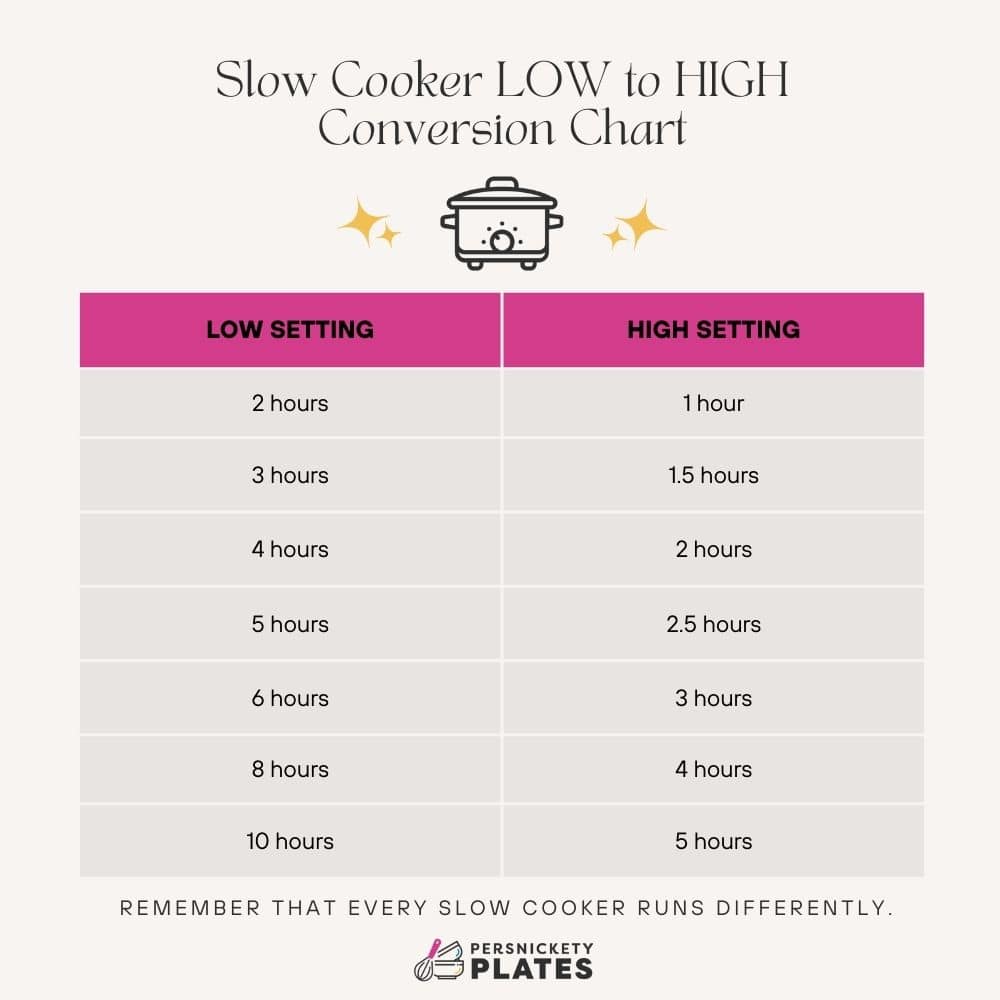
Use LOW (200°F) for 7-8 hours when you’re away from home—it gently breaks down collagen in tough cuts like chuck roast. HIGH (300°F) finishes meals in 3-4 hours for weekend cooking, but never use it for dairy-based dishes (they’ll curdle). Critical conversion: Stovetop recipes taking 1 hour = 8 hours on LOW or 4 hours on HIGH. Never cut cook times short—undercooked beans contain toxins.
Program Timing for Weekday Wins
With programmable models, set delayed starts only for non-perishable ingredients like dried beans. For chicken or beef, prep the night before, store the loaded crock in the fridge, and start cooking at 8 AM for dinner at 6 PM. Phone reminder hack: Set two alarms— one 30 minutes before serving to check doneness, another for switching to “Keep Warm” mode.
Essential Safety Rules for Slow Cooker Pots
Prevent Foodborne Illness Immediately
Never leave raw meat sitting at room temperature while prepping. If power fails during cooking, discard food that sits below 140°F for over 2 hours—use an instant-read thermometer to verify. Critical step: Always thaw frozen ingredients before adding to the slow cooker pot unless your model explicitly allows frozen cooking.
Handle Delayed Starts Safely
If using “delayed start” with non-perishables like dried lentils, ensure your kitchen stays below 75°F. For meat dishes, skip delayed starts entirely—refrigerate the loaded crock until ready to cook. Safety checkpoint: When in doubt, brown meats first to kill surface bacteria before slow cooking.
Convert Regular Recipes Successfully
Transform Stovetop Dishes in Minutes
Reduce liquid by 30% and extend cook times using this conversion:
– 15-minute stovetop recipe = 4 hours on LOW
– 60-minute stovetop recipe = 8 hours on LOW
Exception: Skip conversions for rice or pasta—they’ll turn to glue. Instead, add uncooked grains during the final 60-90 minutes.
When to Pre-Brown Meats
Always sear ground beef to prevent clumping and ensure food safety. For roasts, skip browning to save time—your slow cooker pot will still tenderize them, though flavors will be milder. Pro tip: Deglaze the skillet with ¼ cup broth after browning and pour those caramelized bits into the slow cooker pot for instant depth.
Master Ingredient Timing for Perfect Texture

Vegetable Addition Schedule
Add ingredients based on density, not convenience:
– 0 hours: Potatoes, carrots, onions
– 2 hours left: Bell peppers, mushrooms
– 30 minutes left: Spinach, peas, fresh herbs
Texture test: Vegetables should pierce easily with a fork but hold shape—overcooked zucchini turns to sludge.
Cook Frozen Ingredients Safely
Small frozen vegetables (like peas) can go straight in, but never add large frozen roasts—they’ll sit in the danger zone too long. For frozen chicken breasts, cut into 1-inch cubes first and add 1.5 hours to cook time. Critical rule: Never use “delayed start” with frozen items.
Clean and Maintain Your Slow Cooker Pot
Daily Cleaning Without Damage
Never plunge a hot crock into cold water—thermal shock causes cracks. Instead, let it cool 20 minutes, then soak in warm soapy water. Wipe the heating base with a damp cloth (never submerge!), and always store the lid slightly ajar to prevent musty odors.
Remove Stubborn Stains in 60 Minutes
For baked-on residue, fill the crock ¾ full with water, add ¼ cup vinegar and ¼ cup baking soda, then simmer on LOW for 1 hour. Wipe clean with a non-scratch sponge—never use steel wool on ceramic inserts. For burnt-on spots, make a paste of baking soda and water, apply for 15 minutes, then gently scrub.
Troubleshoot Common Slow Cooker Pot Problems
Fix Watery Sauces Instantly
If your chili resembles soup, remove the lid during the final 45 minutes to evaporate excess liquid. For immediate thickening, mix 1 tbsp cornstarch with 2 tbsp cold water and stir in during the last 20 minutes. Prevention tip: Reduce liquid by ¼ cup next time for heartier sauces.
Rescue Overcooked Vegetables
If carrots turn to mush, add them 2 hours later next time. For immediate salvage, transfer vegetables to a bowl, reduce the sauce on HIGH for 20 minutes, then return them just before serving. Critical fix: Always cut root vegetables larger than recipe photos suggest—they shrink dramatically.
Solve Undercooked Food Fast
If meat isn’t tender after 8 hours on LOW, check your fill level—underfilled pots cook unevenly. Stir ingredients (if safe), add ½ cup broth, and continue cooking on HIGH for 1 hour. Prevention: Verify your slow cooker pot reaches 200°F with an oven thermometer—older models often underheat.
Your slow cooker pot isn’t just an appliance—it’s your ticket to stress-free meals that taste like you fussed for hours. Start with these techniques today: prep ingredients the night before, master the layering sequence, and never fill beyond three-quarters full. Within weeks, you’ll instinctively know exactly how to use a slow cooker pot to transform budget cuts into brag-worthy dinners. Remember—the best slow cooker meal is the one you actually make. Skip the “perfect” recipe and embrace the beauty of set-it-and-forget-it cooking. Your future self, walking into that aroma-filled home, will thank you.