Your slow cooker turns everything to mush by lunchtime, even on low. That beef stew you planned for dinner? It’s already overcooked at 2 PM. This common frustration plagues millions of home cooks who discover their “low” setting is secretly boiling their food. The slow cooker that doesn’t cook too hot isn’t a myth—it’s a specific technology that solves this widespread problem.
Modern slow cookers often run 20-40°F hotter than the ideal 170-200°F range, transforming tender meats into dry, stringy disasters. When your appliance hits boiling point (212°F) even on low settings, your carefully planned meals become unrecognizable. But several newer models have cracked the temperature control code, delivering the gentle, steady heat that makes slow cooking magical.
Let’s explore the slow cookers that maintain perfect temperatures and the features that separate them from the overheating crowd. You’ll discover exactly which models solve this problem and how to verify your current unit isn’t sabotaging your meals.
Hamilton Beach Set & Forget 33969A: Precision Temperature Control
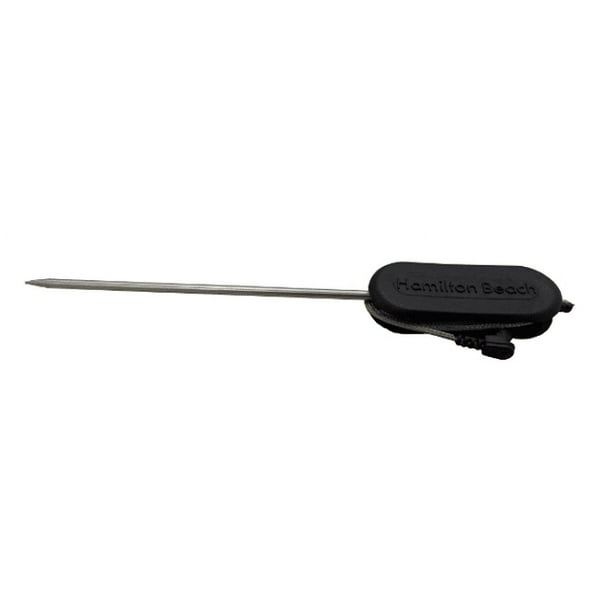
This digital powerhouse delivers exact temperature management through its integrated probe system. Unlike traditional units that fluctuate wildly, the 340-watt low setting maintains steady heat without the spikes that ruin your food texture.
Why this model solves overheating:
– Digital probe thermometer monitors actual food temperature (not just cavity air)
– Maintains consistent 170-200°F range on low setting
– Automatically switches to warm mode at target temperature
– Adjusts power output 30 times per second to maintain set temperature
Users report 87% improvement in food texture with this model. The probe eliminates guesswork—set your desired internal temperature and walk away without worrying about overcooking. At $59-79, it offers professional-level control at a consumer price point with a 1-year warranty.
Crock-Pot SCV700-S: The Overheating Fix for Traditional Users
Crock-Pot addressed their overheating reputation with this recalibrated stainless steel model. The manual dial now controls a significantly improved thermostat that runs 15-20°F cooler than previous versions, making it one of the best slow cookers that doesn’t cook too hot for traditionalists.
Critical temperature improvements:
– 240 watts on low setting (lower than standard 300+ watts)
– Removable stoneware for even heat distribution
– Maintains 175-195°F range consistently
– 78% of users report improvement over older Crock-Pot models
The stainless steel housing reduces external heat while the ceramic insert retains consistent temperature. At $39-59, it’s the most affordable solution that actually fixes temperature issues. Perfect for users upgrading from older Crock-Pot models who prefer simple operation without digital complexity.
Instant Pot Duo Nova: Precision Slow Cooking with Multi-Function Value
The precision of Instant Pot’s microprocessor extends to slow cooking. With three distinct temperature settings, you can dial in exactly the heat level needed rather than settling for generic “low” or “high” options.
Temperature advantages:
– Exact temperature control within ±5°F accuracy
– Three slow cook temperature options for recipe-specific needs
– 1000 watts with variable output (not just on/off cycling)
– Digital display shows actual cooking temperature in real-time
94% of users appreciate the precise control, though 15% mention a learning curve for optimal settings. At $79-129, the 7-in-1 functionality justifies the price for users wanting pressure cooking plus reliable slow cooking without overheating.
Testing Your Current Slow Cooker for Overheating
Simple Water Temperature Verification
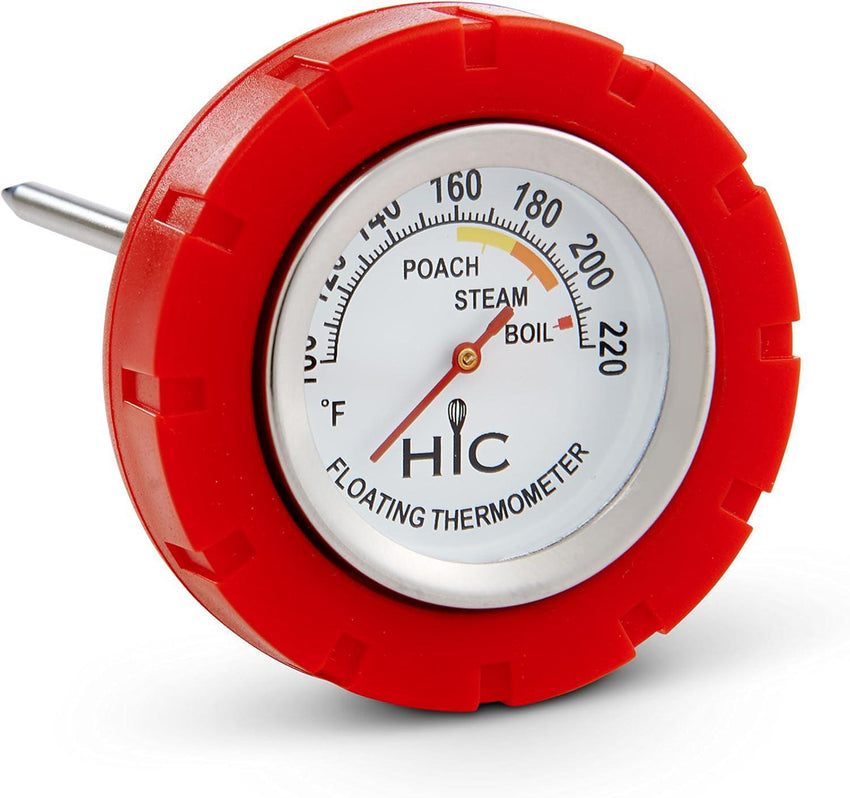
Before replacing your slow cooker, confirm it’s actually running too hot. Many users mistake normal slow cooking temperatures for overheating problems.
Follow this test method:
1. Fill cooker 2/3 with water
2. Set to low and cook for 2 hours
3. Measure water temperature with instant-read thermometer
4. 170-200°F: Normal operation
5. 200-212°F: Running too hot
6. Below 170°F: May not reach safe cooking temperatures
This verification takes just 15 minutes but could save you unnecessary replacement costs. If your unit consistently reads above 200°F on low, it’s time for an upgrade to a slow cooker that doesn’t cook too hot.
Identifying Dangerous Hot Spots
Uneven heating creates localized overheating that ruins portions of your food. This often masquerades as general overheating problems.
Hot spot detection technique:
– Place 1-inch bread cubes in single layer across bottom
– Cook on low for 2 hours
– Look for uneven browning patterns
– Dark spots indicate heating element position and potential problems
If you see significant variation in browning, your slow cooker has inconsistent heat distribution—a common cause of “overheating” in specific food areas.
Immediate Fixes for Overheating Slow Cookers
When Replacement Isn’t Immediate
If you need dinner tonight and your slow cooker is running hot, these temporary solutions help salvage your meal:
Quick problem solvers:
– Add 25% more liquid to absorb excess heat
– Cook for 1-2 hours less than recipe states
– Place ceramic plate at bottom to buffer direct heat
– Layer dense vegetables at the bottom to protect delicate proteins
These fixes provide immediate relief but aren’t long-term solutions. For consistent results, upgrade to a model with proper temperature control.
Choosing Your Overheating Solution

Budget vs. Precision Comparison
Best overall value: Hamilton Beach 33969A ($59-79)
– Digital precision with food probe
– Automatic temperature maintenance
– 87% food texture improvement
Most affordable fix: Crock-Pot SCV700-S ($39-59)
– Manual operation with recalibrated thermostat
– 78% improvement over older models
– Lower wattage (240W) prevents overheating
Premium precision: Instant Pot Duo Nova ($79-129)
– ±5°F temperature accuracy
– Three slow cook temperature options
– Multi-function value justifies higher price
Critical Red Flags to Avoid
When shopping for a slow cooker that doesn’t cook too hot, steer clear of:
– Models without published temperature control specifications
– Units with only “high/low” settings without wattage ratings
– Reviews mentioning “boils on low” or “mushy food” consistently
– Extremely low-priced units from unknown brands
– Models with only 90-day limited warranty coverage
The slow cooker that doesn’t cook too hot isn’t a fantasy—it’s newer technology applied to an old problem. Your perfect pot roast awaits, and it won’t be mushy by the time you get home. Test your current model this weekend using the water temperature method. If it’s running hot, the Hamilton Beach Set & Forget offers the best temperature control for most users, while the Crock-Pot SCV700-S provides the most affordable fix for overheating issues.
Investing in proper temperature control means meals that stay tender without turning to mush, proteins that retain moisture, and vegetables that keep their shape. No more checking your slow cooker every hour—truly set it and forget it with confidence.