That heavy ceramic insert might be leaching lead into your grandmother’s chili recipe while you’re at work. When your slow cooker runs for 8+ hours, the slow cooker material touching your food determines whether dinner nourishes your family or exposes them to hidden toxins. Most consumers don’t realize that common inserts like glazed ceramic or non-stick coatings can release heavy metals and “forever chemicals” into meals—especially acidic dishes like tomato stew or citrus-marinated chicken. This guide reveals exactly which slow cooker materials are scientifically proven safe, how to spot dangerous imitations, and why stainless steel outperforms cheaper alternatives for long-term health.
Ceramic Slow Cooker Materials: Heavy Metal Leaching Risks
Ceramic inserts dominate store shelves, but their silica-based glazes create serious contamination pathways. Traditional stoneware—like classic Crock-Pot models—uses colorants and fluxes that often contain lead and cadmium. Even when labeled “lead-free,” micro-fissures develop from repeated heating cycles, accelerating toxin migration into food. California’s Prop 65 allows up to 0.1 ppm lead in food-contact surfaces, but this ignores cumulative exposure during extended cooking. One user reported significant glaze chipping after just months of vegan meal prep, turning their healthy diet into a lead exposure risk.
Acidic Foods Amplify Ceramic Toxin Release
Tomato sauces, citrus marinades, or vinegar-based dishes dramatically increase leaching rates. The porous glaze absorbs food particles and odors, requiring harsh scrubbing that worsens micro-cracks. Worse, thermal shock from rinsing hot ceramic inserts causes sudden cracking—releasing trapped toxins directly into your next meal. This isn’t theoretical: independent tests confirm cadmium levels exceeding safety limits in chili cooked for 6 hours.
Practical Drawbacks You’ll Face Daily
Ceramic inserts weigh 4–6 pounds empty, making them unwieldy to clean. They retain stubborn stains from turmeric or beets, and their poor heat retention (“putting out a lot of heat” as one user noted) wastes electricity. Hand-washing is mandatory since dishwashers accelerate glaze degradation, and flavor carryover means your chicken curry might taint tomorrow’s yogurt.
Non-Stick Slow Cooker Materials: Forever Chemical Exposure

PTFE-coated aluminum inserts promise easy cleanup but deliver toxic consequences. Marketed as “PFOA-free,” they still contain PTFE—a PFAS “forever chemical” found in 98% of Americans’ bloodstreams. These coatings degrade even at slow cooker temperatures, especially with acidic foods like salsa or lemon chicken.
Coating Breakdown Happens Faster Than You Think
Micro-pitting begins within 12–18 months of regular use, according to consumer data. Once scratches appear (from utensils or cleaning), aluminum—a suspected neurotoxin—leaches directly into food. Dry-boil events (like cooking without enough liquid) can spike temperatures above 500°F, releasing polymer-fume fever toxins that cause flu-like symptoms. Crucially, never use metal utensils on these surfaces—they void warranties while being necessary to remove stuck-on food as the coating fails.
Stainless Steel Slow Cooker Materials: The Safest Choice
:strip_icc()/BHG-how-to-use-an-instant-pot-as-a-slow-cooker-6831576-hero_4996_DG2CKq0X4XaAhseqHBSrm7-0293fd572076436a910756d1525fd57b.jpg)
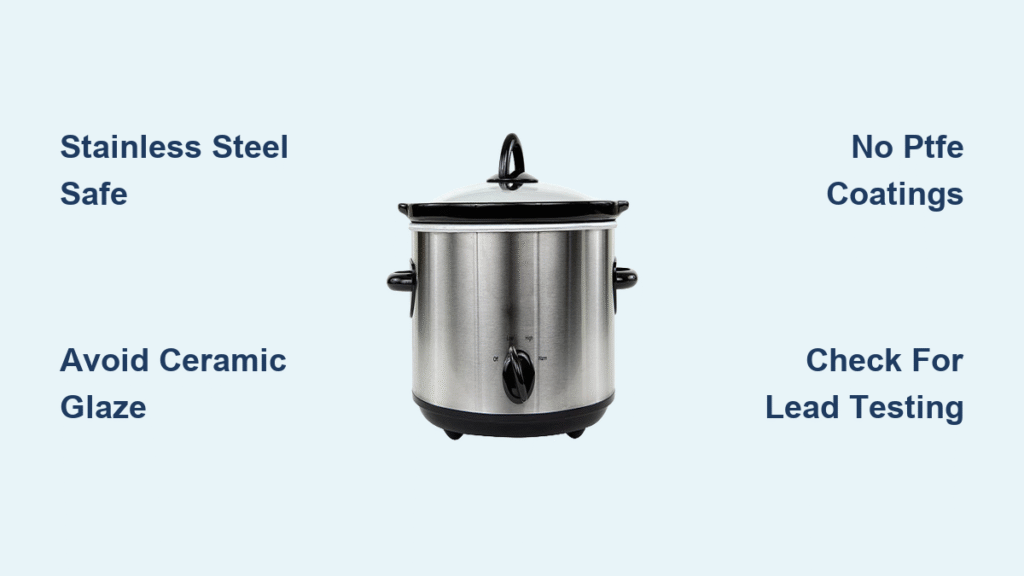
Surgical-grade stainless steel (18/8 or 18/10) is the only material with independent lab verification of near-zero contamination. Tri-ply construction sandwiches an aluminum core between steel layers for even heating, preventing food contact with reactive metals.
Nickel Leaching Is Minimal and Manageable
Tests show ≤ 0.04 mg/kg nickel migration after 6 hours with acidic ingredients—well below EU safety limits for non-allergic individuals. Unlike ceramic or non-stick, stainless steel won’t chip, crack, or degrade over time. It’s also 100% recyclable, with brands like Wolf using 82% recycled content.
Top Stainless Steel Models Worth Buying
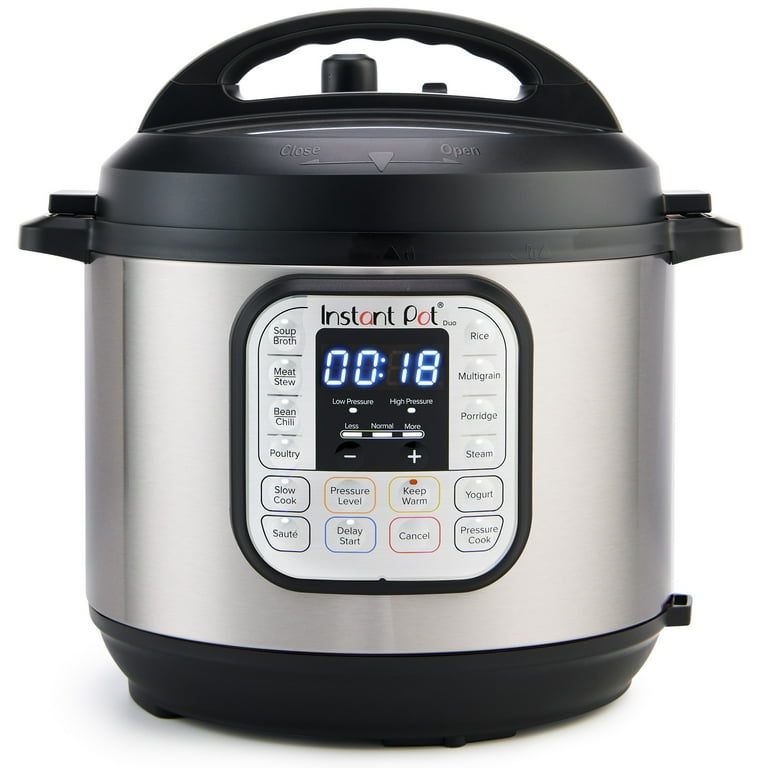
– Instant Pot Duo (6 qt): Budget-friendly at ~$70 with frequent discounts; stainless insert doubles as pressure cooker
– 360 Cookware (4 qt): ~$322 after 25% discount (“gurlgonegreen25”); lifetime warranty and induction-ready
– Wolf Gourmet (7 qt): ~$650 street price; multi-function (slow cook, sear, sous-vide) with commercial durability
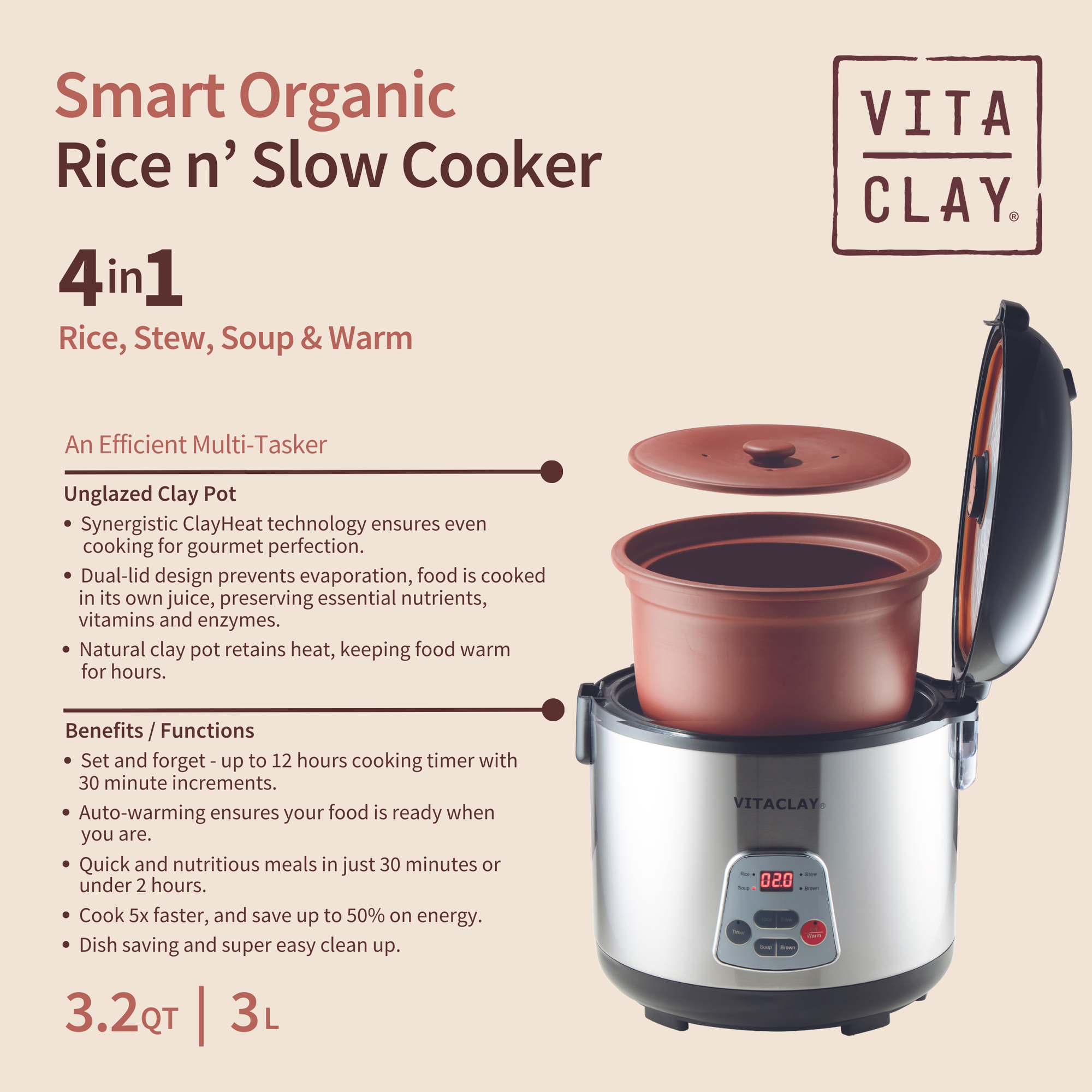
– Miriam’s Earthenware (2.5 qt clay): $109; unglazed clay for zero chemical risk but requires dedicated use per cuisine
Clay Slow Cooker Materials: Natural With Limitations
Unglazed clay eliminates chemical leaching risks but introduces practical hurdles. High-fired natural clay adds earthy notes—ideal for Moroccan tagines but disastrous when chili residue flavors your breakfast oats.
Critical Care Requirements Most Overlook
Unglazed surfaces retain oils, demanding salt-scrub cleaning between uses. Rapid temperature changes (like adding cold water to a hot pot) cause cracking, and flavor cross-contamination means you’ll need separate pots for savory and sweet dishes. While biodegradable and lead-free, clay’s fragility makes it impractical for daily family cooking.
Slow Cooker Materials to Absolutely Avoid
| Material | Hidden Danger | Where It Hides |
|---|---|---|
| PTFE/PFAS coatings | Forever chemicals, carcinogenic fumes | Insert surfaces, sear plates |
| Glazed ceramic | Lead/cadmium leaching in acidic foods | Inner bowls |
| Nano-titanium | Immune disruption, pre-cancer lesions | “Ceramic” non-stick inserts |
| Plastic lids | BPA/BPS migration into steam | Lid knobs, sealing rings |
Critical red flag: If a brand lacks third-party lead testing documentation (like many ceramics), assume it’s unsafe. Prop 65 warnings specifically citing “food-contact surfaces” for heavy metals or BPA mean immediate avoidance.
Regulatory Gaps in Slow Cooker Material Safety
California AB 1200 (2023) mandates disclosure of PFAS, lead, cadmium, and BPA in cookware—but enforcement remains spotty as of 2025. Many brands skip compliance, leaving consumers to guess about hidden toxins. When shopping, demand proof of independent testing for any ceramic or “ceramic-coated” insert. Prop 65 warnings about lead in power cords are less concerning than those referencing cooking surfaces. If a company won’t share material safety data, choose a transparent brand.
How Maintenance Affects Your Slow Cooker Material Safety
Your cleaning routine directly impacts toxin exposure:
– Stainless steel: Dishwasher-safe but avoid chlorine bleach (causes pitting)
– Ceramic: Hand-wash only; thermal shock from hot-to-cold water increases leaching
– Non-stick: Discard immediately when scratched—chemical migration jumps 300% with visible damage
– Clay: Requires salt-scrubbing between uses to prevent oil buildup
Never soak ceramic inserts overnight—prolonged moisture exposure widens micro-cracks. For stainless steel, skip abrasive pads to maintain its protective oxide layer.
Cost Comparison of Safe Slow Cooker Materials
| Model | Capacity | Material | Price | Safety Verdict |
|---|---|---|---|---|
| Instant Pot Duo | 6 qt | 18/8 stainless | $70 | ★★★★☆ (Best budget) |
| 360 Cookware | 4 qt | Tri-ply SS | $322 | ★★★★★ (Lifetime use) |
| Wolf Gourmet | 7 qt | Tri-ply SS | $650 | ★★★★★ (Multi-function) |
| Miriam’s Clay | 2.5 qt | Unglazed clay | $109 | ★★★☆☆ (High-maintenance) |
Quick Guide to Choosing Safe Slow Cooker Materials
- Budget priority: Instant Pot Duo (stainless insert under $100)
- Non-toxic priority: 360 Cookware (lifetime warranty, verified safety)
- Large families: Wolf Gourmet 7-qt (handles two whole chickens)
- Natural preference: Miriam’s clay (but dedicate one pot per cuisine)
- Immediate avoid: Ceramic without lead testing, PTFE coatings, plastic lids
Your slow cooker should simplify meal prep—not poison your family. Surgical-grade stainless steel is the only material proven safe for decades of use, while ceramic and non-stick inserts leak toxins over time. Before your next grocery run, inspect existing pots for chips, scratches, or wear. If your ceramic insert has hairline cracks or your non-stick surface shows pitting, replace it immediately—hidden toxins shouldn’t be your dinner guests. Invest in verified stainless steel models that protect your health while saving money long-term through durability.