You’ve set your slow cooker in the morning for that comforting beef stew, only to realize at 5 PM that dinner won’t be ready until 9 PM—long after hungry family members have given up and ordered pizza. The slow cooker promises hands-off convenience but often delivers meals at a pace that doesn’t match modern schedules. The good news? You can transform your all-day cooking into practical weeknight solutions without compromising on flavor or safety.
This guide reveals scientifically backed methods to accelerate your slow cooker meals by 50-75% while maintaining the tender textures and rich flavors you love. Whether you’re juggling work deadlines, school activities, or simply want dinner ready before bedtime, these techniques will solve your “how to speed up slow cooker” dilemma for good. No more staring at the clock while stomachs growl—you’ll discover exactly which strategies deliver the most time savings with the least effort.
Convert Slow Cooker Recipes to Pressure Cooking
Ditching your slow cooker for a pressure cooker is the single fastest way to transform your cooking timeline. An Instant Pot or similar electric pressure cooker delivers authentic slow-cooked results in just 30-60 minutes instead of the traditional 6-10 hours, making it the ultimate solution for those asking “how to speed up slow cooker” meals dramatically.
Critical conversion adjustments when switching methods:
– Reduce liquid by 25-50% since pressure cooking retains moisture
– Cut cooking time to one-sixth of the original slow cooker duration
– Always follow manufacturer safety guidelines for pressure release
When adapting your favorite recipes, start with simple stews and soups before tackling more complex dishes. For example, that 8-hour beef stew becomes a 35-minute pressure cooker success, while dried beans cook perfectly in just 25 minutes instead of 6 hours. The sealed environment of a pressure cooker actually enhances flavor development while drastically reducing time—proving that faster cooking doesn’t mean sacrificing taste.
Pre-Heat Your Slow Cooker for Immediate Time Savings
Starting with a warm slow cooker base can slash 30-45 minutes from your total cooking time by preventing ingredients from lingering in the temperature danger zone during the initial warm-up phase. This simple step works because modern slow cookers reach optimal temperature much faster than traditional models.
Effective pre-heating techniques that actually work:
– Fill ceramic insert with hot tap water for 2-3 minutes, then dump and add ingredients
– Heat broth or stock to simmer before pouring into the cooker
– Turn your slow cooker on HIGH while prepping ingredients for immediate warmth
Newer slow cooker models reach cooking temperature in under 10 minutes with pre-heating, compared to older units that may take 20-30 minutes. Check your manual for specific heating times, but most benefit significantly from this head start. This method is particularly effective when combined with other acceleration techniques for maximum time savings.
Cut Ingredients into Uniform Small Pieces for Faster Cooking
Smaller ingredients cook exponentially faster due to increased surface area exposure to heat—a simple physics principle that works wonders in slow cookers. Cutting ingredients to the right size can cut 1-2 hours from your cooking time while ensuring everything finishes simultaneously.
Precision sizing guidelines for optimal speed:
– Meat: Dice into 1-inch cubes instead of 3-inch chunks for 50% faster cooking
– Root vegetables: Cut to ½-inch pieces rather than 1-inch chunks
– Onions: Slice thin rather than quartering for quicker flavor release
– Carrots: Use baby carrots or slice into thin coins for even cooking
This technique works especially well for soups, stews, and chili where texture differences from smaller pieces are minimal. Uniform sizing prevents the common problem of mushy vegetables while meat remains undercooked—a frequent frustration when trying to speed up slow cooker recipes.
Brown Ingredients Before Slow Cooking for Dual Benefits
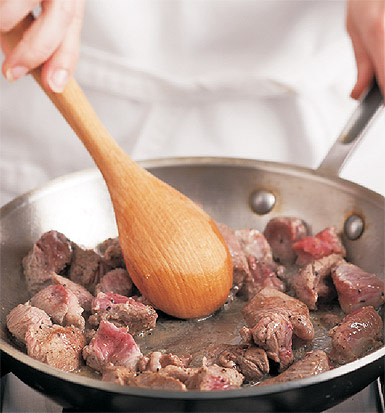
Pre-cooking ingredients in a skillet before transferring to your slow cooker adds rich flavor while reducing total cooking time by 30-45 minutes. This two-step method jumpstarts the cooking process and builds deeper flavor profiles through the Maillard reaction.
What to pre-cook for maximum time savings:
– Brown ground beef until no pink remains (eliminates 20+ minutes of slow cooking)
– Sear beef cubes until crust forms for enhanced texture
– Sauté onions until translucent to release flavors faster
– Toast spices for 30 seconds to bloom their essential oils
Transfer everything directly from skillet to pre-warmed slow cooker for seamless transition. This technique works particularly well for meat-based dishes where texture and flavor depth matter most. The initial effort pays off with significantly reduced slow cooker time and superior results.
Strategically Use High Setting with Time Conversion Rules
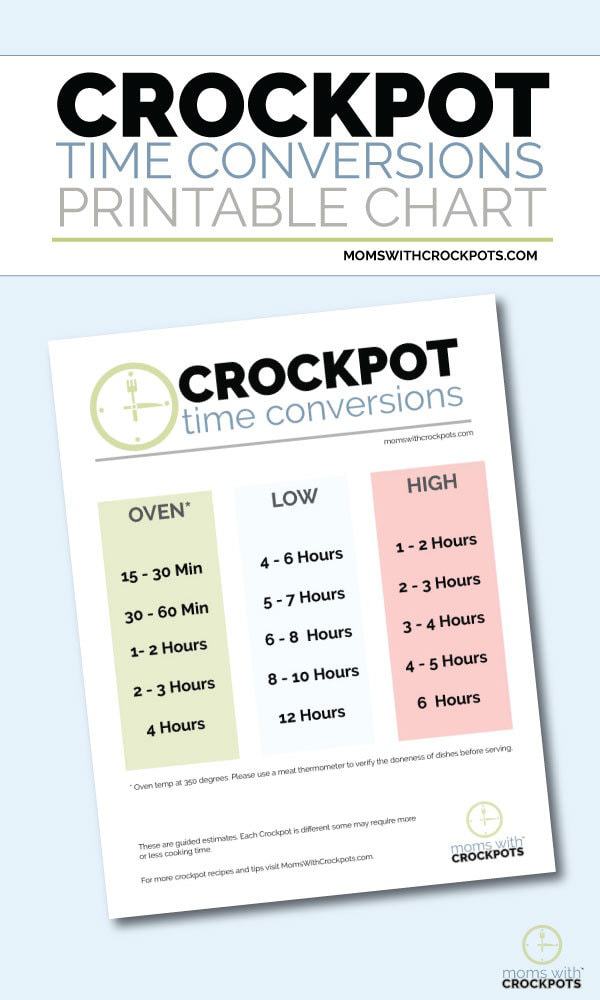
The 2:1 temperature conversion rule (2 hours on low equals 1 hour on high) is your mathematical key to confidently adapting any recipe. Understanding this relationship transforms your ability to speed up slow cooker meals without guesswork.
Accurate conversion chart for common recipes:
Low Setting    High Setting

7 hours        3 hours

8 hours        4 hours

9 hours        4.5 hours

10 hours       5 hours
Critical safety warning: Never attempt recipes requiring less than 7 hours on low or 3 hours on high. Insufficient cooking time creates serious food safety risks with undercooked proteins. The high setting reaches the simmer point (209°F) in 3-4 hours versus 7-8 hours on low—use this knowledge strategically but safely.
Warm Liquids Before Adding to Your Slow Cooker
Cold liquids significantly extend the time needed to reach optimal cooking temperature. Starting with hot liquids shaves 20-30 minutes off total cooking time while maintaining food safety standards.
Safe pre-heating methods that deliver results:
– Microwave broth for 2-3 minutes until hot (not boiling)
– Simmer tomato sauce briefly before adding
– Warm wine in a saucepan for deglazing
– Use hot coffee for braising liquids in certain recipes
Avoid adding boiling liquids directly to cold ceramic inserts, as the temperature shock can cause cracking. This simple step works exceptionally well when combined with pre-heating your slow cooker base for cumulative time savings.
Choose Faster-Cooking Ingredients Without Sacrificing Flavor
Smart ingredient swaps can halve cooking time while maintaining your recipe’s character. These substitutions work particularly well for soups, stews, and chili where texture differences are minimal but time savings are significant.
Proven time-saving substitutions:
– Canned beans instead of dried (eliminates 2+ hours of cooking)
– Quick-cooking oats in place of steel-cut varieties
– Baby potatoes vs. large russets (cut cooking time by 40%)
– Ground meat instead of stew meat for quicker protein cooking
– Spinach rather than kale for faster wilting
When adapting recipes, focus on the ingredients that traditionally take longest to cook. For example, using canned white beans instead of dried in your slow cooker chili saves at least two hours while delivering identical texture and flavor in the final dish.
Minimize Lid Lifts to Maintain Cooking Momentum
Every time you lift the lid, your slow cooker loses heat and steam, adding approximately 15 minutes to total cooking time. This seemingly minor action can add an extra hour or more to your cooking process through repeated peeking.
Smart monitoring techniques that preserve heat:
– Use glass lids to check progress visually without lifting
– Rotate cooker rather than removing the lid for inspection
– Set specific check-in times on your phone to avoid temptation
– Trust the process completely during the final 30 minutes
Resisting the urge to peek is especially important during the first hour when the cooker is reaching optimal temperature. This simple behavioral change delivers immediate time savings with zero additional effort.
Leverage Modern Slow Cooker Features for Built-In Acceleration
Newer slow cooker models include specialized features designed specifically for faster cooking without compromising results. These innovations can reduce total cooking time by 1-2 hours compared to basic models.
Acceleration features worth looking for:
– Fast-start function: Reduces preheat time by 50% through rapid heating
– Sauté mode: Built-in stovetop function for browning without extra dishes
– Auto-adjust heating: Optimizes temperature cycles for efficiency
– Probe thermometers: Prevents overcooking while ensuring food safety
If you’re serious about learning how to speed up slow cooker recipes, investing in a model with these features pays off quickly in time saved. Even without upgrading your appliance, understanding these functions helps you maximize what you already own.
Maintain Food Safety When Accelerating Cooking Times
Faster cooking must never compromise food safety. Follow these non-negotiable rules when adapting slow cooker recipes for speed:
Essential temperature checkpoints:
– Poultry: Must reach 165°F internal temperature
– Ground beef: 160°F minimum for safety
– Pork and beef roasts: 145°F with 3-minute rest
– Dried beans: Simmer for at least 10 minutes after reaching temperature
Always use a food thermometer when significantly reducing cooking times. Insert into the thickest part of meat, avoiding bone or fat pockets. Pre-cook ground meats thoroughly and wash vegetables before adding to your slow cooker when using accelerated methods—this extra step ensures safety without adding significant time.
Maximize Flavor When Speeding Up Slow Cooker Recipes
Extended slow cooking allows flavors to meld completely, while rushed methods may produce flatter tasting dishes. Understanding this flavor impact helps you compensate effectively.
Flavor-boosting techniques for accelerated cooking:
– Increase herbs and spices by 25% to compensate for shorter cooking time
– Add acid (lemon juice, vinegar) during the final 15 minutes for brightness
– Finish with fresh herbs for complexity that develops during long cooking
– Use umami boosters like soy sauce or tomato paste for depth
Taste and adjust seasonings during the final 15 minutes when flavors concentrate most. This approach ensures your speed-cooked meals deliver the rich, complex flavors you expect from traditional slow cooking.
Three Fastest Methods to Implement Tonight
Transform your next slow cooker meal with these three most effective acceleration techniques:
- Pressure cook your recipe (60 minutes max for most dishes)
- Pre-heat cooker + high setting conversion (4 hours vs. 8 for traditional)
- Cut ingredients small + pre-brown (5 hours vs. 8 for standard recipes)
Combine techniques for maximum time savings—your 8-hour beef stew becomes a 45-minute pressure cooker masterpiece or a 4-hour high-setting success. For immediate results, start with recipes specifically designed for your chosen acceleration method rather than converting complex dishes. Success with simpler recipes builds confidence for more ambitious time-saving experiments.