Your slow cooker just sputtered its last batch of chili after a decade of faithful service, leaving you with a hulking appliance that doesn’t fit in the trash can or recycling bin. Unlike disposable containers, slow cookers contain a complex mix of electrical wiring, ceramic crocks, and metal components that demand special handling. Tossing this kitchen workhorse in regular garbage risks environmental harm and wastes valuable reusable materials—especially when 35% of household waste could be diverted through proper disposal.
Whether your Crock-Pot died mid-cook or you’re upgrading to a smart model, responsible disposal protects the planet while potentially helping others. This guide cuts through the confusion with actionable steps for every scenario—from donating functional units to dismantling broken ones—so you can dispose of your slow cooker correctly based on its condition, local resources, and environmental impact. You’ll learn how to extract maximum value from each component while avoiding common disposal mistakes that send repairable appliances to landfills.
Donate or Sell Your Working Slow Cooker Immediately
Charitable Organizations That Accept Functional Units
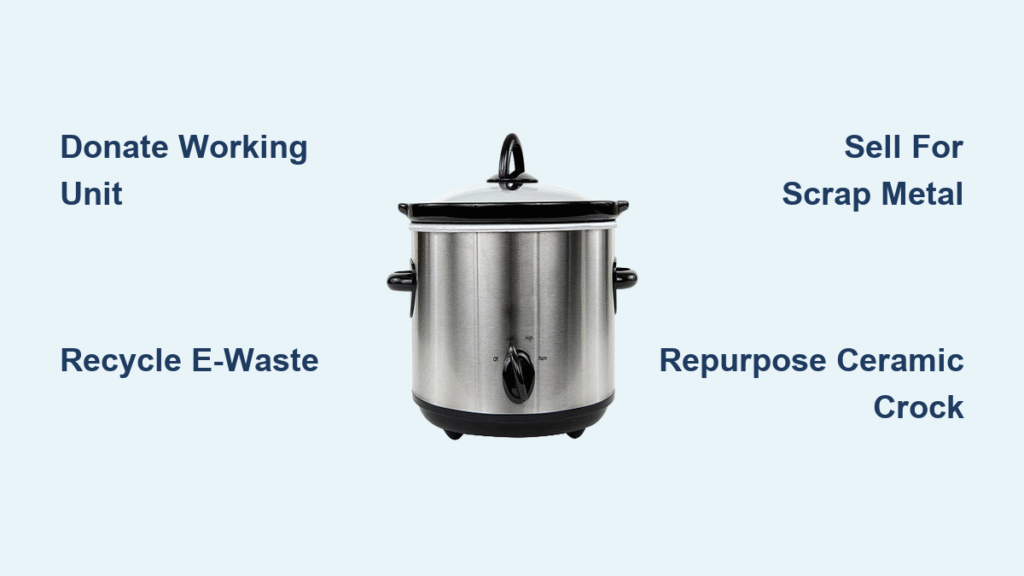
Don’t let a still-working slow cooker become waste when shelters and community programs desperately need reliable kitchen appliances. Goodwill, Salvation Army, and Value Village routinely accept small appliances like slow cookers at donation centers nationwide, though some locations charge processing fees—always call ahead to confirm policies. Local homeless shelters particularly value these appliances for batch-cooking nutritious meals, while youth cooking programs and community kitchens often welcome functional units for teaching culinary skills.
Before loading your car, verify acceptance rules: Some thrift stores reject appliances with visible damage or during seasonal donation slowdowns. Keep your receipt for potential tax deductions, and remember to thoroughly clean the unit—charities refuse appliances with baked-on food residue or odors. This simple act extends your slow cooker’s life while supporting community food initiatives that serve hundreds weekly.
Profitable Resale Channels for Functional Appliances
Turn your retired slow cooker into cash through strategic resale instead of donating. Facebook Marketplace and Nextdoor connect you with buyers seeking affordable kitchen gear—price working 6-quart models between $15-$30 depending on brand and condition. Vintage Hamilton Beach or Rival units (especially 1970s-era Crock-Pots) attract collectors even with minor cosmetic flaws, so highlight unique features in your listing.
For maximum returns, bundle your slow cooker with other small appliances at garage sales (“kitchen appliance package” sells faster than single items). Some scrap dealers pay $2-$5 for functional units they’ll dismantle for copper wiring and steel components—call local recyclers to compare offers. Never skip testing the unit first: A quick 30-minute cook test with water confirms heating functionality and prevents refund requests.
Fix or Recycle Broken Slow Cookers Responsibly

Hamilton Beach’s Free Mail-In Recycling Program
When your slow cooker stops heating entirely, leverage Hamilton Beach’s manufacturer take-back program—the only major brand offering free recycling for their small appliances. Simply box your non-working unit (any size, any condition), visit hamiltonbeach.com/recycling, and print their prepaid shipping label. Though you cover postage ($5-$8 typically), there are zero recycling fees for slow cookers, blenders, coffee makers, or toasters.
This program accepts all Hamilton Beach small appliances regardless of age—no proof of purchase needed. Ship your unit to their Wisconsin facility where technicians safely extract copper wiring and steel components. Note: Other brands like Cuisinart don’t offer similar programs, making this an exceptional option if your slow cooker bears their logo.
Locating Certified E-Waste Recycling Centers
For non-Hamilton Beach units, permanent e-waste facilities provide the safest disposal path for broken slow cookers. These centers process appliances with power cords or batteries through specialized dismantling systems that recover 95% of materials. Search “electronics recycling near me” and verify facilities accept small kitchen appliances—some only handle computers or TVs.
Special collection events offer convenient alternatives: Most counties host quarterly e-waste drives at schools or community centers (check your solid waste district website). Private recyclers like Call2Recycle partner with retailers for drop-off points—though fees may apply ($3-$10). Always call ahead: Some centers reject units with cracked ceramic inserts due to safety hazards during processing.
Scrap Yard Metal Recovery Strategies
Extract cash from dead slow cookers by targeting scrap yards that accept whole appliances. These facilities pay for recoverable metals like copper wiring (fetching $3-$4/lb), aluminum heating elements ($0.50-$1/lb), and steel housing ($0.05-$0.10/lb). Avoid dismantling yourself—most yards prefer intact units for efficient processing.
Call 3-5 local yards using iScrap App to compare current rates before driving. Specify you have a “small kitchen appliance with ceramic insert” to get accurate quotes. Warning: Yards often reject units with food residue or moisture, so dry-clean thoroughly before transport. For maximum value, remove the glass lid (recycle separately) but leave wiring intact—dismantling electrical components without training risks injury.
Curbside Disposal Only as Absolute Last Resort
County-Specific Trash Guidelines When Recycling Fails
If no recycling options exist in your area, confirm county policies before tossing your slow cooker—many municipalities ban appliances from regular trash. Blue Earth County, MN allows disposal in garbage carts but charges $5.98 minimum at Ponderosa Landfill for alternative drop-off. Dodge County, MN accepts units in carts or charges $5 per 30-gallon bag at transfer stations.
Rice County, MN residents face $30 minimum fees per vehicle load at transfer stations. Never assume your county follows these models—search “[Your County] + slow cooker disposal guidelines” for current rules. Note: Units placed at curbside often get rejected by waste haulers if cords aren’t cut or ceramics aren’t removed, leading to costly return trips.
Repurpose the Ceramic Crock Before Disposal

5 Creative Second Lives for Broken Inserts
Rescue the ceramic crock from your dead slow cooker—it’s too valuable for landfills. Transform it into a planter for herbs or succulents; the unglazed bottom provides natural drainage while heat-resistant material withstands temperature swings. Use as a serving bowl for salads or dips at gatherings—its wide rim prevents spills during transport.
Convert to pet food bowls (larger crocks suit dogs; smaller ones for cats), or store dry pantry goods like flour or rice—the airtight lid keeps contents fresh for months. Fermentation enthusiasts swear by these crocks for homemade pickles or kimchi due to their even temperature retention. If keeping your working slow cooker, stow the spare crock for meal prepping or as backup when the primary insert is dirty.
Prepare Your Slow Cooker for Disposal Correctly
Critical Pre-Recycling Safety Steps
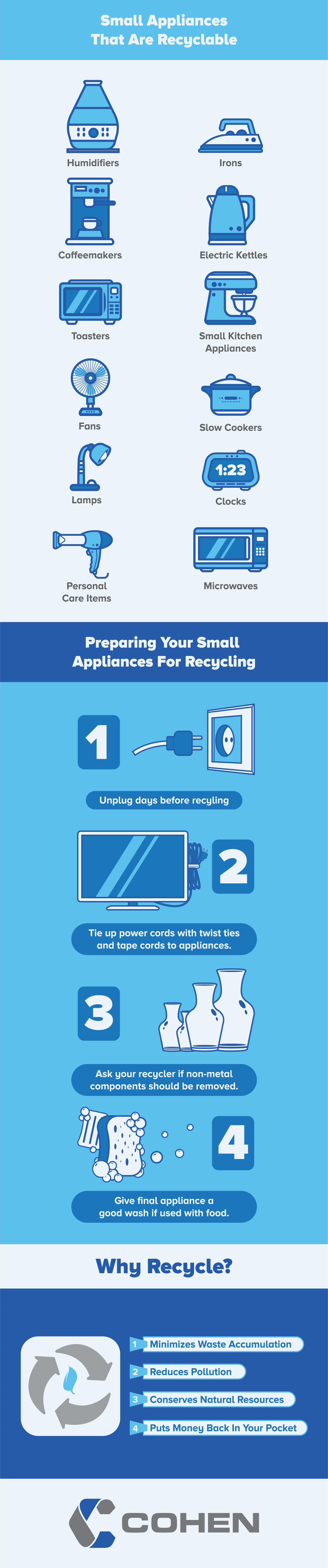
Unplug and remove all batteries from timer models before any disposal attempt—residual charge causes fires at recycling facilities. Scrub food residue from both crock and housing with baking soda paste; recyclers reject units with organic matter that attracts pests. Remove glass lids for separate glass recycling and detach any filters or blades per facility guidelines.
Never forcibly dismantle electrical components—exposed wiring creates shock hazards. If your crock is cracked, wrap it in newspaper before transport to contain ceramic shards. These steps prevent your unit from being turned away, saving you return trips to donation centers or recyclers.
Repair First to Avoid Disposal Altogether
Before declaring your slow cooker dead, explore free repair options through community programs. Repair2Reuse Café hosts volunteer-led fix-it events where technicians diagnose common issues like faulty heating elements or thermostat failures—most repairs cost under $10 in parts. Local maker spaces often run “repair cafes” specializing in small appliances.
A simple continuity test with a multimeter ($10 at hardware stores) reveals if the heating element works (expect 20-30 ohms resistance). Replacing a $5 thermal fuse often revives “dead” units. Repairing saves you replacement costs while keeping one more appliance out of landfills—only dispose when components are irreparable.
Maximize Environmental Benefits Through Smart Disposal
Why Recycling Beats Landfills Every Time
Recycling your slow cooker saves 70% more energy than manufacturing new appliances from raw materials. The copper wiring inside requires 85% less energy to reprocess than mining new ore, while recycled steel housing reduces water pollution by 76% compared to virgin production. Each unit diverted from landfills prevents toxic substances from leaching into soil as plastics degrade over centuries.
By choosing certified recyclers, you support the circular economy where materials re-enter production cycles—Hamilton Beach incorporates recycled steel into new appliances. Landfilling a single slow cooker wastes resources that could make 20 new phone chargers from its copper content alone.
Find Your Perfect Disposal Solution Fast
Streamlined Resource Locating Process
Start with your county’s solid waste department website—search “[County Name] + e-waste disposal” for permanent facility maps and event calendars. Call2Recycle.org pinpoints drop-off points for small appliances nationwide. For donations, 211.org connects you with shelters accepting kitchen gear.
Before acting, verify three critical details: 1) Current scrap metal prices if selling, 2) Donation center’s seasonal restrictions, and 3) Whether your recycler accepts ceramic components. This 10-minute research prevents wasted trips and ensures your slow cooker components get proper end-of-life treatment.
Your slow cooker earned its retirement after years of effortless meals—now honor that service with responsible disposal. Whether donating for community good, recycling for environmental impact, or repurposing the crock creatively, each choice keeps valuable materials circulating. By following these precise steps, you’ll transform appliance disposal from a headache into an act of stewardship that benefits people and the planet long after the last meal.