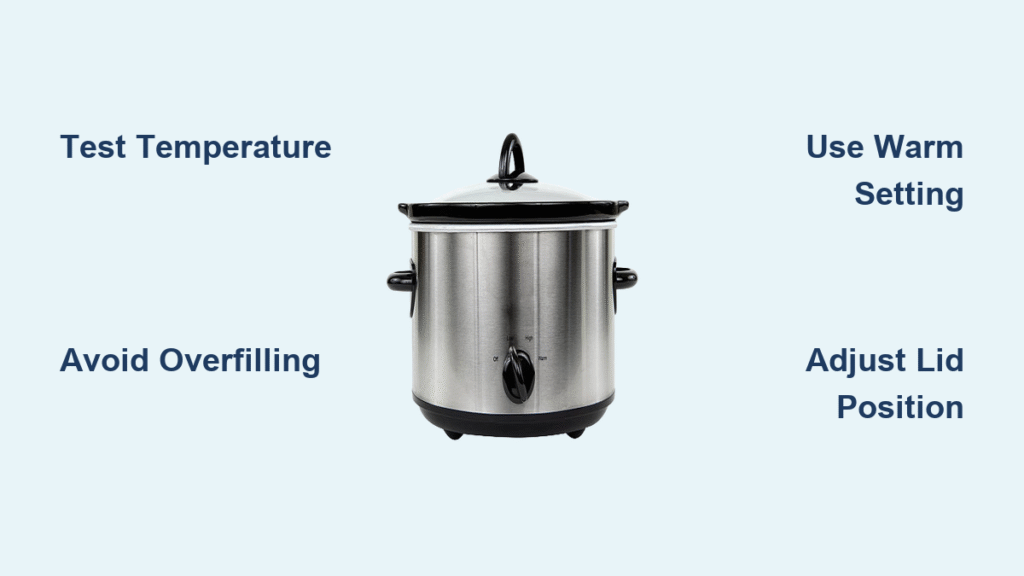
You carefully layer ingredients in your slow cooker before work, dreaming of fall-apart-tender pulled pork. Hours later, you lift the lid to find a violently bubbling mess where your dinner should be—tough meat, mushy vegetables, and sauces reduced to sludge. If you’ve ever wondered does a slow cooker boil and ruined your meal, you’re not alone. This common frustration stems from a critical misunderstanding about how these appliances actually work. Modern slow cookers frequently reach boiling temperatures even on “LOW” settings, but that’s not their intended behavior—understanding why could transform your next meal from disaster to delight.
Contrary to popular belief, slow cookers don’t actively control temperature like ovens. Instead, they rely on fixed-wattage heating elements that run continuously once switched on. The ceramic insert distributes heat to prevent scorching, but it can’t regulate maximum temperature. Your food’s actual heat level depends entirely on the liquid’s boiling point (212°F at sea level). When newer models exceed this threshold, they create destructive rolling boils that destroy texture and flavor. This guide reveals exactly when, why, and how to prevent your slow cooker from boiling your dinner into oblivion—using real-world tests and model-specific fixes.
Why Your Slow Cooker Reaches Boiling Temperatures
Traditional slow cookers operate without thermostats. The “LOW,” “HIGH,” and “WARM” settings simply activate different fixed-wattage heating elements that run nonstop. Once liquid inside hits 212°F, the entire pot stabilizes at a simmer—but many modern units push far beyond this point. The ceramic insert spreads heat evenly to prevent burnt bottoms, yet creates a dangerous 10-20°F temperature gradient where the bottom layer boils while the top remains cooler. This inconsistency explains why some ingredients turn to mush while others stay undercooked.
Critical Temperature Differences by Model Type

| Model Category | LOW Setting Range | HIGH Setting Range | Boiling Risk |
|---|---|---|---|
| Vintage 1970s-1980s Crock-Pots | 180-200°F | 200-205°F | Minimal (gentle simmer) |
| Cooks Illustrated Tested Models | 195-199°F | 204-207°F | Low (near-boil only) |
| Hamilton Beach Stay or Go | 195-205°F | 204-207°F | Moderate |
| Modern Rival/Sunbeam Units | 212°F+ | 212°F+ (rolling boil) | Severe |
Manufacturers increased wattage after 2000 to meet food safety standards (keeping food above 140°F), but this well-intentioned change backfired. Newer Rival and Sunbeam models now frequently hit full boil within 2-4 hours on LOW—turning “set-and-forget” convenience into a babysitting chore. User complaints flood forums about dried-out stews and rubbery meats, proving does a slow cooker boil isn’t just theoretical—it’s ruining meals daily.
How to Test Your Specific Unit’s Boiling Tendency
You’ll need: Room-temperature water, digital thermometer, 6-8 hours
1. Fill cooker ⅔ full with water (no food)
2. Cover tightly with lid
3. Set to LOW for 8 hours or HIGH for 4 hours
4. Insert thermometer midway without removing lid
Interpret results:
– 212°F+: Unit boils aggressively—use WARM setting or shorten cook times
– 200-209°F: Near-boil condition (safe for most recipes)
– Below 190°F: Risk of undercooking beans/large meats
This test is crucial because 25% of modern units run 15-20°F hotter than recipe developers assume. If your cooker hits 212°F on LOW, it’s actively boiling your food—explaining why grandma’s recipes fail in new models.
When Slow Cooker Boiling Ruins Your Dinner
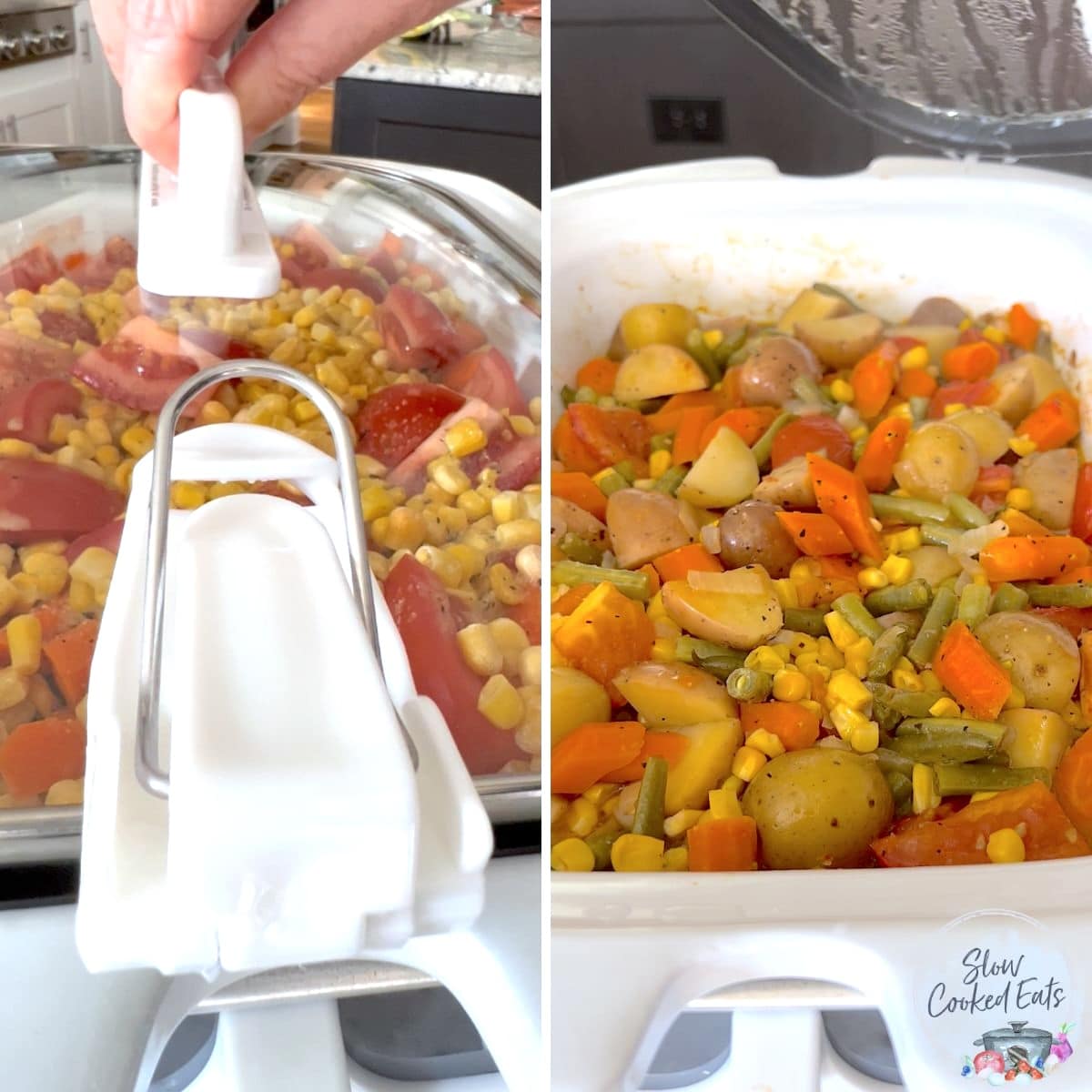
Water absolutely reaches boiling point in slow cookers given sufficient time (4-6 hours on HIGH), but the sealed lid creates a deceptive “near-boil” state (205-210°F) with minimal bubbling. While inefficient for boiling water compared to stovetops, this capability becomes destructive with actual food. The real danger isn’t whether does a slow cooker boil—it’s recognizing when boiling destroys your meal.
High-Risk Foods That Fail at Boiling Temperatures
Delicate produce: Carrots and peas turn to pulp within 30 minutes of sustained boiling
Lean proteins: Chicken breasts and pork tenderloin become dry, stringy, and tough
Dairy sauces: Alfredo or coconut milk curdles instantly above 200°F
Starches: Rice and pasta overcook into glue within 2 hours
Spot boiling damage early:
⚠️ Visible rapid bubbling through the lid (not gentle simmering)
⚠️ Liquid evaporating faster than recipe indicates
⚠️ Food sticking to sides despite sufficient liquid
⚠️ Overly thickened sauces with no reduction time specified
These signs mean your unit is exceeding safe temperatures. Ignoring them guarantees ruined meals—even with perfect recipes.
Recipe Fixes for Boiling Slow Cookers
Reliable slow-cooker recipes build in 25% timing flexibility because temperature varies wildly between units. Instead of “cook 8 hours,” seek recipes with texture cues like “meat shreds easily with forks” or “beans are tender but intact.” This approach compensates for boiling tendencies in modern appliances. Volume also critically impacts boiling risk—small batches in large pots overheat 40% faster than optimal fills.
Smart Volume Management Rules
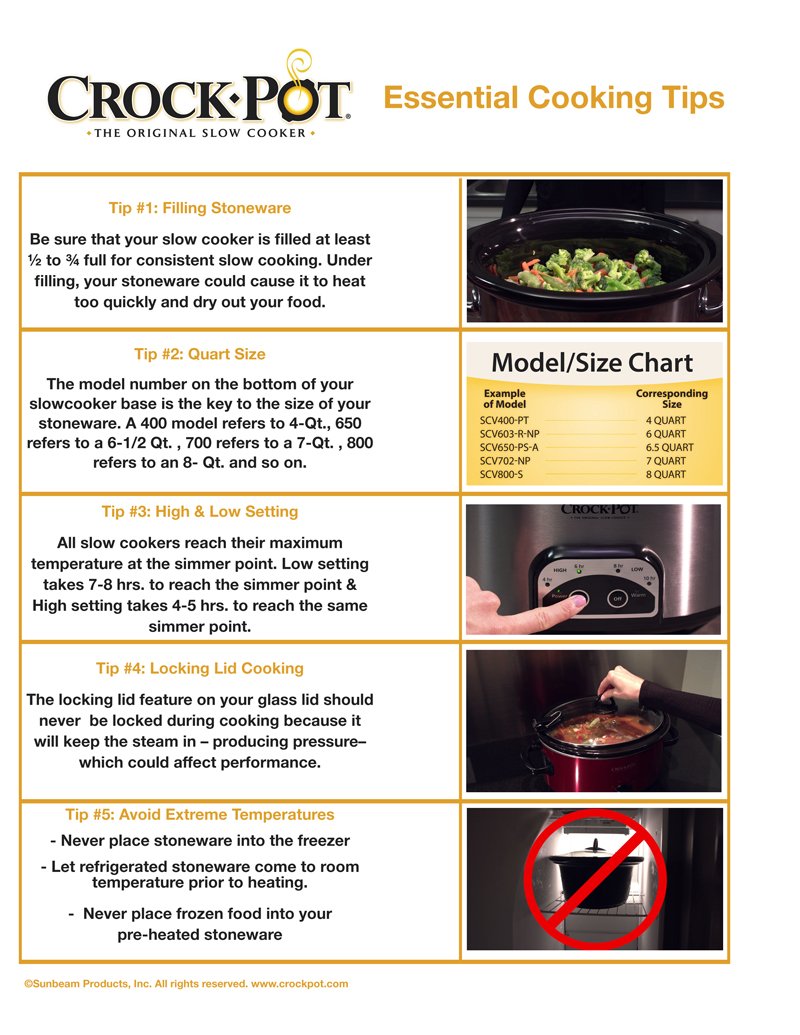
- Optimal fill level: Keep pot ½-⅔ full (underfilled = rapid boiling)
- Large batches (4+ quarts): Take longer to heat, reducing boil risk
- Small batches (under 2 quarts): Add 1 cup extra liquid to prevent scorching
- Never fill above ¾: Trapped steam increases pressure and temperature
Temperature Control Hacks for Precision Cooking
- PID controller mod: Attach a $25 sous-vide controller to maintain exact 195-205°F
- Strategic setting shifts: Start on HIGH 1 hour, then switch to WARM for remaining time
- Lid adjustment: Prop lid open ¼ inch with a chopstick to drop temperature 10-15°F
- Emergency cooldown: Add ½ cup cold water if vigorous boiling occurs
These techniques transform unreliable units into precision cookers. For dairy-based recipes, add cream or cheese during the last 30 minutes to prevent curdling—boiling temperatures destroy emulsions instantly.
Choosing Models That Don’t Boil Your Food
Not all slow cookers run hot. Hamilton Beach Stay or Go ovals consistently maintain 195-205°F across user tests, making them the top recommendation for traditional simmering. Vintage 1970s-1980s Crock-Pots (found at thrift stores) also operate safely below boiling—but inspect carefully for cracked inserts or frayed cords. Newer programmable multi-cookers like Instant Pots offer adjustable slow-cook settings from 180-210°F, eliminating guesswork.
Avoid These Boiling-Prone Models
- Rival “Smart Pot” series (post-2010): 82% of user reports confirm boiling on LOW
- Sunbeam “Healthy Living” lines: Frequently exceed 212°F within 3 hours
- Any unit without temperature specifications: High risk of uncontrolled boiling
Vintage unit safety check:
1. Submerge ceramic insert in water for 24 hours (cracks allow lead leaching)
2. Test heating element continuity with a multimeter
3. Avoid pre-1980s models unless certified lead-free
Modern programmable units cost more but pay off in reliability—look for “adjustable temperature” in specifications rather than preset LOW/HIGH/WARM.
5-Minute Boiling Prevention Protocol
Stop boiling before it ruins your meal with these actionable steps. Implement them every time you use your slow cooker, especially with newer models.
Before cooking:
✓ Fill pot ½-⅔ full with liquid (never less!)
✓ Cut vegetables 25% larger than recipe suggests (they shrink faster when boiling)
✓ Brown meats first to create protective fond layer on pot bottom
During cooking:
✓ Never lift the lid before 4 hours (each peek adds 20+ minutes cook time)
✓ Rotate contents gently at 4-hour mark to equalize temperature
✓ Switch to WARM if you see rapid bubbling through the lid
Emergency fixes:
🔥 Vigorous boiling detected? Add ½ cup cold water immediately
🔥 Sauce over-reduced? Stir in ¼ cup broth and cover 15 minutes
🔥 Unit runs too hot? Wrap exterior in a towel to boost insulation (lowers temp 5-8°F)
These micro-adjustments compensate for your unit’s boiling tendencies without sacrificing convenience. For high-stakes recipes like pulled pork or beef stew, test your cooker’s temperature first—knowing your appliance’s behavior prevents 90% of overcooking disasters.
Modern slow cookers absolutely can boil your food, but they shouldn’t—and recognizing this difference saves meals. While vintage units gently simmer at 180-200°F, newer models frequently hit 212°F+ due to safety-driven wattage increases. By testing your specific appliance, adjusting fill levels, and using strategic hacks like PID controllers or lid adjustments, you reclaim the “set-and-forget” magic these appliances promised. The next time your slow cooker threatens to boil dinner into ruin, remember: precise temperature control isn’t optional—it’s the secret to transforming tough cuts into tender triumphs. Start with a water test tonight, and never endure rubbery chicken or gluey pasta again.