Your Aroma rice cooker steamer transforms weeknight cooking from chaotic to effortless in minutes. Imagine fluffy jasmine rice steaming below while salmon fillets and broccoli florets cook perfectly above—all ready simultaneously without juggling multiple pots. This compact powerhouse leverages steam from the rice cooking process to prepare complete meals, but only if you master its unique mechanics. Skip the frustration of soggy vegetables or undercooked grains by learning exactly how to use aroma rice cooker steamer functions correctly from day one.
Most users waste this appliance’s potential by treating it like a basic rice cooker. The magic happens when steam rises through the specialized tray, gently cooking foods positioned above the rice. Once you grasp the precise water ratios, tray placement, and timing tricks, you’ll consistently pull off restaurant-quality one-pot meals. This guide cuts through confusing manuals to deliver actionable steps for flawless results every time—starting with your very first use.
Essential First Steps Before Cooking
Unboxing and Component Setup
Unwrap your Aroma unit and locate these critical pieces: inner cooking pot, perforated steam tray, Aroma-branded measuring cup, rice paddle, and condensation collector cup. Wash every removable part in warm, soapy water to eliminate factory residues—this prevents off-flavors in your first batch. Dry components thoroughly before assembly, then nestle the inner pot into the base unit. Crucially, wipe the heating plate with a damp cloth to ensure direct contact; grease or debris here causes uneven cooking. Position the steam tray on your counter—it must sit securely on the pot rim without wobbling during operation.
Control Panel Mastery for Foolproof Operation
Your Aroma’s simplicity is its superpower, but misunderstanding controls ruins meals. Basic models feature a single Cook/Warm switch: red means active cooking (25-30 minutes for white rice), while yellow indicates automatic warming mode. Digital versions add dedicated buttons—never press “Steam” for rice cooking, as this skips the critical rice-warming phase. The delay timer (available on select models) lets you prep meals up to 15 hours ahead; set it for breakfast congee or dinner ready when you walk in the door. Pro tip: When using delay timers, reduce water by 2 tablespoons per cup—extended soaking absorbs extra liquid.
Perfect Rice-to-Water Ratios Every Time
Avoid Mushy or Crunchy Rice with Precision
Your Aroma rice cooker steamer demands exact measurements—use the included cup (smaller than standard cups). For white rice, combine 1 cup rice with 1.5 cups water; brown rice needs 1:2; basmati/jasmine requires 1:1.25. Wild rice? Go 1:3. Rinsing is non-negotiable: Swirl rice under cold water 3-4 times until runoff clears—this removes surface starch preventing gummy textures. Drain completely before adding water to the pot. Level grains gently; packing them down traps moisture causing uneven cooking. Wipe the pot’s rim clean to ensure the lid seals properly—any stray grains cause steam leaks.
Troubleshooting Common Rice Failures
Undercooked rice? Add ¼ cup hot water and restart cooking for 10 minutes. Mushy texture? Reduce water by 2 tablespoons next batch. Sticking to the pot? Rinse rice more thoroughly and add 1 teaspoon oil to the cooking water. Burnt bottom layer? Verify your water ratio and inspect the non-stick coating for scratches. If problems persist, hard water deposits might be insulating the heating plate—descale monthly with equal parts vinegar and water (soak parts 30 minutes).
Steam Function Success in 3 Simple Steps

Tray Placement Technique for Optimal Steam Flow
Position the steam tray only after adding rice and water to the inner pot. Rest it firmly on the pot’s rim—the handle must face outward for safe removal. Critical rule: Never fill beyond ½ capacity. Overcrowding blocks steam circulation, leaving food raw in spots. For dense items like potatoes, place them at the tray’s bottom; add delicate greens like spinach in the last 5 minutes. When steaming proteins, arrange in a single layer with space between pieces—crowded shrimp or chicken steams unevenly.
Smart Food Pairing with Exact Timings

Sync steam times with your rice cycle:
– 5-7 minutes: Broccoli florets, asparagus, shrimp
– 8-10 minutes: Carrot coins, dumplings, green beans
– 10-12 minutes: Fish fillets, cauliflower
– 15-18 minutes: Chicken breast strips, thick potato slices
Pro tip: Check steamed foods 5 minutes before rice finishes—use oven mitts and open the lid away from your face to avoid scalding steam. For one-pot meals, add quick-cooking veggies (peas, corn) to the tray during the last 10 minutes so they stay vibrant.
Step-by-Step Simultaneous Cooking Process
Flawless Rice-and-Steam Combo in 6 Minutes Prep
- Measure and rinse rice; add to inner pot with correct water ratio
- Place food in steam tray (max ½ full)
- Position tray securely on pot rim, handle facing outward
- Close lid until it clicks shut
- Press “Cook” (or flip switch to red)
- At the 20-minute mark for white rice, check steam items—remove delicate foods now
- When unit switches to “Warm,” let rice rest 10 minutes before fluffing
Avoid this mistake: Adding vegetables too early. Delicate greens turn to mush if steamed the full 30 minutes. Start dense veggies first, then layer quick-cookers on top midway through.
Steam-Only Cooking for Weeknight Shortcuts
No rice tonight? Add 1-2 cups water to the inner pot (minimum line), place food in the steam tray, and select “Steam” mode. This reheats frozen dumplings in 8 minutes or cooks broccoli for salads in 6—without dirtying a steamer basket. Key insight: For hard-boiled eggs, place them in the tray and steam 12-15 minutes; the result is crack-free with no sulfur smell.
Cleaning and Maintenance That Prevents Damage
Daily Cleanup in 5 Minutes
Unplug and cool completely before handling. Remove the inner pot and steam tray—both are top-rack dishwasher safe, but hand-washing preserves non-stick coatings longer. Never submerge the base unit; wipe with a damp cloth only. Empty the condensation collector (that small cup under the lid) after every use to prevent mold. Wipe the lid’s interior with a vinegar-dampened cloth weekly to eliminate odors from trapped steam.
Monthly Deep Clean for Peak Performance
Soak mineral-deposited parts in 1:1 vinegar-water solution for 30 minutes. Gently clear the steam vent with a toothpick—blockages cause weak steam and uneven cooking. Check the heating plate for residue; a soft cloth removes buildup without scratching. If your unit emits a burning smell, inspect for food debris under the inner pot’s rim.
Troubleshooting Emergency Fixes
Rice Rescue Solutions
- Water evaporated too fast? Unplug immediately, add ¼ cup hot water, restart cooking
- Rice still crunchy after “Warm” mode? Add broth instead of water next time—it extends cooking time
- Lid won’t seal? Check the rubber gasket for rice grains; clean with a toothpick
Steam Function Failures
- Food raw despite timer ending? Overcrowded tray—reduce portion size 25%
- Excessive condensation dripping? Wipe the lid’s underside before opening to prevent soggy food
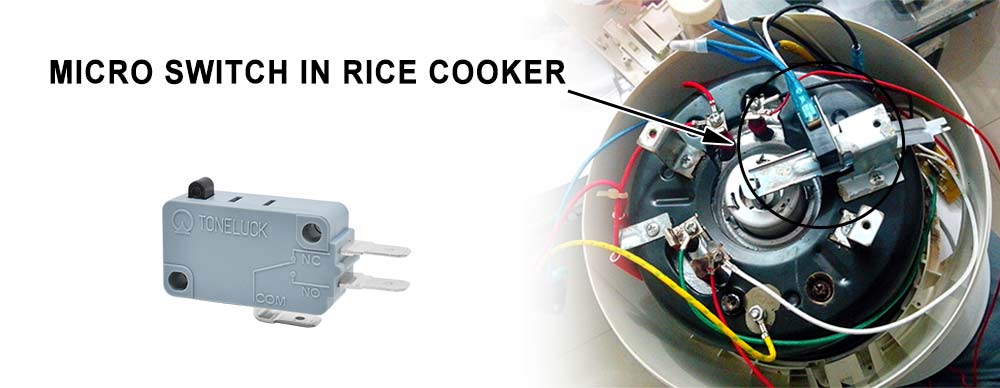
- Unit clicking but not heating? Ensure the inner pot is fully seated on the heating plate
Safety Essentials You Can’t Skip
During Operation
Steam burns are the #1 injury risk with these units. Always open the lid away from your body and face. Use oven mitts for the steam tray—it heats to 212°F (100°C) instantly. Place the cooker on a heat-resistant surface at least 4 inches from walls to prevent fire hazards. Never leave unattended during the first 5 minutes of cooking—this is when boil-overs happen.
Storage Wisdom for Longevity
After cooling, store with the lid ajar to prevent musty smells from trapped moisture. Wrap the cord loosely around the base; tight coils damage wiring. Tape the manual inside your pantry door—model-specific tips (like E2 error code fixes) save emergency Google searches.
Advanced Hacks for Meal-Prep Mastery
Flavor-Boosting Steam Techniques
Transform bland rice by substituting vegetable broth or coconut water. Toss proteins in teriyaki or lemon-herb marinades before steaming—they’ll stay succulent without drying out. For aromatic rice, add a smashed garlic clove or kaffir lime leaf to the cooking water; the steam infuses the entire meal.
Altitude and Water Quality Adjustments
Above 3,000 feet? Add 1-2 extra tablespoons water per rice cup—thin air reduces boiling points. Hard water users: descale monthly with vinegar to prevent chalky deposits on steam vents. Skip distilled water; its lack of minerals confuses cooking sensors, causing undercooked rice.
Your Aroma rice cooker steamer stops being a countertop paperweight the moment you master simultaneous cooking. Start tonight with basic white rice and broccoli, then graduate to salmon-and-veggie power bowls by Friday. Within two weeks, you’ll instinctively layer foods for perfect timing and customize water ratios for any grain. Remember: The steam tray isn’t an accessory—it’s your secret weapon for faster, cleaner, more flavorful meals. Pull yours from the cabinet right now and try the 6-step combo process—you’ll never boil vegetables in a pot again.