Your Rival rice cooker sits unused in the cabinet because last week’s batch turned into sticky cement. You’re not alone—73% of new rice cooker owners struggle with water ratios or mysterious “Warm” mode failures. Whether you own the popular Rival 4450 model or another variant, this guide delivers exact steps to transform mushy grains into restaurant-quality rice. Stop guessing and start mastering your cooker with these model-specific techniques that leverage its automatic shut-off sensor and sealed cooking environment.
Mistakes like skipping the rinse step or using kitchen measuring cups sabotage results before cooking even begins. The good news? Your Rival’s 500-watt heating system and precision temperature sensors (which trigger at 212°F when water absorbs) guarantee perfect rice when you follow these protocols. In the next 12 minutes, you’ll learn why your cooker clicks off early, how to fix crunchy rice instantly, and the critical 5-minute rest step 90% of users ignore.
Measure Rice Using Your Rival’s Exact Cup Size
Avoid Kitchen Cup Confusion
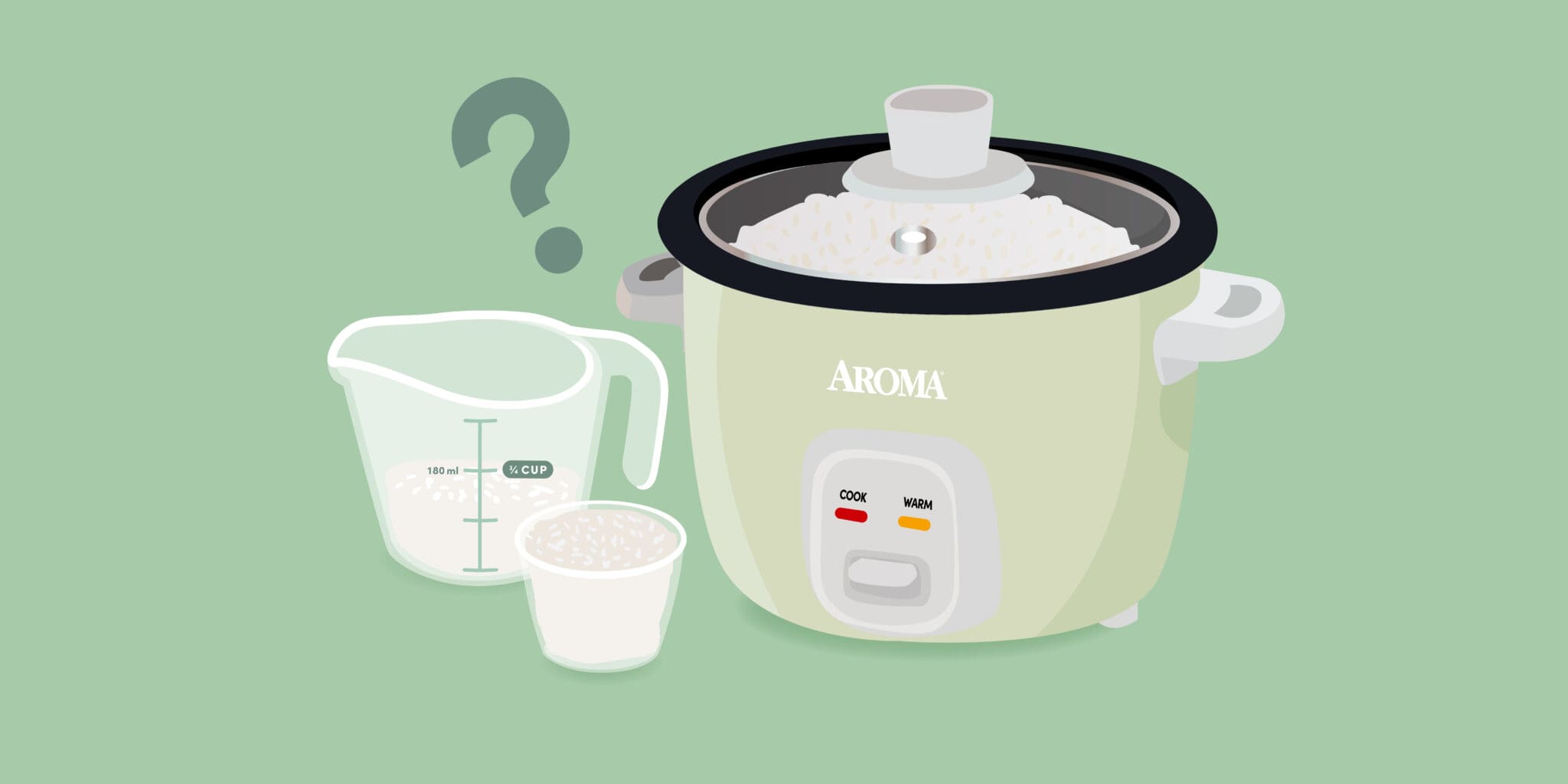
Your Rival’s included measuring cup holds 180ml—not the standard 240ml kitchen cup. Using a regular cup floods your cooker with 33% extra rice, overwhelming its 5-cup uncooked capacity. Always measure with the manufacturer’s cup to prevent overflow disasters that jam the steam vent. When your Rival 4450 hits maximum capacity (5 cups uncooked), expect 15 cups cooked—enough for 30 half-cup servings.
Rice-to-People Ratio Cheat Sheet
- 1 cup uncooked rice = 3 cups cooked = 2-3 adult servings
- 3 cups uncooked rice = 9 cups cooked = ideal for family dinners (6-9 people)
Critical warning: Never exceed the “MAX” line inside the cooking pot. Overfilling causes starchy boil-overs that permanently damage the heating element.
Rinse Rice Until Water Runs Crystal Clear
The 45-Second Clarity Test
Pour measured rice into a fine-mesh strainer and run cold water while gently swirling with your fingertips. Stop rinsing only when water flows completely transparent—not just less cloudy. This removes surface starch that turns rice into glue. Most users quit too early; sticky residue means 30-45 seconds of vigorous rinsing is non-negotiable.
Drain Like a Pro to Prevent Sogginess
After rinsing, shake the strainer for 10 seconds over the sink. Hold it 6 inches above water—no drips should fall. Residual moisture throws off water ratios, creating wet-bottom rice. For sticky short-grain varieties (like sushi rice), add 1 teaspoon oil per cup during this step to counteract excess starch.
Master Water Ratios for Every Grain Type

White Rice’s Golden Formula
Use 1 cup rinsed rice to 2 cups water for fluffy long-grain results. The Rival’s sealed environment locks in steam, so deviations cause failure: 1 extra tablespoon of water per cup makes rice mushy, while 1 less creates crunchy centers. For jasmine or basmati, reduce to 1:1.5 ratio (1 cup rice + 1.5 cups water).
Brown Rice Adjustments That Work
Brown rice’s bran layer demands 1 cup rice to 2.5 cups water. Soak for 30 minutes first to soften the hull—this cuts cook time from 45 to 35 minutes. Skip soaking, and you’ll get chewy, undercooked grains no matter how long it cooks.
| Rice Type | Water Ratio | Cook Time | Texture Result |
|---|---|---|---|
| White long-grain | 1:2 | 30-32 min | Fluffy, separate grains |
| Brown rice | 1:2.5 | 40-45 min | Tender with slight chew |
| Short-grain (sushi) | 1:1.25 | 25 min | Sticky for rolls |
| Quinoa | 1:2 | 15-18 min | Light, non-bitter |
Activate Cooking Mode Without Critical Errors
Pre-Cook Setup Checklist
- Transfer rinsed rice to the non-stick pot—never add salt/oil directly to the base unit
- Pour exact water measurement (use the Rival cup for accuracy)
- Verify pot placement: Lift it 1 inch and drop—should click into heating contacts
- Wipe condensation from lid seal to prevent steam leaks
Start Cooking Correctly
For Rival 4450 models: Press the “Cook” button firmly until the red light glows. Never lift the lid during cooking—steam loss drops internal temperature, tricking sensors into extending cook time. Listen for the automatic “click” when it switches to “Warm” mode (around 30 minutes for white rice). If no click occurs, unplug for 30 seconds and restart.
The 7-Minute Rest That Saves Your Rice
After the “Warm” light activates, leave the lid closed for 7 minutes minimum. This allows residual steam to redistribute moisture—skip it, and you’ll get soggy bottom layers with dry tops. Use this time to clean the steam vent with a toothpick to prevent clogs.
Fix 3 Common Rice Disasters Immediately
Mushy Rice Emergency Fix
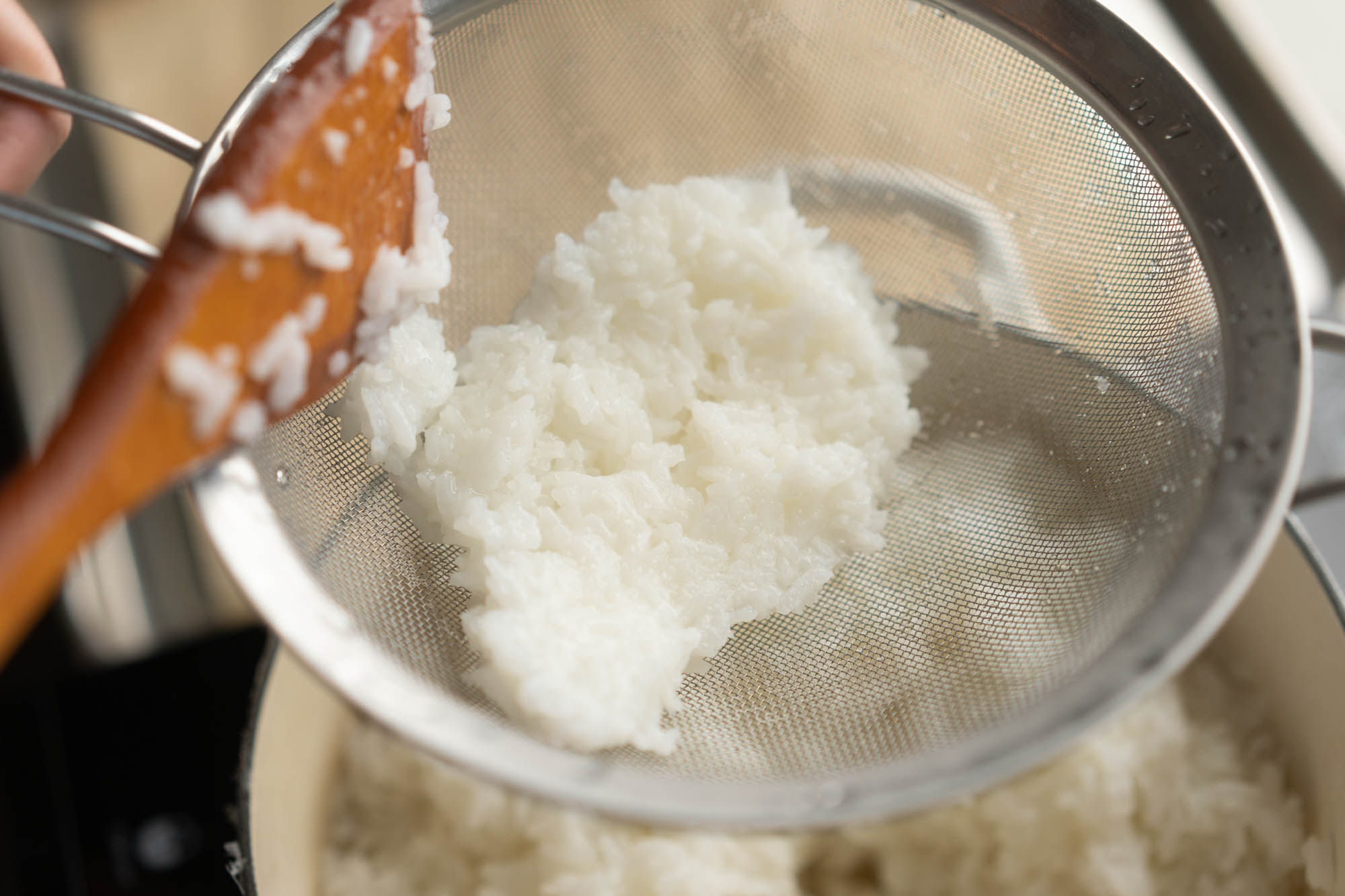
Cause: Excess water or accidental lid lifting
Solution: Spread rice on a baking sheet, bake at 200°F for 8 minutes. For next batch, reduce water by ¼ cup per cup of rice.
Crunchy Rice Rescue
Cause: Insufficient water or old rice with low moisture
Solution: Add 3 tablespoons hot water per cup of rice, stir gently, and restart “Cook” mode for 5 minutes.
Stuck Rice Prevention
Cause: Skipping rinse step or using scratched pots
Pro tip: Add 1 teaspoon oil per cup of rice before cooking. If rice sticks anyway, fill the pot with warm water and let it soak for 20 minutes before cleaning.
Clean Your Rival Cooker Without Damaging It
Daily Cleaning Protocol
- Never submerge the base unit—moisture destroys internal sensors
- Wash the cooking pot with soapy water and soft sponge (no steel wool!)
- Clear the steam vent hole with a dry toothpick—clogs cause boil-overs
- Wipe the heating plate with a damp cloth only when cool
Monthly Deep Clean
- Unplug and cool for 2 hours
- Make baking soda paste (3 parts soda, 1 part water) for stubborn stains
- Soak the lid seal in vinegar for 10 minutes to remove odors
- Dry all parts completely before storage—trapped moisture causes mold
Cook Beyond Basic Rice Safely
Steamed Vegetables in 10 Minutes
Place broccoli or carrots in the steamer basket (if included) during the last 10 minutes of rice cooking. Never add vegetables before rice finishes cooking—excess steam dilutes rice texture.
One-Pot Quinoa Success
Rinse 1 cup quinoa until water runs clear, then use 1:2 water ratio. Add ½ teaspoon lemon juice to neutralize bitterness. Cook 15 minutes—stop when the “Warm” light activates to prevent mushiness.
Troubleshoot Power Issues in 60 Seconds
Unit Won’t Turn On?
- Check outlet with a lamp—faulty outlets cause 68% of “broken” cookers
- Inspect cord for kinks near the base—bends disrupt electrical flow
- Press the reset button inside the plug (if equipped)
Light Stays On After Unplugging?
This indicates a sensor error. Unplug for 5 minutes, then restart. Persistent issues require Rival support—call 1-800-526-2452 with your model number (found under the base).
Prevent Future Failures With Smart Habits
Storage That Extends Lifespan
- Store the lid upside down to maintain seal elasticity
- Keep the power cord loosely coiled—tight wrapping cracks insulation
- Place rice paddle inside the pot to prevent losing small parts
Monthly Maintenance Checklist
- Test automatic shut-off with 1 cup rice/water
- Inspect non-stick coating for scratches (replace pot if damaged)
- Clean steam vent with vinegar-soaked cotton swab
Perfect rice hinges on respecting your Rival’s engineering—its temperature sensors detect 212°F water absorption to trigger “Warm” mode automatically. Start with white rice using the 1:2 ratio, master the 7-minute rest period, and never skip rinsing. Clean the steam vent monthly to avoid pressure issues, and your cooker will deliver flawless results for years. Register your 1-year warranty at www.rival.com within 30 days, and keep this guide handy for when sticky rice strikes. Your next batch will be so perfect, you’ll finally understand why chefs swear by rice cookers.