

Your CHACEEF FB1201 “Travel Mini” transforms from a compact desk companion into a culinary powerhouse with just three button presses. Whether you’re a college student craving homemade meals between classes or a traveler missing comfort food in a hotel room, this 1.2-liter cooker delivers restaurant-quality rice consistently. Unlike bulky appliances, it fits perfectly in dorms, RVs, or office kitchens while handling six cooking modes—from perfect basmati to chocolate lava cake. In this guide, you’ll master how to use CHACEEF rice cooker efficiently, avoid common pitfalls, and unlock its full potential beyond basic rice. By the end, you’ll confidently prepare fluffy grains, hearty soups, and even desserts in under 30 minutes.
Before diving into cooking, proper setup prevents 90% of user frustrations. The CHACEEF’s precision engineering demands attention to detail—especially with its calibrated water lines and non-stick pot. Skipping these prep steps often leads to soggy rice or error messages, but just five minutes of preparation ensures flawless results every time. Let’s transform your unboxing experience into immediate culinary success.
Unbox and Prep Your CHACEEF
Your first interaction with the cooker sets the stage for years of reliable use. The compact design (7.8″ W × 7.6″ D × 6.45″ H) fits tight spaces, but improper placement risks overheating or steam blockage.
First Wash Essentials
Remove all components immediately: the non-stick pot, detachable lid, and plastic paddle. Wash these in warm, soapy water using a soft sponge—never steel wool or abrasive pads that scratch the coating. Rinse until water runs completely clear, then air-dry for 20 minutes. For the base unit, wipe only with a damp cloth; submerging it in water voids the warranty. This initial clean removes manufacturing residues that could alter rice texture.
Power Check
Plug the 200-watt cord into a 110V outlet (critical—using it abroad requires a step-down transformer, not just an adapter). The LED should flash “00:00” within 10 seconds. If dark, push the cord firmly into the socket; loose connections cause most “dead unit” complaints. Never place the cooker near walls or curtains—maintain 4 inches (10 cm) clearance around the steam vent to prevent overheating.
Measure and Rinse Rice Like a Pro
:max_bytes(150000):strip_icc()/Simply-Recipes-How-To-Rinse-Rice-METHOD-07-173c35f7d9f047ac9a03ad8305498320.jpg)
The included 160 ml cup isn’t optional—it’s engineered to match the pot’s water lines. Using regular cups throws off ratios, causing mushy or undercooked rice.
Perfect Portions
Stick to these limits:
– 1 cup uncooked rice = 2 servings (ideal for solo meals)
– 2 cups max = 4 servings (feeds two comfortably)
Exceeding 2 cups risks overflow, as the 1.2L capacity leaves minimal headspace for expansion.
Rinse Technique
- Add rice to the dry pot
- Fill with cold water, swirl vigorously for 5 seconds
- Pour off cloudy water—this removes surface starch
- Repeat 2–3 times until water runs mostly clear
Skipping rinsing causes foaming and sticky grains. For best results, drain thoroughly before adding measured water.
Water Levels Made Simple

The pot’s interior lines—”1 White,” “2 White,” “1 Brown,” and “2 Brown”—are non-negotiable precision guides tested by CHACEEF engineers. Guessing leads to disaster.
White Rice Formula
| Uncooked Cups | Water Line |
|---|---|
| 1 cup | “1 White” |
| 2 cups | “2 White” |
Brown Rice Needs More
Brown rice requires extra hydration. Always use “Brown” lines—using “White” lines yields crunchy, undercooked kernels. For quinoa, use the “White” line but increase water to a 1:1.75 ratio (e.g., 1 cup quinoa + 1.75 cups water). Never exceed the MAX fill line for soups or stews.
Three-Step Cooking Process
This foolproof sequence works for all six modes, taking just 30 seconds to initiate.
1. Load and Lock
Ensure the pot’s exterior is bone-dry—water droplets cause uneven heating. Add rinsed rice and precisely measured water. Close the lid until you hear a distinct click; improper sealing triggers error codes.
2. Select Your Mode
Press Menu until your desired program lights up:
– White Rice: 20–25 minutes (standard grains)
– Brown Rice: 30–40 minutes (hearty texture)
– Porridge: Oatmeal or congee
– Soup: Light broths (45 mins)
– Stew: Chunky meals (60+ mins)
– Cake: Steam-bakes desserts (25–30 mins)
3. Press Start
One tap on Start initiates the four-stage cycle: preheat, high-heat ramp, simmer, and keep-warm. A double-beep signals completion. Never open the lid early—this disrupts steam pressure and ruins texture. Let rice rest 5–10 minutes on keep-warm before fluffing.
Master the Delay Timer
The 24-hour delay transforms your cooker into a breakfast autopilot—perfect for steel-cut oats ready at 7 a.m.
Overnight Oatmeal Setup
- Add 1 cup steel-cut oats and 3 cups water
- Select Porridge mode
- Press Timer, then “+” until display shows hours ahead (e.g., “08:00” for 8 a.m. start)
- Press Start
Critical warning: Never leave raw ingredients sitting more than 12 hours. For safety, set the timer only when your schedule is confirmed.
Beyond Rice: Creative Cooking Hacks
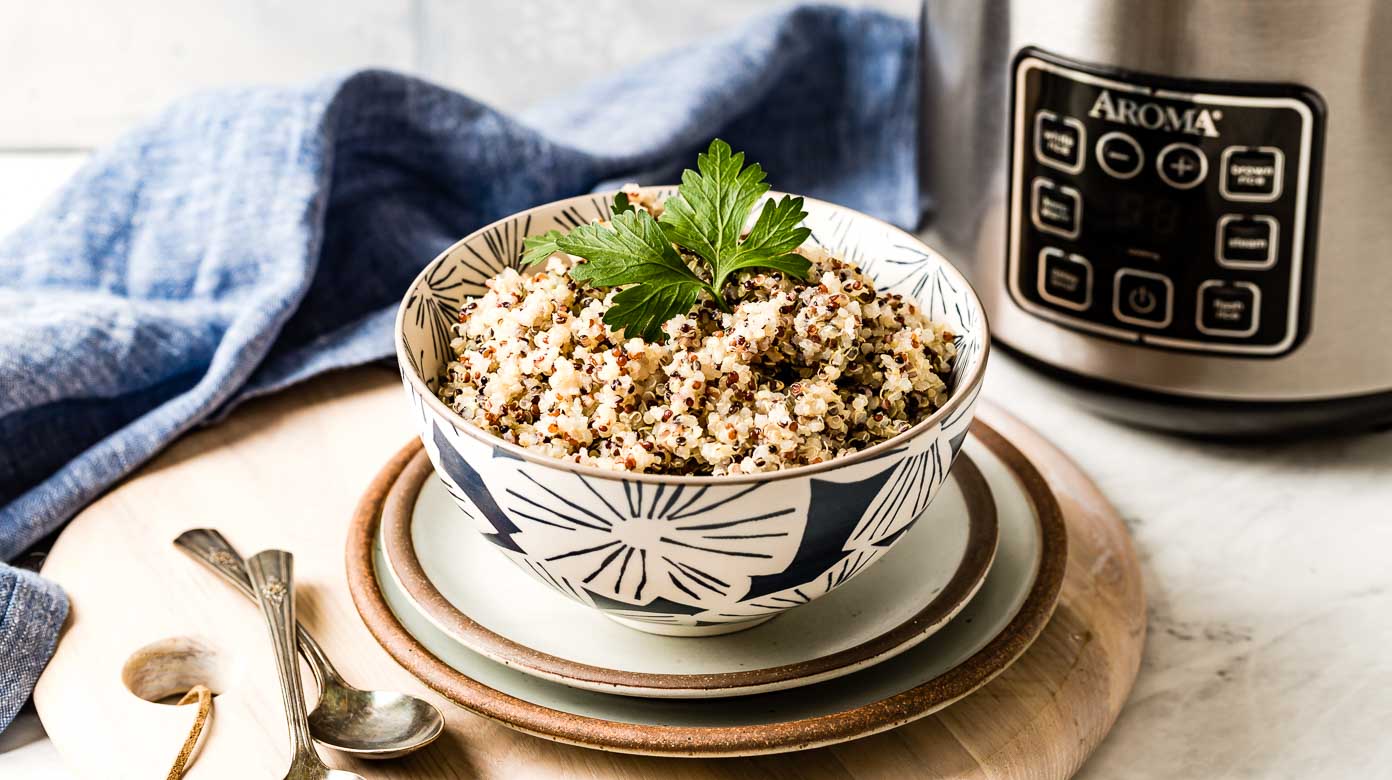
Your CHACEEF handles far more than grains—these tested recipes maximize its versatility.
Quinoa Perfection
Use White Rice mode with 1 cup quinoa to 1.75 cups water. Rinse quinoa thoroughly to remove bitterness. After the double-beep, let it rest 10 minutes before fluffing.
Chocolate Lava Cake
Fill a 4-inch ramekin halfway with microwave cake batter. Set Cake mode for 25–30 minutes. Check at 25 minutes—edges should pull away from the ramekin while the center jiggles slightly.
Traveler’s Lentil Soup
Combine ½ cup red lentils, 2 cups broth, and diced veggies. Select Soup mode for 45 minutes. Stir once halfway if possible for even cooking.
Clean in 5 Minutes Flat
Daily maintenance prevents stuck-on residue and extends your cooker’s lifespan to 5+ years.
Daily Routine
- Unplug and cool for 15 minutes
- Remove pot and lid; wash with soft sponge and mild soap
- Rinse thoroughly—soap residue affects taste
- Wipe base with damp cloth (never submerge)
- Store lid slightly ajar to prevent odors
Weekly Deep Clean
Use a pipe cleaner on the steam vent to remove starch buildup. Rinse the lid gasket under warm water. Never use metal scrubbers or dishwashers—this destroys the non-stick coating within months.
Troubleshoot Common Issues Fast
Resolve problems in under 60 seconds with this quick-reference table:
| Problem | Instant Fix |
|---|---|
| Rice too hard | Add ¼ cup water, restart White Rice mode for 5 min |
| Mushy texture | Reduce water next time; rinse rice 1 extra cycle |
| Lid won’t close | Clean sealing ring; align arrow marks on lid/base |
| Display blank | Push cord firmly into base; check outlet |
| Overflow mess | Use max 2 cups rice; rinse until water runs clear |
Safety Rules for Small Spaces
Dorms and hotel rooms demand extra caution:
– Voltage: Strictly 110V—using overseas requires a transformer (not just an adapter)
– Surface temps: Lid reaches 120°F during operation; keep hands/pets clear
– Storage: Dry completely before packing to prevent mildew in travel bags
– Utensils: Use only the plastic paddle—forks permanently scratch the coating
Warranty and Support Simplified
Activate your 1-year warranty by registering within 30 days. Coverage includes electrical defects and heating failures but excludes:
– Damage from metal utensils or dishwasher use
– Voltage mismatches (e.g., using 220V outlets)
– Commercial use
Keep your Amazon receipt—CHACEEF support requires the order number for claims. Replacement parts (pots, paddles) are available via their website.
Quick-Start Reminder Card (stick this on your mini-fridge):
1. Rinse 1–2 cups rice
2. Add water to matching line
3. Close lid → press MENU → press START
4. Wait for double-beep → fluff and eat
5. Unplug → wash pot → air-dry
Mastering how to use CHACEEF rice cooker unlocks effortless meals anywhere. By following these precise steps—from calibrated water lines to creative one-pot recipes—you’ll avoid common mistakes and leverage its full potential. Remember to rinse rice thoroughly, never exceed 2 cups, and hand-wash components to protect the non-stick coating. With proper care, your FB1201 becomes a decade-long kitchen companion, turning rushed meals into moments of culinary satisfaction. Start tonight with perfect white rice, then experiment with porridge or cake mode—your compact powerhouse is ready when you are.