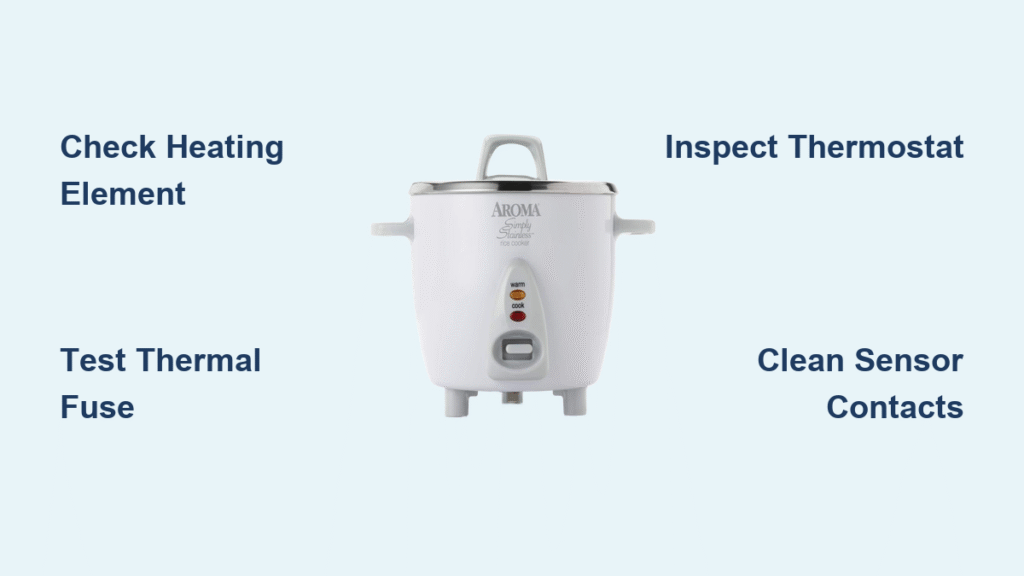

Your Aroma rice cooker just switched to warm mode, but are you sure the rice is perfectly cooked? Opening the lid too soon creates gummy, undercooked grains, while waiting too long leads to dried-out, burnt rice. With Aroma’s precise temperature detection system, you’ll never second-guess your rice again. This guide reveals exactly how to read your cooker’s signals—whether it’s the digital display shift, that distinctive click, or subtle steam patterns—so you consistently achieve fluffy, restaurant-quality rice. Discover why your cooker behaves differently with brown rice versus white, how to verify completion without lifting the lid, and what to do when signals fail.
Digital Display Tells You Instantly
Watch the Countdown Hit Zero
When your digital Aroma rice cooker finishes cooking, the timer doesn’t fade—it snaps to “0:00” within seconds. This immediate transition triggers the “Keep Warm” display, often accompanied by a rice bowl icon or checkmark symbol. Don’t mistake a lingering “0:00” for ongoing cooking; this is your cooker confirming water absorption is complete. Higher-end models like the Aroma Housewares Pro use Sensor Logic® technology to show specific completion icons instead of generic text, eliminating guesswork.
Recognize Critical Display Changes
Your cooker’s LED background color shifts from active-cooking blue to warm-mode amber the moment rice reaches ideal doneness. If you see “Cook” vanish and “Keep Warm” appear simultaneously with this color change, your rice is perfectly done. Some models like the Aroma Digital 10-Cup emit two short beeps during this transition—just enough to alert you without disrupting your day. Never rely on the timer alone; always confirm with the display mode change since altitude or rice quantity can slightly alter cooking duration.
Pot-Style Models Click Into Completion

Identify the Lever Drop Mechanism
Traditional Aroma pot-style cookers use a mechanical thermostat that physically drops the lever from “Cook” to “Warm” when rice finishes. This isn’t a gradual slide—it’s a decisive downward click you can both see and hear. If the lever stays stubbornly upright past expected cooking times, debris under the inner pot is likely blocking sensor contact. Gently lift the pot to wipe the bottom and heating plate before restarting. That satisfying click means the thermostat detected the critical temperature spike signaling all water has been absorbed.
Decode the Indicator Light Shift
The red cooking light instantly switches to yellow or green when your pot-style Aroma completes its cycle. This color change coincides precisely with the lever movement—no lag, no ambiguity. If you notice the light changing without the lever dropping (or vice versa), unplug the unit and check for rice grains jamming the mechanism. Proper alignment is essential since the light confirms the thermostat engaged warm mode at the correct 140-158°F temperature range.
Audio Cues Confirm Cooking Completion
Listen for the Definitive Click
Every Aroma rice cooker produces a single, sharp mechanical click when switching to warm mode—this is the thermostat disengaging the heating element. It’s quieter than you’d expect, so pause nearby activity when approaching expected completion time. Digital models supplement this with two brief beeps, but the click remains the universal signal across all Aroma types. If you hear continuous beeping instead, that indicates an error—not completion—requiring immediate attention.
Notice the Shift From Bubbling to Silence
During active cooking, you’ll hear steady bubbling as water boils off. When completion occurs, this sound stops abruptly within 10-15 seconds of the temperature spike. The sudden quiet is often your first clue before visual indicators register, especially with glass-lid models where steam obscures the display. If bubbling continues after the “Keep Warm” display appears, your cooker detected completion prematurely due to insufficient rice quantity—add ¼ cup water and restart.
Verify Completion Without Lifting the Lid
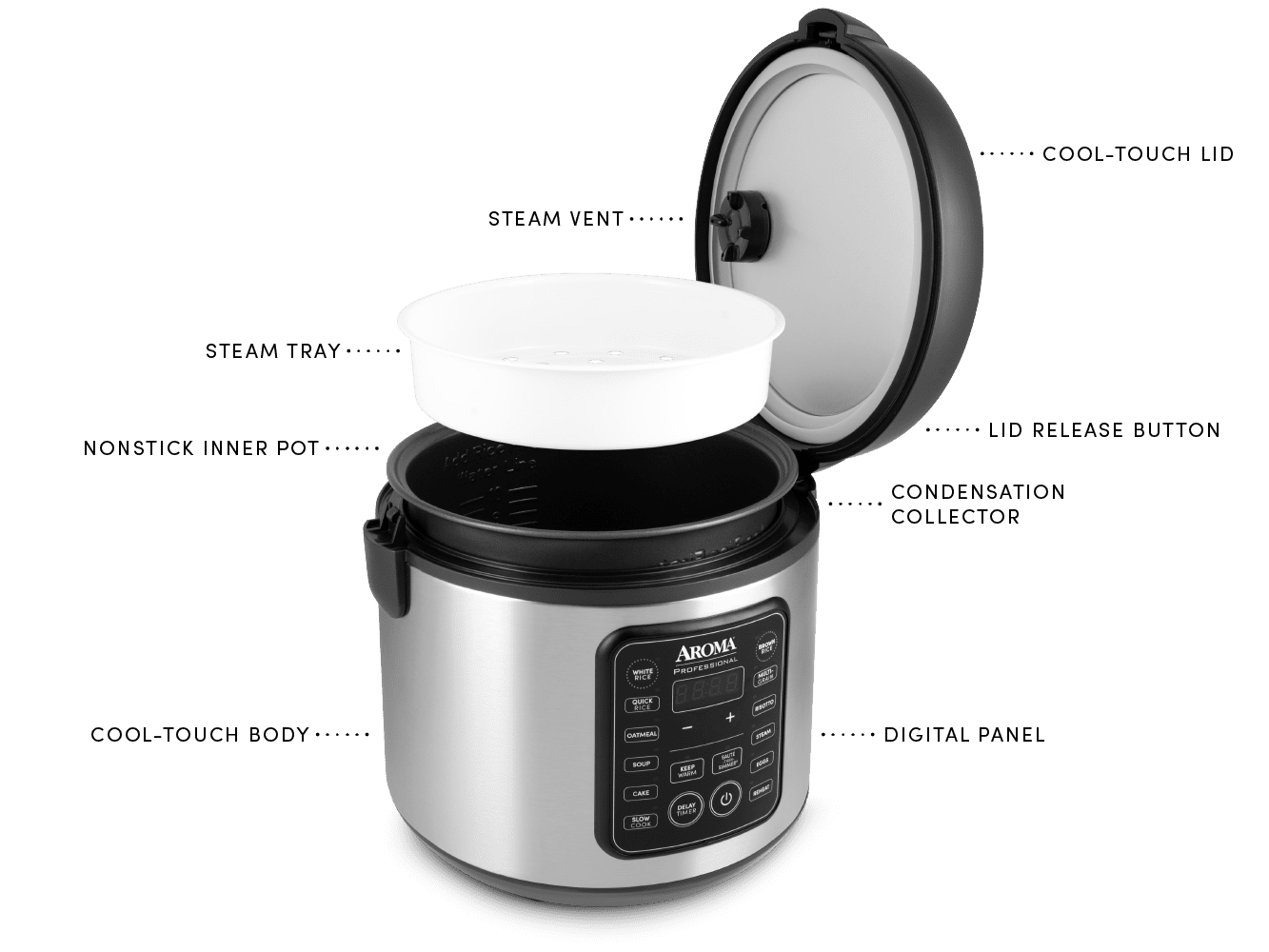
Analyze Steam Vent Behavior
Position your hand 6 inches from the steam vent (never directly above) to gauge heat intensity. When cooking completes, steam output reduces by at least 80%—from a steady stream to occasional wisps. Digital models show this transition most clearly since their vents are designed for precise monitoring. If steam remains strong after the display changes, your rice likely needs more time despite the indicator; wait 5 minutes before rechecking. This method prevents heat loss that ruins texture.
Check Lid Temperature Uniformity
Run your palm 2 inches above the lid surface without touching it. During cooking, heat radiates intensely from steam vents. At completion, warmth becomes evenly distributed across the entire lid. Uneven hot spots indicate ongoing cooking, while uniformly mild heat confirms the warming phase began. This technique works best with stainless steel lids—avoid using it on plastic components to prevent accidental contact.
Model-Specific Timing Patterns
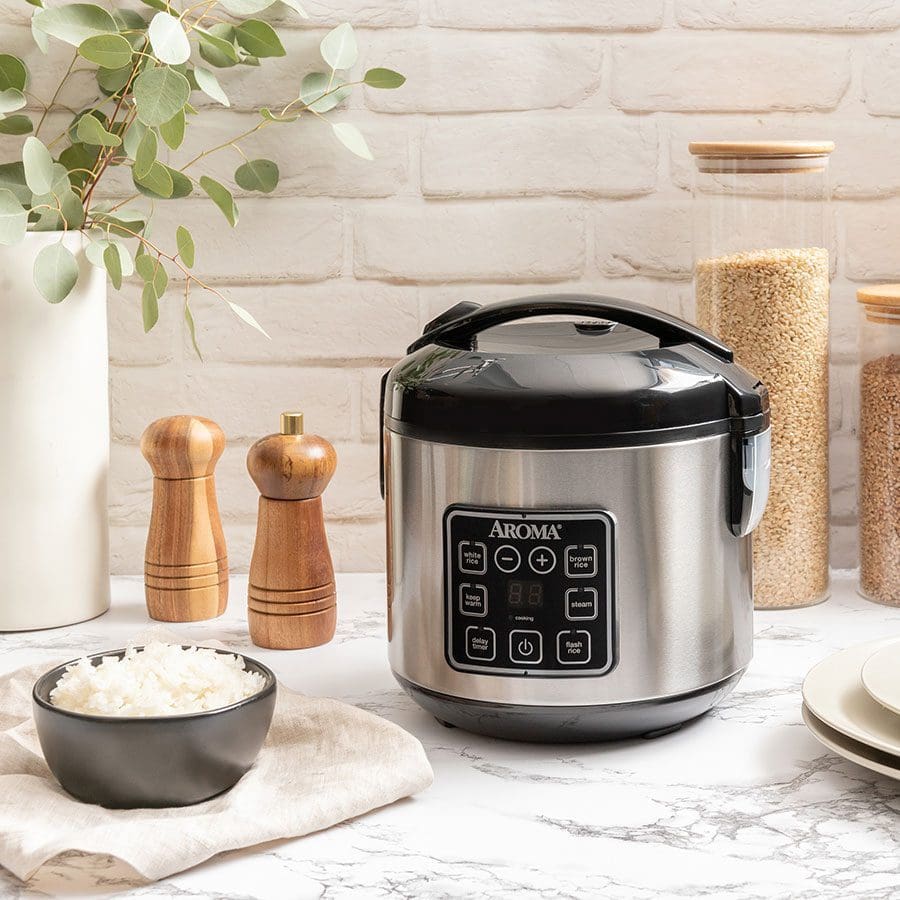
Digital Cooker Precision for Different Grains
Your Aroma digital model follows predictable timelines that help verify signals:
– White rice: 27-32 minutes (display switches at 32 min)
– Brown rice: 37-42 minutes (Sensor Logic® extends time for bran)
– Jasmine rice: 22-27 minutes (shorter due to lower starch)
If your jasmine rice shows “Keep Warm” at 20 minutes, the display transition likely occurred early—check for insufficient water. Digital models compensate for minor errors, but significant timing deviations signal measurement issues. Always use the included measuring cup since standard cups hold 20% more rice.
Pot-Style Completion Milestones
Traditional Aroma cookers hit these benchmarks reliably:
– White rice: Lever drops at 22-25 minutes
– Brown rice: Click occurs at 32-35 minutes
– Basmati: Switch activates at 17-20 minutes
If your pot-style model clicks 5+ minutes early with white rice, you’ve probably used less than the 1-cup minimum required for proper thermostat contact. Never reduce rice below this threshold—it disables the completion detection system entirely.
Fix False Signals Before Ruining Dinner
Solve Premature Switching Immediately
When your Aroma indicates completion but rice remains soupy:
1. Confirm inner pot sits flush on heating plate (wipe any debris)
2. Verify water ratio: 1.5 cups water per 1 cup white rice
3. Ensure batch exceeds 1-cup minimum dry rice
4. Restart cycle without opening lid (add ¼ cup water if needed)
This typically happens with unrinsed rice where surface starch alters water absorption. For future batches, rinse grains until water runs clear—this stabilizes cooking times by 3-5 minutes.
Address Delayed Completion Risks
If your cooker exceeds maximum times without signaling:
– First: Check rice hasn’t exceeded the MAX fill line
– Then: Confirm water measurement with Aroma’s cup
– Finally: Test outlet voltage (low power extends cooking)
Persistent delays after 3 years may indicate thermostat calibration drift. Reset by unplugging for 10 minutes, but seek service if overcooking continues—burnt rice damages non-stick coatings permanently.
Perfect Results After the Signal
Master the Critical Rest Period
Wait 5-10 minutes after the “Keep Warm” display appears before fluffing. This resting phase allows residual steam to finish cooking the top layer while the warming function maintains 140-158°F. Skipping this step causes mushy bottoms and chalky tops. For fried rice, extend rest time to 15 minutes—this firms grains ideal for stir-frying.
Validate Perfect Completion Visually
Fluff rice with the included paddle to check these success markers:
– No clumping: Individual grains separate easily
– Zero pooling: No water visible in pot corners
– Uniform expansion: Rice fills pot to double original height
– Nutty aroma: Sweet fragrance without burnt notes
Undercooked rice sticks to the paddle; overcooked rice feels gummy between fingers. When in doubt, taste a single grain—it should be tender with slight resistance at the core.
Emergency Verification When Signals Fail
Use External Timing Safely
If display malfunctions, set a kitchen timer:
– Digital models: White rice = 30 min, Brown = 40 min
– Pot-style: White rice = 25 min, Basmati = 20 min
Start timing when bubbling begins, not when you press “Cook.” Stop 2 minutes early to check steam reduction—this prevents overcooking during verification.
Apply the Steam Reduction Test
Monitor steam output every 5 minutes during final cooking phase. When visible steam drops by 80% from its peak intensity (e.g., thick plume to thin wisps), completion is imminent. This method works during power fluctuations since it relies on physical water absorption. Combine with the 5-minute rest rule for near-perfect results even with faulty electronics.
Your Aroma rice cooker’s completion signals—whether the digital display shift, mechanical click, or steam reduction—rely on precise temperature detection at the critical 212°F water-absorption threshold. Trust these indicators but verify with the 5-minute rest rule and steam analysis for foolproof results. Remember that brown rice triggers completion at slightly higher temperatures due to bran density, while batches under 1 cup disable detection entirely. By mastering these model-specific behaviors and emergency verification methods, you’ll transform from rice guesser to precision cooker—delivering perfect grains every time without lifting the lid prematurely. The next time that “Keep Warm” light glows, you’ll know exactly when to fluff and serve.