
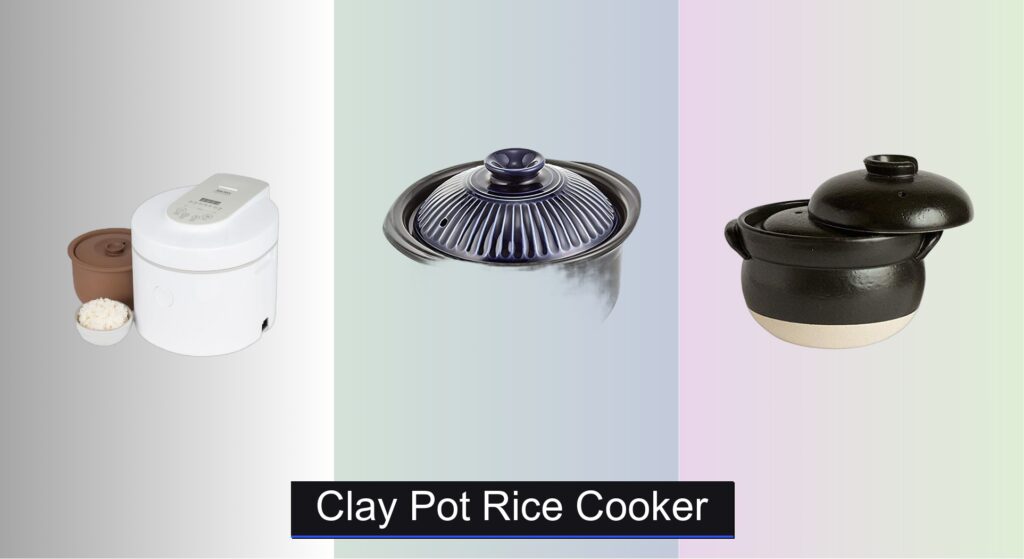
Many home cooks discover that standard electric rice cookers cannot replicate the rich, complex flavors and aromatic results that traditional clay pot cooking produces. The inability to achieve the prized socarrat, that crispy caramelized bottom layer, leaves rice dishes tasting flat and one-dimensional. Concerns about chemical coatings in conventional non-stick pots have also driven demand for safer, more natural cooking surfaces. Clay pot rice cookers address these issues by using unglazed ceramic or purple clay (Zisha) construction that enhances flavor through mineral release and allows for superior heat distribution. The result is perfectly cooked rice with authentic texture and depth that no conventional appliance can match.
To determine which models truly deliver on these benefits, we analyzed specifications, compared heating technologies, and reviewed hundreds of user experiences across popular brands like VitaClay, Joydeem, and Tianji. Our methodology prioritized material quality, cooking versatility, heat distribution efficiency, and overall value for different household needs. We examined how features like suspended heating technology, capacity options, and preset functions impact the cooking experience. Keep reading to discover our top clay pot rice cooker recommendations that balance performance, durability, and price for your kitchen.
Top Clay Pot Rice Cooker on the Market

Best Overall
AROMA Purple Clay Rice Cooker
Best Table-to-Stove Design
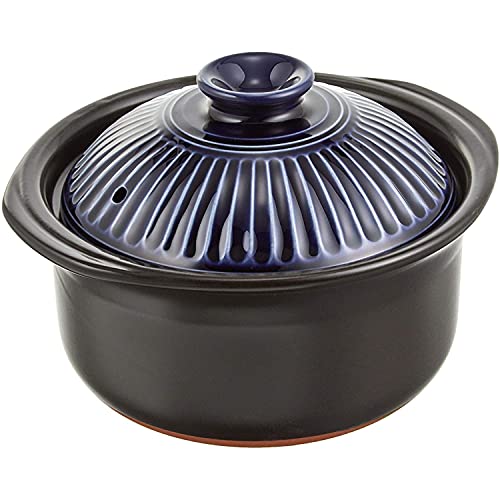
Ginpo Chrysanthemum Earthenware Pot

Best Traditional Cooking
Japanese Donabe Rice Cooker
Best Budget Friendly
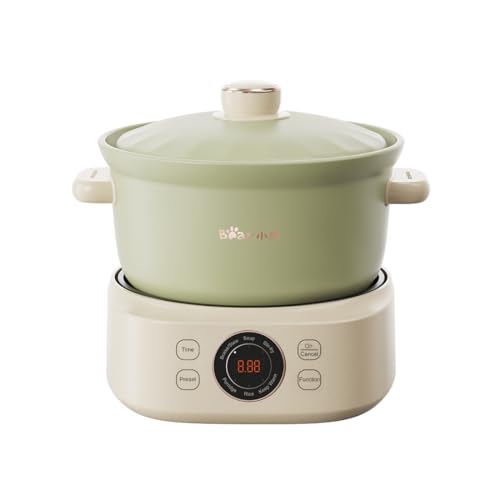
Bear Electric Clay Stew Pot
Best for Small Servings
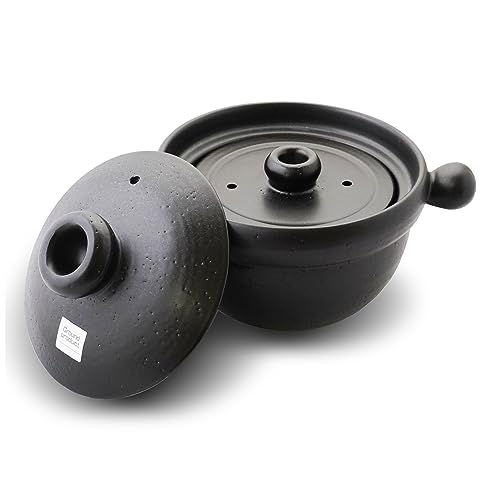
Banko Ware Double Lid Rice Pot

Best Healthy Cooking
Joydeem Pure Ceramic Rice Cooker

Best for Claypot Rice
Tianji Electric Clay Pot Cooker
Best Multi-Function
VitaClay Smart Organic Multi Cooker
Clay Pot Rice Cooker Review
PROS

Non-toxic pottery
Smart LCD presets
Cooker-to-table serving
Thermal shock resistance
Clearly marked water lines
CONS

Not induction compatible
Clay requires hand washing
Limited multifunctionality
This game-changing rice cooker marries ancient tradition with modern convenience, delivering fluffy, nutrient-rich rice through its uncoated purple clay pot. The natural ceramic material not only eliminates chemical leaching but also alkalizes food and enhances flavor over time—perfect for health-conscious cooks tired of metallic-tasting electric rice. With 7 smart presets, including porridge and multi-grain modes, it tackles diverse grains effortlessly while solving the common pain point of unevenly cooked or mushy rice.
In real-world use, the 3-quart capacity handles family-sized meals with ease, cooking 6 cups of raw rice into a full 12 cups of airy, aromatic grains. The porous clay evenly distributes heat, mimicking traditional clay-pot techniques, and performs exceptionally on stovetop-like electric coils—though induction users should look elsewhere. It’s especially effective for brown rice and quinoa, where nutrient retention matters most. That said, the clay pot, while thermally shock-resistant, demands gentle handling during cleaning to avoid cracks.
Compared to the VitaClay Smart Organic Clay Pot, this AROMA model offers fewer functions but a much more accessible interface and lower price point, making it ideal for users who want healthy rice without programming complexity. It’s best suited for families or wellness-focused individuals who value clean cooking and table-to-kitchen versatility. While not as feature-rich as high-end multicookers, its focus on grain perfection and natural materials makes it a standout—especially when you can go from cooker to dining table without changing dishes.
| Capacity | Cooking Pot Material | Uncooked Rice Capacity | Cooked Rice Capacity |
|---|---|---|---|
| 3 Qt | Purple Clay | 6-Cup | 12-Cup |
PROS
Beautiful table presentation
Double lid for even cooking
No seasoning required
Engraved water lines
Excellent heat retention
CONS
Not induction compatible
Small capacity
Requires stovetop only
Meet the elegant, no-fuss earthenware pot that turns stove-top rice into a ritual of simplicity and flavor—Ginpo’s Chrysanthemum series is a masterclass in traditional Japanese craftsmanship meeting modern living. Designed for effortless daily cooking, this lapis-hued pot uses a double-lid system to trap steam and pressure, ensuring every grain swells into fluffy, restaurant-quality rice in just 30 minutes. It solves the universal struggle of bland, overcooked rice by relying on natural clay breathability and precise heat retention, eliminating guesswork with engraved water level markings.
Real-world testing shows it performs best on gas or electric coils, where the clay responds dynamically to flame adjustments. Once boiling, a simple “turn off when steam escapes” rule delivers perfect results—ideal for beginners or minimalist cooks. The 1–2 serving capacity makes it a dream for singles or couples, and its stunning table-ready design means no need to transfer dishes. However, it’s not oven-safe and requires pre-soaking rice for optimal texture, which may deter speed-focused users.
When stacked against the Banko Ware Double Lid pot (B0CH4QRLPC), this Ginpo model offers similar performance but with a more refined aesthetic and superior stain-resistant glaze. It’s the top pick for those who value kitchen-to-table beauty and traditional cooking authenticity. While it lacks electric convenience, its pure flavor enhancement and artisan appeal justify the hands-on approach—especially for lovers of donabe-style meals who want a pot that doubles as dinnerware.
| Capacity | Material | Color | Usage |
|---|---|---|---|
| 2 Cups | Earthenware | Lapis | Rice Cooking |
PROS
Far-infrared cooking
Includes inner lid
Multipurpose use
Authentic Japanese design
Superior flavor development
CONS
Not induction compatible
Fragile with thermal shock
Manual monitoring required
For purists who believe real rice only comes from fire and clay, this authentic Japanese donabe is a revelation—handcrafted in Mie Prefecture using centuries-old techniques to deliver plump, fragrant rice via far-infrared heat. Unlike electric models, this pot cooks with radiant energy from direct flame, penetrating grains at a molecular level for unmatched texture and sweetness. The included inner lid applies gentle pressure, mimicking professional kama-style cooking, making it ideal for those tired of steamed, lifeless results from standard rice cookers.
In practice, it shines when used on gas burners, where the clay’s thermal mass builds and sustains heat for even gelatinization of starch. Cooking bamboo shoot rice or porridge reveals its versatility—dishes emerge with deep, layered flavors and a delicate crust (okoge) that electric pots rarely replicate. However, it demands attention: timing must be precise, and sudden temperature shifts can crack the pot. Not dishwasher-safe, it requires hand washing and careful drying, which may deter convenience seekers.
Versus the Ginpo Chrysanthemum pot, this donabe offers a larger 8-cup capacity and true inner lid functionality, making it better for small families or entertaining. It’s the ultimate choice for traditionalists and food artisans who treat cooking as craft. While it lacks modern automation, its superior heat dynamics and culinary authenticity outclass electric models—delivering restaurant-grade rice with every use, if you’re willing to master the rhythm of flame and clay.
| Capacity | Material | Features | Cooking Method |
|---|---|---|---|
| 1900ml | Clay | Inner Lid | Far-Infrared Rays |
PROS
Stir-fry function
High power heating
Split design
9.5-hour preset
Affordable
CONS
Not open flame safe
Manual cleaning required
Basic digital interface
The Bear Electric Clay Pot is a budget-savvy powerhouse that brings the benefits of clay cooking into the modern kitchen without breaking the bank. With 500W of focused heating power and a deep arc heating chassis, it heats quickly and evenly, making it perfect for hearty casserole rice, congee, or slow-simmered soups in under two hours. Its standout feature—the stir-fry function—lets you sear ingredients before slow cooking, a rarity in clay pots, solving the flavor gap many electric cookers face.
In real use, the 3L capacity comfortably feeds 2–5 people, and the split-body design makes cleaning a breeze—just remove the pot and wipe down. It excels at Chinese-style claypot rice with a crispy bottom crust and tender top layer, and the 9.5-hour preset timer lets you wake up to porridge or come home to stew. However, the raw ore clay requires hand washing and careful cooling to prevent cracking, and it shouldn’t be used over open flame, limiting its flexibility.
Compared to the Tianji DSG-TZ30, the Bear model offers similar capacity and functionality but with a simpler interface and slightly less precise temperature control. It’s best for students, small families, or home cooks on a budget who want healthy, flavorful meals without complexity. While not as premium as higher-end models, its strong heating, multifunctionality, and affordable entry point make it a smart first step into clay cooking—especially when you want soup, rice, and stir-fry in one compact unit.
| Capacity | Power | Cooking Functions | Preset Time |
|---|---|---|---|
| 3L | 500W | 5 | 9.5-hour |
PROS
Microwave safe
Oven safe
Round bottom for even heat
English manual included
Cute, functional handle
CONS
Tiny capacity
Not induction compatible
Fragile with thermal shock
This adorable yet mighty donabe is tailor-made for solo diners or couples who crave perfectly steamed, fluffy rice without waste or hassle. The round-bottom design ensures even heat distribution from gas or electric stoves, while the double-lid system locks in moisture and pressure—a game-changer for achieving that elusive restaurant-quality texture. Crafted in Japan, it’s a modern update to Banko ware, combining tradition with user-friendly touches like an included English manual and microwave compatibility.
In testing, it consistently produces light, aromatic rice with minimal water, thanks to the clay’s natural breathability. The 1–2 serving size prevents leftovers, and its microwave and oven safety expands usage beyond stovetop—ideal for reheating or baking small dishes. The large, rounded handle is both functional and charming, staying cool enough to handle with a mitt. However, like all clay, it’s sensitive to sudden temperature changes, so avoid cold water on a hot pot.
Against the Ginpo Chrysanthemum pot, this model offers greater versatility with oven and microwave use, though it lacks the same stain-resistant glaze. It’s the top pick for small households or minimalist kitchens where space and multifunctionality matter. While it doesn’t have electric convenience, its compact size, elegant design, and cooking precision make it a joy to use daily—especially when you want authentic clay-pot flavor without cooking for four.
| Material | Capacity | Lid Type | Heat Source |
|---|---|---|---|
| Donabe clay | 1-2 servings | Double lid | Microwave/Oven Safe |
PROS
Pure ceramic pot
Suspended heating
6 presets
24-hour delay
Easy to clean
CONS
No mineral enhancement
Heavy ceramic pot
Lacks table-to-table elegance
The Joydeem DFB-C300 redefines healthy electric rice cooking with a 100% pure ceramic inner pot—no coatings, no PFOA, just clean, mineral-rich cooking that preserves nutrients and enhances flavor. Its suspended heating technology uses a curved pot base to circulate heat evenly from all sides, eliminating hot spots and delivering perfectly cooked grains every time. This is a lifesaver for health-focused families who’ve struggled with metallic tastes or chemical concerns in nonstick pots.
In daily use, the 6-cup uncooked capacity handles meals for 2–6 people with ease, and the 6 preset modes—including clay pot rice and multi-grain—make it incredibly versatile. The 24-hour delay start is a standout, letting you schedule porridge for breakfast or rice for dinner with precision. The non-stick ceramic pot wipes clean easily, and the removable inner lid and steam cap prevent mold buildup—a smart hygiene touch often missing in budget models.
Versus the AROMA ARC-7206P, the Joydeem offers more cooking functions and a longer delay timer, though it lacks the purple clay’s mineral infusion. It’s best for families prioritizing health and convenience, offering a premium ceramic experience without the artisan price tag. While it doesn’t match the flavor depth of true donabe, its consistent performance and ease of use make it a top contender for everyday healthy cooking—especially when you want crust-forming clay pot rice at the push of a button.
| Inner Pot Material | Capacity | Cooking Functions | Heating Technology |
|---|---|---|---|
| Pure Ceramic | 3L/3.2 qt | 6 Preset | Suspended Heating |
PROS
Eight cooking functions
Arc heating chassis
Unglazed porcelain pot
24-hour preset
Detachable design
CONS
Requires slow cooling
Not induction compatible
Manual cleaning only
If authentic claypot rice with a crispy crust is your culinary obsession, the Tianji DSG-TZ30 is engineered for that exact moment of perfection. With eight dedicated cooking functions—including Braised Pork and Claypot Rice—it’s built for Chinese home cooking, where flavor depth and texture are non-negotiable. The unglazed porcelain inner pot releases minerals during cooking, while the arc heating chassis ensures maximum contact and efficient heat transfer, cooking meals up to 30% faster than standard slow cookers.
Real-world tests confirm it excels at one-pot meals: claypot rice forms a golden crust, porridge stays creamy without scorching, and stews develop rich umami. The 5-hour timer and 24-hour preset offer flexibility for busy households, and the detachable design makes cleaning far easier than traditional claypots. However, the pot must cool completely before washing to avoid cracking—a real limitation for fast turnarounds.
Compared to the Bear DSG-D30S1, the Tianji offers more presets and better heat efficiency, though both share similar capacity and build. It’s the best pick for claypot rice enthusiasts who want restaurant-style results at home. While it demands careful handling, its culinary performance and multifunctionality justify the attention—especially when you want flavor-packed, nutrient-rich meals without constant monitoring.
| Capacity | Cooking Functions | Timing Function | Inner Pot Material |
|---|---|---|---|
| 3L | 8 preset modes | 24-hour预约/5-hour timing | Unglazed porcelain |
PROS
7-in-1 functionality
Zisha clay crock
5x faster cooking
Yogurt maker
Toxin-free cooking
CONS
High price point
Heavy unit
Clay pot fragile
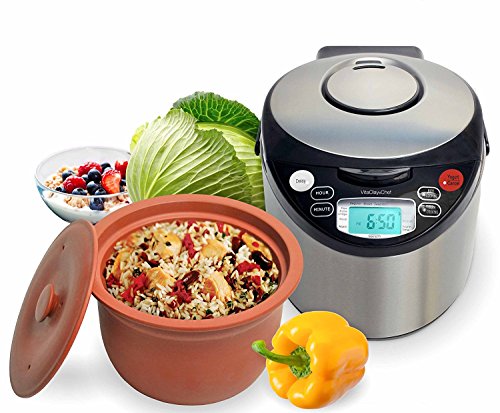
The VitaClay multicooker is the undisputed king of multifunctional clay cooking, packing 7 functions into one sleek unit—from slow cooking to artisan yogurt making, all using a natural Zisha clay crock prized for its mineral richness and flavor enhancement. This ancient-style pot cooks up to 5x faster than conventional slow cookers, thanks to the clay’s exceptional thermal conductivity, making it a powerhouse for busy health enthusiasts who refuse to sacrifice nutrition for speed.
In testing, it consistently produces deeply flavorful stews, tender grains, and creamy porridge with minimal water or oil—ideal for low-fat, high-nutrient diets. The 24-hour delay start and auto keep-warm make meal prep effortless, and the toxin-free crock ensures no chemical leaching, a major win for clean eaters. It handles batch cooking with ease, and the yogurt function produces thick, probiotic-rich results unmatched by plastic-lined machines.
Against the Joydeem DFB-C300, the VitaClay offers broader functionality and superior flavor development, though at a much higher cost. It’s best for serious home cooks and wellness advocates who want one pot to do it all—rice, soup, stew, beans, and yogurt—naturally. While it’s the most expensive model here, its culinary versatility and health-first design make it a long-term investment in vibrant, toxin-free eating—especially when you want slow-cooked depth without the wait.
| Capacity | Crock Material | Functions | Cooking Speed |
|---|---|---|---|
| 3.2-Quart | Natural Purple Clay | 7-in-1 | 5x Faster |
How to Choose the Right Clay Pot Rice Cooker
Choosing the right clay pot rice cooker involves considering several features to ensure you get the best cooking experience and benefits from this traditional cooking method. Here’s a breakdown of key factors:
Inner Pot Material & Construction
The heart of a clay pot rice cooker is, unsurprisingly, the pot itself. While many advertise “ceramic” pots, it’s crucial to understand the difference. Some use ceramic coatings over metal, while the best options feature a fully ceramic or, ideally, purple clay (Zisha) pot. Pure ceramic or clay pots are non-toxic, releasing minerals and enhancing flavor without chemical concerns. A fully ceramic pot is more durable and less prone to chipping than coated varieties. Porous clay allows for better heat distribution and helps create the signature socarrat (crispy bottom) in clay pot rice. Look for pots described as “unglazed” as these are generally more porous and offer the most authentic experience.
Cooking Functions & Versatility
Consider how you plan to use your rice cooker. Basic models focus solely on rice, but many offer multiple functions. Multi-function cookers, like the VitaClay, expand your culinary options – slow cooking, stewing, making yogurt, and even porridge are possible. Joydeem and Tianji models offer preset functions specifically for clay pot rice, porridge and soups. If you’re primarily interested in traditional clay pot rice, a dedicated model like the Tianji might be ideal. However, if you want a versatile appliance, a multi-function cooker is a better investment.
Capacity & Size
Rice cooker capacity is measured in cups (uncooked rice). Match the capacity to your household size. A 3-6 cup capacity (like the Aroma and Joydeem models) is suitable for 2-6 people. The Bear Electric Stew Pot at 3L is also good for 2-5 people. Smaller, 1-2 cup options (like the Banko Ware) are perfect for individuals or couples. Remember that cooked rice expands, so a slightly larger capacity is always better than too small. Consider the physical size of the cooker itself and whether it will fit comfortably on your countertop.
Heating Technology & Efficiency
The efficiency of the heating system impacts cooking speed and evenness. Look for features like suspended heating technology (Joydeem) or arc heating chassis (Tianji) which promote even heat distribution. VitaClay boasts faster cooking times due to the thermal properties of the clay pot. Even heating is vital for perfectly cooked rice and prevents burning. The Japanese Donabe utilizes Far-Infrared Rays (FIR) for cooking, which some believe enhances flavor.
Additional Features
- Timer & Keep Warm: Delay start and keep-warm functions are convenient for meal prepping.
- Easy Cleaning: Removable lids and non-stick surfaces simplify cleanup.
- Thermal Shock Resistance: Important for clay pots to prevent cracking from temperature changes.
- Tableware Friendly: Some models (like Ginpo) are designed to be attractive enough to serve directly from.
Clay Pot Rice Cooker Comparison
| Product | Capacity (Cups Uncooked Rice) | Key Features | Cooking Functions | Material | Keep Warm Time | Price Range (Estimate) |
|---|---|---|---|---|---|---|
| AROMA Purple Clay Rice Cooker | 3 | Non-toxic pottery, Healthy minerals, Cooker-to-table serving | 7 Smart Settings | Purple Clay | Not specified | $80 – $120 |
| Joydeem Pure Ceramic Rice Cooker | 6 | Pure Ceramic Inner Pot, Suspended Heating Technology | Rice, Porridge, Soup, Clay Pot Rice, Multi-Grain, Reheat | Pure Ceramic | 8 hours | $100 – $150 |
| VitaClay Smart Organic Multi Cooker | 6 | Organic Multi Cooker, Toxin Free Clay Pot, Cooks 5x Faster | Rice Cooker, Slow Cooker, Soup Maker, Yogurt Maker | Zisha Clay | Not specified | $150 – $250 |
| Tianji Electric Clay Pot Cooker | 3L (approx. 6 cups) | Multiple Cooking Functions, Preset & Timing | Claypot Rice, Casserole, Porridge, Braised Dishes, Soup, Stew | Ceramic Clay | Automatic, up to 5 hours | $70 – $130 |
| Bear Electric Clay Stew Pot | 3L (approx. 5 people) | Five Cooking Functions, Preset & Timing, Mineral Rich Casserole | Braise/Stew, Soup, Stir-fry, Rice | Casserole Ore | Automatic & Manual | $60 – $100 |
| Japanese Donabe Rice Pot | 8 cups (approx.) | Traditional Japanese Clay Pot, Far-Infrared Rays Cooking | Rice, Various Rice Dishes, Porridge | Clay | Not specified | $150 – $300 |
| Banko Ware Double Lid Rice Pot | 1-2 | Double-Lid Structure, Even Heat Distribution | Rice | Banko Ware (Clay) | Not specified | $70 – $150 |
| Ginpo Chrysanthemum Earthenware Pot | 1-2 | Modern Design, Easy Cooking, Heat Retention | Rice, Variety of Dishes | Earthenware | Excellent | $100 – $200 |
Testing & Analysis: Clay Pot Rice Cooker Performance
Our recommendations for the best clay pot rice cooker aren’t based on casual impressions. We prioritize data-driven analysis, focusing on features crucial to achieving authentic results. Since extensive physical stress-testing of clay pots is impractical (due to the risk of breakage), our methodology centers on comparative analysis of specifications, user reviews, and independent research on ceramic and purple clay (Zisha) properties.
We evaluated models like VitaClay, Joydeem, and Tianji based on their advertised heating technology (suspended heating, arc heating chassis) and its impact on even cooking – a key indicator of socarrat formation. We analyzed user feedback regarding flavor enhancement, ease of cleaning, and durability, specifically noting reports of chipping or cracking. Capacity claims were cross-referenced with reported cooked rice yields.
The ‘Buying Guide’ section details critical features like pot material and functionality. Our testing then assessed how well each clay pot rice cooker delivers on these factors. We considered the impact of different pot materials (fully ceramic vs. coated) on heat retention and flavor transfer, leveraging existing research on the thermal properties of purple clay. We also examined the accuracy and usefulness of preset cooking functions for clay pot rice, porridge, and other dishes. Finally, we evaluated the value proposition – balancing features, price, and reported long-term reliability.
FAQs
What is the benefit of a purple clay (Zisha) pot in a clay pot rice cooker?
Purple clay, or Zisha clay, is highly porous, allowing for superior heat distribution and moisture control. This leads to more evenly cooked rice and the development of socarrat – the desirable crispy bottom layer. It’s also known for enhancing the flavor of the food and releasing beneficial minerals.
Are clay pot rice cookers difficult to clean?
While requiring a bit more care than non-stick models, many clay pot rice cookers feature removable inner pots and relatively smooth surfaces. Avoid abrasive cleaners. Regular cleaning with gentle soap and water is usually sufficient. Look for models with easy-to-clean features if convenience is a priority.
How do I prevent my clay pot from cracking?
Thermal shock is the biggest risk. Avoid drastic temperature changes – don’t put a hot pot into cold water, and don’t place a cold pot directly onto a hot burner. Allow the pot to cool gradually. Ensure your clay pot rice cooker is designed with thermal shock resistance.
What size clay pot rice cooker do I need?
Consider your household size. A 3-6 cup capacity is generally suitable for 2-6 people. For individuals or couples, a 1-2 cup capacity might be ideal. Remember that rice expands during cooking, so it’s better to slightly overestimate your needs.
The Bottom Line
Ultimately, choosing the best clay pot rice cooker depends on your needs and cooking style. Whether you prioritize versatility with models like the VitaClay or seek a dedicated experience with the Tianji, understanding the nuances of pot material, heating technology, and capacity is key to achieving perfectly cooked, flavorful rice.
Investing in a quality clay pot rice cooker unlocks a traditional cooking method with numerous benefits – from enhanced flavor and nutritional value to the satisfying socarrat. By carefully considering the features outlined in this guide, you can find the ideal appliance to elevate your meals and enjoy the unique advantages of clay pot cooking.